Rockin Robin SongFlying The Web For News.


Global World Topics

How To Be Thrifty as a Truck Driver in Today’s Economy

If you’ve ever lived on the road, then you know something of what it is like to live as a truck driver. They don’t have the most glamorous jobs, and they can sometimes feel run down and spent. This comes with the territory of being on the road so much.

However, there are several ways to battle this to make the most of your time and money while staying comfortable traveling from place to place. Here is how to be thrifty as a truck driver in today’s economy so you can not just survive but thrive out there.

Make a Budget

A typical route might mean that you’ll be gone for five days out of the week. This means that you will at least have the weekend at home with your family. This is a decent schedule as a trucker because some don’t have privileges like this.

Assuming that this is your schedule, you’ll need to think of every amenity that you could need while on the road. You’ll have to crunch some numbers to determine the cost of gas before your next big trip so you don’t spend more on the road.

Cook for Yourself

Making your own food turns out much better because you know what you like most, and it costs less. You can prep your breakfasts, lunches, and dinners for the week so you can make fewer stops while on the road.

This is a huge convenience because you’ll have your food on standby whenever you feel hungry. If you bring a decent cooler with you, you can bring drinks so you can stay hydrated while driving long hauls.

Preventative Maintenance

Ensure you’re doing inspections on your truck every time you stop. This means checking the tire pressure, hinges, and everything internally with the engine. You might even want to cut it off for a little while to allow it to cool down so that it can run smoother.

While you’re at each truck stop, make sure you’re also taking advantage of all the amenities that they have there. If you need to put air in your tires, don’t hesitate. If you need toiletries or first aid, make sure you’re stocking up on these things because you might find yourself on long stretches with no stops.

This has been a short piece on how to be thrifty as a truck driver in today’s economy. Truck drivers have to be smart about their money when they’re on the road so much.


More News From This Category
How to Create a Healthier Indoor Living Space
Wed, 28 Oct 2026 15:31:38 +0000

A smiling brunette woman in a red plaid shirt and blue jeans sitting on a gray sofa, holding a white mug beside cushions.

Your home should offer more than a comfortable place to relax after a long day. It should also support your physical health and make everyday life feel easier. However, indoor environments can quietly collect pollutants and develop conditions that affect your overall well-being. The good news? Creating a healthier living space doesn't require a complete home renovation.

Read More ...


Why Diesel Fuel vs Gasoline Prices Move Differently
Wed, 28 Oct 2026 07:10:32 +0000

A station sign can make diesel fuel vs gasoline prices look like a simple head-to-head contest. In reality, the two fuels are connected to the same crude oil market but are shaped by different refining processes, taxes, seasonal rules, and demand patterns. That is why diesel can cost far more than regular gasoline one month, then narrow sharply or even trade below it in another.

For drivers, households, and businesses, the better question is not simply which fuel is cheaper per gallon. It is what is moving the price, how long the change may last, and what it means for the cost of travel, deliveries, and everyday goods.


Why Diesel Fuel vs Gasoline Prices Move Differently

Why diesel fuel vs gasoline prices diverge

Crude oil is the largest shared ingredient in both prices. When global oil markets rise because of supply cuts, conflict, refinery outages, or stronger economic demand, both gasoline and diesel usually become more expensive. But crude oil is only the starting point.

A barrel of crude is processed into a range of products. Gasoline is a lighter refined product. Diesel belongs to the middle-distillate family, along with products such as heating oil and closely related jet fuel components. Refineries can adjust their output mix within limits, but they cannot instantly produce unlimited quantities of whichever fuel is in greatest demand.

That constraint matters. A tight market for middle distillates can push diesel prices up even when gasoline demand is weak. Conversely, a period of heavy summer driving can lift gasoline faster than diesel, particularly when refineries must make specialized summer-blend gasoline.

Retail prices also reflect the path from refinery to fuel pump. Wholesale prices, pipeline capacity, storage levels, distribution costs, local competition, and station margins all play a role. A national average may point one way while prices in a particular state or city tell a different story.

Diesel demand is tied to the wider economy

Gasoline demand is strongly linked to personal driving. It tends to increase around holiday travel periods and summer road-trip season, then ease when travel slows. Diesel demand is more closely connected to freight movement, construction, farming, manufacturing, shipping, and industrial activity.

That makes diesel a useful, though imperfect, economic signal. When trucking and industrial activity are strong, demand for diesel often rises. During slower economic periods, freight volumes may weaken and take pressure off diesel prices. The relationship is not automatic, because supply disruptions or weather can overpower the demand picture, but it helps explain why the two fuels do not always move together.

Diesel also has a broader international market than many consumers realize. It is traded across regions, and supply conditions in Europe, Asia, and other major markets can affect U.S. pricing. If overseas buyers compete more aggressively for available diesel or heating fuel, domestic inventories can tighten. Gasoline is traded globally as well, but its specifications and consumer-driven demand cycles are often more regional.

Heating season can change the equation

In colder months, demand for heating oil can add competition for the same part of the refinery output slate that produces diesel. A cold winter, low distillate inventories, or disruptions to imports can support diesel prices even if Americans are not driving as much.

This is one reason a drop in gasoline prices during late fall does not guarantee an equal drop in diesel. The seasonal forces are different. For households that rely on heating oil and for businesses operating diesel fleets, winter energy news deserves closer attention than the gasoline price at the nearest convenience store.

Refinery operations and fuel rules matter

Refinery outages are among the fastest ways for the gap between diesel and gasoline prices to widen. Facilities need planned maintenance, and they can also be affected by storms, fires, equipment failures, or power interruptions. When a key refinery goes offline, the effect depends on what that facility produces, how much inventory the region has, and whether replacement supplies can arrive quickly.

Gasoline often becomes more expensive in spring and summer because environmental regulations require lower-volatility blends that reduce evaporative emissions in warmer weather. Producing and distributing these blends can cost more, while refineries may be conducting maintenance ahead of peak driving season. The result can be a seasonal gasoline premium.

Diesel has its own seasonal requirements. In cold climates, suppliers may blend diesel differently to reduce gelling problems in low temperatures. These operational changes are generally less visible to motorists than summer gasoline transitions, but they still influence supply costs.

Taxes can make the pump-price gap look larger

Federal fuel taxes are not identical. The federal excise tax is 18.4 cents per gallon for gasoline and 24.4 cents per gallon for diesel. State and local taxes, fees, and environmental programs can add much more, and those charges vary widely by location.

Diesel is frequently taxed at a higher rate because heavy vehicles place greater wear on road infrastructure, although the policy details differ by jurisdiction. That means two fuels with similar wholesale values can still show a noticeable gap at the pump.

Taxes are only one piece of the bill, however. A sudden 30-cent change over a few weeks is much more likely to reflect oil, refinery, inventory, or wholesale-market developments than a tax change. Consumers comparing prices should separate long-running structural costs from short-term market moves.

Price per gallon is not the whole operating cost

Diesel engines are often more fuel-efficient than comparable gasoline engines, especially in vehicles designed for towing, hauling, or long highway use. A higher diesel price per gallon does not automatically mean a higher fuel cost per mile.

Consider a simple example. If gasoline costs $3.40 per gallon and a vehicle averages 20 miles per gallon, fuel costs 17 cents per mile. If diesel costs $3.90 per gallon but a comparable vehicle averages 28 miles per gallon, the fuel cost is just under 14 cents per mile. The diesel vehicle may still cost more to buy, maintain, insure, or repair, so the best choice depends on the full ownership picture.

For a family vehicle used mostly for short local trips, gasoline may remain the more practical option. For a contractor, long-distance traveler, farm operation, or delivery business, diesel efficiency and torque can outweigh a higher pump price. There is no universal winner.

How to follow fuel prices without overreacting

Daily price changes can be noisy. A useful approach is to watch trends over several weeks and compare them against the factors that drive each fuel. Crude oil direction offers a broad signal, while refinery news, regional inventories, seasonal demand, and transportation disruptions provide the explanation for local differences.

Business operators should track cost per mile or cost per delivery rather than only the price displayed at the pump. A fleet may also need to account for idle time, route length, payload, maintenance schedules, and fuel-purchase contracts. Consumers can use the same principle on a smaller scale by comparing their vehicle's real-world fuel economy with its weekly driving needs.

It also helps to avoid assuming that a lower price today will persist through the next season. Gasoline may gain ground heading into peak driving months. Diesel can react quickly to winter distillate demand, freight shifts, or international supply concerns. Fuel markets reward attention to the reason behind the number, not just the number itself.

The most practical habit is simple: watch diesel and gasoline separately, calculate what each costs you per mile or per job, and revisit the comparison when your driving pattern or the market changes.

Read More ...


Consumer Alerts: How to Spot Risks Early
Wed, 28 Oct 2026 04:09:54 +0000

A text claiming your bank account has been locked. A viral post about a food recall. A marketplace listing offering a popular gadget at half its usual price. Consumer alerts can help separate a real problem from a costly distraction, but only when readers know how to check the source, understand the risk, and respond without rushing into another trap.

For US households, warnings now arrive from many directions: government agencies, retailers, banks, local news, social platforms, email newsletters, and group chats. The volume is useful, but it also creates confusion. A recall may apply only to a particular lot number. A scam warning may describe a tactic that has already changed. A dramatic headline may be based on an old alert being recirculated as new.


Consumer Alerts: How to Spot Risks Early

The practical goal is not to follow every warning. It is to build a reliable routine for noticing the alerts that affect your money, safety, health, privacy, and everyday purchases.

What Consumer Alerts Are Designed to Do

Consumer alerts are public warnings about products, services, practices, or schemes that could cause harm or financial loss. They can cover recalled vehicles, contaminated food, unsafe children’s items, fraudulent charges, data breaches, deceptive advertising, identity theft, and misleading subscription offers.

Some alerts call for immediate action, such as stopping use of a product or contacting a bank after an unauthorized transaction. Others are early signals. They may warn that criminals are impersonating a delivery company, targeting job seekers, or using a new payment method to make a scam harder to reverse.

The distinction matters. Not every alert means a product is dangerous to every person, and not every suspicious message proves an account has been compromised. Read the details before acting: the product name, date range, model, serial or lot number, retailer, location, and recommended next step.

Where to Find Consumer Alerts You Can Trust

Start with the organization closest to the issue. For a possible banking fraud message, use the phone number on the back of your card or sign in through the bank’s official app. Do not call the number in the text, email, pop-up, or voicemail that caused concern.

For product safety, look for notices from the manufacturer, retailer, and the relevant public agency. Food, vehicles, medicines, toys, electronics, cosmetics, and household goods are not regulated in exactly the same way, so the best source can vary. A reputable news report can help you discover a developing issue, but the original recall notice usually contains the specific information needed to check whether you are affected.

Local government notices also deserve attention. Water advisories, severe-weather scams, utility shutoff impersonations, rental fraud, and ticket scams can be highly regional. In these cases, local agencies and established local newsrooms may have details that broad national coverage does not.

RobinsPost readers who follow multiple news categories can use that wider view to spot patterns, then verify the original alert before sharing or buying anything. Speed is valuable, but accuracy is what protects people.

Build a small, manageable watchlist

A useful information routine does not require dozens of notifications. Choose a few dependable channels that match your household: your financial institutions, major retailers you use, local emergency updates, and official product-safety notices for categories that matter to you.

If you have children, pets, an older vehicle, or medical devices at home, consider registering products when the manufacturer offers a legitimate registration option. Keep purchase confirmations and model numbers in one accessible place. That small bit of organization can turn a vague recall notice into a quick yes-or-no check.

Be selective with alerts from social platforms. They can surface issues quickly, especially when customers report similar problems, but they are also ideal environments for recycled rumors and panic-driven sharing. Treat them as leads, not final proof.

How to Verify a Warning Before You React

When an alert feels urgent, pause long enough to answer three questions: Who issued it? What exactly is affected? What action is being requested?

A legitimate warning should be specific. It may identify a date, a product code, a transaction amount, a city, or a known scam pattern. Vague language such as “your account is at risk” or “act now to avoid legal consequences” is often designed to push an emotional response before you can verify the claim.

Next, independently find the organization’s official contact channel. Type its web address into your browser, open its app directly, or use a statement, receipt, or product packaging you already have. This avoids a common scam technique: a realistic-looking alert that sends victims to a fake support line or login page.

Finally, consider timing. Old recalls and fraud notices often return online without their original publication date. A warning from two years ago may still describe a real risk, but its instructions, affected products, or contact information could be outdated. Look for current confirmation before reposting it.

Signals that an alert may be a scam

Scammers borrow the language of consumer protection because it works. They may claim to be reporting fraud while actually trying to create it. Be especially cautious when a message demands immediate payment, requests a one-time verification code, asks for remote access to your computer, or directs you to pay with gift cards, cryptocurrency, wire transfers, or a peer-to-peer payment app.

Poor spelling alone is not proof of fraud. Some legitimate automated messages are awkwardly written, while sophisticated criminal campaigns can be polished and branded. The stronger clue is the requested action. Real organizations may ask you to verify a transaction through a secure channel, but they should not pressure you to reveal passwords, security codes, or full account credentials.

A phone call can be just as misleading as a text. Caller ID can be spoofed, meaning the displayed number is not reliable evidence of who is calling. Hang up and initiate contact yourself.

Respond According to the Type of Risk

A product recall calls for a different response than a suspected account takeover. If a recalled item is in your home, stop using it if the notice says to do so. Check the identifying information carefully, then follow the remedy instructions. Depending on the recall, that may mean returning the item, scheduling a repair, requesting a replacement part, or safely disposing of the product.

For a suspicious financial message, protect access first. Use a trusted route to check the account, review recent activity, and report unauthorized transactions promptly. Change passwords when there is a genuine reason to believe they were exposed, and use unique passwords rather than a single favorite password across multiple sites.

For misleading offers or subscription traps, document the claim before it disappears. Save screenshots, receipts, order numbers, and the terms shown at checkout. Then contact the seller or payment provider through verified channels. The more precise the record, the easier it is to explain what happened.

If you believe you have been scammed, acting quickly can reduce losses, but avoid the temptation to pay a so-called recovery service that contacts you out of the blue. Fraud victims are often targeted again by people promising to retrieve money for an upfront fee.

Share Warnings Without Spreading Confusion

Sharing a credible alert can protect friends, relatives, and neighbors. Sharing an unverified one can cause unnecessary fear, damage a legitimate business, or send others toward a fraudulent link. Before forwarding a warning, remove any personal details and include the source, date, product identifiers, and the safest way for others to verify it independently.

Avoid adding assumptions. If an alert says a package-delivery scam is circulating, do not claim every delivery text is fraudulent. If a recall affects one product batch, do not tell people to throw away an entire category of goods. Precision makes public warnings more useful.

Consumer awareness works best as a habit, not a moment of alarm. Keep a short list of trusted sources, save the basic details of major purchases, and give urgent messages a second look before clicking. The next alert may be routine, or it may be the one that saves you money, protects your identity, or keeps an unsafe product out of your home.

Read More ...


How to Plan Home Improvements for Rainy Climates
Tue, 27 Oct 2026 15:29:35 +0000

A wet stone patio behind a white house, with black-framed windows, green grass, and autumn trees beneath gray clouds.

Rain can turn a beautiful home into a maintenance nightmare when homeowners overlook weather-resistant improvements. From leaking roofs to soggy backyards, excessive moisture creates challenges that go beyond the occasional puddle.

Read More ...


Which Foods Need Refrigeration? A Safe Storage Guide
Tue, 27 Oct 2026 04:09:58 +0000

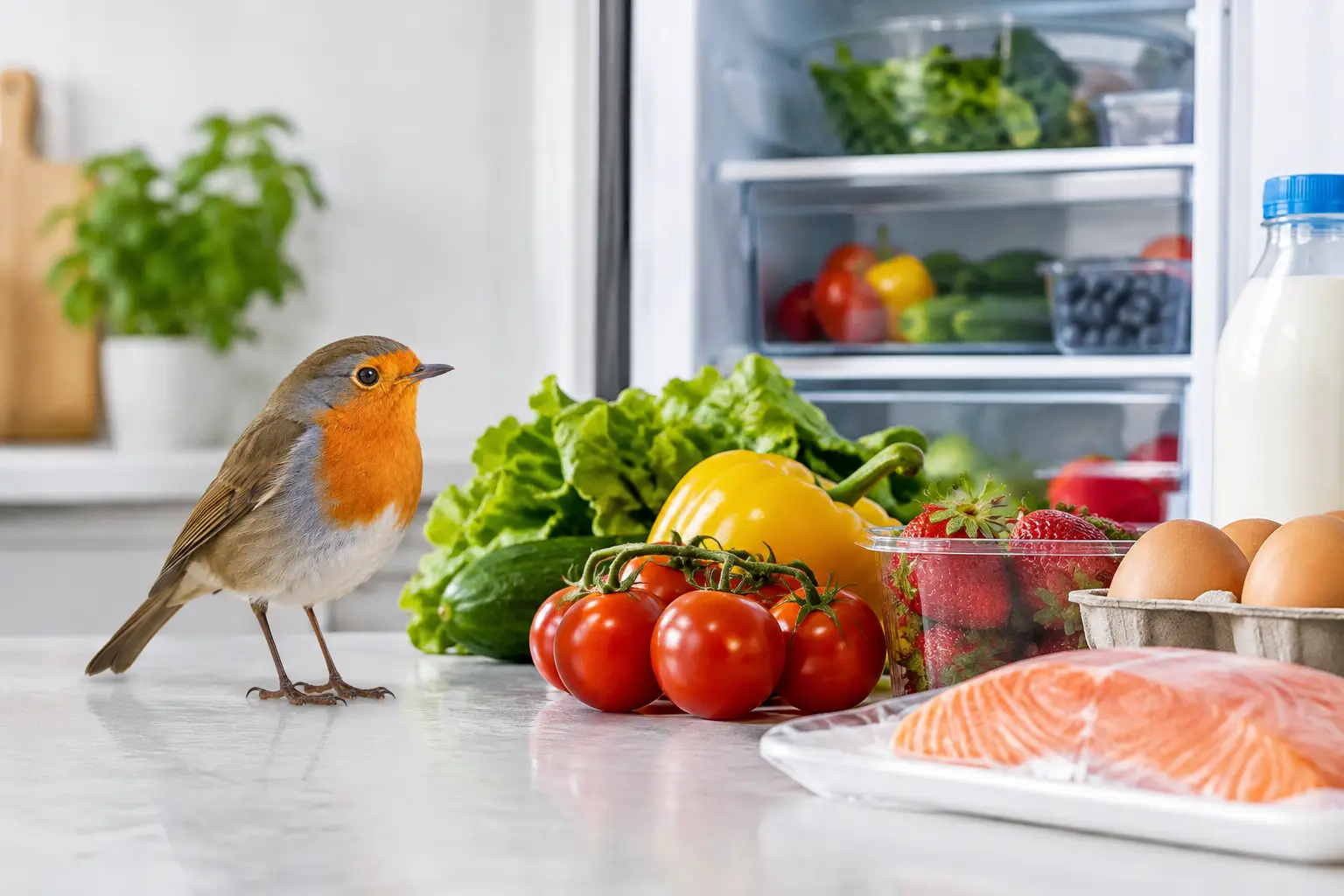
A grocery bag can hold foods with very different storage rules: a jar of peanut butter, a carton of eggs, ripe berries, raw chicken, and a shelf-stable soup carton. Knowing which foods need refrigeration is less about memorizing every item and more about spotting the foods where warmth lets harmful bacteria grow quickly.

For most home refrigerators, the target temperature is 40°F or below. The refrigerator slows bacterial growth, but it does not make food safe indefinitely. Dates, packaging instructions, preparation method, and how long an item sat out all still matter.

Which Foods Need Refrigeration? A Safe Storage Guide

Which Foods Need Refrigeration Right Away?

Foods that are perishable, opened after shelf-stable packaging, or labeled “keep refrigerated” should go into the refrigerator promptly. This includes raw meat and poultry, seafood, milk, yogurt, eggs, soft cheeses, leftovers, and most prepared foods.

The key concern is the temperature danger zone, generally 40°F to 140°F. In that range, certain bacteria can multiply fast enough to create a real food safety risk. Perishable food should not remain at room temperature for more than two hours. If the room or outdoor temperature is above 90°F, that window drops to one hour.

Raw meat, poultry, and seafood

Raw beef, pork, lamb, chicken, turkey, fish, and shellfish all need refrigeration. Put them away as soon as possible after shopping, ideally in a separate bag so juices cannot leak onto ready-to-eat foods.

Store raw meat and seafood on the bottom shelf, in a tray or sealed container. That simple placement helps prevent drips from contaminating produce, drinks, or leftovers. If you will not use the item within a few days, freezing is the safer option.

Do not thaw meat on the counter. Thaw it in the refrigerator, in cold water changed regularly, or in the microwave if you will cook it immediately afterward.

Dairy, eggs, and refrigerated alternatives

Milk, cream, yogurt, cottage cheese, sour cream, and most dairy-based dips need refrigeration. So do plant-based milks, creamers, and yogurts once their labels say they require it. Some unopened cartons are shelf-stable, but after opening, they belong in the refrigerator.

In the United States, eggs should be refrigerated. Keep them in their original carton rather than transferring them to the refrigerator door, where temperatures change more often. The main interior shelves are more stable.

Cheese depends on the type. Soft and fresh cheeses such as cream cheese, ricotta, mozzarella, goat cheese, feta, and Brie need refrigeration. Hard cheeses last longer and are less vulnerable to quick bacterial growth, but they should still be refrigerated for quality and safer storage after purchase or opening.

Butter is a useful exception with limits. Salted butter can often sit out briefly in a covered butter dish for easier spreading, but refrigeration is best for long-term storage. Unsalted butter, whipped butter, and spreads with added ingredients are better kept cold.

Leftovers and prepared meals

Leftovers need refrigeration within the two-hour window, whether they are homemade chili, takeout noodles, rotisserie chicken, pizza, rice, or a restaurant meal. Divide large portions into shallow containers so they cool faster. A deep pot of hot soup may stay warm in the center too long if placed in the refrigerator as one large batch.

Cooked rice, pasta, potatoes, and casseroles are often treated casually because they do not look like high-risk foods. They still need prompt chilling. The same goes for deli salads, prepared sandwiches, meal kits, and foods from a buffet or party table.

Plan to eat refrigerated leftovers within three to four days. Reheat foods thoroughly, and do not rely on smell alone. Food can carry harmful bacteria even when it looks and smells normal.

Produce: What Belongs in the Refrigerator?

Produce is where storage advice gets more conditional. Some fruits and vegetables keep better at room temperature until ripe, while others should be refrigerated right away to preserve safety, texture, or freshness.

Refrigerate berries, grapes, cherries, leafy greens, broccoli, carrots, celery, mushrooms, snap peas, and cut vegetables. Keep berries dry and unwashed until you are ready to eat them, since extra moisture encourages mold. Leafy greens keep best when loosely wrapped or stored in a container that manages excess moisture.

Refrigerate cut melon, sliced tomatoes, chopped onions, cut avocados, and any peeled or chopped fruit or vegetable. Once the protective skin is removed, the food becomes more exposed to contamination and spoilage.

Bananas, whole tomatoes, potatoes, onions, garlic, winter squash, and whole melons can generally remain at room temperature, away from direct sun and heat. However, refrigerate them after cutting. Avocados, peaches, nectarines, pears, and mangoes can ripen on the counter, then move to the refrigerator when ripe if you need extra time before using them.

A practical rule: whole, intact produce often has more flexibility; cut, peeled, cooked, or highly perishable produce needs the refrigerator.

Pantry Foods That Change After Opening

Many items are safe on a shelf until they are opened. The label is the final word, especially for sauces, beverages, and specialty foods.

Shelf-stable canned goods, dry pasta, rice, flour, cereal, unopened jars of nut butter, and unopened boxes of broth usually do not need refrigeration. Once opened, the rules change for many of them. Broth, canned vegetables, canned beans, tomato paste, and canned fruit should be transferred to a covered food-safe container and refrigerated rather than stored in the opened can.

Condiments vary. Ketchup, mustard, mayonnaise, salad dressing, barbecue sauce, and soy sauce may survive some time at room temperature, particularly in restaurant settings where they are used quickly. At home, refrigeration after opening is the safer default and helps maintain flavor. Products containing dairy, eggs, fresh herbs, or lower-acid ingredients should be refrigerated as directed.

Natural nut butters may recommend refrigeration after opening because their oils can separate or turn rancid more quickly. Honey, jam, and many pickles have more flexibility due to their sugar, acid, or salt content, but their labels still deserve a quick check.

Storage Habits That Prevent Food Waste and Illness

A refrigerator can be cold overall while certain spots run warmer. Avoid storing highly perishable foods in the door. Use the door for drinks, butter, and condiments, and reserve the center shelves for milk, eggs, leftovers, and ready-to-eat foods.

Keep raw foods separated from cooked foods. Cover leftovers, label them with the date, and place newer items behind older ones so the foods you need to use first stay visible. An inexpensive refrigerator thermometer can be more useful than guessing whether the appliance feels cold enough.

When shopping, pick up refrigerated and frozen items near the end of the trip. Get them home promptly, particularly during hot weather. If a power outage occurs, keep the refrigerator and freezer doors closed as much as possible. Refrigerated perishable food that has been above 40°F for four hours or more should generally be discarded.

When “Use By,” “Best By,” and Your Senses Disagree

Date labels can be confusing. A “best by” date commonly relates to quality, while a “use by” date may carry more urgency depending on the product and local guidance. Packaging instructions and safe handling directions should take priority over a casual visual check.

Mold, an unusual odor, a swollen package, leaking liquid, fizzing where it should not fizz, or a slimy texture are clear warning signs. But the absence of those signs does not guarantee safety. Do not taste questionable food to test it, particularly meat, seafood, dairy, leftovers, or refrigerated prepared foods.

The most useful habit is simple: treat cold storage as part of meal planning, not an afterthought after unpacking. A few minutes spent refrigerating the right foods, keeping the appliance cold, and labeling leftovers can protect both your grocery budget and the people at your table.

Read More ...


Related Bing News Results
2026 World Cup news live updates: Injuries, storylines as the tournament kicks off
Sun, 28 Jun 2026 08:24:00 GMT
U.S. Soccer COO Dan Helfrich says the 2028 Olympics offer a real shot at gold. With new coach Steve Cherundolo, the plan targets young stars. 2026 VidantaWorld Mexico Open: TV schedule, streaming, how ...
World Cup 2026 news live updates from May 18-22 including squads announcements, injuries and tickets
Mon, 18 May 2026 14:42:00 GMT
There is less than a month before the 2026 World Cup being hosted across North America gets underway. The news agenda remains dominated by spiralling costs facing fans hoping to attend matches in host ...
News of the World: What you missed this week internationally
Sat, 29 Aug 2026 13:51:00 GMT
This may allow them to walk in their shoes. The Kanazawa fire department has warned residents not to disturb the shoes that paramedics remove when entering their homes. In a viral Instagram video that ...
World Cup bracket 2026: Live updated FIFA knockout stages and printable version for download
Sun, 19 Jul 2026 15:14:00 GMT
The biggest FIFA World Cup in history has delivered on intrigue, and now we have a champion. We at Sporting News have soccer fans covered with our 2026 World Cup bracket — or wallchart, as it's known ...
Everything that happened during the second week of the 2026 World Cup as the knockout bracket started to take shape
Sun, 21 Jun 2026 21:04:00 GMT
The 2026 FIFA World Cup is in progress in the United States, Canada and Mexico, and you can follow the latest tournament news and analysis right here. We will be live every minute of every day for all ...

Blow Us A Whistle


RobinsPost Print On Demand Refund Policy With Printify
Printify

Related Product Search/Búsqueda de productos relacionados

Amazon Logo