Labor Day will be observed in the United States on Monday, September 7, 2026. The Labor Day 2026 meaning goes well beyond a long weekend, end-of-summer sales, or the unofficial close of vacation season. It is a federal holiday created to recognize the contributions of American workers and the labor movement that fought for safer workplaces, fairer hours, and greater economic security.
For many households, the day is practical: schools are closing or reopening, travel routes are busy, and employers may operate on a holiday schedule. But its public meaning remains rooted in a larger question: what do workers contribute to the country, and what conditions should make work dignified?
What Labor Day Means in 2026
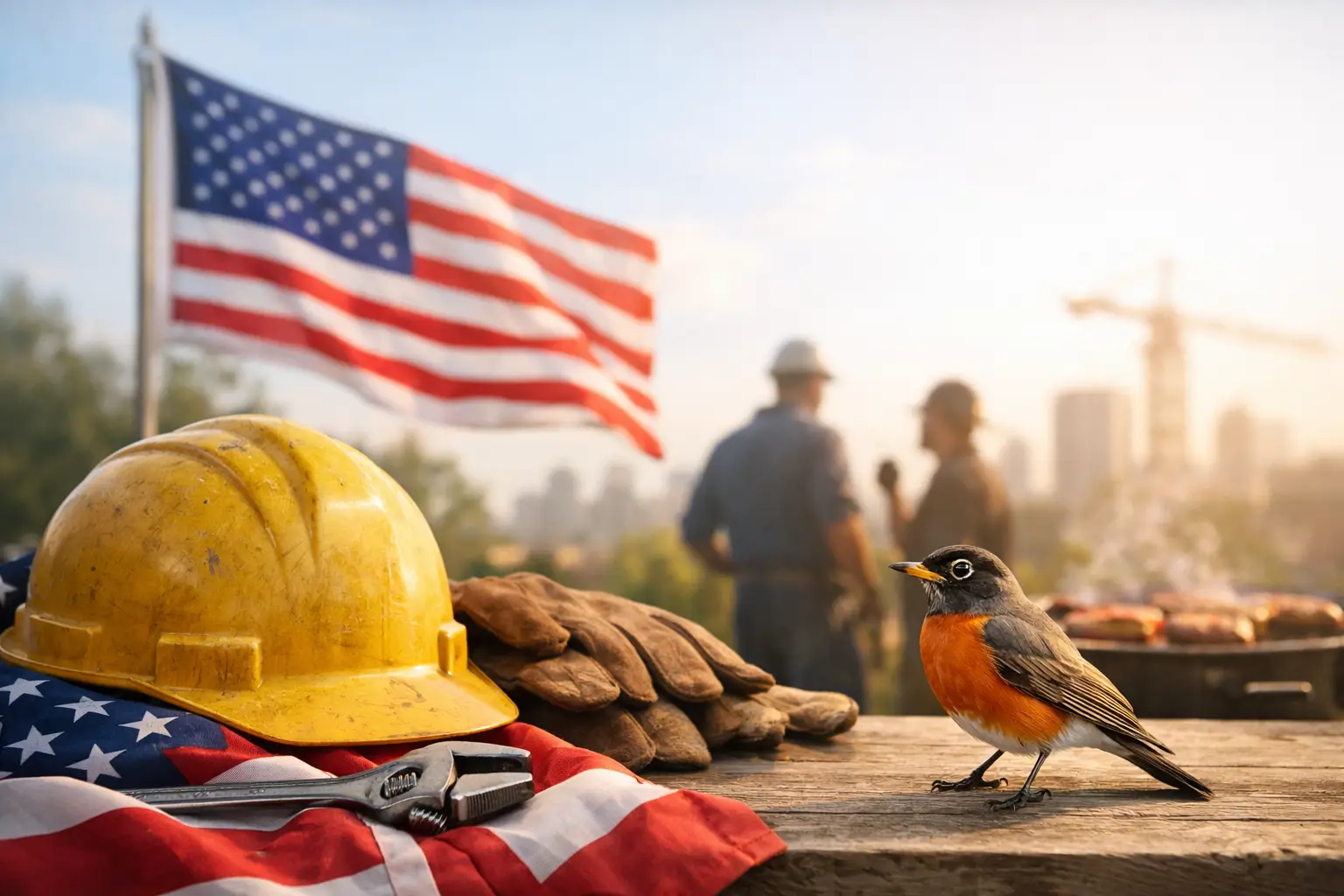
Labor Day honors the social and economic achievements of workers in the United States. It recognizes people across industries, from healthcare and construction to education, retail, transportation, manufacturing, agriculture, technology, and public service. The holiday is not limited to union members, although organized labor played a central role in establishing it.
In 2026, that message lands in a work environment shaped by familiar and newer pressures. Many people are balancing rising living costs, flexible or remote schedules, caregiving responsibilities, workplace automation, changing job requirements, and debates over pay and benefits. Labor Day does not settle those debates. It creates a national pause that puts work, workers, and the value of time outside work into public view.
The holiday also recognizes that workplace standards were not simply handed down. Protections that many Americans now consider normal - such as limits on child labor, the eight-hour workday, workplace safety rules, and overtime protections - emerged through years of advocacy, organizing, legislation, and public pressure. Progress has never been identical across every occupation or community, which is one reason the holiday remains relevant.
Why Labor Day Falls on September 7, 2026
Labor Day is observed on the first Monday in September each year. In 2026, September 1 falls on a Tuesday, making Monday, September 7, the first Monday of the month.
The fixed Monday observance means that most federal offices, post offices, banks, and many schools will close, while many private employers also give workers the day off. However, a federal holiday does not require every business to close or require every employer to provide paid leave. Hospitals, emergency services, hotels, restaurants, retailers, airlines, warehouses, and other essential or customer-facing operations may continue to run.
Whether someone receives holiday pay, premium pay, or a substitute day off depends on their employer's policy, employment agreement, union contract, and applicable state and local rules. For workers scheduled on Labor Day, the holiday can be a reminder that the economy depends on people whose jobs cannot pause when much of the country is off.
The History Behind the Holiday
Labor Day grew out of the American labor movement in the late 19th century, a period when industrial jobs often involved long hours, low wages, hazardous conditions, and limited legal protections. Early Labor Day events included parades, speeches, and community gatherings designed to show the public strength and importance of working people.
New York City held one of the earliest widely recognized Labor Day parades in 1882. Other states adopted the observance in the years that followed. In 1894, Congress made Labor Day a federal holiday, setting its annual observance for the first Monday in September.
The origins matter because the holiday was not initially designed as a general day of leisure. Rest and recreation were part of it, but so were public visibility and collective recognition. Marching workers made a point that can seem obvious only in retrospect: the nation's growth, infrastructure, services, and wealth depend on labor.
That history also explains why Labor Day has a different place in the calendar from May 1, known internationally as International Workers' Day or May Day. Many countries mark worker solidarity and labor rights on May 1. The United States established Labor Day in September, giving the country its own official annual observance while labor movements continued to use May 1 for demonstrations and remembrance.
Labor Day 2026 Meaning for Families and Communities
For families, Labor Day often marks a transition. Summer travel and outdoor events are still possible in much of the country, yet the school year, fall sports, and a busier work routine are often underway. Community parades, neighborhood cookouts, local fairs, and final summer weekends give the holiday a relaxed feel.
That enjoyment is part of the point. Time away from work has value in itself. A holiday can recognize workers not only by celebrating productivity, but by protecting room for family, rest, recreation, and community life.
Still, the experience varies widely. A salaried office employee, a freelancer, an hourly retail worker, a gig driver, and a nurse working a twelve-hour shift may all encounter Labor Day differently. Some receive paid time off; some rely on the extra customer traffic; some have no choice but to work. A meaningful observance leaves room for those differences instead of assuming everyone shares the same long weekend.
More Than Sales and Travel
Labor Day promotions are now a major part of the holiday weekend. Retailers advertise seasonal discounts on appliances, mattresses, clothing, outdoor gear, and back-to-school items. Travel demand can also increase as people fit in one more summer trip.
There is nothing inherently wrong with shopping or taking a break. But commercial activity can overshadow the reason the holiday exists. Consumers who want to keep the original meaning in view can consider the people behind the services they use. That may mean planning ahead for holiday hours, being patient with staff, tipping appropriately where customary, and treating workers with basic respect during a busy weekend.
Employers can do the same through clear schedules, fair staffing, transparent holiday-pay policies, and realistic expectations. A public message about appreciating workers carries more weight when it is matched by everyday decisions about workload, pay, safety, and time off.
Questions Often Asked About Labor Day 2026
Is Labor Day 2026 a federal holiday?
Yes. Monday, September 7, 2026, is a U.S. federal holiday. Federal government offices generally close, and many other institutions follow the same schedule. Check directly with a local office, school district, delivery service, or employer for its specific hours.
Does Labor Day celebrate all workers or only unions?
It celebrates American workers broadly. Unions and labor organizations were instrumental in the holiday's creation and remain central to many workplace-rights conversations, but Labor Day recognizes workers across unionized and nonunionized jobs.
Why is Labor Day called the end of summer?
It is more cultural shorthand than an official seasonal rule. Labor Day weekend traditionally signals the final major summer holiday period, especially for school calendars, travel, and retail. Summer does not end astronomically until later in September.
Is Labor Day the same as Memorial Day or Veterans Day?
No. Memorial Day honors U.S. service members who died in military service. Veterans Day honors all U.S. military veterans. Labor Day focuses on the contributions and achievements of workers.
A Useful Way to Observe the Day
The most practical Labor Day 2026 meaning may be found in paying attention to the work that usually fades into the background. Consider who keeps a community moving during a holiday weekend: transit operators, utility crews, first responders, hospitality teams, delivery workers, caregivers, and store employees, along with those who are able to take the day off because of hard-won workplace benefits.
Enjoy the long weekend if it is available to you. Then carry a little of its purpose into Tuesday: ask whether the work around you is being recognized fairly, whether people have enough time to live beyond their jobs, and what respect for workers looks like in ordinary daily choices.