Rockin Robin SongFlying The Web For News.


Global World Topics

Why Promotional Products Are So Important for Businesses

Promotional products play a crucial role in business marketing strategies, serving as tangible reminders of a brand’s identity and values. These items, from custom pens to tote bags, enhance brand visibility while fostering customer loyalty and engagement. When effectively integrated into a marketing plan, promotional products can influence consumer behavior, encourage repeat purchases, and create positive associations with a brand.

Let’s look at why promotional products are so important for businesses and how they can contribute to a company’s success.

Enhance Brand Visibility

One of the main reasons promotional products are so important for businesses is that they increase brand visibility. Putting a logo or message on an item that people use every day, such as a mug or T-shirt, helps businesses reach a wider audience and regularly reminds consumers of their brand. This exposure is especially effective for frequently used products often seen by others.

Foster Customer Loyalty

Promotional products also play a significant role in fostering customer loyalty. When customers receive useful, high-quality items from a business, they positively associate them with the brand. These products can also serve as a token of appreciation for customers, making them feel valued and more likely to continue supporting the brand.

In fact, studies have shown that customers who receive promotional products are more likely to do business with a company again.

Encourage Repeat Purchases

In addition to fostering loyalty, promotional products can also encourage repeat purchases. Offering a useful or desirable item as a gift with a purchase helps businesses entice customers to make another purchase to receive the product.

Retail stores and online shops commonly use this strategy, as customers are more inclined to buy something if they feel like they’re getting additional value from their purchase.

Influence Consumer Behavior

Promotional products have the power to influence consumer behavior. Offering a promotional item as an incentive for completing a desired action, such as signing up for a newsletter or attending an event, helps businesses drive consumer behavior and achieve marketing goals. Businesses can increase website traffic, generate more leads, and increase social media engagement.

Keep Marketing Affordable

With a low cost per impression and high potential reach, promotional products provide businesses with a cost-effective way to increase brand visibility and engage with customers compared to traditional advertising. Promotional products are also customizable to fit any budget and allow for more precise, specific audience targeting.

Promotional products are an important aspect of any business marketing strategy. They enhance brand visibility, foster customer loyalty, encourage repeat purchases, and influence consumer behavior.

Whether you’re interested in giving away promotional calendars or branded water bottles, promotional products serve as an effective and cost-efficient way to promote your brand and achieve your marketing objectives.


Bio: Casey is a passionate copyeditor highly motivated to provide compelling SEO content in the digital marketing space. Her expertise includes a vast range of industries from highly technical, consumer, and lifestyle-based, with an emphasis on attention to detail and readability.


More News From This Category
Why Flights Are Delayed: Common Causes Explained
Tue, 10 Nov 2026 05:10:41 +0000

A departure board can change from “on time” to “delayed” in minutes, sometimes while the sky above the airport looks perfectly clear. If you are asking why flights delayed, the answer is usually not one dramatic failure. Air travel runs on tightly connected schedules, aircraft rotations, crews, airport gates, weather systems, and air traffic control decisions. A problem in one part of that network can affect a flight several states away.

For travelers, the most useful question is not simply whether a delay is happening. It is what kind of delay it is, how long it may last, and what options are available before the disruption grows.


Why Flights Are Delayed: Common Causes Explained

Why Flights Are Delayed Even on Clear Days

Weather gets much of the blame, and for good reason, but clear weather at your departure airport does not mean the flight can leave on schedule. Your aircraft may be arriving from an airport dealing with thunderstorms, low visibility, high winds, snow, or a ground stop. It may also need to fly through congested or storm-affected airspace on its next route.

Airlines operate aircraft in sequences. A plane that lands late in Chicago may be scheduled to continue to Dallas, then Denver, then Los Angeles. If the first flight is delayed, each later departure can be affected unless the airline has another aircraft and crew available. That is why an airline may describe your delay as a “late-arriving aircraft.” It is often the most direct explanation of a disruption that began somewhere else.

A short delay can also become longer during the turnaround period. After passengers leave, the aircraft needs cleaning, catering, fuel, baggage loading, a crew handoff, and safety checks. At busy airports, it may also need to wait for an open gate or a ramp crew. None of these tasks is optional, and each depends on people and equipment being in the right place at the right time.

Weather Can Disrupt More Than the Runway

Severe weather is the most visible source of flight delays, particularly during summer thunderstorm season and winter storms. Lightning can force ramp workers to pause baggage handling and aircraft servicing. Strong winds can limit runway operations. Low clouds and fog can reduce visibility, requiring more space between arriving and departing planes.

Thunderstorms are especially disruptive because they affect large sections of airspace, not just one airport. Air traffic controllers may reroute planes around storm cells, adding miles and time to a route. When many aircraft need the same alternate path, the system slows down. Airlines may hold flights at the gate to avoid having too many planes waiting on the taxiway or circling near their destination.

Winter weather brings a different set of problems. Deicing takes time and must be completed close enough to departure that the treatment remains effective. Snow and ice removal can limit runway capacity, while freezing conditions may slow baggage handling and aircraft inspections. Even locations that rarely see snow can experience major disruption when equipment and staffing are stretched.

Air Traffic Congestion and Control Restrictions

The United States has some of the world’s busiest airports and air corridors. During peak travel periods, air traffic control must balance safety with a constant flow of departures, arrivals, and aircraft crossing through shared airspace.

When an airport becomes congested, controllers can introduce a ground delay program or ground stop. A ground delay program assigns later departure times to flights headed for a crowded airport, spacing arrivals so the destination can handle them safely. A ground stop is more serious: flights may be temporarily held at their departure airports because the destination cannot accept arrivals.

These measures can be frustrating from a gate seat, but they are designed to prevent worse congestion in the air and on the ground. A flight that waits at the gate usually gives passengers better access to restrooms, food, and rebooking support than one that pushes back and waits on the taxiway for hours.

Airport infrastructure can add pressure as well. Runway construction, closed taxiways, equipment outages, and limited gates reduce the number of aircraft an airport can process. Large hubs are particularly vulnerable because delays can quickly spread through connecting flights and aircraft rotations.

Crew Timing Rules Matter

Airline crews work under strict federal duty and rest rules. Pilots and flight attendants can only work for a limited period before they must receive required rest. If an earlier delay pushes a crew close to its legal duty limit, the flight may need a replacement crew.

Finding one is not always quick. A qualified pilot or flight attendant must be available, properly assigned, and able to reach the aircraft. If the airport is already affected by widespread weather or cancellations, reserve crews may be limited. This is one reason a delay can change unexpectedly from 30 minutes to several hours.

Crew-related delays are often misunderstood as a staffing choice. In reality, airlines cannot simply ask a crew to continue once legal limits are reached. Those rules exist to protect passengers and crew members alike. The trade-off is that the system has less flexibility when a day of delays compounds.

Maintenance Delays Are Often a Safety Decision

A maintenance delay can sound alarming, but it does not automatically mean an aircraft is unsafe. Airlines and crews are required to investigate reports, warning messages, or equipment concerns before departure. Sometimes the solution is a quick inspection or part replacement. Other times, the aircraft must be taken out of service and replaced.

Modern aircraft are built with backup systems, and some items can be addressed under approved maintenance procedures. Still, the decision belongs to trained maintenance professionals and the flight crew, not the departure schedule. A delay caused by a careful inspection is preferable to a rushed departure.

Maintenance issues can be especially disruptive late in the day. If there is no spare aircraft at the airport, an airline may need to move another plane into position or cancel the flight. Travelers with an early morning departure often have more recovery options than those on the final flights of the evening.

Gates, Baggage, and the Ground Operation

Not all delays happen before takeoff. A flight can land on time and still keep passengers seated because its assigned gate is occupied. This may happen when another arriving aircraft is delayed, a departing flight has not pushed back, or airport ramp operations are slowed by weather.

Baggage loading, fueling, catering, and cleaning also operate on narrow schedules. At a major airport, dozens of flights may need the same ground resources at once. A late fuel truck, unavailable baggage belt loader, or delayed wheelchair assistance can affect departure timing. These details rarely make headlines, but they are central to getting an aircraft ready safely and legally.

What to Do When Your Flight Is Delayed

Start by checking the airline’s app or website rather than relying only on the airport board. Airlines often post gate changes, revised departure times, and rebooking choices there before announcements reach the terminal. If your delay is caused by a late-arriving aircraft, look up that incoming flight to see whether it has departed and where it is coming from.

If a delay threatens a connection, act early. Check alternate flights, including flights from nearby airports if that is practical. Calling the airline, using in-app chat, and speaking with a gate agent can produce different results depending on wait times and available inventory. Be polite but specific: state your final destination, connection time, and whether you have a time-sensitive reason to arrive.

For long disruptions, save receipts for reasonable meals, lodging, and transportation. Whether an airline provides vouchers or reimbursement depends on the carrier’s policy and the cause of the delay. Weather and air traffic control delays are generally treated differently from controllable airline problems such as a crew scheduling or maintenance issue.

Travel insurance, credit card trip-delay coverage, and flexible tickets can help, but coverage terms vary. Review them before a trip, especially for international flights, cruises, weddings, or events where arriving a day late is not workable.

A Delay Is Information, Not Just Lost Time

Flight delays are an unavoidable part of a transportation system built around safety, shared airspace, and complex daily schedules. The reason listed on a screen may be brief, but the real cause can involve conditions far beyond the gate.

When possible, book earlier flights, allow extra time for connections, and keep essential medication, chargers, documents, and a change of clothes in your carry-on. Those small decisions will not stop a storm or clear a crowded runway, but they can give you more choices when the schedule stops moving.

Read More ...


How to Spot Scam Adverts Before You Click
Mon, 09 Nov 2026 05:10:19 +0000

A convincing scam ad does not usually look like a scam. It may appear between legitimate headlines, inside a social media feed, at the top of a search page, or beside a product you were already considering. Learning how to spot scam adverts means slowing down just long enough to check the claim, the advertiser, and the destination before handing over money or personal details.

Scammers follow attention. When a major news event, celebrity story, health trend, tax deadline, or popular product dominates online conversation, fake advertisers often build campaigns around it. Their goal is rarely to persuade you over time. They want a quick click, an impulse purchase, a login, or information they can use later.


How to Spot Scam Adverts Before You Click

Why scam ads can look legitimate

Online advertising systems process huge volumes of material. Major platforms use review processes and automated detection, but misleading ads can still appear before they are removed. A paid placement is not proof that a business, offer, or product has been independently verified.

Scam advertisers also borrow the visual language people trust. They may use polished product photos, professional logos, familiar retail colors, copied customer reviews, countdown timers, and phrases such as “limited stock” or “exclusive offer.” Some impersonate real stores, banks, delivery firms, government agencies, charities, or news organizations.

The most effective scams add a sense of urgency. A message saying your account will close today, a package cannot be delivered, or an investment opportunity is about to disappear is designed to keep you from checking the details. Real organizations can send time-sensitive messages too, so urgency alone is not a verdict. It is a reason to verify through a separate channel.

How to spot scam adverts in a busy feed

Start with the offer itself. Ask whether the price, promise, or outcome makes sense. A new high-demand phone for a fraction of its normal cost, guaranteed investment returns, a miracle health treatment, or a luxury item with no credible seller information should trigger skepticism.

Then look beyond the image and headline. Scam ads often reveal themselves in the small details: awkward grammar, strange capitalization, blurry logos, inconsistent currency, or a brand name that is almost, but not quite, correct. A missing letter or an added word in a company name can lead to a lookalike site built to collect card details.

Pay attention to these common warning signs:

  • Prices that are dramatically lower than every established retailer.
  • Claims of guaranteed profits, instant approvals, cures, prizes, or results with no realistic conditions.
  • Pressure to act immediately through a countdown, threat, or “last chance” message.
  • Requests to pay by cryptocurrency, wire transfer, gift card, payment app transfer, or other hard-to-reverse method.
  • A website with no clear company address, working customer service route, return policy, or privacy information.

One warning sign may indicate poor marketing rather than fraud. Several together are a strong reason to leave the page. Good consumer judgment is not about assuming every unfamiliar business is dishonest. It is about recognizing when the risk is too high to proceed without more evidence.

Check where the ad sends you

The click destination matters as much as the advertisement. Before entering a password, address, or payment information, examine the web address carefully. Does it match the company you believe you are visiting? Fraudulent addresses may add extra words, switch letters, use unusual endings, or place the real brand name inside a longer, unrelated domain.

Do not rely only on a padlock icon or an address beginning with “https.” Those features mean the connection is encrypted, not that the business is trustworthy. Many scam sites use them.

A safer approach is to open a new browser tab and search for the company independently. Use the official site you find there rather than the ad link. If the offer is real, it should often be visible through the company’s own site, verified social accounts, or established retail partners. If it is not, contact the company using a phone number or support page you locate yourself.

For shopping ads, review the basics before buying. Read the return policy closely, check whether contact details are specific, and look for independent discussion of the seller. Be cautious with a store that has only glowing reviews on its own pages, particularly if every review uses similar wording or was posted within a short period.

Be extra careful with familiar names and faces

Impersonation is a major reason scam ads work. A fake ad may display the logo of a recognizable retailer or use a photo of a television personality, financial expert, doctor, or public official. It may claim that a well-known news outlet reported on a product or investment when no such reporting exists.

Treat a celebrity image or a news-style layout as advertising material, not evidence. Images can be copied, edited, or generated. Quotes can be invented. A genuine article is normally available through the publisher’s own search function or official channels, while a fake page often sends readers immediately to a payment form or lead-generation questionnaire.

This also applies to ads that claim to represent government services. Government agencies generally do not demand immediate payment through gift cards, cryptocurrency, or text-message links. If an ad mentions a tax refund, benefit payment, license issue, or legal penalty, go directly to the relevant agency’s official website instead of using the ad.

Watch for the data grab, not just the purchase

Not every scam advert is trying to sell a nonexistent product. Some are built to harvest names, email addresses, phone numbers, account credentials, or card details. A quiz promising a prize may be collecting personal data. A job ad offering unusually high pay may be gathering identification documents. A fake customer survey may lead to subscription charges hidden behind a “small shipping fee.”

Consider whether the information requested is proportionate. A retailer needs delivery and payment details when you place an order. It does not need your banking password. A recruiter may ask for a résumé during an application process, but should not require a Social Security number or direct-deposit information before you have verified the employer and received a real offer.

Use a unique password for every important account and turn on multi-factor authentication where available. These habits will not prevent every scam, but they reduce the damage if credentials are exposed through a deceptive ad or website.

What to do if you clicked or paid

Clicking an ad does not automatically mean you have been scammed. Close the page if something feels wrong, and do not download files, install apps, or enter more information. If you entered a password, change it immediately on the real service website, especially if you reuse that password elsewhere.

If you shared card details or made a payment, contact your bank or card issuer promptly. Explain that you may have responded to a fraudulent advertisement and ask what protections, transaction disputes, or card replacement steps are available. Keep screenshots of the ad, web address, messages, receipts, and transaction records. They can help your financial institution and any reporting process.

Report the ad on the platform where you saw it. You can also report suspected fraud to the appropriate consumer protection and law enforcement channels in your area. Reporting may not recover a loss by itself, but it can help remove harmful campaigns before they reach more people.

A practical pause before every click

The fastest protection is a short pause: Is this offer believable? Who is behind it? Where does the link actually lead? Can I verify it without using the ad? Those questions fit whether you are browsing a news stream, watching video content, comparing deals, or searching for everyday services.

The web moves quickly, and advertisers want quick decisions. Give yourself permission to take the extra minute. A genuine opportunity will stand up to a closer look; a scam usually depends on you never taking one.

Read More ...


Food Stamps vs SNAP Benefits Requirements
Sun, 08 Nov 2026 11:10:01 +0000

A grocery bill does not care what a program is called. For families trying to stretch a food budget, the practical question behind food stamps vs SNAP benefits requirements is simple: are these different programs, and do the rules change? In nearly every case, the answer is no. “Food stamps” is the familiar older name, while SNAP is the current federal program name.

SNAP stands for Supplemental Nutrition Assistance Program. Benefits are loaded onto an Electronic Benefit Transfer, or EBT, card and can be used for eligible grocery purchases. States administer the program, so application systems and some policy details vary, but the core federal eligibility framework is broadly the same nationwide.


Food Stamps vs SNAP Benefits Requirements

Food stamps vs SNAP benefits requirements: Is there a difference?

There is no separate set of “food stamp requirements” and “SNAP requirements.” If a state offers food assistance through SNAP, the eligibility standards apply whether a person calls the benefit food stamps, EBT, or SNAP.

The terminology can still cause confusion because some states use their own names for the program or card. A state might promote a nutrition assistance program under a local brand, but it is generally still operating under SNAP rules. The benefit is not a cash payment, and the EBT card cannot normally be used for rent, household supplies, alcohol, tobacco, hot prepared foods, or restaurant meals.

A small number of people may qualify for special state programs, emergency food assistance, or nutrition benefits aimed at seniors, women, infants, and children. Those programs have their own standards. They should not be confused with SNAP simply because they help households buy or access food.

The requirements that usually determine SNAP eligibility

SNAP offices look at a household’s circumstances, not only one applicant’s paycheck. That means who lives together, who buys and prepares food together, and which income and expenses the household has can all affect a decision.

Household rules come first

For SNAP purposes, a household is often made up of people who live together and usually buy and prepare meals together. Spouses who live together and most children under 22 living with a parent are generally counted in the same SNAP household, even if they say they prepare food separately.

Other living arrangements can be less straightforward. Roommates who purchase and cook their food separately may apply as separate households. An adult who lives with relatives but purchases meals independently may also be treated differently from a household that shares a kitchen and food budget. People who are elderly or disabled and live with others can have special options in certain circumstances.

This distinction matters because SNAP compares household income and expenses against household size. Adding a household member can raise the income limit, but their income may also be counted.

Income limits are central, but not the whole story

Most applicants should expect an income review. SNAP commonly considers gross income, which is income before deductions, and net income, which is income after allowed deductions. The figures are adjusted periodically and vary by household size, so an income chart from a past year can be misleading.

Countable income can include wages, self-employment earnings, unemployment benefits, Social Security in many cases, child support received, and certain other payments. The agency may also examine irregular income, such as seasonal work or variable gig earnings, by averaging income over a period of time.

Allowed deductions can make a major difference. Depending on the household, they may include a standard deduction, a portion of earned income, verified child care costs needed for work or training, child support paid, and qualifying medical expenses for older or disabled members. Households may also receive a shelter deduction when rent, mortgage payments, property taxes, utilities, and related costs are high relative to income.

A family should not assume it earns too much without applying or checking the current state screening tool. High housing costs, child care bills, or medical expenses can change the outcome.

Savings and assets may matter in some cases

Resources such as cash in a bank account, certain investments, or property other than a primary home can be reviewed. However, asset rules are not identical in every state. Many states use options that reduce or remove an asset test for many applicants, while some households remain subject to federal resource rules.

A home where a person lives is generally not treated like available savings. Vehicles, retirement accounts, and property can also receive different treatment depending on the state and household situation. Applicants should report resources honestly and let the SNAP agency determine what counts.

Work requirements apply to some adults

Work rules are one of the most frequently changing parts of SNAP policy. Many adults are expected to register for work, accept suitable employment, avoid voluntarily leaving a job without good cause, and participate in employment or training activities if assigned.

There are additional time-limit rules for certain adults who do not have dependent children or a qualifying exemption. The details can change with federal law, state waivers, local labor conditions, age thresholds, and individual circumstances. Pregnancy, a disability, caring for a young child or an incapacitated person, and participation in certain education or treatment programs may affect whether a person is exempt.

Do not rely on a headline or social media post to decide that a work rule applies to you. A local SNAP agency can explain the rule currently in force and whether an exemption fits your case.

Citizenship and immigration status are reviewed

Applicants must provide information about citizenship or eligible immigration status for each person seeking benefits. U.S. citizens and many qualified noncitizens may be eligible if they meet the other program rules. Some lawfully present immigrants face waiting periods, while children, refugees, people granted asylum, veterans, and other groups can be subject to different rules.

A household can apply for eligible members even if not every person in the home is applying. Parents or guardians may apply on behalf of eligible children. SNAP agencies generally do not require non-applicant household members to disclose a Social Security number, but their income may still be relevant when it helps determine the applying household’s eligibility.

What applicants should be ready to provide

The application process usually begins online, by phone, by mail, or at a local benefits office. Most states then schedule an interview, often by phone. The agency may ask for proof of identity, address, household members, income, work status, rent or mortgage costs, utilities, child care expenses, medical expenses, and immigration status for applicants who are not citizens.

Bring or upload what is available, but do not delay an application just because every document is not ready. In many states, the date a signed application is received can protect the starting date for benefits if the household is later found eligible. The agency can request follow-up documents.

Households with very little income or limited resources may qualify for expedited SNAP processing. This can provide a faster decision for people facing an immediate food emergency. The exact screening test varies, but applicants should clearly state if they have little money for food.

Why the benefit amount can differ from one household to another

Eligibility is not a guarantee of the maximum monthly benefit. SNAP calculates a benefit amount using household size, countable net income, and deductions. A household with income may receive a smaller monthly amount than a household of the same size with no income, even when both qualify.

Benefits also change when circumstances change. A new job, reduced work hours, a child moving into or out of the home, a rent increase, or the end of child care costs can affect the monthly amount. States require recipients to report certain changes and to renew or recertify their case periodically. Missing a renewal notice is a common reason benefits stop, even when the household may still qualify.

A practical way to approach an application

Start with the official SNAP application for the state where you live, not a third-party site charging a fee. Answer based on current facts, estimate only when the form allows it, and keep copies of submitted documents and notices. If a denial or benefit calculation seems wrong, read the notice carefully because it should explain appeal rights and deadlines.

Rules can shift as federal guidance and state policies change, particularly around income standards, work requirements, and eligibility for specific immigrant groups. The clearest next step is to apply or request a screening using the household’s real income, expenses, and living arrangement. A complete, timely application gives the SNAP office the information it needs to make the right call.

Read More ...


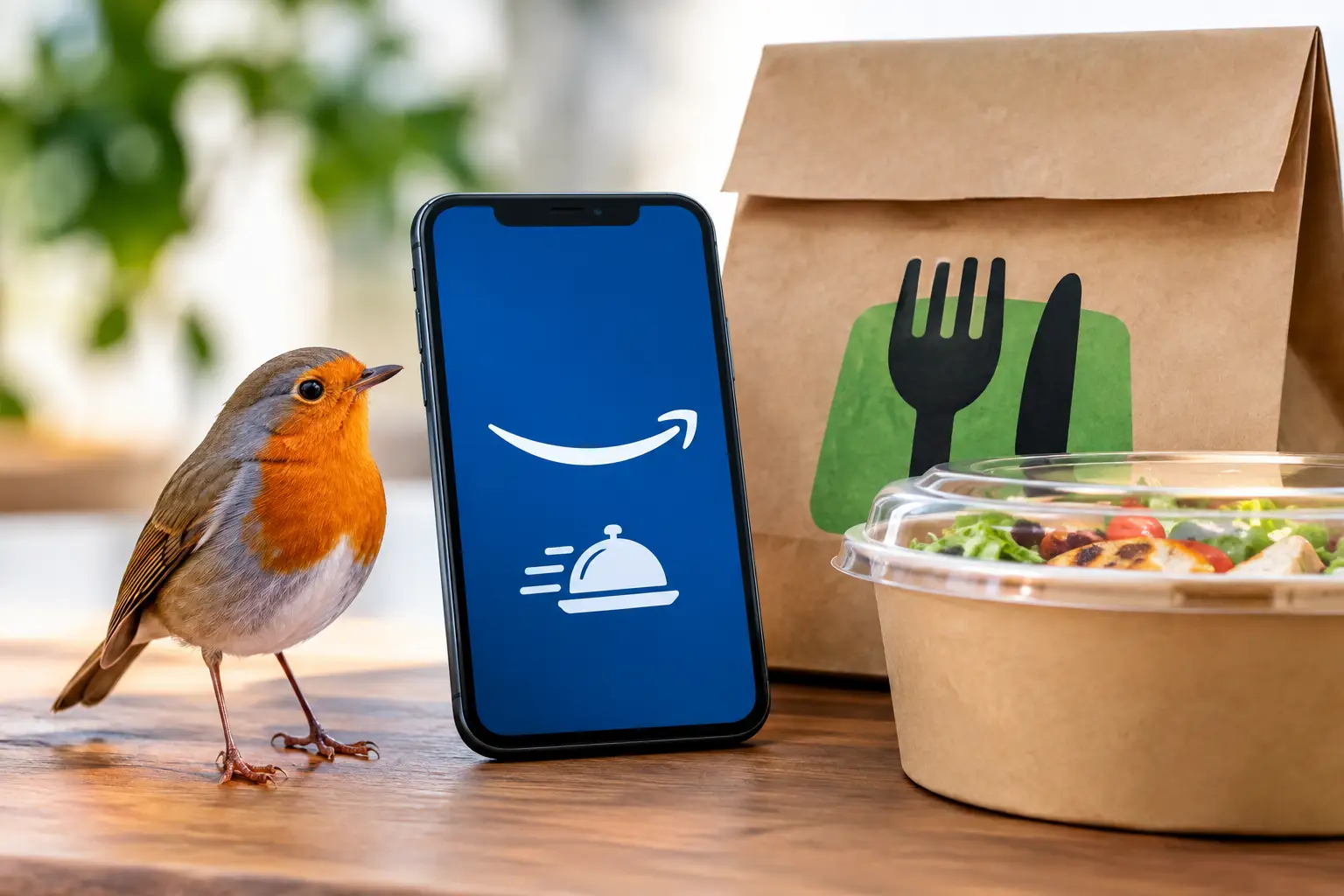
Amazon Prime Swaps Grubhub+ for Uber Eats Delivery Perk
Sun, 08 Nov 2026 11:10:01 +0000

Amazon Prime Swaps Grubhub+ for Uber Eats Delivery Perk, putting a familiar membership benefit at the center of a much bigger question for customers: will the new option actually save money on the meals, groceries, and convenience items they order most often?

For Prime members who used Grubhub+ regularly, the change is more than a logo swap in a benefits page. Restaurant selection varies sharply by neighborhood, delivery fees are only one part of an order total, and an offer that looks valuable on paper can be less useful if favorite local restaurants are not available. For Uber Eats users, however, a Prime-linked delivery benefit could make an already common ordering app more attractive.


Amazon Prime Swaps Grubhub+ for Uber Eats Delivery Perk

The practical takeaway is simple. Prime members should check the terms of the Uber Eats offer, compare the local restaurant selection, and look closely at the fees that remain before treating the perk as a replacement for every food-delivery cost.

Why Amazon Prime is swapping Grubhub+ for Uber Eats

Delivery partnerships give large membership programs a way to offer an everyday benefit without building their own nationwide network of restaurant couriers. For Amazon, food delivery is a high-frequency service that can help make Prime feel useful between retail purchases, streaming sessions, and other member offers.

A move from Grubhub+ to an Uber Eats delivery perk also reflects how competitive the delivery market has become. The value of an app depends on more than its headline membership fee. Customers want nearby choices, reliable driver coverage at busy times, accurate delivery estimates, and enough eligible merchants to make a benefit worth remembering.

Uber Eats brings a broad delivery ecosystem that can include restaurants as well as grocery, convenience, alcohol where permitted, and retail orders in some markets. Availability is local, not universal. A Prime member in a large metro area may see a very different Uber Eats catalog from someone in a smaller city or suburban community.

That is why the benefit should be judged by actual use rather than by its stated value. A monthly perk is only meaningful if it applies to the orders a household would have placed anyway.

What Prime members should expect from an Uber Eats delivery perk

The exact terms matter more than the headline. Delivery benefits commonly apply only to eligible merchants, may require a minimum order subtotal, and can exclude taxes, tips, certain service charges, or specialized delivery fees. Promotional offers can also have expiration dates, account requirements, and geographic limits.

Prime members should look for the answers to a few basic questions in their Amazon and Uber Eats account details. Is the offer an included Uber One-style membership, a credit, or a limited delivery-fee promotion? Does it cover restaurants only, or does it extend to grocery and convenience orders? Is it available to both new and existing Uber Eats users? And what happens to any current Grubhub+ benefit during the transition?

Those details affect the real value. A waived delivery fee can be helpful, but an order may still include service fees, small-order fees, local charges, menu markups, and a tip. The cost of a delivered meal is rarely limited to the price printed next to the restaurant item.

There is also a behavioral factor. A delivery benefit can encourage more frequent orders because the checkout page feels less expensive. For some households, that is convenient and worthwhile. For others, the savings on delivery fees may be offset by ordering more often than planned.

The Grubhub+ transition may not be identical for every member

Members should avoid assuming that a new Uber Eats offer automatically means identical coverage, identical savings, or an immediate end to every Grubhub-related benefit. Partnership transitions can have enrollment windows, grandfathering rules, or separate eligibility requirements.

If a customer has already connected Prime and Grubhub accounts, it is sensible to review the current account status rather than canceling anything based solely on a headline. Check notices in the Prime benefits area and within the delivery app, then keep a record of any renewal date or trial period attached to a separate paid membership.

Customers who pay directly for Grubhub+ or Uber One should be especially careful. An included Prime perk and a standalone subscription may not work the same way, and duplicate memberships can create unnecessary charges. Before making a change, confirm whether the Prime-linked offer replaces, extends, or sits alongside an existing plan.

How to compare Uber Eats with Grubhub+ in your area

The best delivery app is often the one with the strongest local network, not the one with the flashiest national deal. Open both services and search for the restaurants your household orders from most frequently. Then compare the same basket at roughly the same time of day.

Pay attention to the final total, not just the delivery line. Menu prices can differ by platform, and one service may offer a restaurant-specific deal that changes the math. A $0 delivery fee does not necessarily produce the lower checkout price if menu items or service fees are higher.

Delivery reliability deserves equal attention. In some areas, Uber Eats may have more active drivers and faster estimated arrival times. In others, Grubhub may have better independent restaurant coverage or more familiar local spots. Friday night demand, bad weather, and major local events can change the experience as well.

For households that also use delivery for groceries or forgotten household basics, Uber Eats may offer broader practical value if local non-restaurant merchants participate. But a customer who mainly orders from one or two restaurants should focus on whether those businesses are eligible for the Prime-linked benefit. General platform size does not help much if the preferred places are excluded.

Fees still matter after the delivery perk

Food-delivery promotions are often described in the simplest possible terms, but the checkout screen is where the real comparison happens. Delivery fees, service fees, regulatory charges, bag fees, priority delivery options, and tips can appear separately. Some fees are set by the platform, while others may be tied to local regulations or merchant arrangements.

Tips should not be treated as a fee to eliminate. Drivers rely on tips, and a membership benefit is not a reason to reduce compensation for the person completing the delivery. Instead, use the perk to decide whether ordering delivery fits the budget on that occasion.

Minimum-order rules can also shape behavior. If an offer requires a subtotal threshold, adding items just to qualify may erase the savings. The same is true of ordering small convenience purchases that carry a premium compared with a planned supermarket trip.

A useful habit is to compare two figures before placing an order: the total with the Prime-related benefit and the total without it. After a few orders, the pattern becomes clear. Some customers will find that the benefit is valuable for weekly family meals or occasional grocery emergencies. Others may find it is best reserved for high-demand days when the time savings matter most.

What this change says about Prime membership value

Prime has grown into a package of shipping, entertainment, retail, and partner benefits rather than a single delivery promise. That can be useful, but it also means the value of membership is personal. A household that watches Prime Video, receives frequent retail deliveries, and orders food through an eligible app may see strong value. Someone who uses only one feature may reach a different conclusion.

The Uber Eats perk is best viewed as one moving part in that package. It gives Prime members another reason to check available benefits, but it should not be the sole reason to join or renew. Delivery partnerships can change, local coverage can shift, and the most useful offer depends on personal routines.

For consumers watching household spending, the change is a reminder to review recurring subscriptions and app-based benefits every few months. Services are easy to activate and easy to forget. The most effective approach is to keep the memberships that solve a real, repeat problem and ignore the ones that merely make a checkout screen look more tempting.

Before placing the first order under the new Uber Eats delivery perk, test it with a restaurant you already know, read the final fee breakdown, and decide whether the convenience fits your budget rather than letting the membership make that decision for you.

Read More ...


Diwali Festival of Lights 2026 Traditions
Sun, 08 Nov 2026 05:10:09 +0000

A row of small oil lamps at a front door can carry a bigger message than its warm glow suggests: welcome, hope, remembrance, and the belief that light can overcome darkness. For families planning Diwali festival of lights 2026 traditions, the holiday is both deeply personal and widely shared - a season of prayer, homecoming, food, gifts, and community celebration.

In 2026, Diwali is expected to fall on Sunday, November 8, although exact observance times can vary by location and religious calendar. That timing matters because many Hindu families plan worship, meals, and the lighting of lamps around an auspicious evening period known as muhurat. For U.S. households, local temple announcements are often the best source for the precise schedule.


Diwali Festival of Lights 2026 Traditions

What Diwali Celebrates

Diwali, also called Deepavali, comes from a Sanskrit term commonly understood as “a row of lights.” It is observed by millions of people worldwide, primarily Hindus, and also by many Jains, Sikhs, and Buddhists, each with distinct religious meanings and practices.

For many Hindu communities, Diwali commemorates the return of Lord Rama to Ayodhya after exile and victory over Ravana, as told in the Ramayana. Homes were said to have been illuminated to welcome him. In other traditions, the holiday honors Goddess Lakshmi, associated with prosperity and well-being, or marks Lord Krishna’s victory over Narakasura.

Jains may observe Diwali in remembrance of Lord Mahavira’s liberation. For Sikhs, the date coincides with Bandi Chhor Divas, recalling Guru Hargobind’s release from imprisonment and his refusal to leave without other detained rulers. The shared imagery of light does not make these observances identical. A respectful celebration starts by recognizing that Diwali is not one single story.

Diwali Festival of Lights 2026 Traditions at Home

Preparations often begin well before the main night. Cleaning and organizing the home is a familiar custom, especially for households welcoming Lakshmi Puja. The practice is practical, but it is also symbolic: a refreshed home expresses readiness for a new beginning and an invitation for blessings.

Diyas, candles, and decorative lights

The diya, a small clay lamp traditionally filled with oil and a cotton wick, remains one of Diwali’s most recognizable symbols. Families place diyas along windowsills, balconies, doorsteps, and prayer areas. Electric string lights, lanterns, and LED displays are also common, particularly where open flames are impractical.

For an apartment, a workplace, or a home with children and pets, battery-powered lights can be the safer choice. The meaning is not reduced by choosing a safer option. If using real diyas, place them on stable, heat-safe surfaces and keep them away from curtains, decorations, and walkways.

Rangoli at the entrance

Rangoli is decorative floor art, often created near an entryway using colored powders, rice flour, flower petals, or sand. Designs may be geometric, floral, or feature footprints and symbols associated with welcome and abundance. It is one of the most visible ways that Diwali turns a home into a place of celebration.

There is room for creativity, but some families prefer traditional motifs that reflect their regional or religious background. A simple flower-petal pattern is an accessible option for newcomers who want to participate without treating a sacred custom as a costume or party prop.

Lakshmi Puja and family prayer

On the main night of Diwali, many Hindu families gather for Lakshmi Puja. The prayer may include offerings of flowers, fruit, sweets, incense, coins, and candles or lamps. Some households also honor Lord Ganesha, who is associated with wisdom and the removal of obstacles.

There is no universal home setup. The prayers, foods, language, timing, and level of formality depend on a family’s heritage and personal practice. Some people attend a temple service; others hold a quiet puja at home. If you are invited, ask whether shoes should be removed, whether photographs are welcome, and how you can participate appropriately.

Food, Sweets, and the Joy of Sharing

Diwali tables are built for sharing. Boxes of sweets are exchanged among relatives, neighbors, coworkers, and friends, while larger gatherings may include savory snacks and full meals. Popular treats can include laddoo, barfi, gulab jamun, jalebi, and kaju katli, though each region brings its own specialties.

Food traditions also reflect practical realities. Families may make sweets from scratch over several days, order from a trusted local business, or prepare a smaller menu around busy work and school schedules. Dietary needs matter, too. Many Indian desserts contain dairy, nuts, or ghee, so clear labeling is especially helpful when sharing with guests.

Gifting is another central custom. Sweets, dried fruit, decorative items, clothing, and small tokens for children are common choices. In business settings, a thoughtful card or a modest box of treats can be more appropriate than a lavish gift. The point is goodwill, not pressure to spend.

Fireworks Are Not the Only Celebration

Fireworks are associated with Diwali in many places, but they are not required for a meaningful observance. Public displays, neighborhood rules, weather conditions, noise concerns, and local safety laws all shape what is possible. Fireworks can also be difficult for veterans, pets, young children, people with sensory sensitivities, and communities concerned about air quality.

A community light display, music, dance, a shared meal, or a temple gathering can create the same festive energy without the risks. If fireworks are legal and part of a family tradition, follow local regulations, use approved products, and keep a careful distance from homes, vehicles, and dry vegetation. Never assume that a neighborhood celebration means every resident is comfortable with sudden noise.

Regional Traditions Make Diwali Richer

Diwali is often described as a five-day festival, but the sequence and emphasis can vary. Dhanteras, associated with health, prosperity, and new purchases, may begin the period. Naraka Chaturdashi or Choti Diwali comes next in many communities. The main Diwali night is followed in some traditions by Govardhan Puja, Annakut, or the Hindu New Year, then Bhai Dooj, which celebrates the bond between siblings.

In West Bengal, many families observe Kali Puja on the same night that others hold Lakshmi Puja. In parts of South India, Deepavali may be marked most strongly in the morning, including oil baths, new clothes, and special foods. In Nepal, Tihar includes its own multi-day customs, including days honoring animals and sibling relationships.

These differences are not side notes. They are why a generic “Diwali checklist” only goes so far. When covering the holiday at school, work, or a public event, make space for people to describe the tradition they know rather than presenting one version as the standard.

Celebrating Respectfully in U.S. Communities

For many Americans, Diwali is experienced through school programs, downtown festivals, cultural centers, and invitations from friends or colleagues. That can be a meaningful introduction when curiosity is paired with good manners.

Wear festive clothing if the host says it is welcome, but do not assume every Indian outfit is interchangeable or required. Bring a host gift if you are visiting someone’s home. Ask before joining prayer, handling religious items, or posting images of a family’s altar online. A sincere “Happy Diwali” is usually appreciated, while a quick question about what the holiday means to that person can open a much better conversation than assumptions.

Employers and schools can support observance by avoiding major mandatory events on the main night where possible, acknowledging the holiday accurately, and offering flexibility for families attending services or preparing at home. Recognition works best when it goes beyond decorations and makes room for the people who observe the day.

As November 8 approaches, the most useful way to mark Diwali is simple: make room for light in a form that is safe, generous, and true to the people sharing it. Whether that means a quiet diya in a window, a crowded family meal, or a local festival, the invitation is to celebrate with care.

Read More ...


Related Bing News Results
World News Live Updates: Iran working on ‘Hormuz’ missile to counter enemy radar systems
Mon, 09 Nov 2026 22:47:00 GMT
Meanwhile, Iran’s top security official Mohsen Rezaei has demanded that the US “surrender” to its seven conditions ...
World News Today Live Updates: White House on temporary lockdown after car crash nearby, 2 arrested
Mon, 09 Nov 2026 09:05:00 GMT
Donald Trump will meet Qatar's prime minister as Doha pushes new proposals to advance US-Iran negotiations and ease regional tensions.
News of the World: What you missed this week internationally
Sat, 29 Aug 2026 13:51:00 GMT
This may allow them to walk in their shoes. The Kanazawa fire department has warned residents not to disturb the shoes that paramedics remove when entering their homes. In a viral Instagram video that ...

Blow Us A Whistle


RobinsPost Print On Demand Refund Policy With Printify
Printify

Related Product Search/Búsqueda de productos relacionados

Amazon Logo