Navigating the path to recovery after a stroke can be overwhelming, but understanding the process of rehabilitation can empower stroke survivors to regain skills and improve their quality of life. With a focus on structured and personalized rehabilitation strategies, survivors can take practical steps toward recovery. Check out these effective ways to navigate stroke rehabilitation.
Early Rehabilitation Is Key
Starting rehabilitation as soon as possible is crucial for maximizing recovery. The brain is particularly receptive to retraining and forming new neural pathways shortly after a stroke. Engaging in rehabilitation early can significantly enhance the chances of regaining lost abilities and improving overall function. It’s about setting a foundation for recovery that builds strength, mobility, and confidence over time.
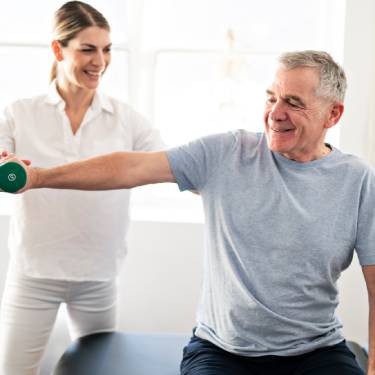
Physical Therapy
Physical therapy is often a fundamental component of stroke rehabilitation, focusing on improving mobility, balance, and muscle strength. One innovative method gaining attention is the use of hyperbaric oxygen therapy (HBOT) for stroke recovery. This treatment involves breathing pure oxygen in a pressurized chamber, which can aid in reducing inflammation and promoting healing. Alongside traditional exercises like walking and upper limb activities, incorporating HBOT may offer additional benefits in enhancing recovery outcomes. Working closely with a physical therapist can tailor your regimen to address specific areas impacted by the stroke, ensuring a comprehensive approach.
Occupational Therapy
Occupational therapy plays a pivotal role in helping stroke survivors regain independence in daily living activities. This type of therapy focuses on fine motor skills, hand-eye coordination, and cognitive functions necessary for tasks such as dressing, cooking, and writing. Through targeted exercises and adaptive techniques, occupational therapists can help you develop strategies to overcome limitations, allowing you to perform everyday activities with greater ease. This approach restores function and boosts confidence and autonomy.
Speech Therapy
For many stroke survivors, the ability to communicate effectively is a significant concern. Speech therapy addresses difficulties with speech, language, and swallowing. Speech therapists use various techniques to improve articulation, comprehension, and cognitive-communication skills. Consistent practice and exercises tailored to individual needs can lead to substantial improvements. Additionally, integrating technology-based tools such as speech-generating devices can provide alternative ways to facilitate communication, ensuring that others hear your voice.
Emotional Support and Wellness Activities
Rehabilitation isn’t just about physical recovery; emotional well-being is equally important. Stroke can lead to emotional changes, including depression and anxiety. Engaging in wellness activities such as mindfulness meditation, yoga, or art therapy can provide emotional support and reduce stress. Building a network of friends, family, and support groups also offers encouragement and shared experiences. Balancing physical rehabilitation with emotional wellness creates a holistic recovery process, nurturing the mind and body.
Every stroke survivor’s journey is unique, and while recovery can be challenging, consistent effort and the right strategies can lead to meaningful progress. With these ways to navigate stroke rehabilitation, you can create a comprehensive plan tailored to your needs. Remember that recovery is a marathon, not a sprint. Celebrate small victories along the way and keep pushing forward.
Bio: Casey is a passionate copyeditor highly motivated to provide compelling SEO content in the digital marketing space. Her expertise includes a vast range of industries from highly technical, consumer, and lifestyle-based, with an emphasis on attention to detail and readability.
A black cat crosses the sidewalk, a hotel skips the 13th floor, and someone notices the calendar before booking a flight. Friday the 13th traditions turn an ordinary date into a small annual test of nerve, humor, and habit. For some Americans, it is a reason to avoid risk. For others, it is a ready-made excuse for a horror movie marathon, a themed party, or a little friendly mischief. The date car...
A heating bill can jump long before the thermostat seems unusually high. Often, the problem is not one expensive habit but a chain of small losses: air leaking around a door, a clogged filter, rooms heated when nobody uses them, or a system working harder than it should. To cut heating costs in winter, focus first on the heat your home is already producing and where it is escaping. This practical...
A Sagittarius forecast can read like a call to book a trip, speak your mind, or take a chance on a bigger idea. That energy is not accidental. The sagittarius horoscope meaning is rooted in a sign associated with movement, optimism, learning, and a strong preference for open horizons over tight restrictions. Still, a horoscope is more useful when read as a prompt for reflection than as a fixed scr...
A sold-out tour, playoff game, or comedy show can turn a casual ticket search into a rushed decision. That urgency is exactly what scammers count on. This guide to online ticket safety explains how to buy with more confidence, recognize warning signs before money changes hands, and know what to do if a transfer does not arrive. Online ticketing is not inherently risky. Major venues, artists, teams...
Veterans Day parade ceremonies often begin before the marching bands reach the main street. A flag is raised outside a courthouse, names are read at a memorial, or a veteran takes the microphone to describe a moment of service that changed a life. These local observances turn a federal holiday into a public act of gratitude, giving residents a direct way to recognize the people who served in the a...