A black cat crosses the sidewalk, a hotel skips the 13th floor, and someone notices the calendar before booking a flight. Friday the 13th traditions turn an ordinary date into a small annual test of nerve, humor, and habit. For some Americans, it is a reason to avoid risk. For others, it is a ready-made excuse for a horror movie marathon, a themed party, or a little friendly mischief.
The date carries unusual cultural weight because it combines two older ideas of bad luck: Friday, long associated in parts of Christian Europe with misfortune and solemnity, and the number 13, widely treated as an unlucky number in Western folklore. Yet the modern version of Friday the 13th is less a single ancient custom than a collection of beliefs, media influences, and personal rituals that have changed over time.
Where Friday the 13th Traditions Come From
People often look for one definitive origin story, but there is no clear historical moment when Friday the 13th became universally feared. The superstition appears to have gathered force gradually, especially in the late 19th and early 20th centuries. The number 13 already had a poor reputation in popular folklore. A group of 13 at a dinner table was said to invite disaster, a belief sometimes connected to the Last Supper, where Judas was traditionally considered the 13th guest.
Friday had its own associations. In Christian tradition, Jesus was crucified on a Friday, now observed as Good Friday. Older European beliefs also linked Friday with unlucky beginnings, particularly for voyages, marriages, and major projects. Combining the day and number created a powerful cultural shorthand: a date that felt risky before anyone had even had a bad experience on it.
Some frequently repeated explanations should be treated carefully. Claims that the Knights Templar were arrested on Friday, October 13, 1307, created the superstition are popular, but historians generally view the connection as a later invention rather than proof of a medieval tradition. Likewise, stories about Norse gods and a disastrous 13-person banquet are difficult to verify in the form commonly repeated today. Folklore thrives on neat explanations. History is usually less tidy.
The modern fear even has a name: paraskevidekatriaphobia, meaning fear of Friday the 13th. Few people use the word in everyday conversation, but the idea behind it is familiar. A person may not truly believe the date causes harm while still feeling a little reluctant to sign a contract, schedule surgery, or make a major purchase.
Everyday Friday the 13th Traditions
The most enduring traditions are often quiet ones. They appear in choices people make without much ceremony: postponing a big decision, taking an extra look before getting behind the wheel, or joking that it is not the day to tempt fate. These habits are less about panic than control. When life feels unpredictable, small rituals can make people feel more prepared.
Avoiding Bad Luck, Just in Case
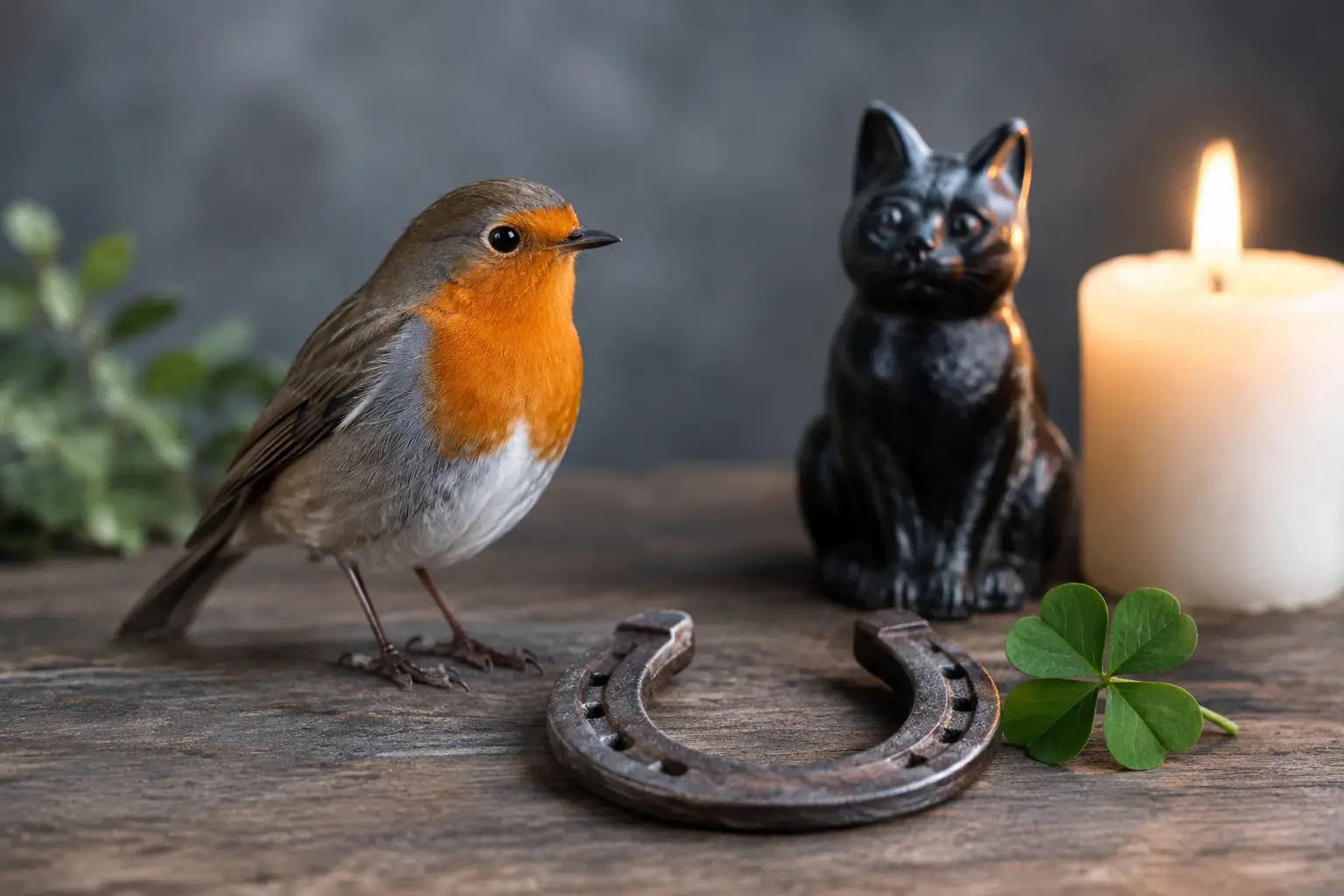
Common superstitions connected with the date include avoiding broken mirrors, ladders, black cats, spilled salt, and major financial decisions. Of course, these beliefs vary sharply by family and region. A black cat is considered unlucky in some traditions, but in others it is a sign of good fortune. Sailors, theater workers, athletes, and travelers have all developed their own luck rituals, many of which are more personal than widely shared.
Businesses have reflected these anxieties too. Some hotels, office buildings, and hospitals have historically omitted a 13th floor from public numbering, moving from 12 to 14. Airlines may avoid row 13, while restaurants and event planners sometimes notice customer reluctance around a table of 13. Not every omission is caused by superstition alone - customer expectations and building conventions matter - but the number has clearly shaped everyday design.
Travel is one area where the date gets attention. Older news reports and surveys have often suggested that some travelers prefer not to fly, drive long distances, or begin a trip on Friday the 13th. The evidence for an actual rise in danger is not there. Safety depends on conditions, preparation, maintenance, and behavior, not the calendar. Still, the tradition can influence demand, booking patterns, and the stories people tell after a delayed flight or rainy road trip.
Luck-Making Rituals
Not everyone responds to the date by avoiding things. Many people carry a lucky coin, wear a favorite item, knock on wood, or choose a familiar routine to balance the mood of the day. These actions have a practical social benefit even when they have no supernatural effect: they create a moment of connection. Coworkers compare lucky charms, families repeat old sayings, and friends trade stories about their worst supposedly cursed Friday.
A growing counter-tradition is to treat Friday the 13th as a lucky day. Some people deliberately buy a lottery ticket, start a project, get a tattoo, or plan a celebration precisely because the date has a rebellious reputation. Tattoo shops in several cities have helped popularize flash events featuring small, affordable designs with black cats, skulls, dice, and the number 13. Availability, health regulations, and appointment policies vary, so it is wise to check details rather than assume every shop follows the custom.
How Pop Culture Changed the Date
For many Americans, the strongest image of Friday the 13th does not come from old folklore. It comes from horror entertainment. The long-running Friday the 13th film franchise, beginning in 1980, turned the date into a recognizable brand of suspense, camp, and slasher-movie fun. Jason Voorhees and the hockey mask became so closely associated with the title that the cultural connection now feels much older than it is.
That influence helped shift the date from something quietly avoided to something publicly celebrated. Streaming watch parties, haunted attractions, costume nights, escape rooms, and horror-themed bar events all use Friday the 13th as an occasion. The appeal is partly the thrill of controlled fear. People can play with bad-luck symbols in a safe setting, then go home with a story rather than a curse.
This change also explains why traditions differ by generation. Someone raised with strong family superstitions may treat the day cautiously. Someone else may know it mainly through movies, social media jokes, and themed merchandise. Both responses are part of the same cultural story: the date remains meaningful because people keep finding new ways to use it.
Why the Superstition Still Sticks
Friday the 13th endures because it gives random events a memorable frame. If a coffee spills on a regular Tuesday, it is annoying. If it spills on Friday the 13th, it becomes evidence for a joke, a social post, or a story told at dinner. Human beings are skilled at noticing patterns, especially when a familiar symbol tells us what to look for.
There is also a practical caution hidden inside the tradition. Slowing down before a major decision, checking travel plans, or being more attentive while driving are sensible actions on any date. The problem begins only when superstition replaces judgment - such as delaying needed medical care, making financial choices from fear, or treating ordinary coincidences as proof that disaster is inevitable.
A useful way to approach the day is to enjoy its folklore without handing it authority. Watch the scary movie, share the family saying, wear the lucky socks, or ignore the whole thing. The calendar does not control outcomes, but traditions can still reveal what people fear, what they find funny, and how they create a little order around uncertainty.
The next time Friday the 13th appears, notice the choices around you: the missing floor number, the extra-loud joke at work, the tattoo appointment, the horror playlist, or the person who says they are staying in. Those small responses keep an old superstition alive, not because everyone believes it, but because everyone recognizes the story.