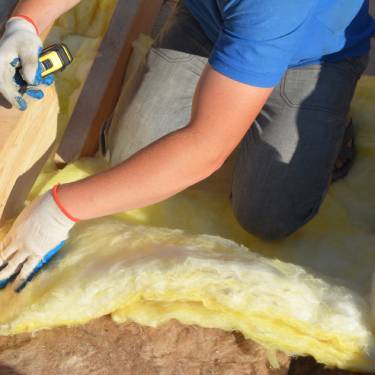
Insulation directly impacts industrial equipment's energy efficiency, safety, and performance. Neglecting to replace aging or damaged insulation can compound mechanical, financial, and operational issues. The decision to delay such a significant and necessary upgrade often causes preventable setbacks for organizations relying on their equipment's functionality to meet production and efficiency goals.
Below, we explore what happens when you put off replacing your insulation and why you should always prioritize proper maintenance.
Escalating Energy Costs
A significant consequence of outdated or damaged insulation is energy inefficiency. Insulation serves a core function in regulating temperature and minimizing thermal energy losses. When insulation begins to degrade, the energy contained within equipment escapes faster than expected.
This energy loss intensifies operational costs, requiring higher energy outputs to maintain consistent performance. Businesses relying on tightly controlled energy budgets may encounter disproportionately high utility expenses as these inefficiencies compound over time.
Equipment Performance Degradation
The condition of insulation directly affects the performance of industrial equipment. Insulation helps maintain temperature precision in machinery, piping, and industrial processes.
Failing to replace insulation compromises this ability, leading to temperature inconsistencies, equipment wear, and thermal stress on sensitive components. Over time, these factors contribute to deteriorating performance and can eventually shorten the equipment's overall lifespan.
Increased Safety Hazards
A further outcome of deteriorating insulation is the safety risk it poses to personnel and facilities. Compromised insulation may result in surface temperatures that exceed safe limits, creating potential workplace hazards for those near equipment.
Additionally, aging insulation may not sufficiently manage condensation, increasing the likelihood of corrosion or damage to surrounding structures. Enhanced safety risks highlight the importance of addressing issues promptly.
Missed Opportunities With Removable Insulation
One overlooked benefit of replacing insulation is that it presents an opportunity to upgrade to removable insulation solutions. These advanced thermal covers offer simplified maintenance, reduced downtime, and reuse flexibility. Designed for easy installation and removal, removable insulation can cover irregularly shaped equipment or components requiring routine servicing.
By opting for a removable option, companies enhance energy efficiency and safety and improve their ability to ensure consistent operational functionality. This choice underscores the long-term advantages of regularly assessing and upgrading insulation systems.
Compliance and Regulatory Challenges
Industries operating under strict thermal management standards or regulatory compliance requirements may face penalties or operational challenges when insulation falls short of standards.
Putting off insulation replacement invites the risk of failing audits and inspections, potentially resulting in penalties or authorizable conditions for continued operation. Addressing replacement requirements ensures compliance while avoiding interruptions.
Proactive Replacement Solves More Than Problems
Understanding what happens when you put off replacing your insulation helps illustrate the inherent risks and preventable challenges organizations face. Insulation is not merely a passive component but a vital contributor to energy, safety, and cost management. Replacing insulation is not an issue that improves with delay. Assessing your needs and implementing preventive and innovative solutions like removable insulation guarantees better outcomes across your operation.
Bio: Casey is a passionate copyeditor highly motivated to provide compelling SEO content in the digital marketing space. Her expertise includes a vast range of industries from highly technical, consumer, and lifestyle-based, with an emphasis on attention to detail and readability.
A black cat crosses the sidewalk, a hotel skips the 13th floor, and someone notices the calendar before booking a flight. Friday the 13th traditions turn an ordinary date into a small annual test of nerve, humor, and habit. For some Americans, it is a reason to avoid risk. For others, it is a ready-made excuse for a horror movie marathon, a themed party, or a little friendly mischief. The date car...
A heating bill can jump long before the thermostat seems unusually high. Often, the problem is not one expensive habit but a chain of small losses: air leaking around a door, a clogged filter, rooms heated when nobody uses them, or a system working harder than it should. To cut heating costs in winter, focus first on the heat your home is already producing and where it is escaping. This practical...
A Sagittarius forecast can read like a call to book a trip, speak your mind, or take a chance on a bigger idea. That energy is not accidental. The sagittarius horoscope meaning is rooted in a sign associated with movement, optimism, learning, and a strong preference for open horizons over tight restrictions. Still, a horoscope is more useful when read as a prompt for reflection than as a fixed scr...
A sold-out tour, playoff game, or comedy show can turn a casual ticket search into a rushed decision. That urgency is exactly what scammers count on. This guide to online ticket safety explains how to buy with more confidence, recognize warning signs before money changes hands, and know what to do if a transfer does not arrive. Online ticketing is not inherently risky. Major venues, artists, teams...
Veterans Day parade ceremonies often begin before the marching bands reach the main street. A flag is raised outside a courthouse, names are read at a memorial, or a veteran takes the microphone to describe a moment of service that changed a life. These local observances turn a federal holiday into a public act of gratitude, giving residents a direct way to recognize the people who served in the a...