Rockin Robin SongFlying The Web For News.
RobinPost Logo Amazon Prime Deals


Global World Topics

Ah, Valentine's Day! The one day of the year when love is unabashedly celebrated, and romance is in the air. Whether you're single, in a relationship, or somewhere in between, there's something undeniably special about February 14th. It's a day to appreciate the people who make our hearts skip a beat, and let's be honest, who doesn't love a good excuse for chocolates and flowers?

But Valentine's Day isn't just about the traditional romantic love, as we see in movies and advertisements. It's a day to celebrate all the different kinds of love that enrich our lives. Love for our friends, family, pets, and even ourselves. So, let's dive into the many facets of Valentine's Day and how we can make it meaningful for everyone.
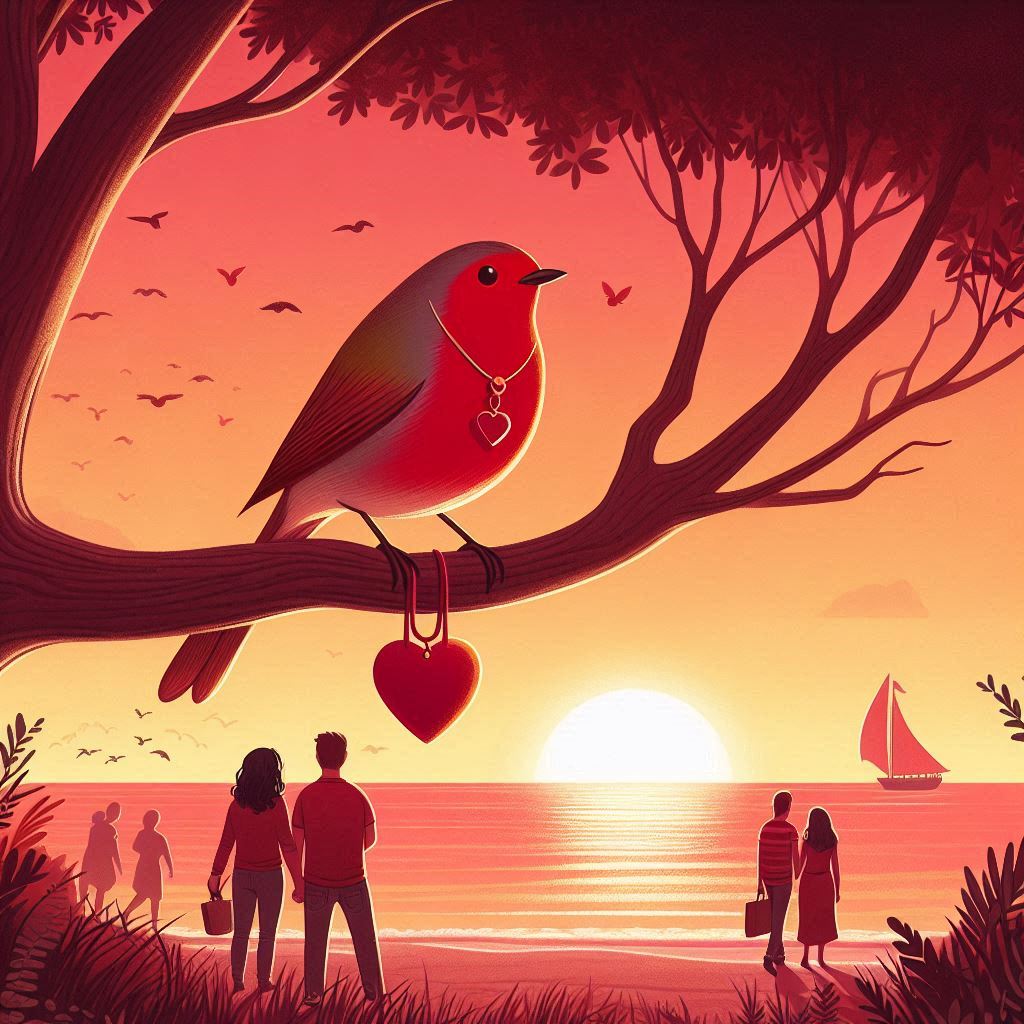

Valentine's Day: A Celebration of Love in All Its Forms

A Brief History of Valentine's Day

Valentine's Day has a storied history that dates back to ancient Rome. It all started with a festival called Lupercalia, which was held in mid-February to celebrate fertility and the coming of spring. The festival was a bit wild, involving sacrifices and matchmaking, but it laid the groundwork for what we now know as Valentine's Day.

Fast forward to the 3rd century, and we meet Saint Valentine, a priest who defied Emperor Claudius II's ban on marriages. Claudius believed that single men made better soldiers, so he outlawed marriage for young men. Saint Valentine, however, continued to perform marriages in secret, believing in the power of love. Unfortunately, this act of defiance led to his execution on February 14th. Over time, his martyrdom was honored by the Church and Valentine's Day became a celebration of love and romance.

Modern-Day Valentine's Celebrations

Today, Valentine's Day is a global phenomenon. People from all walks of life celebrate it in their unique ways. Some go all out with extravagant gestures, while others prefer subtle, heartfelt tokens of affection. Here are a few ways you can make Valentine's Day special, regardless of your relationship status:

  1. For Couples:

    • Romantic Dinner: Whether it's a fancy restaurant or a cozy home-cooked meal, sharing a meal with your significant other is a classic way to celebrate. Don't forget the candles and soft music for that extra touch of romance.

    • Adventure Together: Plan a day trip to a place you've both wanted to visit. Exploring new places and creating memories together can strengthen your bond.

    • Thoughtful Gifts: Personalized gifts, like a photo album of your time together or a handwritten love letter, can be incredibly meaningful.

  2. For Singles:

    • Self-Care Day: Treat yourself to a spa day, a movie marathon, or indulge in your favorite hobby. Valentine's Day is the perfect excuse to pamper yourself.

    • Friends' Night Out: Gather your single friends and celebrate together. A fun night out or a cozy get-together can remind you of the love and support you have in your life.

    • Random Acts of Kindness: Spread love by doing something kind to others. Pay for someone's coffee, volunteer, or simply offer a genuine compliment. Love is contagious, after all.

  3. For Everyone:

    • Celebrate All Loves: Valentine's Day isn't just for romantic couples. Show appreciation for your friends, family, and pets. Send them a heartfelt message or plan a special activity together.

    • Creative Expression: Channel your inner artist and create something that represents love to you. Write a poem, paint a picture, or bake some heart-shaped cookies.

    • Reflect and Appreciate: Take a moment to reflect on the love in your life. Gratitude journaling can help you appreciate the connections you have and remind you of the importance of love in all its forms.

Embracing Diversity in Love

One of the most beautiful aspects of love is its diversity. Love transcends boundaries, cultures, genders, and orientations. On this Valentine's Day, let's celebrate love in all its forms, from the traditional to the unconventional.

Remember, love is love, and everyone deserves to feel cherished and appreciated. Whether it's the love between two men, two women, or a man and a woman, all love stories are valid and beautiful. Valentine's Day is the perfect opportunity to honor and celebrate this diversity.

Valentine's Day Events around the world

  • Paris, France: The City of Love will host its annual Valentine's Day parade along the Champs-Élysées, featuring romantic floats, live music, and dance performances. Couples can also enjoy a special evening cruise on the Seine River, complete with a gourmet dinner and breathtaking views of the Eiffel Tower.

  • Venice, Italy: Venice will celebrate Valentine's Day with its famous Carnival, where couples can don elaborate masks and costumes and participate in masquerade balls and gondola rides through the city's picturesque canals.

  • Tokyo, Japan: In Tokyo, Valentine's Day is celebrated with a twist. Women traditionally give chocolates to men and a month later, on White Day, men return the favor. Tokyo Disneyland will also host a special Valentine's event with themed decorations, parades, and exclusive merchandise.

  • New York City, USA: The Empire State Building will once again host its annual Valentine's Day wedding event, where selected couples can exchange vows on the iconic 86th-floor observatory. Central Park will also offer romantic horse-drawn carriage rides and ice skating at Wollman Rink.

  • Sydney, Australia: Sydney will celebrate Valentine's Day with spectacular fireworks display over Sydney Harbour. Couples can enjoy a romantic dinner cruise or a picnic at the Royal Botanic Garden, with stunning views of the Sydney Opera House and Harbour Bridge.

  • Rio de Janeiro, Brazil: In Rio, Valentine's Day coincides with the Carnival season. Couples can join the vibrant street parties, samba parades, and beach celebrations, making it a lively and unforgettable experience.

  • Cape Town, South Africa: Cape Town will host a Valentine's Day concert at Kirstenbosch National Botanical Garden, featuring local and international artists. Couples can also take a scenic cable car ride up Table Mountain for a romantic sunset view.

  • Dubai, UAE: Dubai will offer a luxurious Valentine's Day experience with a special packages at its world-class hotels and resorts. Couples can enjoy a romantic dinner at the Burj Khalifa's At.mosphere restaurant, with panoramic views of the city skyline.

  • London, UK: The London Eye will offer private capsules for couples, complete with champagne and chocolates, for a romantic ride with stunning views of the city. The Shard will also host a special Valentine's Day dinner at its sky-high restaurants.

  • Bangkok, Thailand: Bangkok will celebrate Valentine's Day with a mass wedding ceremony at the iconic Wat Arun temple. Couples can also enjoy a romantic dinner cruise along the Chao Phraya River, with traditional Thai music and dance performances.

These events showcase the diverse and unique ways people around the world celebrate love on Valentine's Day. Whether you're looking for a grand adventure or an intimate experience, there's something for everyone to enjoy.

Final Thoughts

Valentine's Day is more than just a commercial holiday. It's a reminder to appreciate the love we have and to spread kindness and affection to those around us. Whether you're planning an elaborate celebration or keeping it simple, remember that the essence of Valentine's Day is love in all its glorious forms.

So, go ahead and embrace the spirit of Valentine's Day. Show love to others, and don't forget to love yourself too. After all, you deserve it!



More News From This Category
How Better Prep Improves Trade Execution
Thu, 18 Jun 2026 09:30:01 +0000

A person reviewing paperwork on a clipboard with financial graphs on it. Their laptop is sitting next to the clipboard.

One of the more frustrating experiences in trading is watching a setup unfold exactly as expected and still ending up with a poor result. In many cases, the issue isn’t the analysis itself. It’s the lack of preparation that happened before placing the trade.

Read More ...


Winter Solstice 2026: Date, Time, and Meaning
Thu, 18 Jun 2026 04:08:31 +0000

If you check a calendar in late December and notice daylight disappearing before dinner, you are already feeling the approach of the winter solstice 2026. This annual turning point marks the shortest day and longest night of the year in the Northern Hemisphere, and in 2026 it lands on Monday, December 21.

For many readers, that date is practical before it is poetic. It tells you when sunrise and sunset trends begin to shift, when seasonal events pick up, and why the dark stretch of late December feels so pronounced. It is also one of those rare moments where astronomy, weather, culture, and everyday routines all meet in one place.


Winter Solstice 2026: Date, Time, and Meaning

When is winter solstice 2026?

The winter solstice 2026 occurs on December 21, 2026, in the United States. The exact clock time can vary slightly depending on the time zone you are viewing it from, because the solstice is a precise astronomical event, not just a calendar label. In broad terms, it happens the moment the Northern Hemisphere is tilted farthest away from the sun.

That does not mean it will be the latest sunrise and earliest sunset on that exact date in every U.S. location. This is where people often get tripped up. The solstice marks the shortest overall daylight period, but sunrise and sunset do not always line up perfectly with that one day because of the Earth’s orbit and the way solar time differs from our standard clock time.

So if you are tracking daylight for commuting, travel, school runs, or photography, the solstice is the anchor date, but local sunrise and sunset charts still matter.

What the winter solstice actually means

The easiest way to think about the solstice is this: it is about Earth’s tilt, not distance from the sun. Our planet is tilted on its axis by about 23.5 degrees. As Earth moves around the sun, that tilt changes how directly sunlight reaches different parts of the globe over the year.

In December, the Northern Hemisphere leans away from the sun. The sun appears lower in the sky, its path is shorter, and daylight is reduced. That is why the winter solstice is the darkest day of the year north of the equator. At the same time, the Southern Hemisphere gets its summer solstice and its longest day.

This matters because many people assume winter happens because Earth is farther from the sun. It sounds reasonable, but it is not the main driver. Seasonal change is largely about angle and duration of sunlight, which affects heating, daylight hours, and the rhythms we notice in daily life.

Why the shortest day does not mean the coldest day

One common question around winter solstice 2026 is whether it will also be the coldest day of the year. Usually, no. In much of the U.S., the coldest period often comes later, in January or even February.

That lag happens because land, oceans, and the atmosphere hold heat and release it gradually. Even after the solstice, the Northern Hemisphere continues to lose more heat than it gains for a while. Daylight starts increasing again, but the system does not warm up overnight.

This is one of those useful real-world distinctions. The solstice is an astronomical marker. The coldest stretch of winter is a weather and climate pattern. They are related, but they are not interchangeable.

Winter solstice 2026 and daylight changes

After the solstice, days begin getting longer again, but the change is subtle at first. In many parts of the country, you will only gain seconds or a minute or two of daylight at a time. If you are waiting for a dramatic shift, it can feel slower than expected.

Still, the psychological effect is real. For many people, the solstice is a milestone because it signals that the daylight trend has stopped shrinking. Even if winter weather is still ahead, the annual slide into shorter days has reached its limit.

In northern states, the difference between December daylight and summer daylight is stark. In southern states, the contrast is less extreme, but still noticeable. Alaska, of course, experiences the most dramatic variation. So the meaning of the solstice feels different depending on where you live.

How people observe the solstice

The winter solstice has long been more than a scientific event. Across cultures, it has been tied to festivals, rituals, feasts, fire, candles, and symbols of return. The reason is easy to understand. When a society depends more directly on natural light and seasonal cycles, the darkest point of the year carries emotional and practical weight.

Today, observation ranges from formal to casual. Some people attend sunrise gatherings, religious services, yoga events, or seasonal festivals. Others mark it more quietly by lighting candles, taking an evening walk, or simply paying attention to the sky.

It also overlaps with a busy holiday period, which can blur its identity. For some households, the solstice is central. For others, it is background context to Christmas, Hanukkah, New Year celebrations, school breaks, or winter travel. There is no single modern American way to mark it.

Why this date still gets attention in news and lifestyle coverage

A date like winter solstice 2026 tends to travel across categories. It appears in science reporting because it is a fixed astronomical event. It shows up in weather coverage because audiences connect it with winter conditions. It enters lifestyle and travel content through seasonal destinations, holiday traditions, and outdoor events. It also lands in health and wellness discussions because shorter days affect mood, routines, and time spent outside.

That wide relevance is why general-interest readers keep searching for it every year. They are not always looking for a textbook explanation. Often they want a quick answer, local context, and a clearer sense of what changes next.

For a broad news and discovery platform, this is the kind of topic that naturally connects science, daily life, and seasonal planning in one stop.

Common questions about the winter solstice 2026

Is the winter solstice the first day of winter?

Astronomically, yes. The winter solstice marks the start of winter in the astronomical calendar. Meteorologists, however, define winter differently, with the season beginning on December 1. Both systems are widely used, so it depends on the context.

Will the sun start setting later right after the solstice?

In many places, sunsets begin getting later before the solstice, while sunrises continue getting later for a while after it. That sounds backward, but it is a normal effect of how solar noon shifts over the year. The result is that the shortest day is about the total amount of daylight, not just one sunrise or one sunset pattern.

Is the solstice the same everywhere?

The event itself is global and happens at one exact moment. The local date and clock time can appear different depending on time zone. Its visual impact also varies a lot by latitude, which is why daylight change feels much more dramatic in some places than others.

A useful way to experience it

If you want to make the date feel less abstract, compare sunrise, sunset, and total daylight in your city on the solstice versus one month later. That one comparison makes the seasonal shift easier to see than any definition does.

It is also worth stepping outside near midday if you can. The low winter sun angle tells the story immediately. Shadows stretch longer, the light feels thinner, and the day seems to move faster than it does in June.

That is part of why the solstice remains such a durable marker. It is precise enough for astronomers, familiar enough for everyday conversation, and visible enough that you can sense it without any equipment at all.

As December 21, 2026 approaches, the most helpful thing to remember is simple: the winter solstice is not just a fact on a calendar. It is the point where the year’s darkest stretch peaks, and little by little, the light starts coming back.

Read More ...


How To Train Your Teenager To Take Care of Their Car
Wed, 17 Jun 2026 09:27:42 +0000

A father smiles as he shows his son the parts of a car engine. A red car sits parked in the street behind them.

When your teenager finally gets to operate a vehicle, they need to know more than traffic rules. Instead, they must know how to provide cars with the right amount of care to keep them running reliably.

Read More ...


Summer Solstice 2026: Date, Time, and Meaning
Wed, 17 Jun 2026 04:08:28 +0000

If you're planning early summer travel, outdoor events, or simply watching the seasonal calendar, summer solstice 2026 is one of the key dates to circle now. It marks the longest day of the year in the Northern Hemisphere, the official start of astronomical summer, and a moment that carries equal parts science, tradition, and everyday usefulness.

For many readers, the solstice is less about abstract astronomy and more about timing. When do the days stop getting longer? Why does the sunset seem to linger forever in late June? And does the solstice mean the hottest part of summer is already here? The short answer is no - but it does mark the turning point in daylight.


Summer Solstice 2026: Date, Time, and Meaning

When is summer solstice 2026?

Summer solstice 2026 falls on Saturday, June 20, 2026, in the United States.

The exact moment of the solstice happens when the Earth's Northern Hemisphere is tilted most directly toward the sun. That instant is global, but the calendar date can vary by time zone. For U.S. readers, the event lands on June 20, while some other parts of the world may refer to it differently depending on local time.

This is one of those details that matters if you're following live astronomy coverage, planning a sunrise gathering, or comparing reports from international news and science sources. The solstice itself is an exact moment, not an all-day event, even though most people experience it as the longest daylight period of the year.

What the summer solstice 2026 actually means

The solstice does not mean the sun is closer to Earth. That is a common misconception. Seasons are caused by Earth's axial tilt, not by dramatic seasonal changes in distance from the sun.

At the June solstice, the North Pole is leaning most toward the sun. That angle gives the Northern Hemisphere its greatest stretch of daylight and its highest sun path of the year. Places farther north generally see a more dramatic effect, with very long days and, in some regions, little to no full darkness.

In the continental United States, the exact amount of daylight will vary by location. A city in the north will get more daylight than a city in the south. So while the solstice is a single astronomical event, the lived experience is local. Sunrise, sunset, and total daylight hours depend on where you are.

Why the longest day is not the hottest day

This is where the calendar can feel a little counterintuitive. Summer begins astronomically at the solstice, but in much of the U.S., the hottest weather usually arrives weeks later.

That delay happens because land, water, and the atmosphere take time to heat up. In the same way that afternoon is often hotter than noon, the season's heat tends to lag behind the point of maximum sunlight. Meteorologists sometimes call this a seasonal lag.

So if summer solstice 2026 arrives and your local forecast is mild, that is not unusual. The solstice marks a daylight peak, not a guarantee of peak heat. For readers following weather, climate, or travel trends, that difference matters.

How people observe the solstice

The solstice has a practical side and a cultural side. Practically, it helps frame seasonal planning. Schools are out or nearly out, parks and beaches are busy, travel ramps up, and late sunsets stretch recreation hours. That makes the date useful for everything from family schedules to event calendars.

Culturally, the solstice carries a long history. Communities around the world have marked it with festivals, bonfires, music, sunrise gatherings, and rituals tied to harvest cycles, renewal, or spiritual reflection. Some observances are ancient. Others are modern and casual - yoga in a public park, a sunset concert, a local nature walk, or a neighborhood cookout that simply leans into the extra daylight.

There is no single correct way to mark the day. For some people, it is an astronomy event. For others, it is a seasonal milestone. For many, it is just a good excuse to stay outside longer.

Summer solstice 2026 and U.S. daylight patterns

One reason interest in the solstice stays high is that it changes daily life in visible ways. The days leading up to the solstice often bring the year's latest sunsets in some locations, though not always on the exact solstice date. That can surprise people checking local almanacs or weather apps.

The reason is that sunrise and sunset are influenced by more than one factor, including the Earth's orbit and the way solar time differs from clock time. As a result, the earliest sunrise and latest sunset do not always land on the same date as the solstice itself.

This is a good example of where astronomy is precise but public experience is messy. If you are looking for the longest total daylight period, the solstice is the benchmark. If you are chasing the very latest sunset for photography or an evening event, check local timing rather than assuming it falls on June 20 exactly.

Why this date matters beyond astronomy

The solstice intersects with several news and lifestyle categories at once. It is relevant to travel coverage, weather reporting, outdoor recreation, energy use, gardening, and even retail and event planning. Long daylight hours can shift consumer behavior in noticeable ways, from later restaurant traffic to increased attendance at festivals and sports events.

For families, it often signals a true summer rhythm. For commuters, it changes the feel of the day. For photographers and content creators, it offers extended golden-hour opportunities. For gardeners, it marks an important checkpoint, because daylight begins to shorten after the solstice even though the growing season continues.

That last point catches people off guard every year. After summer solstice 2026, the days will start getting shorter immediately. The change is gradual at first, and summer will still feel like it is building, not fading. But astronomically, the turn has already happened.

Solstice vs. midsummer: not always the same thing

In everyday conversation, people often treat the solstice as midsummer. In seasonal feeling, that makes sense. In calendar terms, it depends on the system being used.

Astronomical summer begins at the solstice. Meteorological summer, used in many weather records, starts on June 1 and runs through August 31. Under that system, late June is closer to the middle of summer than the beginning. That is why headlines, forecasts, and lifestyle coverage can sound slightly different depending on whether the focus is astronomy or seasonal weather tracking.

Neither approach is wrong. They serve different purposes. Astronomers are tracking Earth's position relative to the sun. Meteorologists are organizing full months for cleaner climate data and easier year-to-year comparisons.

How to make the most of summer solstice 2026

If you want to do something with the day, keep it simple and local. Watch sunrise or sunset. Check your city's exact daylight length. Visit a park, trail, waterfront, or rooftop. Follow live science coverage if you enjoy the technical side. If your area hosts a public event, the solstice is one of the easier seasonal moments to join because it does not require special equipment or background knowledge.

It also helps to set expectations. The solstice can be visually dramatic, but it is not always dramatic in weather or atmosphere. Some years it arrives under gray skies, heat advisories, or ordinary conditions. The meaning comes from the calendar and Earth's position, not from whether the day looks cinematic.

That practical view fits the moment well. The solstice is both grand and routine - a precise celestial event that shows up in small everyday ways, from brighter evenings to fuller parks to later dinners on the patio.

For readers who track dates that shape the season, summer solstice 2026 is more than a line on the calendar. It is a useful marker for planning, a reliable piece of skywatching, and a reminder that even familiar annual events still connect weather, science, culture, and daily life in one clear moment. If you do nothing else, step outside and notice how long the light stays with you.

Read More ...


How Remote Monitoring Changes Maintenance Planning
Tue, 16 Jun 2026 09:25:42 +0000

A technician in yellow safety gear holding a tablet while sitting near rows of gray electrical control cabinets.

Maintenance used to depend heavily on what crews could see during scheduled checks. While this approach can still be helpful, it’s not constant enough to catch some of the smaller issues that can happen. Remote monitoring is a game-changer here, giving maintenance teams a clearer view of equipment behavior as problems develop.

Read More ...


Related Bing News Results
Stock market today: Nasdaq climbs on Iran peace deal; Moderna breaks out; JPMorgan reverses (live coverage)
Thu, 18 Jun 2026 10:06:00 GMT
Stock Market Today; The Dow Jones index rises Thursday following reports of a signed U.S.-Iran peace deal. Moderna breaks out past a buy point.

Ethereum Price Today: ETH Is Trading At $1,749
Thu, 18 Jun 2026 08:41:00 GMT
The price of Ethereum, or 1 ETH, traded at $1,749 as of 9:19 a.m. ET. Ethereum’s 52-week intraday high was on August 24, 2025, trading at $4,954 per ETH. Its 52-week intraday low was $1,507 on June 6, ...

Stock Market Today: Stocks Rebound From Fed Sell-Off; Intel Rallies With Chip and Memory Stocks; SpaceX Continues Decline
Thu, 18 Jun 2026 07:32:00 GMT
Stocks rose in early trading on Thursday, the final trading day of a holiday-shortened week, recovering some of yesterday's rate-fueled losses and putting the indexes on track for a winning week.

Obamas take the stage at today’s presidential center opening
Thu, 18 Jun 2026 06:56:00 GMT
The Obama Presidential Center is holding its grand opening ceremony ahead of its opening to the public on Juneteenth. Follow for live updates.

Today's NYT Connections Hints, Answers and Help for June 16, #1101
Mon, 15 Jun 2026 13:01:00 GMT
Here's today's Connections answer and hints for groups. These clues will help you solve New York Times' popular puzzle game, Connections, every day!


Blow Us A Whistle


Related Product Search/Búsqueda de productos relacionados

Amazon Logo

Visit Our New Print-On-Demand Stores On Printify and Zazzle
Printify Zazzle