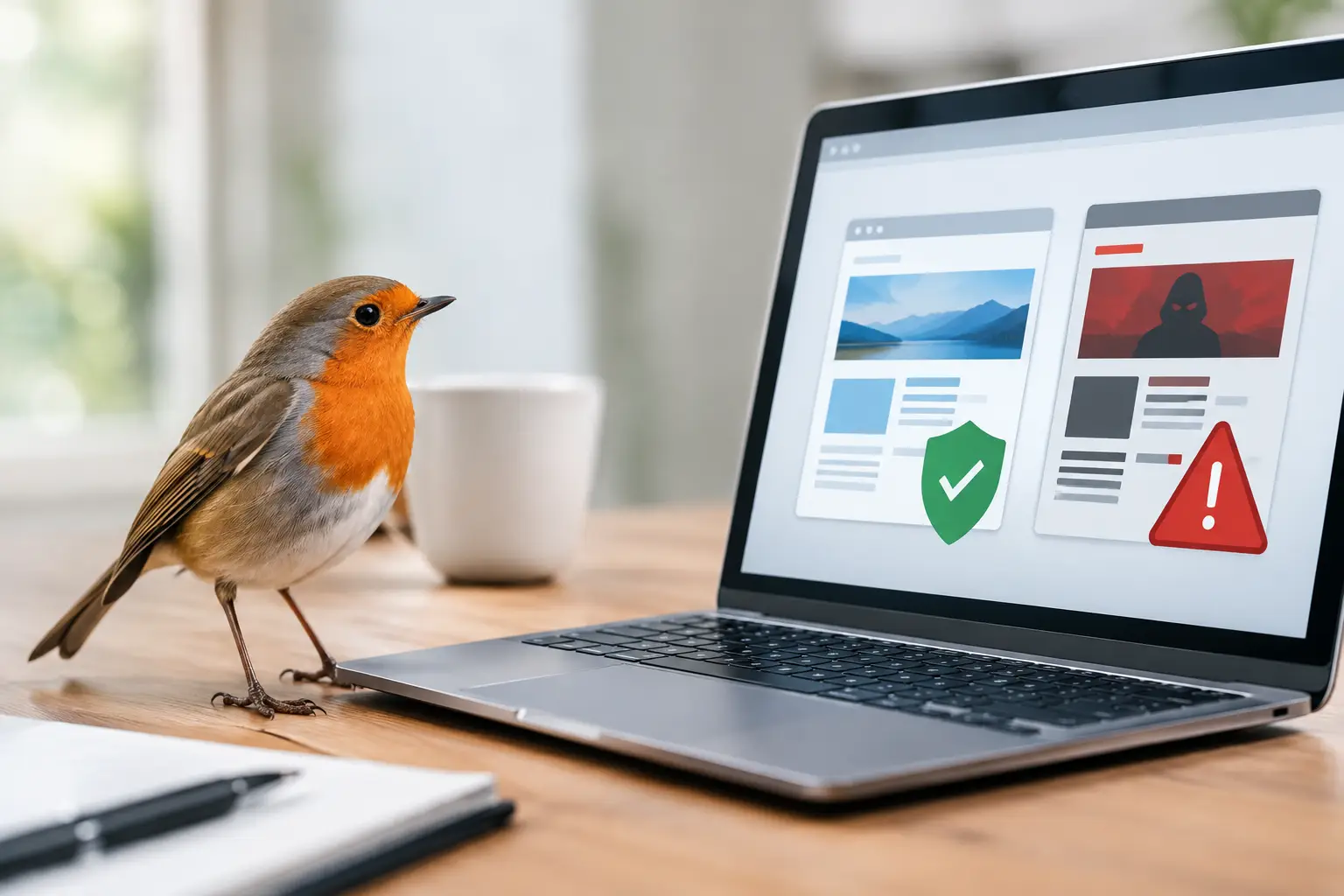
A breaking story can produce hundreds of live video feeds within minutes. Some show a credible broadcaster at the scene. Others replay old footage, relay unchecked social posts, or use a dramatic title to pull viewers in. Knowing how to find trustworthy livestream coverage helps you follow major events quickly without mistaking noise for verified reporting.
For viewers tracking elections, severe weather, public safety incidents, international events, or major entertainment news, speed matters. So does context. The most useful live coverage tells you what is confirmed, what remains unclear, and where its information comes from.
Start With the Source Behind the Stream
The first question is not whether a stream looks professional. It is who is responsible for it. A recognizable network logo can be helpful, but it is not enough by itself. Impersonation accounts, clipped broadcasts, and unofficial restreams can borrow familiar branding.
Look at the channel or publisher page. Established newsrooms, public broadcasters, local television stations, government agencies, emergency management offices, and verified event organizers usually provide a clear identity, contact information, and a consistent publishing history. Their live feed should fit the kind of reporting they normally produce.
A channel created recently with little activity deserves extra caution, particularly if it claims exclusive access to a fast-moving crisis. That does not automatically make it false. Eyewitness video can be valuable. It does mean the material should be treated as one account, not as settled fact.
When an event is local, the most reliable starting point is often a reputable local outlet or official local agency. National and international broadcasters may have wider reach, but local reporters are more likely to know the streets, officials, weather conditions, and community background that explain what viewers are seeing.
Check Whether the Feed Is Actually Live
A video labeled LIVE is not always live from the location. It may be a continuous loop, a replay of earlier coverage, an aerial camera with no current reporting, or a commentary stream built around old clips.
Check for a visible timestamp, current weather, references to the present time, and updates that match the event's known timeline. Listen for reporters explaining where they are and what they have independently confirmed. If the coverage repeats the same segment for an extended period without new details, it may be a rolling feed rather than fresh reporting.
This distinction matters most during emergencies. A clip from a prior storm, protest, fire, or military event can spread widely when it is relabeled as new. Live chat comments are not evidence that a video is current, either. They often repeat unverified claims faster than the broadcaster can address them.
How to Find Trustworthy Livestream Coverage During Breaking News
The best approach is to compare, not commit immediately to a single feed. Open two or three credible sources that have different reporting paths. For example, you might compare a local station's field report, a national broadcaster's live desk coverage, and an official public safety update.
Agreement on basic facts is a useful signal. If multiple independent outlets report the same location, timing, official statement, or confirmed impact, confidence rises. If one stream makes an extraordinary claim that no other credible source can support, keep it in the unconfirmed category.
This does not mean every outlet should sound identical. Good live journalism often includes uncertainty. Reporters may say that casualty figures are preliminary, officials have not confirmed a cause, or a video has not been independently verified. That language is a strength, not a weakness. It shows the outlet is separating what it knows from what it is still checking.
Be especially careful with streams that promise information traditional media is supposedly hiding. Strong reporting can challenge official narratives, but trustworthy coverage still shows its work. It identifies sources where possible, distinguishes reporting from opinion, and corrects errors when new evidence appears.
Use Official Sources for Instructions, Not the Whole Story
During a weather emergency, evacuation, public health alert, or active safety incident, official agency streams and alerts should be your first stop for practical instructions. Follow evacuation orders, road closures, shelter notices, and safety guidance from the responsible authority.
Official sources are not always designed to provide the full picture, though. They may release limited information while an investigation is underway, and they may not have reporters on the ground. Pair official updates with established news coverage for interviews, visuals, public reaction, and additional context.
The trade-off is simple: official channels are often best for immediate actions, while independent journalism is often better for wider scrutiny and explanation. You need both when the stakes are high.
Read the Signals Inside the Coverage
Trustworthy livestream coverage has recognizable habits. It names the reporter, location, and source of new information. It uses on-screen labels that distinguish confirmed developments from analysis. It corrects earlier statements when necessary instead of quietly moving on.
Watch how the presenter handles rumors. A reliable newsroom may mention a claim because it is circulating, then clearly state that it has not been verified. An unreliable feed often does the opposite, presenting speculation as fact and adding phrases such as “breaking” or “just confirmed” without showing who confirmed it.
Visual evidence also needs context. A dramatic image may be real but from another date or place. Pay attention to captions, geography, daylight, signs, vehicle markings, uniforms, and weather conditions. If a stream relies heavily on viewer-submitted videos, listen for whether the publisher explains how those clips were verified.
Audio can reveal problems as well. Does the narration match what is visible? Are commentators drawing conclusions that go beyond the footage? A video of smoke, sirens, or crowds may document something real, but it cannot by itself establish the cause, scale, or timing of an event.
Avoid the Most Common Livestream Traps
The pressure to be first creates predictable mistakes. Some are accidental, while others are designed to generate views. Keep an eye out for these warning signs:
- A headline makes a sweeping claim but offers no named source, location, or evidence.
- The feed uses recycled footage, stock images, or unrelated clips without clear labeling.
- The host asks viewers to share urgently before facts are established.
- The channel posts a constant stream of sensational claims across unrelated topics.
- Comments, donations, or merchandise promotions receive more attention than reporting.
- A stream claims exclusivity while refusing to identify who recorded the material or when.
One warning sign may not settle the question. A small local creator, for instance, may have limited production resources while still providing genuine footage. Several warning signs together should prompt you to look elsewhere and wait for corroboration.
Build a Reliable Live-News Routine
You do not need to research every publisher from scratch during every breaking story. Build a short mental list of dependable sources before the next major event. Include a local station or newspaper for your area, a public broadcaster or major national newsroom, relevant government agencies, and a few subject-specific sources such as weather services or transportation authorities.
A news aggregation portal can make this comparison process faster by organizing live streams, video coverage, and related reporting in one place. On a broad platform such as RobinsPost, use category pages and multiple source listings as a starting point for discovery, then assess the originating publisher before relying on a live claim.
It also helps to adjust notifications. Turn on alerts for the sources you trust most, rather than allowing every social platform trend to interrupt your day. This reduces the chance that an algorithmically boosted but poorly sourced stream becomes your first version of events.
For international coverage, check whether a stream is reporting from the country involved, relying on partner reporting, or translating another outlet's material. Translation can introduce small but meaningful errors, especially around official titles, locations, and numbers. Comparing coverage from more than one language or region can reveal details a single feed misses.
Know When to Stop Watching
Live coverage is useful, but it can become repetitive and emotionally exhausting, particularly during disasters or violence. If no verified updates have appeared for a while, step away and return when a reliable outlet posts a clear development.
The goal is not to watch every second. It is to stay accurately informed, make sound decisions, and avoid passing along claims that may later prove false. A trustworthy stream earns attention by being transparent under pressure. When the facts are still developing, patience is often the most reliable source you have.