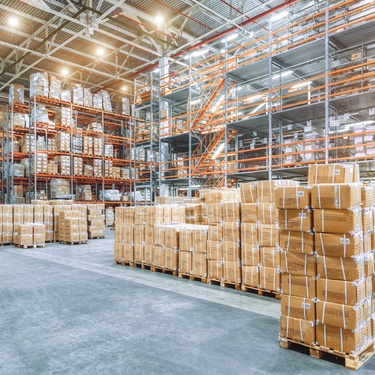
Warehouse operations can quickly become a major expense drain if not managed efficiently. Rising labor costs, inefficient processes, and poor space utilization all contribute to mounting operational expenses that eat into your bottom line. Implementing effective strategies for reducing warehouse costs creates sustainable operations that drive long-term profitability. These four proven approaches will help you streamline operations while maintaining quality service levels.
Optimize Your Warehouse Layout for Maximum Efficiency
The physical layout of your warehouse directly impacts productivity and operational costs. A well-designed layout minimizes travel time for workers, reduces handling costs, and maximizes storage capacity. Start by analyzing your current picking patterns and product velocity. Place fast-moving items in easily accessible locations near shipping areas, while you can store slower-moving inventory in less convenient spots.
Consider implementing zone picking or batch picking systems to reduce unnecessary movement throughout the facility. Vertical space utilization is equally important. Investing in taller storage systems can dramatically increase capacity without expanding your footprint.
Automation technologies offer significant long-term cost savings through improved efficiency and reduced labor dependency. The labor cost differences between manual vs. automated palletizing can be substantial over time, with automated systems handling repetitive tasks more consistently and safely.
Consider implementing automated storage and retrieval systems, conveyor systems, or robotic picking solutions based on your specific operational needs. While the initial investment may seem substantial, automation reduces human error, increases throughput, and provides predictable operational costs that are easier to budget and control.
Improve Your Inventory Management Practices
Poor inventory management leads to increased carrying costs, obsolete stock, and inefficient space utilization. Implement robust inventory tracking systems that provide real-time visibility into stock levels and movement patterns. Regular cycle counts help maintain accuracy and identify discrepancies before they become costly problems.
Consider adopting just-in-time inventory practices where appropriate and establish clear policies for handling slow-moving or obsolete inventory. ABC analysis can help prioritize which items deserve the most attention and resources in your management efforts.
Negotiate Better Rates With Suppliers and Service Providers
Your relationships with suppliers, carriers, and service providers present ongoing opportunities for cost reduction. Regularly review contracts and shipping rates to ensure you're receiving competitive pricing.
If possible, consolidate shipments to take advantage of volume discounts and consider alternative carriers or shipping methods that might offer better rates. Build strong partnerships with key suppliers who may be willing to offer better terms in exchange for consistent volume or longer-term commitments.
These strategies for reducing warehouse costs require careful planning and execution, but the results speak for themselves. By taking a systematic approach to cost reduction, companies often improve their bottom line and operational efficiency, creating a competitive advantage that extends beyond simple cost savings.
Bio: Casey is a passionate copyeditor highly motivated to provide compelling SEO content in the digital marketing space. Her expertise includes a vast range of industries from highly technical, consumer, and lifestyle-based, with an emphasis on attention to detail and readability.
A credit score can affect far more than a mortgage application. It may influence the interest rate on a car loan, the deposit requested for an apartment, access to a credit card, and sometimes the price of insurance. This guide to understanding credit scores explains what the number means, what shapes it, and which practical moves are worth making before you apply for credit. What a Credit Score A...
A crowded cart is not the same as a finished gift list. The best presents feel considered, arrive on time, and suit the person receiving them - not just the holiday sale banner that caught your eye. This Amazon holiday gift guide 2026 is built for practical shopping: finding useful ideas across categories, checking value before checkout, and avoiding the last-minute delivery scramble. Holiday shop...
A seafood counter can make the ocean feel distant: neatly packed fillets, a familiar label, dinner sorted. World Fisheries Day 2026, observed on Saturday, November 21, brings that distance into focus. The fish on a plate is connected to working harbors, fishing families, vessel crews, processors, marine scientists, local markets, and decisions about what can be caught today without leaving too lit...
An outdoor kitchen can turn an ordinary backyard into a welcoming place for everyday meals and relaxed gatherings. However, installing a grill and countertop does not automatically create a space that feels convenient or inviting. Learning how to make the most out of your outdoor kitchen means considering how you cook, entertain, and spend time outside. Thoughtful improvements can help you use th...
A depleted coffee supply, a missing phone charger, and a household running low on paper towels are the kinds of small problems that can turn into forgotten errands. Shopping Amazon using Alexa is designed for these repeat-purchase moments: ask for an item while you are cooking, working, or getting ready to leave, then let the order process happen from a connected device. For many households, voice...