It’s a scene most of us know from movies but hope never to experience: flashing lights in the rearview mirror. An interaction with the police can understandably be stressful. That’s why having a practical guide to navigating police questions is so useful.
Knowing your rights and how to respond can make the situation much smoother and protect you. We’ll offer some general tips to help you stay composed and communicate effectively during a police encounter.
Maintain Your Composure
The first thing to do is stay calm. It’s natural to feel anxious, but a calm demeanor helps everyone involved. Panicking or acting agitated might escalate the tension. Take a deep breath and focus on what’s happening in the moment.
A level head allows you to think more clearly and remember what you need to do. Police officers are trained to read situations, and your calmness can signal cooperation.
Keep Your Hands Visible
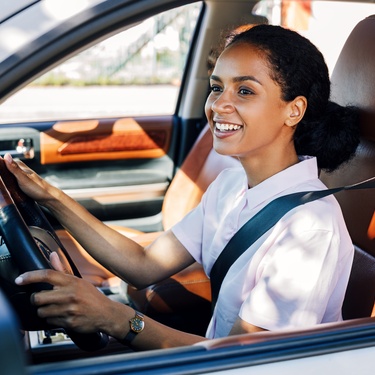
During any interaction with law enforcement, especially a traffic stop, keep your hands where the officer can see them. A common recommendation is to place them on the steering wheel. This action shows the officer that you don’t pose a threat.
Sudden movements or reaching for something in your glove box or under your seat can be misinterpreted. If you need to get your license or registration, tell the officer what you are going to do before you do it.
Know Your Rights
You have the right to remain silent. This is a fundamental protection, and it’s wise to use it. You only need to provide basic identification, such as your name and address. You aren’t required to answer questions about where you are going, where you have been, or what you are doing.
Politely stating, “I choose to remain silent,” is a complete and valid response. Remember that anything you say can be used in a legal context, so it’s best to wait until you have legal counsel. This also applies to handling police questions about immigration status; you are not obliged to discuss it if they do not have a warrant.
Steps to Take After the Encounter
Once the interaction is over, it’s a good idea to write down everything you remember. Note the time, date, location, the officers’ names or badge numbers, and what was said. These details can be valuable if any further action is needed.
This record is for your benefit and can be a crucial tool for your attorney. Having a clear account of the events provides a solid foundation for any follow-up. Keep this practical guide for navigating police questions in mind, as it prepares you for what comes next.
Bio: Casey is a passionate copyeditor highly motivated to provide compelling SEO content in the digital marketing space. Her expertise includes a vast range of industries from highly technical, consumer, and lifestyle-based, with an emphasis on attention to detail and readability.
The Milano–Cortina 2026 Winter Olympics delivered unforgettable performances,
historic milestones, and moments that reminded the world why sport matters.
Now, the 2026 Winter Paralympics will carry that spirit forward, showcasing courage, precision, and the power of human determination.
As attention turns toward the
2030 Winter Games in the French Alps , the legacy of 2026 is already shaping a bold and inclusive future for winter sports.
Every Corvette owner eventually asks the same thing: Do modifications hurt or help classic Corvette value? It is a fair question. You want to enjoy the car, maybe upgrade performance or comfort, but you also want to protect what it is worth.
Improving your gas mileage does not require drastic changes or expensive upgrades. With the right habits and consistent maintenance, you can lower fuel costs and extend the life of your car. Understanding practical ways to improve your vehicle’s fuel efficiency helps you take control of everyday driving decisions that directly affect how much you spend at the pump.
Fat Tuesday and Ash Wednesday sit side by side on the calendar, but they feel very different.
One is full of color, music, and celebration. The other is quiet, simple, and reflective.
Together, they form a powerful transition from feasting to fasting, from Carnival to Lent.
Pickup trucks serve as dependable partners for work, travel, and demanding tasks that require strength and versatility. Owners rely on their trucks to transport equipment, supplies, and recreational gear across job sites, highways, and rugged terrain with confidence and control. Yet even the most capable truck can benefit from well-chosen accessories that expand hauling capacity and improve daily utility.