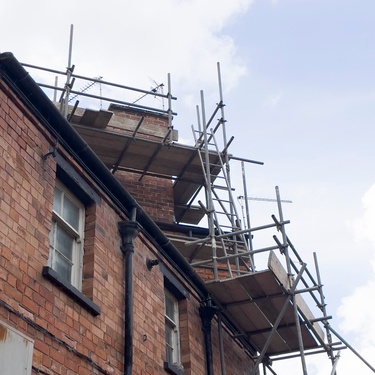
Older urban buildings carry a unique character, from ornate facades to intricate interior details. These qualities create both charm and responsibility for residents, property managers, and city planners.
Upkeep challenges in older urban architecture arise from decades of wear, changing safety codes, and environmental stressors, requiring continuous attention to keep these structures functional and safe.
Structural Deterioration Over Time
Decades of exposure take a toll on structural components. Bricks can crack, mortar can crumble, and wood framing may twist or shrink. Metal elements, such as railings and support beams, are prone to corrosion, which weakens their integrity.
Periodic inspections and repairs prevent minor issues from developing into serious hazards, keeping buildings stable while retaining historic features.
Plumbing and Electrical Constraints
Outdated plumbing and electrical systems pose obstacles in older constructions. Pipes corrode, joints leak, and wiring may fall short of modern standards. Updating these systems requires careful planning, particularly when integrating upgrades without altering the building’s character.
Efficient layouts and selective replacements help maintain functionality while respecting historical design.
Safety and Compliance Updates
As safety regulations advance, older buildings face additional hurdles. Staircases, exits, and fire escapes may not meet current code requirements, posing risks to occupants. Fixing these elements often requires structural reinforcement or modification.
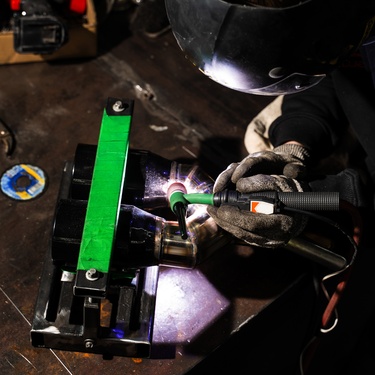
Notably, welding is essential for fire escape repairs, restoring both durability and code compliance while preserving the architectural style. Such interventions combine skill and precision to maintain safety without sacrificing aesthetics.
Cosmetic Preservation and Function
Maintaining an appealing interior and exterior supports usability and longevity. Repainting walls, refinishing wood surfaces, and repairing windows or doors enhances both appearance and efficiency.
Flooring replacements or repairs improve comfort while maintaining a connection to the building’s original design. Thoughtful cosmetic work complements structural upkeep, creating spaces that feel inviting and functional.
Environmental and Urban Wear
Urban environments place additional stress on older buildings. Pollution, temperature changes, and vibrations from nearby traffic accelerate deterioration in exposed structures.
Regular monitoring of vulnerable areas, from rooftop surfaces to ground-level supports, prevents minor damage from escalating. Adopting a proactive approach addresses environmental impacts without compromising historic character.
Planning for Long-Term Maintenance
Establishing a routine for inspections and repairs helps property owners manage ongoing challenges. Prioritizing structural concerns, updating critical systems, and maintaining aesthetic elements reduces long-term costs.
Professionals trained in historic preservation can guide maintenance efforts, applying techniques that respect original architecture while addressing contemporary needs. Coordinated care maintains both safety and visual appeal while managing the upkeep challenges of older urban architecture over time.
Maintaining Urban Heritage
Older urban buildings showcase history through design and craftsmanship, but they demand careful attention to remain functional and safe. Structural reinforcement, system updates, and cosmetic preservation collectively address the challenges these buildings face, protecting both residents and the city’s architectural legacy.
Bio: Casey is a passionate copyeditor highly motivated to provide compelling SEO content in the digital marketing space. Her expertise includes a vast range of industries from highly technical, consumer, and lifestyle-based, with an emphasis on attention to detail and readability.