As the glow of Christmas lights begins to fade and the New Year settles in, one last celebration quietly continues in many homes and churches around the world: Epiphany. Observed on January 6, Epiphany is also known as Three Kings’ Day, Theophany, or Little Christmas. It marks the moment when Jesus was revealed to the world traditionally through the visit of the Wise Men bearing gifts.
Even though Christmas Day has passed, Epiphany keeps the spirit of the season alive a little longer. It blends history, faith, folklore, and family tradition, and it’s a celebration that continues to evolve in modern times.
A brief history of Epiphany
The word Epiphany comes from the Greek epipháneia, meaning “manifestation” or “appearance.” In Christian tradition, it refers to the revelation of Jesus as more than a child in a manger as someone recognized, honored, and revealed to the world.
Epiphany has been celebrated since the early centuries of Christianity and is considered one of the oldest Christian feasts. Over time, East and West emphasized different aspects of the story:
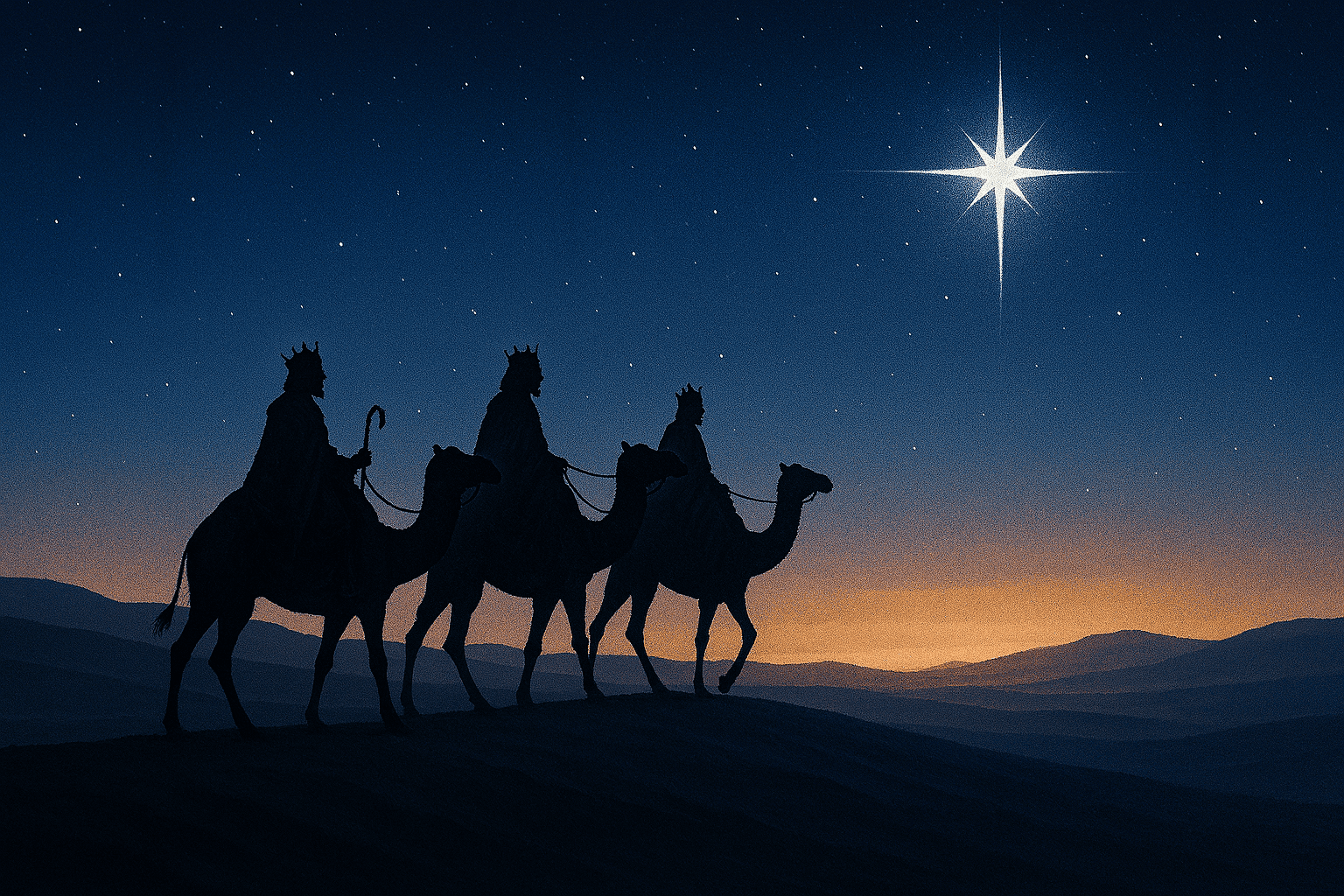
- Western Christianity: Focuses primarily on the visit of the Three Wise Men or Magi, who followed a star to Bethlehem and brought gifts of gold, frankincense, and myrrh.
- Eastern Christianity: Emphasizes the baptism of Jesus on the River of Jordan, seen as a powerful revelation of his divine nature.
In many traditions, Epiphany officially brings the Christmas season to a close and begins a short period sometimes called Epiphanytide. For families who love the holidays, it offers one final moment to gather, reflect, and celebrate before fully stepping into the new year.
Why some people call it “Little Christmas”
In several cultures, Epiphany is affectionately known as “Little Christmas”. The name reflects the idea that the Christmas story does not end on December 25 it continues with the arrival of the Wise Men and the wider recognition of the child in the manger.
In some regions, Epiphany is just as important as Christmas Day:
- Some families exchange gifts on Epiphany instead of, or in addition to, Christmas Day, echoing the Magi’s gifts.
- Decorations stay up until January 6, and the day becomes a natural moment to gently “close” the season.
- Special meals and desserts are reserved specifically for Epiphany, giving it its own flavor and identity.
For people who feel that the holidays end too quickly, Little Christmas offers a quieter, meaningful way to say goodbye to the season with one last celebration.
How people celebrate Epiphany around the world
Epiphany traditions vary widely from country to country, but they often share themes of light, blessing, and generosity. Here are some of the most common and colorful customs.
Blessing homes and doorways
In many Christian households, Epiphany is a time to bless the home for the new year.
A traditional practice involves writing a chalk inscription above the door, such as:
20+C+M+B+26 for the year 2026.
The letters are often interpreted as the initials of the legendary Wise Men — Caspar, Melchior, and Balthazar, or as the Latin phrase Christus mansionem benedicat (“May Christ bless this house”). It’s a simple, visible reminder of protection, hospitality, and hope for the year ahead.
Parades, processions, and star singers
In cities and villages across Europe and Latin America, Epiphany is celebrated with parades and processions. People dressed as the Three Kings ride on floats, hand out sweets to children, and sometimes visit hospitals, schools, or community centers.
In some regions, children participate in “star singing,” carrying a star-shaped lantern and singing carols as they go from house to house. These traditions keep the story of the star and the journey of the Magi alive in a festive, community-centered way.
Three Kings’ Day and gift-giving
In Spanish-speaking countries and parts of Europe, Epiphany is widely known as Three Kings’ Day For many families, this is the main gift-giving day of the season.
Children may leave their shoes out on Epiphany Eve, sometimes filled with hay or grass for the kings’ camels. In the morning, they wake up to find small gifts and sweets in or around their shoes, left by the visiting kings.
Special pastries and “king cakes”
Food is considered an important part of Epiphany. Many cultures bake a special treat for the day:
- Rosca de Reyes (Mexico and Latin America): A ring-shaped sweet bread decorated with candied fruit. A small figurine is hidden inside; whoever finds it often hosts a later celebration.
- Galette des Rois (France): A flaky pastry typically filled with almond cream. A charm (called a “fève”) is hidden inside, and the person who finds it becomes “king” or “queen” for the day.
- Various “king cakes” across Europe and beyond, each with its own local twists and fillings.
These pastries turn the Epiphany table into a playful celebration, blending symbolism and sweetness.
La Befana and other folk traditions
In Italy, Epiphany has a beloved character of its own: La Befana, a kind old woman who flies on a broom and delivers small gifts and sweets to children on the night before Epiphany. According to legend, she was invited by the Wise Men to visit the child in Bethlehem, but delayed joining them, and so she continues to search for him, visiting homes along the way.
Other regions have their own local customs, from water blessings and river processions in Eastern Christian communities to outdoor bonfires symbolizing the light that guided the Magi.
How Epiphany is changing in modern times
Like many holidays, Epiphany is evolving as families adapt traditions to modern life. Some people preserve deeply religious customs, while others treat it as a cultural or seasonal celebration that gently closes the holidays.
A few emerging patterns include:
- Digital and livestreamed celebrations: Church services, parades, and concerts are sometimes streamed online, allowing people to participate even if they can’t attend in person.
- Smaller, home-centered rituals: Families may light a candle, share a special dessert, or read the story of the Wise Men are together instead of participating in large public events.
- Blending Epiphany with New Year reflections: Some people use January 6 as a moment to set intentions, think about generosity, and reflect on what they want to “bring” to the world in the year ahead, echoing the gifts of the Magi.
- Eco-conscious celebrations: Choosing fewer but more meaningful gifts, using natural decorations, or incorporating a winter walk or stargazing by the light of day.
Epiphany is becoming, for many, a quieter counterpart to the rush of December a day rooted in thoughtfulness, symbolism, and simple gatherings.
Ideas for celebrating Epiphany at home
Whether you celebrate Epiphany as a religious feast, a cultural tradition, or simply a charming “Little Christmas,” there are many ways to make January 6 feel special.
- Bake a “king cake” or special dessert: Try a Rosca de Reyes, Galette des Rois, or your own family recipe and hide a small charm inside for fun.
- Light a candle for the new year: Use the moment to reflect on where you’ve come from and where you’re going, like following a guiding star into a new season.
- Read or tell the story: Share the story of the Wise Men, La Befana, or local Epiphany legends with children, friends, or family.
- Bless your home: Write a chalk blessing above your doorway or say a simple wish for peace, health, and hospitality in the year ahead.
- Exchange small gifts or notes: Instead of big presents, share handwritten notes of appreciation, small tokens, or “three little gifts” in honor of the Magi.
- Create or display seasonal art: Stars, night skies, and gentle winter scenes make beautiful decorations, cards, or calendar pages that echo the Epiphany story.
The future of Epiphany and “Little Christmas”
Looking ahead, Epiphany is likely to keep evolving, balancing its ancient roots with modern life. We may see more:
- Multicultural celebrations: Communities bringing together different Epiphany customs, sharing food, music, and stories from around the world.
- Artistic and digital interpretations: Epiphany-inspired art, photography, music, and online storytelling that explore themes of light, journey, and discovery.
- Family traditions that grow over time: Simple rituals, a cake, a candle, a story that become cherished yearly markers, passed down to new generations.
Even as Christmas decorations come down, Epiphany offers one last moment to pause, to celebrate, and to step into the new year with a sense of wonder guided, like the Wise Men, by a light that leads forward.