Every January, the United States pauses to honor the life and legacy of Dr. Martin Luther King Jr., a minister, activist, and visionary whose moral courage reshaped the nation. Martin Luther King Jr. Day is more than a federal holiday. It is a moment of reflection, service, and recommitment to the ideals of equality and dignity for all people. As the world continues to evolve, the meaning of this day grows with it, inviting each generation to carry forward Dr. King’s unfinished work.
A Brief History of Dr. King’s Life and Leadership
Martin Luther King Jr. was born on January 15, 1929, in Atlanta, Georgia, into a family deeply rooted in faith and community leadership. Guided by the teachings of his father, Reverend Martin Luther King Sr., and inspired by the nonviolent philosophy of Mahatma Gandhi, King emerged as one of the most influential leaders of the American civil rights movement.
Key Milestones in His Journey
- 1955–56: The Montgomery Bus Boycott
Sparked by Rosa Parks’ arrest, King helped lead a 381-day boycott that challenged segregation and propelled him into national prominence. - 1963: The March on Washington
Before more than 250,000 people, King delivered his iconic “I Have a Dream” speech, calling for racial harmony and equal opportunity. - 1964: Nobel Peace Prize
At just 35, he became the youngest recipient at the time, honored for his commitment to nonviolent resistance. - 1965: Selma to Montgomery Marches
These demonstrations secured the Voting Rights Act, one of the most important civil rights laws in U.S. history. - 1968: His Assassination
King was killed in Memphis while supporting sanitation workers demanding fair treatment. His death shook the world, but his message endured.
Dr. King’s legacy is not defined by speech or march, but by a lifetime of steadfast advocacy for justice, compassion, and peaceful change.
Why We Celebrate Martin Luther King Jr. Day
The holiday, signed into law in 1983 and first observed in 1986, honors King’s profound impact on civil rights, democracy, and the moral conscience of the nation. It stands as a reminder that:
- Equality is a continuous effort, not a finished chapter.
- Nonviolence is a powerful force for change, even in turbulent times.
- Every individual has a role in shaping a more just society.
MLK Day is also the only federal holiday designated as a National Day of Service, encouraging Americans to transform remembrance into action.
How We Celebrate Today
Across the country, communities mark the day with reflection, education, and service. Some of the most meaningful observances include:
Community Service Projects
Food drives, neighborhood cleanups, school supply donations, and volunteer events embody King’s belief that “everybody can be great because everybody can serve.”
Educational Programs
Schools, museums, and libraries host lectures, film screenings, and discussions that explore civil rights history and modern social justice issues.
Cultural Celebrations
Choirs, interfaith gatherings, and artistic performances highlight the music, poetry, and storytelling traditions that fueled the movement.
Marches and Peace Walks
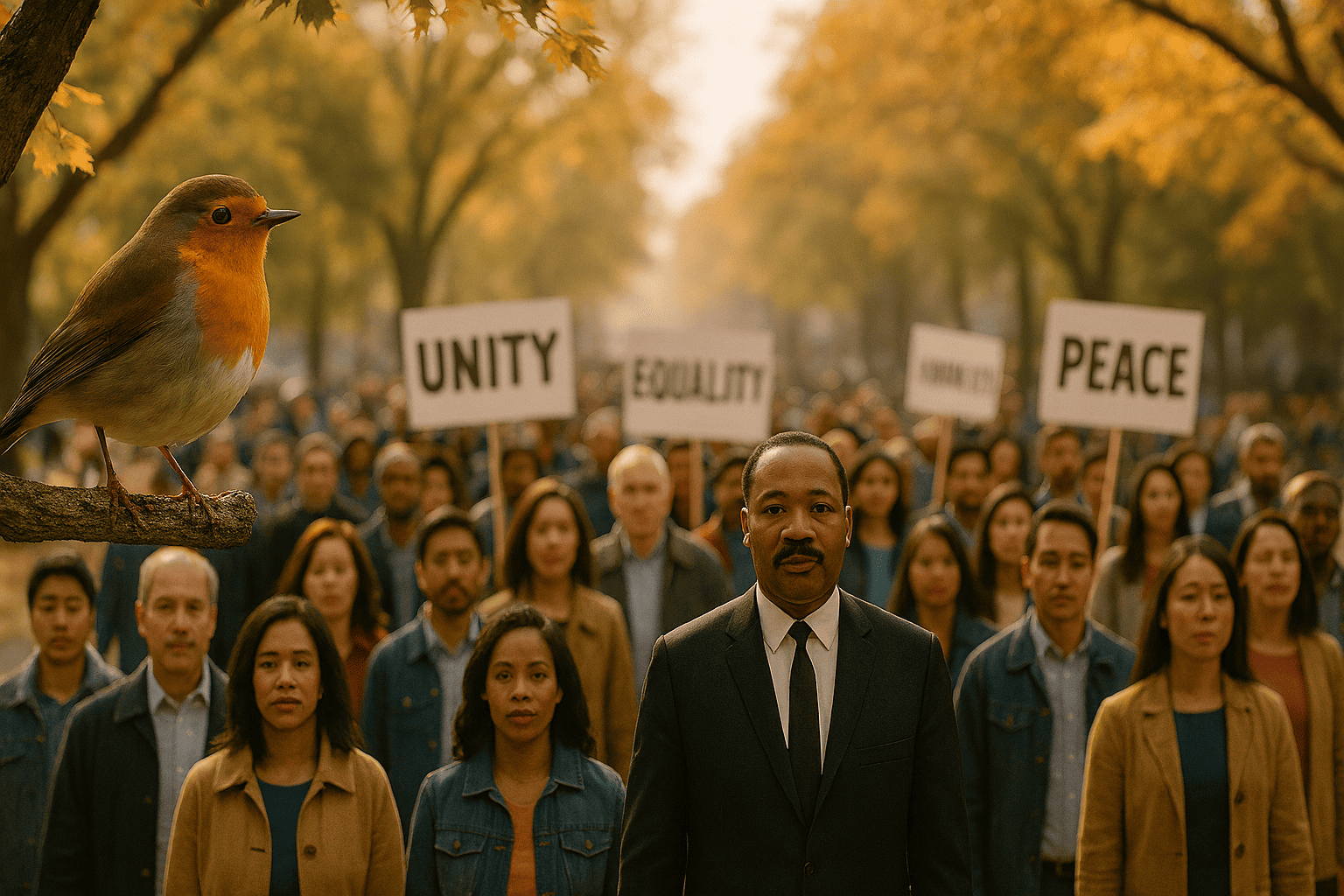
Cities across the U.S. hold unity walks and commemorative marches that echo the spirit of the 1960s.
Digital Tributes
In the modern era, social media campaigns, virtual events, and livestreamed ceremonies help people participate from anywhere in the world.
How We Can Celebrate in the Future
As society evolves, so does the meaning of MLK Day. Future observances may include:
Globalized Celebrations
King’s message resonates far beyond U.S. borders. Expect more international events, multilingual programs, and cross-cultural collaborations.
Interactive Learning
Augmented reality history tours, immersive documentaries, and digital storytelling platforms could bring civil rights history to life for younger generations.
Community-Building Initiatives
More cities may adopt year-round service commitments, mentorship programs, and civic engagement projects inspired by King’s teachings.
Policy and Advocacy Engagement
MLK Day could increasingly catalyze discussions on voting rights, economic justice, and equitable access to education issues King championed.
The Enduring Message of Dr. King
At the heart of Martin Luther King Jr. Day is a simple but powerful truth: justice requires participation. King believed in the transformative power of ordinary people working together with extraordinary determination. His dream was not a passive hope; it was a call to action.
As we honor him each year, we are invited to reflect on our own roles in building a society rooted in fairness, empathy, and unity. Whether through service, learning, or advocacy, every contribution, large or small, helps keep his dream alive.
Further Resources and MLK Day Celebrations
- Seattle–Tacoma MLK Day Events & Programming (KNKX)
- Bay Area MLK Day Guide (KQED)
- Chicago MLK Day Events (Chicago Sun-Times)
- Tampa Bay MLK Day Events (Bay News 9)
- Tampa Bay Parades & Celebrations (WTSP)
- MLK Day Parades Across the USA (AllEvents)
- National MLK Holiday Events (MLK Parade & Festivities Committee)
- Federal MLK Day Overview (GovInfo)