Rockin Robin SongFlying The Web For News.
RobinPost Logo Amazon Prime Deals


Global World Topics

As mid-February settles in, Presidents' Day arrives as a welcome pause in the winter season, a moment when communities across the United States step outdoors for parades, visit historic sites, and reflect on the leaders who shaped the nation. The holiday blends civic pride with the comfort of a long weekend, creating a unique mix of celebration, education, and family time.

In 2026, the holiday on February 16th carries added significance as the nation enters its 250th anniversary year, inspiring expanded programming, special exhibitions, and renewed interest in the country’s founding era.
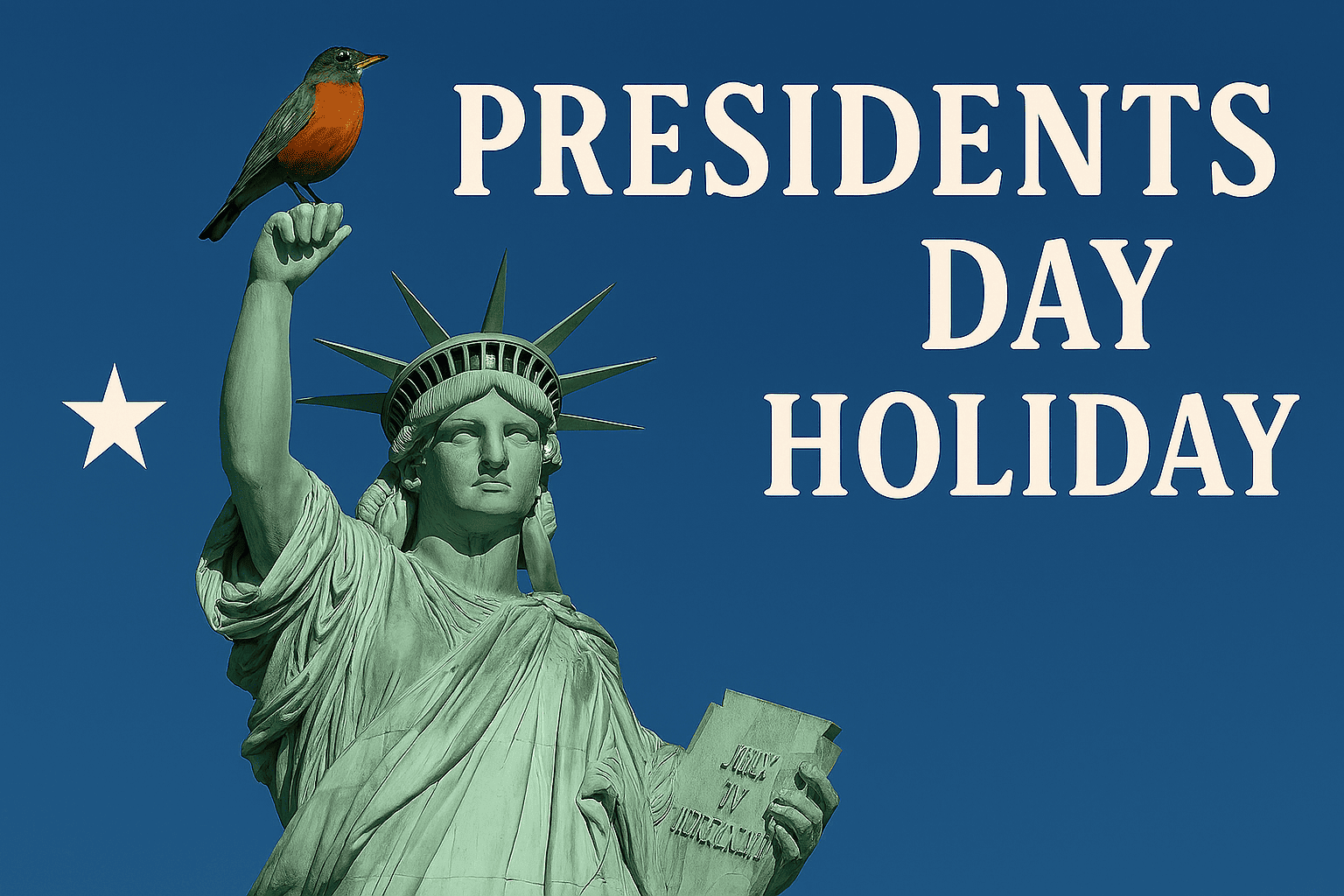

🇺🇸 How Americans Are Celebrating Presidents Day: Parades, Traditions, and Long Weekend Plans

From Washington’s Birthday to a Modern Presidents Day

Presidents' Day began as a celebration of George Washington’s birthday, long observed on February 22. The holiday shifted in 1971 with the Uniform Monday Holiday Act, which moved several federal holidays to Mondays to create more three-day weekends for workers. Although the federal holiday is still officially named Washington’s Birthday, most states and communities now use the broader term Presidents Day.

Some states continue to honor Washington specifically, others pair him with Abraham Lincoln, and many treat the day as a celebration of all U.S. presidents. This flexibility has allowed the holiday to evolve into a blend of historical reflection, civic engagement, and community tradition.

Signature Parades That Bring History to the Streets

Parades remain one of the most vibrant and beloved Presidents Day traditions. From historic East Coast towns to major celebrations in the South, these events bring together marching bands, reenactors, civic groups, and families for a festive tribute to American history.

George Washington Birthday Parade – Alexandria, Virginia

Alexandria hosts one of the nation’s most iconic Presidents Day events: the George Washington Birthday Parade. The procession winds through Old Town’s brick-lined streets, featuring drum corps, color guards, youth organizations, local businesses, and costumed portrayals of George and Martha Washington.

The 2026 parade is especially meaningful as Alexandria highlights Washington’s legacy during the nation’s 250th-anniversary year, with expanded programming, walking tours, and historic-site events throughout the weekend.

Laredo, Texas – Washington’s Birthday Celebration

In Laredo, Texas, Presidents Day is part of a month-long Washington’s Birthday Celebration that dates back to the late 1800s. The festivities include parades, concerts, a carnival, a colonial pageant, and community events that draw visitors from across the region. It is one of the largest and longest-running celebrations of its kind in the United States.

GeorgeFest – Eustis, Florida

Eustis, Florida, hosts GeorgeFest, a tradition dating back more than a century. The event includes a grand parade, live music, a carnival, and fireworks—making it one of the most spirited Presidents Day celebrations in the Southeast.

Local Parades Across the Country

Beyond the major celebrations, countless towns and cities host smaller parades that reflect local pride and community spirit. School bands, veterans’ groups, civic organizations, and local leaders often participate, keeping the holiday’s traditions alive at the neighborhood level.

Museums and Historic Sites: Learning from the Presidency

Presidents' Day weekend is one of the busiest times of the year for museums, presidential libraries, and historic homes. Many sites offer special programming, discounted admission, and family-friendly activities that bring presidential history to life.

George Washington’s Mount Vernon

Mount Vernon remains a focal point for the holiday. The estate often offers free admission on select days around Washington’s birthday, drawing visitors eager to explore the mansion, museum, and historic grounds. Special events may include wreath-laying ceremonies, reenactments, and talks by historians.

National Constitution Center – Philadelphia

The National Constitution Center typically hosts a full weekend of programming, including educational workshops, family activities, and exhibits that explore the presidency, the Constitution, and the evolution of American democracy.

Presidential Libraries and Historic Homes

Many presidential libraries—from the Lincoln Presidential Library in Illinois to the Kennedy Library in Massachusetts offers themed events, film screenings, and special exhibits. Historic homes such as Monticello, Montpelier and Adams National Historical Park also participate in tours and educational programs.

A Special Year for History Lovers

With the United States marking its 250th anniversary, many institutions are expanding their Presidents' Day offerings in 2026, providing deeper context on the founding era and the evolution of the presidency.

How Americans Spend the Long Weekend

For many Americans, Presidents' Day is both a historical observance and a practical winter break. The three-day weekend offers a chance to travel, relax, or enjoy local events.

  • Short trips and getaways: Families often take road trips, visit national parks, or explore historic cities like Washington, D.C., Philadelphia, and Boston.
  • Winter recreation: Ski resorts and mountain towns see a surge in visitors taking advantage of the mid-winter break.
  • Retail sales: Presidents Day is one of the biggest shopping weekends of the year, with major promotions on furniture, appliances, electronics, and cars.
  • Local civic events: Schools, libraries, and community centers host essay contests, performances, and educational programs.

Presidents Day in the Digital Age

As more institutions expand their online offerings, Presidents' Day has become increasingly digital. Families and educators can explore presidential history from home through:

  • Virtual museum tours from presidential libraries and historic homes.
  • Online archives featuring letters, speeches, and documents from past presidents.
  • Educational videos and interactive exhibits created by museums and historical societies.
  • Social media celebrations where people share trivia, quotes, and historic photos.

Why Presidents Day Still Matters

Presidents' Day offers a moment to reflect on leadership, democracy, and the evolving story of the United States. It reminds us that the presidency has been shaped by individuals with diverse backgrounds, strengths, and challenges and that their decisions continue to influence the nation today.

Whether celebrated through a parade, a museum visit, a family trip, or a quiet moment of reflection, the holiday invites Americans to consider the values that define the country and the leadership it needs for the future.

Reference Articles and Official Event Pages


More News From This Category
Juneteenth Holiday Events to Watch and Join
Fri, 19 Jun 2026 04:08:48 +0000

If you're planning around Juneteenth this year, the biggest challenge usually is not finding something to do - it's sorting through the many juneteenth holiday events happening at once. In many cities, the calendar now stretches far beyond a single parade or speech. You may see museum programs in the morning, food festivals in the afternoon, live music at night, and community service events running all week.

That wider mix matters because Juneteenth is both a celebration and a public remembrance. The strongest events usually understand that balance. They make room for joy, history, local business, family activities, and civic reflection without reducing the day to any one thing.


Juneteenth Holiday Events to Watch and Join

What defines strong juneteenth holiday events

Not every Juneteenth program feels the same, and that is part of the point. A neighborhood block gathering can be just as meaningful as a major city festival if it is rooted in the community and clear about why the holiday is being observed. The best events often bring together education and access. They welcome first-time attendees, longtime organizers, children, elders, and visitors who may know the date but not the deeper history.

A strong event usually has a visible historical thread. That might mean readings, spoken-word performances, exhibits on emancipation, local Black history tours, or panel discussions about voting rights, education, health, and economic opportunity. It also tends to create space for celebration through music, dance, art vendors, and shared meals. When those elements work together, the day feels lived-in rather than staged.

There is also a practical side. Good planning, clear schedules, accessible transit information, family zones, and heat safety matter more than people sometimes expect. Juneteenth falls in a warm-weather window, and large outdoor gatherings can become difficult if organizers do not plan for shade, hydration, and crowd flow.

The most common types of Juneteenth events

Across the United States, Juneteenth calendars now span multiple formats. Large metro areas often lead with parades, city festivals, and headline concerts. Smaller communities may center church gatherings, library talks, school-led performances, or local park celebrations. Neither approach is better by default. It depends on what the community wants the holiday to do.

Parades and public celebrations

Parades remain one of the most recognizable Juneteenth formats. They are visible, public, and intergenerational. Marching bands, step teams, civic groups, faith organizations, and local officials often take part. For families, parades can be the easiest entry point because they feel welcoming and familiar.

The trade-off is that parades sometimes prioritize spectacle over context. The stronger versions include announcers, printed programs, or nearby cultural programming that explains the day and its local relevance.

Music, arts, and cultural festivals

Concerts, dance showcases, poetry readings, and art markets are now central to many Juneteenth programs. These events often draw the largest crowds because they combine entertainment with local business support. Food vendors, craft makers, bookstores, and creators can all benefit from the traffic.

This format works especially well when organizers avoid turning the day into a generic summer fair. Audiences tend to respond better when programming clearly highlights Black artists, Black-owned businesses, and local cultural institutions rather than using Juneteenth as a loose seasonal theme.

Educational programs and museum events

Museums, archives, historical societies, and public libraries have become major hosts for Juneteenth events. Their programs can include lectures, curated exhibits, oral histories, documentary screenings, and children's learning activities. For readers who prefer a lower-noise setting, this is often the best choice.

These events may not generate the same social media buzz as a street festival, but they often offer the clearest understanding of what the holiday marks and why its legacy remains current.

Volunteer and service-centered events

Some communities mark Juneteenth with blood drives, cleanup campaigns, donation programs, scholarship funds, and voter education events. This approach emphasizes action over attendance. It can be especially effective for organizations that want a day of service connected to a larger civic message.

The challenge is visibility. Service events do not always look festive, so they can be overlooked in packed event calendars. Still, for many attendees, they feel closest to the idea of honoring freedom through community investment.

How cities are shaping Juneteenth calendars

Major cities often treat Juneteenth as a full programming window rather than a one-day observance. That means readers tracking event coverage should expect rolling updates, not one final list. A city may host an official ceremony, then add neighborhood concerts, business expos, gallery nights, and livestreamed conversations over several days.

This is where broad event discovery matters. A single metro area can have very different Juneteenth experiences depending on where you look. Downtown may host the flagship celebration, while smaller venues offer more specialized programming like genealogy workshops, Black film screenings, or family storytelling sessions. For people scanning multiple categories at once, a platform such as RobinsPost fits that pattern of centralized discovery - news, schedules, video, and feature coverage in one browsing path.

Regional culture shapes the tone too. Southern celebrations may foreground longstanding community traditions. Northeast and Midwest cities often pair festivals with civic programming and museum partnerships. West Coast events may lean into arts, food, and activist history. None of that is fixed, but it helps explain why Juneteenth does not look identical from one city to the next.

How to choose the right event for your plans

The easiest way to choose among juneteenth holiday events is to start with intent. If you want to bring kids, look for daytime schedules, clear amenities, and hands-on activities. If your goal is learning, museum programs, guided tours, and panel talks may offer more value than a headline concert. If you want a broad community atmosphere, a citywide festival usually delivers the biggest mix of food, entertainment, and local organizations.

Timing matters as much as format. Morning events are often better for families and older adults, especially in hot climates. Evening concerts can be more exciting but less flexible for parking, crowds, and transportation. If an event spans multiple locations, check whether the schedule leaves enough time to move between them. A packed agenda sounds good until half the day is spent in traffic.

Budget is another real factor. Some of the best Juneteenth programs are free, but costs can add up through parking, food, rideshare fares, and vendor purchases. Free admission does not always mean low-cost attendance. If you are planning for a group, community center events and library programs can be easier on the budget without feeling limited.

What organizers are getting right - and wrong

The growth of Juneteenth programming is a positive shift, but expansion comes with uneven quality. Many organizers now do a much better job of centering Black history, featuring local talent, and building partnerships with schools, churches, nonprofits, and businesses. You can see the difference when an event reflects year-round relationships instead of last-minute branding.

Where some events miss the mark is in treating the holiday as a marketing container. A vague celebration with little educational grounding can feel disconnected from the reason the day exists. Audiences notice when the visuals are polished but the substance is thin.

Accessibility is another dividing line. Events that post clear times, maps, accessibility details, weather plans, and family information tend to earn repeat attendance. Those details may sound basic, but they shape whether a public celebration truly feels open to the public.

Why Juneteenth event coverage keeps growing

Juneteenth is now firmly part of the national calendar, but public understanding still varies. That is one reason event coverage continues to grow across news, video, local listings, and feature reporting. Readers are not only looking for where to go. They are also looking for context, city-specific updates, and a sense of how different communities are marking the holiday.

That shift has changed how events are presented. Coverage now often includes livestreams, short videos, interviews with organizers, photo galleries, and rolling schedule updates. For audiences used to following several topics at once, that format makes sense. Juneteenth touches history, culture, politics, education, travel, food, and local business all at once.

It also means last-minute changes are common. Weather, permits, artist lineups, and venue capacity can all affect plans. Readers should expect event information to move quickly, especially in larger markets where multiple organizers are involved.

A better way to approach the day

The most useful mindset is simple: choose an event that helps you participate, not just observe. That could mean attending a major festival, supporting local vendors, bringing children to a history program, or setting aside time for a quieter museum visit before the bigger crowds arrive. Juneteenth works best as a public day with room for many entry points.

If your local calendar feels crowded, that is a good problem to have. It means the holiday is being expressed through more voices, more formats, and more communities than before. Pick the event that fits your time, your interests, and your purpose - then leave room to learn something you did not expect.

Read More ...


How Better Prep Improves Trade Execution
Thu, 18 Jun 2026 09:30:01 +0000

A person reviewing paperwork on a clipboard with financial graphs on it. Their laptop is sitting next to the clipboard.

One of the more frustrating experiences in trading is watching a setup unfold exactly as expected and still ending up with a poor result. In many cases, the issue isn’t the analysis itself. It’s the lack of preparation that happened before placing the trade.

Read More ...


Winter Solstice 2026: Date, Time, and Meaning
Thu, 18 Jun 2026 04:08:31 +0000

If you check a calendar in late December and notice daylight disappearing before dinner, you are already feeling the approach of the winter solstice 2026. This annual turning point marks the shortest day and longest night of the year in the Northern Hemisphere, and in 2026 it lands on Monday, December 21.

For many readers, that date is practical before it is poetic. It tells you when sunrise and sunset trends begin to shift, when seasonal events pick up, and why the dark stretch of late December feels so pronounced. It is also one of those rare moments where astronomy, weather, culture, and everyday routines all meet in one place.


Winter Solstice 2026: Date, Time, and Meaning

When is winter solstice 2026?

The winter solstice 2026 occurs on December 21, 2026, in the United States. The exact clock time can vary slightly depending on the time zone you are viewing it from, because the solstice is a precise astronomical event, not just a calendar label. In broad terms, it happens the moment the Northern Hemisphere is tilted farthest away from the sun.

That does not mean it will be the latest sunrise and earliest sunset on that exact date in every U.S. location. This is where people often get tripped up. The solstice marks the shortest overall daylight period, but sunrise and sunset do not always line up perfectly with that one day because of the Earth’s orbit and the way solar time differs from our standard clock time.

So if you are tracking daylight for commuting, travel, school runs, or photography, the solstice is the anchor date, but local sunrise and sunset charts still matter.

What the winter solstice actually means

The easiest way to think about the solstice is this: it is about Earth’s tilt, not distance from the sun. Our planet is tilted on its axis by about 23.5 degrees. As Earth moves around the sun, that tilt changes how directly sunlight reaches different parts of the globe over the year.

In December, the Northern Hemisphere leans away from the sun. The sun appears lower in the sky, its path is shorter, and daylight is reduced. That is why the winter solstice is the darkest day of the year north of the equator. At the same time, the Southern Hemisphere gets its summer solstice and its longest day.

This matters because many people assume winter happens because Earth is farther from the sun. It sounds reasonable, but it is not the main driver. Seasonal change is largely about angle and duration of sunlight, which affects heating, daylight hours, and the rhythms we notice in daily life.

Why the shortest day does not mean the coldest day

One common question around winter solstice 2026 is whether it will also be the coldest day of the year. Usually, no. In much of the U.S., the coldest period often comes later, in January or even February.

That lag happens because land, oceans, and the atmosphere hold heat and release it gradually. Even after the solstice, the Northern Hemisphere continues to lose more heat than it gains for a while. Daylight starts increasing again, but the system does not warm up overnight.

This is one of those useful real-world distinctions. The solstice is an astronomical marker. The coldest stretch of winter is a weather and climate pattern. They are related, but they are not interchangeable.

Winter solstice 2026 and daylight changes

After the solstice, days begin getting longer again, but the change is subtle at first. In many parts of the country, you will only gain seconds or a minute or two of daylight at a time. If you are waiting for a dramatic shift, it can feel slower than expected.

Still, the psychological effect is real. For many people, the solstice is a milestone because it signals that the daylight trend has stopped shrinking. Even if winter weather is still ahead, the annual slide into shorter days has reached its limit.

In northern states, the difference between December daylight and summer daylight is stark. In southern states, the contrast is less extreme, but still noticeable. Alaska, of course, experiences the most dramatic variation. So the meaning of the solstice feels different depending on where you live.

How people observe the solstice

The winter solstice has long been more than a scientific event. Across cultures, it has been tied to festivals, rituals, feasts, fire, candles, and symbols of return. The reason is easy to understand. When a society depends more directly on natural light and seasonal cycles, the darkest point of the year carries emotional and practical weight.

Today, observation ranges from formal to casual. Some people attend sunrise gatherings, religious services, yoga events, or seasonal festivals. Others mark it more quietly by lighting candles, taking an evening walk, or simply paying attention to the sky.

It also overlaps with a busy holiday period, which can blur its identity. For some households, the solstice is central. For others, it is background context to Christmas, Hanukkah, New Year celebrations, school breaks, or winter travel. There is no single modern American way to mark it.

Why this date still gets attention in news and lifestyle coverage

A date like winter solstice 2026 tends to travel across categories. It appears in science reporting because it is a fixed astronomical event. It shows up in weather coverage because audiences connect it with winter conditions. It enters lifestyle and travel content through seasonal destinations, holiday traditions, and outdoor events. It also lands in health and wellness discussions because shorter days affect mood, routines, and time spent outside.

That wide relevance is why general-interest readers keep searching for it every year. They are not always looking for a textbook explanation. Often they want a quick answer, local context, and a clearer sense of what changes next.

For a broad news and discovery platform, this is the kind of topic that naturally connects science, daily life, and seasonal planning in one stop.

Common questions about the winter solstice 2026

Is the winter solstice the first day of winter?

Astronomically, yes. The winter solstice marks the start of winter in the astronomical calendar. Meteorologists, however, define winter differently, with the season beginning on December 1. Both systems are widely used, so it depends on the context.

Will the sun start setting later right after the solstice?

In many places, sunsets begin getting later before the solstice, while sunrises continue getting later for a while after it. That sounds backward, but it is a normal effect of how solar noon shifts over the year. The result is that the shortest day is about the total amount of daylight, not just one sunrise or one sunset pattern.

Is the solstice the same everywhere?

The event itself is global and happens at one exact moment. The local date and clock time can appear different depending on time zone. Its visual impact also varies a lot by latitude, which is why daylight change feels much more dramatic in some places than others.

A useful way to experience it

If you want to make the date feel less abstract, compare sunrise, sunset, and total daylight in your city on the solstice versus one month later. That one comparison makes the seasonal shift easier to see than any definition does.

It is also worth stepping outside near midday if you can. The low winter sun angle tells the story immediately. Shadows stretch longer, the light feels thinner, and the day seems to move faster than it does in June.

That is part of why the solstice remains such a durable marker. It is precise enough for astronomers, familiar enough for everyday conversation, and visible enough that you can sense it without any equipment at all.

As December 21, 2026 approaches, the most helpful thing to remember is simple: the winter solstice is not just a fact on a calendar. It is the point where the year’s darkest stretch peaks, and little by little, the light starts coming back.

Read More ...


How To Train Your Teenager To Take Care of Their Car
Wed, 17 Jun 2026 09:27:42 +0000

A father smiles as he shows his son the parts of a car engine. A red car sits parked in the street behind them.

When your teenager finally gets to operate a vehicle, they need to know more than traffic rules. Instead, they must know how to provide cars with the right amount of care to keep them running reliably.

Read More ...


Summer Solstice 2026: Date, Time, and Meaning
Wed, 17 Jun 2026 04:08:28 +0000

If you're planning early summer travel, outdoor events, or simply watching the seasonal calendar, summer solstice 2026 is one of the key dates to circle now. It marks the longest day of the year in the Northern Hemisphere, the official start of astronomical summer, and a moment that carries equal parts science, tradition, and everyday usefulness.

For many readers, the solstice is less about abstract astronomy and more about timing. When do the days stop getting longer? Why does the sunset seem to linger forever in late June? And does the solstice mean the hottest part of summer is already here? The short answer is no - but it does mark the turning point in daylight.


Summer Solstice 2026: Date, Time, and Meaning

When is summer solstice 2026?

Summer solstice 2026 falls on Saturday, June 20, 2026, in the United States.

The exact moment of the solstice happens when the Earth's Northern Hemisphere is tilted most directly toward the sun. That instant is global, but the calendar date can vary by time zone. For U.S. readers, the event lands on June 20, while some other parts of the world may refer to it differently depending on local time.

This is one of those details that matters if you're following live astronomy coverage, planning a sunrise gathering, or comparing reports from international news and science sources. The solstice itself is an exact moment, not an all-day event, even though most people experience it as the longest daylight period of the year.

What the summer solstice 2026 actually means

The solstice does not mean the sun is closer to Earth. That is a common misconception. Seasons are caused by Earth's axial tilt, not by dramatic seasonal changes in distance from the sun.

At the June solstice, the North Pole is leaning most toward the sun. That angle gives the Northern Hemisphere its greatest stretch of daylight and its highest sun path of the year. Places farther north generally see a more dramatic effect, with very long days and, in some regions, little to no full darkness.

In the continental United States, the exact amount of daylight will vary by location. A city in the north will get more daylight than a city in the south. So while the solstice is a single astronomical event, the lived experience is local. Sunrise, sunset, and total daylight hours depend on where you are.

Why the longest day is not the hottest day

This is where the calendar can feel a little counterintuitive. Summer begins astronomically at the solstice, but in much of the U.S., the hottest weather usually arrives weeks later.

That delay happens because land, water, and the atmosphere take time to heat up. In the same way that afternoon is often hotter than noon, the season's heat tends to lag behind the point of maximum sunlight. Meteorologists sometimes call this a seasonal lag.

So if summer solstice 2026 arrives and your local forecast is mild, that is not unusual. The solstice marks a daylight peak, not a guarantee of peak heat. For readers following weather, climate, or travel trends, that difference matters.

How people observe the solstice

The solstice has a practical side and a cultural side. Practically, it helps frame seasonal planning. Schools are out or nearly out, parks and beaches are busy, travel ramps up, and late sunsets stretch recreation hours. That makes the date useful for everything from family schedules to event calendars.

Culturally, the solstice carries a long history. Communities around the world have marked it with festivals, bonfires, music, sunrise gatherings, and rituals tied to harvest cycles, renewal, or spiritual reflection. Some observances are ancient. Others are modern and casual - yoga in a public park, a sunset concert, a local nature walk, or a neighborhood cookout that simply leans into the extra daylight.

There is no single correct way to mark the day. For some people, it is an astronomy event. For others, it is a seasonal milestone. For many, it is just a good excuse to stay outside longer.

Summer solstice 2026 and U.S. daylight patterns

One reason interest in the solstice stays high is that it changes daily life in visible ways. The days leading up to the solstice often bring the year's latest sunsets in some locations, though not always on the exact solstice date. That can surprise people checking local almanacs or weather apps.

The reason is that sunrise and sunset are influenced by more than one factor, including the Earth's orbit and the way solar time differs from clock time. As a result, the earliest sunrise and latest sunset do not always land on the same date as the solstice itself.

This is a good example of where astronomy is precise but public experience is messy. If you are looking for the longest total daylight period, the solstice is the benchmark. If you are chasing the very latest sunset for photography or an evening event, check local timing rather than assuming it falls on June 20 exactly.

Why this date matters beyond astronomy

The solstice intersects with several news and lifestyle categories at once. It is relevant to travel coverage, weather reporting, outdoor recreation, energy use, gardening, and even retail and event planning. Long daylight hours can shift consumer behavior in noticeable ways, from later restaurant traffic to increased attendance at festivals and sports events.

For families, it often signals a true summer rhythm. For commuters, it changes the feel of the day. For photographers and content creators, it offers extended golden-hour opportunities. For gardeners, it marks an important checkpoint, because daylight begins to shorten after the solstice even though the growing season continues.

That last point catches people off guard every year. After summer solstice 2026, the days will start getting shorter immediately. The change is gradual at first, and summer will still feel like it is building, not fading. But astronomically, the turn has already happened.

Solstice vs. midsummer: not always the same thing

In everyday conversation, people often treat the solstice as midsummer. In seasonal feeling, that makes sense. In calendar terms, it depends on the system being used.

Astronomical summer begins at the solstice. Meteorological summer, used in many weather records, starts on June 1 and runs through August 31. Under that system, late June is closer to the middle of summer than the beginning. That is why headlines, forecasts, and lifestyle coverage can sound slightly different depending on whether the focus is astronomy or seasonal weather tracking.

Neither approach is wrong. They serve different purposes. Astronomers are tracking Earth's position relative to the sun. Meteorologists are organizing full months for cleaner climate data and easier year-to-year comparisons.

How to make the most of summer solstice 2026

If you want to do something with the day, keep it simple and local. Watch sunrise or sunset. Check your city's exact daylight length. Visit a park, trail, waterfront, or rooftop. Follow live science coverage if you enjoy the technical side. If your area hosts a public event, the solstice is one of the easier seasonal moments to join because it does not require special equipment or background knowledge.

It also helps to set expectations. The solstice can be visually dramatic, but it is not always dramatic in weather or atmosphere. Some years it arrives under gray skies, heat advisories, or ordinary conditions. The meaning comes from the calendar and Earth's position, not from whether the day looks cinematic.

That practical view fits the moment well. The solstice is both grand and routine - a precise celestial event that shows up in small everyday ways, from brighter evenings to fuller parks to later dinners on the patio.

For readers who track dates that shape the season, summer solstice 2026 is more than a line on the calendar. It is a useful marker for planning, a reliable piece of skywatching, and a reminder that even familiar annual events still connect weather, science, culture, and daily life in one clear moment. If you do nothing else, step outside and notice how long the light stays with you.

Read More ...


Related Bing News Results
FIFA World Cup schedule today: Games, kickoff times, livestream info for June 19
Fri, 19 Jun 2026 02:00:00 GMT
The 2026 World Cup is really heating up, literally and metaphorically. Today, June 19, is another big day with USA and Brazil in action. Play starts at 3 p.m. ET. We've broken down the details for you ...

Today’s Wordle #1826 Hints And Answer For Friday, June 19
Thu, 18 Jun 2026 15:52:00 GMT
Looking for help with today's New York Times Wordle? Here are some expert hints, clues and commentary to help you solve today's Wordle and sharpen your guessing game.

How to watch Thursday World Cup games free, World Cup free live stream today
Thu, 18 Jun 2026 14:27:00 GMT
Four World Cup matchups are scheduled for today, including Canada vs. Qatar and Mexico vs. South Korea. Here's how to watch all the action for free.

‘Today,’ ‘GMA,’ & ‘CBS Mornings’ Latest Ratings: Did NBA Finals Boost ABC?
Thu, 18 Jun 2026 14:23:00 GMT
CBS News editor-in-chief Bari Weiss has made significant changes at the network since taking the position in October 2025. This included the firing of several key 60 Minutes staffers last month, such ...

What World Cup games are on today? France, Argentina headline Tuesday schedule
Tue, 16 Jun 2026 06:54:00 GMT
What World Cup games are on today? France and Argentina headline Tuesday’s schedule, June 16. Here’s match times, TV channels and how to watch live.


Blow Us A Whistle


Related Product Search/Búsqueda de productos relacionados

Amazon Logo

Visit Our New Print-On-Demand Stores On Printify and Zazzle
Printify Zazzle