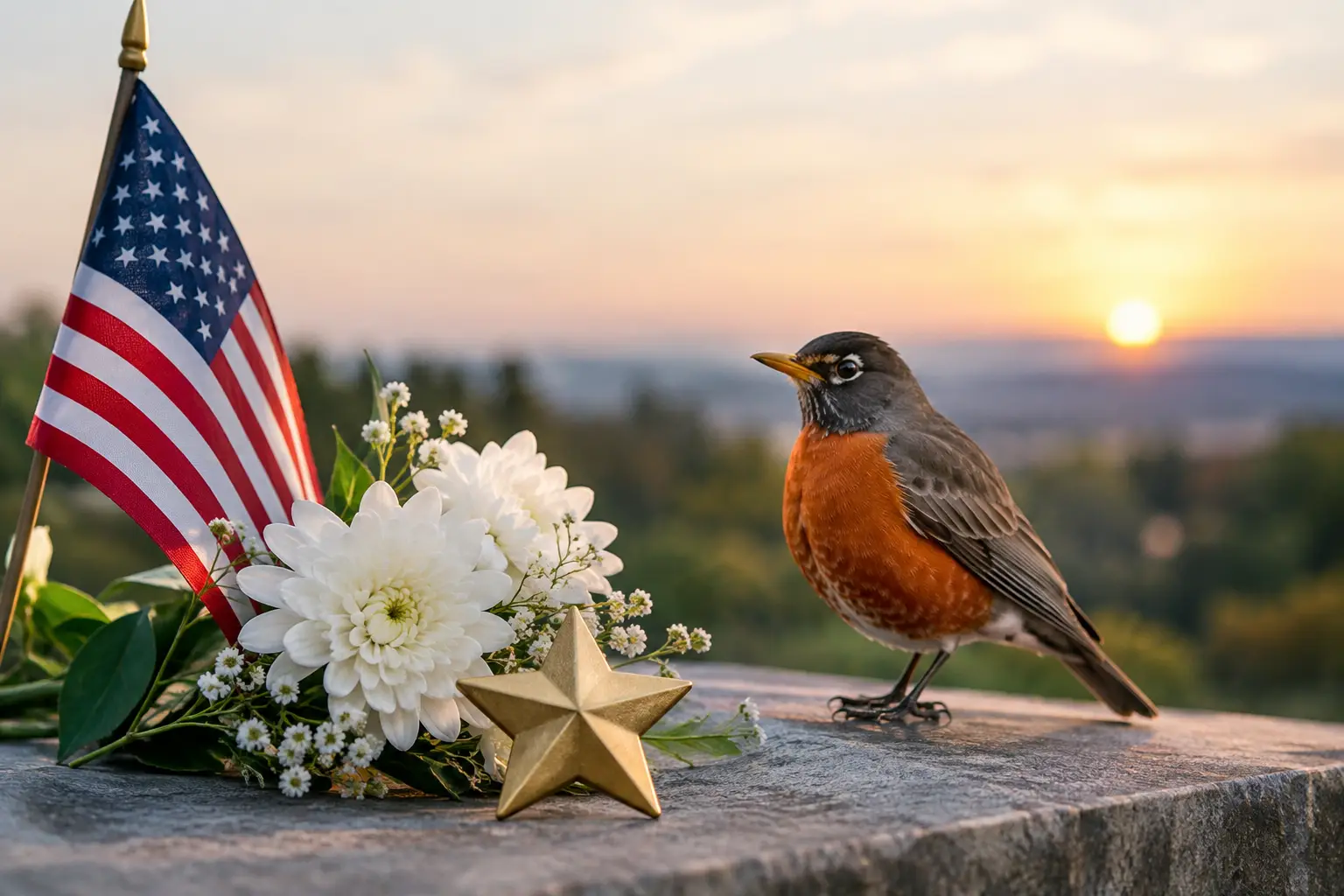
Mother’s Day has always been about gratitude, but how we show it keeps evolving. From its early roots as a day of reflection and peace to today’s experience‑based celebrations and inclusive gifting, the heart of the holiday is the same: honoring the people who nurture us, in all the ways that word “mother” can mean.
A Short History of Mother’s Day
Modern Mother’s Day in the United States began in the early 1900s, when Anna Jarvis organized a church service in 1908 to honor her late mother, Ann Reeves Jarvis, a community organizer who had created “Mothers’ Day Work Clubs” to support women and children.
In 1914, President Woodrow Wilson signed a proclamation making the second Sunday in May an official national holiday dedicated to mothers. Jarvis imagined the day as a quiet, personal observance: handwritten notes, simple flowers, and time set aside to say “thank you.”
As the holiday grew, so did its commercial side cards, candy, and large floral campaigns. Ironically, Anna Jarvis later spoke out against what she saw as the over‑commercialization of the day she helped create.
Long before the U.S. version, other traditions honored mothers and mother figures, including “Mothering Sunday” in parts of Europe, when people returned to their “mother church” and often brought small gifts or flowers to their own mothers.
Today, Mother’s Day blends these roots: a mix of reflection, gratitude, and new ways of celebrating that fit modern life.
Modern Mother’s Day Trends
While flowers and cards are still popular, many families are shifting toward celebrations that feel more personal, more sustainable, and more inclusive. Here are four key trends shaping Mother’s Day today.
1. Experience‑Based Celebrations
Many mothers say what they want most is time to connect, rest, or step away from daily responsibilities. Experience‑based celebrations are growing because they create memories instead of adding more “stuff.”
- Nature walks and garden visits: A slow morning in a park, botanical garden, or along a favorite trail.
- Pottery or craft classes: Hands‑on, creative time that ends with something made together.
- Spa‑at‑home rituals: Candles, bath salts, a cozy robe, and a promise that she doesn’t have to do anything for a few hours.
- “Unplugged days”: Phones on silent, no notifications, just conversation and presence.
A red robin perched on a branch becomes a gentle symbol of stepping outside, breathing deeply, and reconnecting with the world beyond the to‑do list.
2. Ethical and Sustainable Gifting
Another growing trend is choosing gifts that reflect shared values: sustainability, community support, and thoughtful consumption.
- Handmade goods: Ceramics, textiles, or art from local makers and small businesses.
- Eco‑friendly packaging: Reusable wraps, recycled paper, or no wrapping at all.
- Sustainable jewelry: Pieces made from recycled metals or ethically sourced materials.
- Local flowers: Seasonal blooms from nearby farms instead of long‑haul imports.
A robin gathering twigs and leaves for its nest mirrors the idea of choosing gifts that honor both the recipient and the planet.
3. Digital Tributes and Long‑Distance Love
As families live farther apart, digital celebrations have become a meaningful way to bridge the distance. A message on a screen can still carry a lot of heart when it’s personal and specific.
- Short video montages: Clips from family members sharing favorite memories or simple “I love you” messages.
- Photo reels: A timeline of moments from childhood to now set to a favorite song.
- AI‑assisted collages: Blending old photos and new ones into a single visual story.
- Digital thank‑you notes: Voice recordings or written messages that can be saved and replayed.
A small red robin can appear as a recurring digital charm—an emblem that flutters through frames or sits in the corner of a card, tying the tribute together.
4. Celebrating Non‑Traditional Motherhood
Mother’s Day is expanding to honor all kinds of caregivers, not just biological or adoptive mothers. This shift reflects a broader understanding of what it means to nurture and support others.
- Pet moms: People who pour time, care, and resources into their animals.
- Community caregivers: Neighbors, volunteers, and organizers who show up for others.
- Teachers and mentors: Adults who guide, encourage, and protect young people.
- Aunties, godparents, and chosen‑family mothers: The people we turn to for comfort and advice.
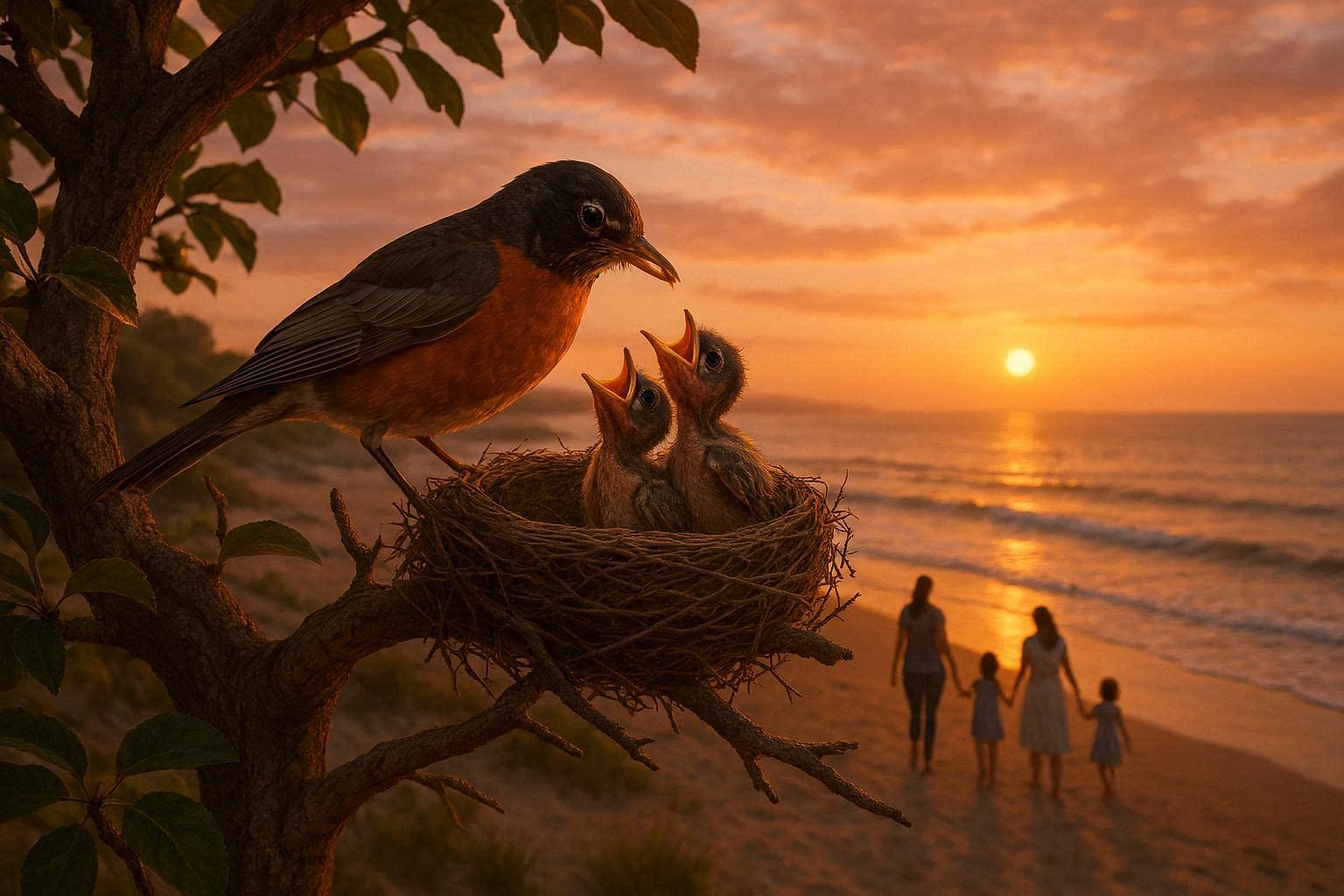
A robin feeding its chicks is a simple, powerful image of care, reminding us that motherhood is as much about presence as it is about titles.
Cultural Notes: How Mother’s Day Has Changed
In the early years of the U.S. holiday, Mother’s Day was often marked by church services, white carnations, and handwritten letters. The focus was on reflection and gratitude, not large purchases.
Over time, businesses saw an opportunity, and the day grew into one of the biggest greeting card and flower holidays of the year. That commercial growth brought more visibility—but also more pressure, especially for families with limited budgets or complicated relationships.
Today, many people are returning to the original spirit of the day: personal, specific appreciation. That might look like a simple phone call, a shared meal, or a message that says, “Here’s what your care has meant in my life.”
Across cultures, the details differ—some countries celebrate on different dates, some blend Mother’s Day with religious or seasonal festivals but the core idea is similar: pause, notice, and honor the people who have nurtured us.
Celebration Ideas and Gifts That Reflect What It Means to Be a Mom
Gifts can be more than objects; they can reflect the real work and real joys of being a mom, whether that means caregiving, providing, teaching, or simply showing up day after day.
Gifts About What Motherhood Really Means
- Story‑based gifts: A printed photo book with captions about what each moment meant, or a handwritten letter naming the ways she has shaped your life.
- Time off from routine: A “no chores” day where others handle cooking, cleaning, or errands.
- Tradition keepers: A recipe journal, a memory box, or a digital archive for family stories.
- Support for her passions: A class, membership, or tool that helps her grow in something she loves.
Gifts That Aren’t “Girly”
Not every mother connects with traditional gifts like perfume or jewelry. Some would rather be outside, building, exploring, or working with tools.
- Outdoor and adventure gear: Fishing equipment, camping gear, hiking boots, or a high‑quality flashlight.
- Tech and gadgets: Noise‑canceling headphones, a tablet, a smartwatch, or a portable speaker.
- DIY and workshop tools: A new drill, a set of quality hand tools, or a hardware store gift card.
- Sports and hobbies: Bike accessories, golf gear, a pickleball set, or supplies for her favorite sport.
Shared Experiences That Last Longer Than the Day
- Season passes or memberships: To a local garden, museum, zoo, or park system.
- Monthly “date” tradition: A standing plan once a month for coffee, a walk, or a video call.
- Family project: Planting a tree, starting a garden, or building something together.
Closing Reflection: A Day to Notice, Not Perfect
Mother’s Day can be joyful, complicated, or a mix of both. Not every relationship fits the greeting‑card version of the holiday, and not every mother wants the same kind of celebration.
What tends to matter most is sincerity: a message that feels real, a gesture that reflects who she is, and a moment where her care is seen and named.
Whether you’re planning a quiet walk, a digital tribute, a camping trip, or a simple phone call, the heart of the day is the same as it was when Anna Jarvis first imagined it: a personal, thoughtful “thank you” to the people who have nurtured us.