A shovel in the ground is the part most people remember. But the real story behind arbor day meanings is bigger than a ceremonial sapling, a school event, or a spring photo op. Arbor Day carries ideas about stewardship, civic pride, local identity, public health, and the long view - the kind of thinking that asks what a community will need decades from now, not just this season.
That is why the day keeps showing up in schools, city parks, garden clubs, conservation campaigns, and local government calendars. It is simple enough for children to understand and broad enough for adults to revisit with fresh relevance, especially as towns and cities face hotter summers, storm damage, habitat loss, and pressure on public green space.
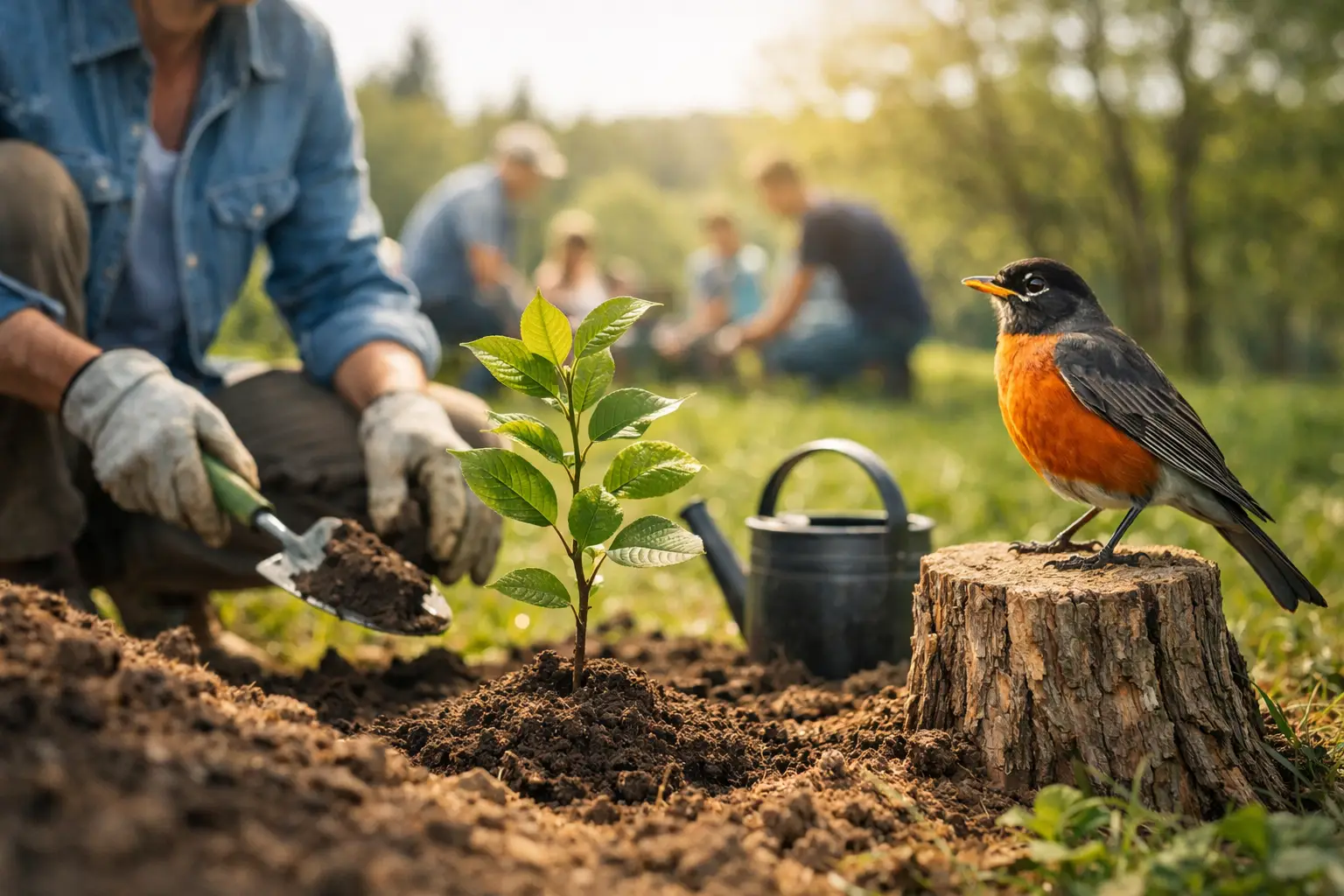
What Arbor Day means at its core
At its most basic, Arbor Day is a public call to plant, care for, and value trees. But that definition only gets you part of the way there. The deeper meaning is about responsibility. Trees take years to mature, often outliving the people who plant them, so the holiday naturally points toward legacy.
That future-facing idea matters. A tree planted today may shade a sidewalk for the next generation, lower cooling costs for nearby homes, reduce runoff after heavy rain, and become part of a neighborhood's visual identity. Arbor Day asks people to act on benefits they may not fully enjoy themselves. Few modern observances make that point so clearly.
There is also a practical democratic meaning built into the day. Arbor Day is not limited to experts, lawmakers, or major donors. Anyone with a yard, a school campus, a community lot, or a city block can take part. The message is that public good can begin with ordinary participation.
The history behind arbor day meanings
Arbor Day in the United States is widely linked to J. Sterling Morton, who promoted tree planting in Nebraska in the 19th century. The logic was straightforward. Settlers in the Plains needed windbreaks, fuel, building materials, and shade in a landscape with relatively few trees. Planting trees was not just attractive. It was useful.
That practical origin still shapes arbor day meanings now. The observance was never only sentimental. It grew out of a recognition that trees support daily life and local resilience. Over time, the day expanded beyond frontier necessity and became a broader civic tradition tied to beautification, conservation, and public education.
The date itself can vary by state because planting seasons differ. That detail is easy to overlook, but it says something important. Arbor Day is connected to local conditions. Climate, geography, and timing matter. In other words, the holiday is not just symbolic. It is rooted in the reality of place.
Why schools embraced it early
Schools have long played a major role in Arbor Day observances, and that makes sense. The day gives educators an easy way to connect nature, science, citizenship, and community service in one activity. A student may remember planting a tree long after forgetting a worksheet on soil types.
There is another layer, too. Arbor Day teaches patience in a culture that usually rewards speed. Children are asked to care for something that grows slowly and changes over time. That lesson can be as valuable as the tree itself.
Trees as symbols in public life
Part of what gives Arbor Day staying power is that trees carry meaning almost everywhere. They stand for growth, shelter, continuity, and renewal. In public settings, they also suggest stability. A mature tree on a courthouse lawn, a school entrance, or a town square can make a place feel established and cared for.
That symbolic value is not just poetic. It affects how people experience streets, parks, and neighborhoods. Tree-lined areas often feel more welcoming and livable. People notice shade, seasonal color, and a stronger sense of place even if they never put those reactions into formal language.
In that sense, arbor day meanings overlap with community identity. Planting a tree can mark an event, honor a person, remember a tragedy, or celebrate a shared effort. Memorial groves, school plantings, and city volunteer days all show how a tree can become a public marker of memory.
Why Arbor Day still matters now
Arbor Day remains relevant because the case for trees has become stronger, not weaker. Heat islands in urban areas, more intense rainfall in some regions, wildfire concerns in others, and ongoing development pressures all push local governments and residents to think harder about land use. Trees are not a cure-all, but they are one of the few visible civic investments that can support environmental and quality-of-life goals at the same time.
Shade is one obvious example. In many communities, tree cover can make outdoor spaces safer and more usable during hot weather. That can influence everything from walkability to playground access to summer energy demand. Air quality, habitat support, and stormwater management also enter the picture.
Still, Arbor Day should not be treated like an easy slogan. Planting the wrong species in the wrong place can create future problems with roots, pests, maintenance costs, or water use. A healthy urban forest takes planning, not just enthusiasm. That is one of the real trade-offs behind the celebration. The spirit of Arbor Day is simple, but the best results usually come from informed choices.
Arbor day meanings in cities, suburbs, and rural areas
The meaning of Arbor Day shifts a bit depending on where you are. In cities, it often centers on shade, public health, environmental justice, and the quality of shared space. Neighborhoods with fewer trees can face higher temperatures and less visual relief, so planting efforts may carry a fairness dimension as well as an environmental one.
In suburbs, Arbor Day may be tied more closely to neighborhood appearance, property value, stormwater control, and family participation. Residents often experience trees as both personal and communal. A tree may stand in one yard but shape the whole street.
In rural areas, the meaning can lean toward land stewardship, wildlife habitat, wind protection, erosion control, and agricultural value. The tree is not just an ornament. It may be part of working land, conservation planning, or restoration.
That flexibility helps explain why Arbor Day travels well across audiences. The same observance can speak to schoolchildren, planners, homeowners, growers, and park volunteers without losing its core message.
More than planting: care, protection, and planning
One of the most useful ways to understand arbor day meanings is to move beyond the act of planting. A newly planted tree that is ignored, damaged, or placed poorly does not fulfill much of the holiday's promise. Real commitment includes watering, pruning, monitoring disease, protecting roots, and making room for long-term growth.
This is where Arbor Day becomes less ceremonial and more civic. Communities that treat trees as infrastructure tend to get more from them. That means inventories, maintenance budgets, species diversity, and thoughtful placement near streets, schools, and public buildings. It may sound less romantic than a ribbon-cutting event, but it is often where the real value shows up.
For everyday readers, the takeaway is practical. Celebrating Arbor Day can mean planting a tree, but it can also mean learning which trees suit your region, supporting local canopy efforts, caring for mature trees already doing important work, or paying attention when development plans remove established cover.
A holiday that asks people to think ahead
Many annual observances revolve around remembrance or celebration. Arbor Day does something slightly different. It turns attention toward the future in a visible, grounded way. The tree becomes proof that planning ahead is not abstract. It can be planted, watered, measured, and watched.
That is a useful message at a time when public attention moves quickly. Trees operate on a longer timeline than most headlines, yet they affect daily life in immediate ways. They cool streets, frame neighborhoods, absorb rain, soften noise, and make built environments feel more human.
For a broad audience looking for practical meaning, that may be the best way to read the holiday. Arbor Day is not only about nature appreciation. It is about choosing to improve a place in a way that lasts. Whether the setting is a city block, a school campus, or a rural property, the point is the same: the best time to care for the future is often before it looks urgent.