A packed restaurant, red-white-and-green decor, music in the street, and a flood of promotions can make Cinco de Mayo look simple on the surface. It is not. The day carries a real historical meaning in Mexico, a distinct cultural life in the United States, and a modern commercial presence that often blurs the line between celebration and stereotype.
For readers tracking holidays, cultural events, public celebrations, and the stories behind widely recognized dates, Cinco de Mayo is one of those topics that benefits from a closer look. It appears every year across news coverage, local event listings, school calendars, retail campaigns, and community festivals, yet many people still confuse it with Mexico's Independence Day or treat it as a generic party holiday. The reality is more specific, and more interesting.
What Cinco de Mayo actually commemorates
Cinco de Mayo marks the Mexican army's victory over French forces at the Battle of Puebla on May 5, 1862. That battle took place during a period of foreign intervention in Mexico, when France sought to expand its influence after Mexico suspended debt payments to several European powers.
The Mexican victory at Puebla was not the end of the conflict, and it did not permanently stop French occupation. That matters, because the holiday is sometimes described in overly broad terms that flatten the history. The battle was symbolically powerful because a smaller, less-equipped Mexican force defeated a better-armed French army that was widely considered formidable at the time.
That win became a source of national pride. It represented resistance, resilience, and the ability to stand against outside pressure even under difficult conditions. In Mexico, the day has its strongest traditional significance in the state of Puebla, where battle reenactments, parades, and civic observances continue to anchor the event in its original history.
Cinco de Mayo is not Mexico's Independence Day
This is the point that still needs repeating every year. Cinco de Mayo is not Mexico's Independence Day. Mexico's Independence Day is celebrated on September 16 and commemorates the start of the independence movement against Spanish rule in 1810.
The confusion persists because Cinco de Mayo has much higher visibility in the United States than in many parts of Mexico. For many Americans, it is the Mexican holiday they see most often in restaurants, stores, entertainment coverage, and local event calendars. That visibility creates familiarity, but not always accuracy.
If you want the clean version, it is this: September 16 marks the beginning of Mexico's fight for independence from Spain. May 5 marks the Battle of Puebla, a later military victory against French forces. Different periods, different conflicts, different meaning.
Why Cinco de Mayo became so prominent in the United States
The American profile of Cinco de Mayo developed for several reasons, and it depends on which period you are looking at. Mexican American communities, especially in the western United States, played an early role in keeping the date visible. For some communities, the day carried themes of cultural pride, resistance, and solidarity.
Over time, public celebrations expanded. Civic groups, schools, local governments, and cultural organizations used the holiday as a platform to recognize Mexican heritage and Mexican American contributions. That community dimension still matters, especially in cities with deep Mexican American histories.
Then the commercial layer grew. Food and beverage brands, hospitality businesses, retailers, and event promoters saw the date as an easy fixture on the calendar. That broadened awareness, but it also changed the tone. In some places, Cinco de Mayo is presented as a cultural festival with music, dance, family programming, food vendors, and history displays. In others, it gets reduced to drink specials and surface-level imagery.
That split is part of why the holiday keeps generating fresh discussion. It is both a real historic observance and a heavily marketed American celebration. Those two versions overlap, but they are not identical.
How Cinco de Mayo is observed today
In Mexico, observance varies by region. Puebla remains the central focal point, with formal commemorations tied closely to the battle itself. Elsewhere, the date may be acknowledged without carrying the same scale or emotional weight that Americans often assume.
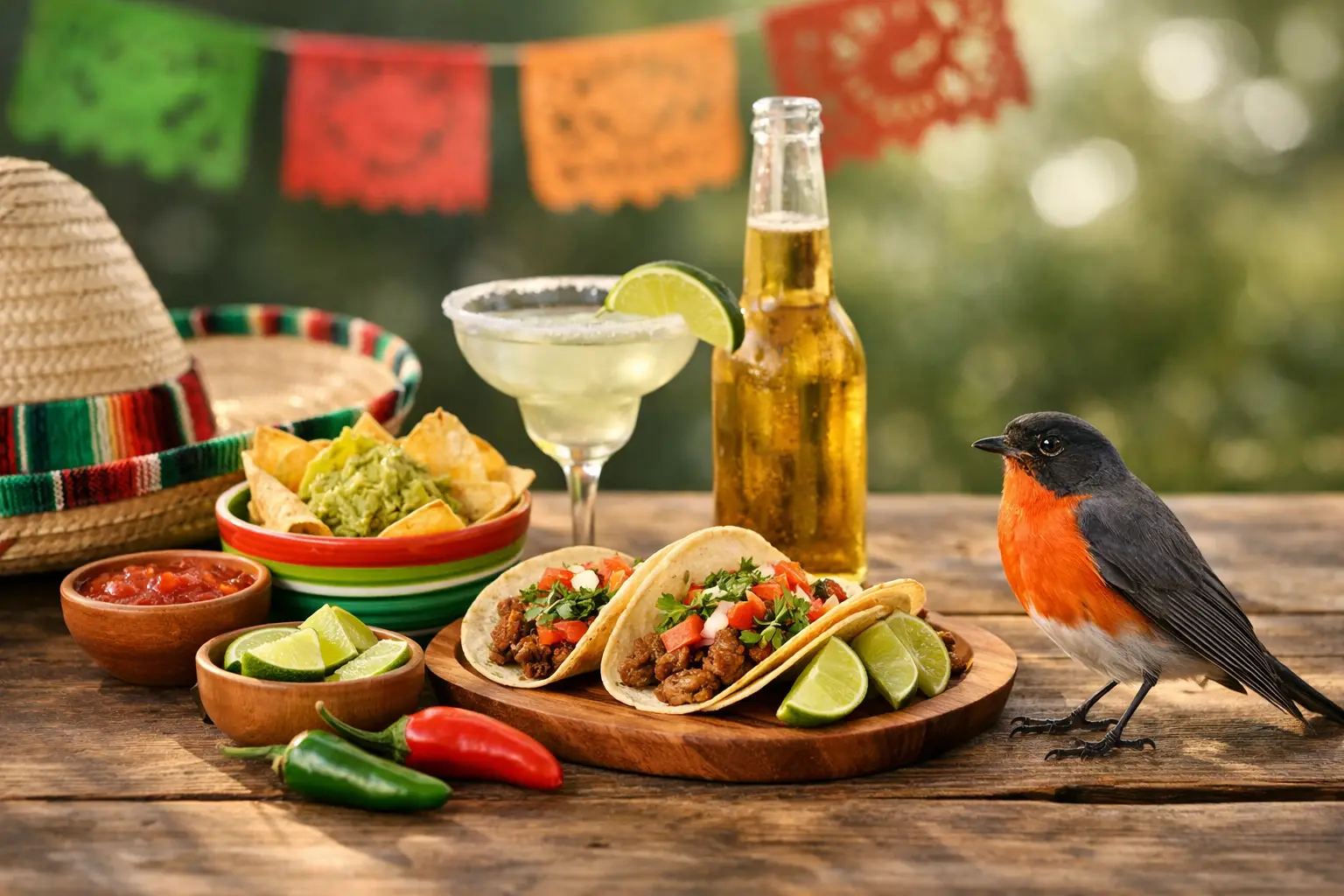
In the United States, the picture is much broader. Cities may host parades, street fairs, concerts, museum events, restaurant promotions, and school-based cultural programs. News and event coverage often includes dance performances, mariachi music, regional cuisine, artisan markets, and educational programming on Mexican history.
That wide mix reflects the way the holiday functions in American public life. It can be an educational date, a heritage celebration, a local tourism event, a nightlife promotion, or all four at once. There is no single national script.
For readers browsing a general-interest news and features platform, that makes Cinco de Mayo a useful example of how cultural events move through different channels at the same time. It is a history topic, a lifestyle topic, a local events topic, a consumer topic, and sometimes a debate about representation.
The difference between celebration and commercialization
This is where the conversation gets more nuanced. Commercial attention is not automatically a problem. Restaurants, musicians, event organizers, and local businesses are part of how public celebrations become visible and accessible. A city festival needs sponsors, vendors, promotion, and foot traffic.
The issue is whether the holiday is being presented with any cultural respect or historical context. A neighborhood event with food, music, local performers, and educational material can feel lively and welcoming without turning people into clichés. By contrast, campaigns built entirely around costume-party aesthetics or exaggerated symbols tend to flatten Mexican culture into a marketing backdrop.
It depends on intent, but it also depends on execution. Businesses and media outlets do better when they treat Cinco de Mayo as a real cultural and historical occasion rather than a one-day excuse for themed sales. Even small choices matter, from the language used in promotions to the type of imagery selected.
How to mark Cinco de Mayo more thoughtfully
For many people, the easiest upgrade is simple: learn the history before joining the celebration. Knowing that the date honors the Battle of Puebla changes the way the holiday lands. It stops being a vague "Mexican party day" and starts becoming a specific commemoration with a broader cultural afterlife.
Another good step is to support events and businesses that reflect actual community participation. Local festivals, cultural centers, museums, family events, and Mexican-owned restaurants often bring more depth than generic promotions. The experience tends to be better too, because it feels rooted in place rather than copied from a seasonal marketing kit.
Food is naturally part of the day for many Americans, but even there, a little care goes a long way. Regional dishes, local chefs, and community storytelling add more value than treating the cuisine as decoration. The same goes for music, dance, and art. When these are presented as living traditions instead of props, the holiday becomes richer for everyone involved.
Why the history still resonates
The Battle of Puebla matters beyond the battlefield itself because people often hold onto symbolic victories. Not every important historical moment changes the map overnight. Some endure because they show what a community or nation was able to do under pressure.
That helps explain why Cinco de Mayo continues to resonate across borders and generations. In one setting, it may signal Mexican resistance and national pride. In another, it may serve as a point of cultural visibility for Mexican American communities. In commercial spaces, it may be filtered through dining, entertainment, and retail. Those layers do not always sit comfortably together, but they explain the holiday's staying power.
For a platform built around broad discovery, constant updates, and accessible information, Cinco de Mayo fits naturally into the mix of history, current coverage, local events, cultural calendars, and lifestyle reporting that readers search for each spring. The topic reaches across news, education, community life, and consumer culture in a way few holiday observances do.
As this year's coverage, events, and promotions roll in, the most useful approach is also the simplest: enjoy the celebrations, but know what you are celebrating. That one shift makes the day more accurate, more respectful, and more worth showing up for.