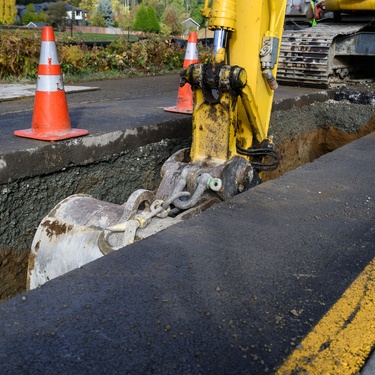
Cities and towns face constant pressure to maintain public infrastructure while staying within tight budgets. Over time, traffic, weather conditions, pollution, and debris all contribute to infrastructure deterioration. Without a proactive maintenance strategy, municipalities often end up spending far more on repairs and replacements than they would on prevention.
Understanding how municipalities can reduce long-term infrastructure wear starts with focusing on consistent upkeep and operational efficiency. Small improvements made regularly can extend the life of public infrastructure and reduce the financial burden on taxpayers.
Prioritizing Preventive Maintenance
Preventive maintenance is one of the most effective ways to avoid costly infrastructure damage. Instead of waiting for roads to crack or drainage systems to fail, municipalities can create schedules for inspections, cleaning, and repairs before issues worsen.
Road surfaces, for example, are constantly exposed to moisture, dirt, oil, and debris. When these materials accumulate, they can accelerate pavement deterioration and contribute to drainage problems. Regular street maintenance helps reduce the buildup that often leads to erosion and long-term surface damage.
Public works departments that prioritize preventive care are also better positioned to manage budgets. Minor repairs are significantly less expensive than large-scale reconstruction projects, and planned maintenance creates fewer disruptions for residents and businesses.
Improving Stormwater and Drainage Management
Poor drainage is one of the biggest contributors to infrastructure wear. Water that pools on roads or seeps beneath pavement can weaken structural integrity over time. Municipalities that invest in proper drainage management often experience fewer roadway failures and less expensive emergency repairs.
Routine cleaning of streets, gutters, and storm drains helps prevent blockages that lead to flooding and water damage. Debris accumulation may seem minor at first, but over time it can place significant stress on public infrastructure systems.
Many municipalities also review operational strategies for exterior cleanup and roadway maintenance before selecting contractors. Knowing what to consider before hiring a street sweeper can help decision-makers support long-term maintenance goals more effectively.
Reducing Heavy Wear From Traffic and Debris
Heavy traffic naturally contributes to roadway deterioration, especially in industrial and commercial areas. Municipalities can reduce wear by monitoring traffic flow, enforcing weight restrictions where appropriate, and maintaining cleaner road surfaces.
Loose gravel and industrial debris can gradually erode pavement surfaces and increase stress on drainage systems. Regular sweeping and cleanup efforts not only improve appearance but also help reduce abrasive damage caused by constant vehicle movement over debris-filled surfaces.
Public infrastructure also benefits when municipalities coordinate maintenance across departments. Transportation teams, sanitation crews, and public works staff can work together to identify high-risk areas before conditions worsen.
Investing in Long-Term Planning
Infrastructure maintenance should never be viewed as a short-term responsibility. Cities that plan years ahead are often more successful at managing repair costs and extending the lifespan of public assets.
Data collection plays an important role in this process. Tracking roadway conditions, drainage performance, and recurring maintenance issues helps municipalities prioritize projects based on actual needs rather than reactive decisions.
Technology can also improve maintenance efficiency. Many municipalities now use asset management systems to schedule inspections, track repairs, and forecast future maintenance costs. These tools help departments allocate resources more effectively while reducing unexpected failures.
Understanding how municipalities can reduce long-term infrastructure wear comes down to consistency. Routine maintenance, cleaner public spaces, proactive planning, and smarter operational decisions all contribute to stronger infrastructure that lasts longer and performs better for the communities that rely on it every day.
Bio: Casey is a passionate copyeditor highly motivated to provide compelling SEO content in the digital marketing space. Her expertise includes a vast range of industries from highly technical, consumer, and lifestyle-based, with an emphasis on attention to detail and readability.