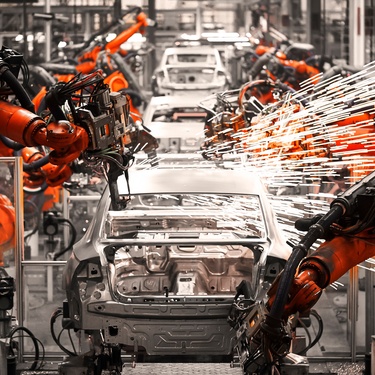
Automation has reshaped how modern manufacturers build products across nearly every industry today. Factories now use advanced machines and intelligent systems to improve speed and overall production quality. These technologies help companies stay competitive while reducing waste and improving workplace safety.
Faster Production With Smarter Equipment
Modern manufacturing now depends on automation to improve speed and consistency across production lines. Companies use robotic systems and intelligent software to complete repetitive tasks with greater precision than manual labor alone. Automated machines reduce delays because they operate continuously during long production cycles.
Factories once relied heavily on large labor teams for assembly and packaging processes. Today, many facilities use automated systems to handle welding and inspection tasks. These systems help manufacturers meet growing consumer demand without sacrificing quality standards.
Automation Improves Workplace Safety
Manufacturing facilities often contain dangerous environments that involve heat, heavy machinery, and repetitive movement. Automation reduces workers' exposure to these risks by assigning hazardous tasks to machines rather than employees. Robotic arms can lift heavy materials repeatedly without injury or fatigue during long shifts.
Workers now focus more on machine oversight, programming, and maintenance responsibilities. This shift creates cleaner and safer working conditions across many manufacturing industries.
Employees also spend less time performing physically exhausting jobs that strain the body. Companies benefit because safer workplaces reduce downtime and lower injury-related expenses.
Better Quality Control Across Production
Automation allows manufacturers to maintain stronger quality control throughout every stage of production. Sensors, cameras, and monitoring software inspect products in real time during assembly operations. These systems quickly detect defects that human workers might miss during high-speed production. Manufacturers then correct issues immediately before defective products leave the facility.
Consistent quality strengthens customer trust and reduces expensive product recalls. Automated testing equipment also produces detailed performance data for every production batch. Engineers use this information to improve manufacturing processes and refine equipment settings. As a result, factories achieve greater reliability across large production volumes.
Automation Supports American Manufacturing
Many companies now invest in advanced automation to compete with overseas production facilities. Automated equipment helps American manufacturers produce goods more efficiently while controlling operating costs.
This technology allows businesses to keep production closer to customers instead of outsourcing jobs internationally. The set screw driving assembly machine helps keep jobs in the USA with its specialized system that supports domestic manufacturing growth.
Factories that adopt automation often create new technical positions for skilled workers and engineers. Employees manage programming, maintenance, troubleshooting, and machine optimization duties within modern facilities. Automation also encourages companies to expand production capacity without relocating operations overseas.
The Future of Smart Manufacturing
Automated manufacturing technology continues to evolve as companies invest in artificial intelligence and machine learning systems. Machines can communicate with each other and adjust workflows without constant human direction. These advancements create more flexible production systems that adapt quickly to changing demands.
Automation will continue shaping the future of manufacturing across many industries worldwide. Companies that adopt advanced systems will likely improve productivity, quality, and long-term stability.
Workers will also develop new technical skills as factories become more technology-driven. Modern manufacturing now combines human expertise with automation to create stronger and more efficient production environments.
Bio: Casey is a passionate copyeditor highly motivated to provide compelling SEO content in the digital marketing space. Her expertise includes a vast range of industries from highly technical, consumer, and lifestyle-based, with an emphasis on attention to detail and readability.