A calm pool can turn risky fast. A crowded beach can look safe right up until a current shifts, a child slips out of view, or a tired swimmer pushes a little too far. That is why safe swimming tips matter most before anyone gets in the water, not after something goes wrong.
For families, travelers, and everyday swimmers, the biggest safety gains usually come from simple choices. Pick the right location, watch conditions closely, and treat supervision as an active job rather than a background task. Whether you are heading to a neighborhood pool, a hotel resort, a lake, or the coast, the goal is the same: enjoy the water without turning a fun outing into an emergency.
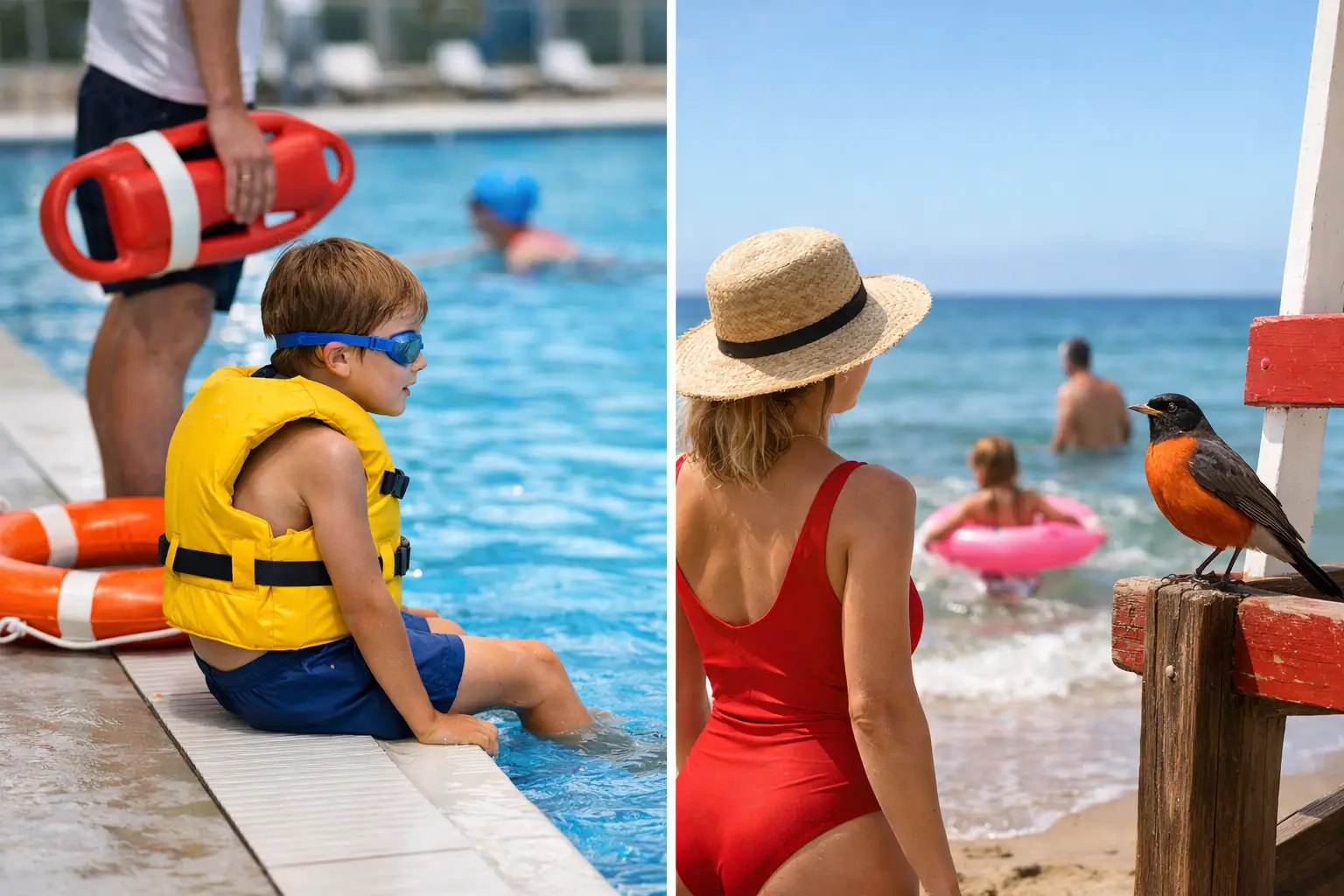
Safe swimming tips start before you swim
Most water incidents begin with a missed warning sign. Sometimes it is weather moving in. Sometimes it is a slippery deck, weak swimming ability, or overconfidence in unfamiliar water. People often think of swimming safety as something that happens in the moment, but the real foundation is planning.
Start by checking the setting. Pools have different risks than beaches, and lakes have different risks than both. At a pool, look for depth markers, lifeguard presence, drain covers, clear water, and posted rules. At a beach, look for flag warnings, surf conditions, rocks, drop-offs, and designated swim zones. In lakes and rivers, visibility can be poor, currents can be stronger than expected, and the bottom may be uneven or cluttered.
The trade-off is convenience versus control. A quiet, unsupervised spot may feel more relaxing, but a staffed pool or lifeguarded beach often gives you faster help if something goes wrong. If you are swimming with children or weaker swimmers, that extra layer of protection matters.
Match the water to the swimmer
One of the most practical safe swimming tips is also one of the most ignored: be honest about skill level. People tend to rate themselves by confidence rather than ability. A person who can swim one lap in a pool may struggle badly in waves, cold water, or deep open water.
Children need special attention here, but adults do too. New swimmers should stay where they can stand, stay close to a responsible adult, and use approved flotation devices if needed. Stronger swimmers still need to respect fatigue, changing conditions, and unfamiliar layouts.
This is especially important on vacation. Hotel pools, water parks, and beach resorts can create a false sense of safety because the setting feels managed. But crowded environments bring distractions, and vacation routines often mean less sleep, more sun, and more time in the water than usual.
Why water wings are not enough
Inflatable arm bands and pool toys can be fun, but they are not life-saving devices. They can slip off, deflate, or encourage children to go farther from an adult than they should. If a child needs buoyancy support, a U.S. Coast Guard-approved life jacket is the better option in many settings, especially around open water, docks, and boats.
Even then, flotation is not supervision. A life jacket adds protection, but it does not replace a watchful adult within reach.
Active supervision is the rule that changes everything
The clearest safety difference between a routine swim day and a dangerous one is often supervision quality. Drowning does not always look dramatic. It can be quick, quiet, and easy to miss in a busy pool or surf zone.
If children are in or near water, assign one adult as the water watcher. That person should not be scrolling, reading, grilling, or chatting across the yard. Rotate the job every 15 to 30 minutes if needed so attention stays sharp. In group settings, this matters even more because adults often assume someone else is watching.
For toddlers and non-swimmers, keep touch supervision in place. That means staying close enough to reach them immediately. In shallow water, on steps, and at the edge of a pool, accidents happen in seconds.
Lifeguards help, but they are not your personal spotter
Lifeguards are a major safety asset, and swimming near them is a smart move. Still, they are scanning wide areas, managing multiple swimmers, and responding to the whole environment. Parents and guardians should not treat a lifeguard as a substitute for direct supervision.
Know the hazards that change by location
Not all water behaves the same way. That sounds obvious, but people still carry pool habits into the ocean and beach habits into rivers.
At pools, common problems include slips, shallow diving injuries, rough play, and poor supervision. Clear water can create overconfidence, especially if swimmers assume every section is equally safe. Follow posted depth rules and never dive unless the area is clearly designated for it.
At beaches, currents are the main concern. Rip currents can pull even strong swimmers away from shore. If caught in one, do not fight straight back to land. Swim parallel to the shore until you are out of the current, then angle back in. If that is too hard, float or tread water and signal for help.
Lakes and rivers bring a different set of issues. Water can be colder than expected, visibility can drop to zero, and underwater hazards may not be marked. Strong currents can also exist where the surface looks calm. In natural water, enter slowly, wear foot protection if needed, and avoid diving unless you know the depth and bottom conditions.
Weather and water conditions deserve constant attention
A swim plan should never be fixed once the day starts. Conditions change. Clouds build, wind rises, visibility drops, and water temperature affects stamina more than many people expect.
Lightning is a hard stop. If thunder is audible, get out of the water and move to a safer indoor location or enclosed vehicle. Do not wait for rain to begin. At beaches and lakes, wind can also create stronger waves and drift than casual swimmers realize.
Cold water is another underestimated risk. Even on warm days, cold water can trigger gasping, muscle weakness, and faster exhaustion. This is one of those it-depends situations: water that feels refreshing for a quick dip may still be risky for long swims, children, or older adults.
Set rules before anyone jumps in
Household and group swim rules work best when they are clear, simple, and repeated. No running on wet surfaces. No diving in shallow water. No swimming alone. No breath-holding contests. Ask before leaving the water area. These are basic rules, but they prevent a surprising number of injuries.
Teenagers and confident swimmers may push back, especially if they feel experienced. That is where consistency matters. Safety rules should apply whether the setting is a backyard pool, a community center, or a beachfront rental.
For mixed-age groups, separate play areas can help. Bigger kids doing cannonballs next to toddlers on the steps is not a good setup. It is safer to match activities to age and ability rather than expecting everyone to share the same space without problems.
Learn the emergency basics
The best safe swimming tips include what to do if prevention fails. Every regular swimmer, parent, or pool owner should know how to call for help quickly, recognize distress, and start a response.
CPR training is one of the most useful skills around water. It gives bystanders a better chance to act while waiting for emergency services. A phone, first-aid kit, and rescue equipment should also be easy to access, especially at home pools.
Pool owners should think beyond the water itself. Fencing, self-latching gates, alarms, and secure covers reduce unsupervised access. These measures are not glamorous, but they are effective.
After-swim safety still counts
Risk does not end when everyone climbs out. Wet decks, dehydration, sun exposure, and fatigue can create problems after the swim. Have swimmers drink water, dry off carefully, and avoid rough running around the pool area.
Children should also be counted and checked after swim time ends. In busy outings, adults sometimes relax too early once kids are out of the water. Parking lots, docks, and pool edges still need attention.
Safe swimming tips for a better water day
A safe day in the water rarely comes down to one big decision. It comes from many small, steady choices: choosing a supervised location, matching the water to the swimmer, staying alert, respecting weather, and knowing when fun has turned into fatigue. That approach fits how practical safety works in real life.
For readers who track travel, weather, family activities, and public-interest updates in one place, RobinsPost-style service coverage is built for exactly this kind of everyday decision-making. Water safety is not only for competitive swimmers or beach vacations. It is for backyard afternoons, hotel weekends, summer camps, and every ordinary outing where one smart choice can make the whole day better.
Before the next swim, pause for a minute, scan the setting, and ask one simple question: is everyone here truly ready for this water?