Grass-court season always changes the conversation fast, and Wimbledon 2026 highlights are already shaping up as a major watch point for fans tracking form, rivalries, and breakout runs. The tournament rarely follows a simple script. A top seed can look untouchable for a week, then one awkward match on slick grass changes everything.
For a general sports audience, that is what makes Wimbledon so watchable. It is not just about who lifts the trophies. It is about momentum swings, short points, pressure-packed tiebreaks, weather delays, Centre Court statements, and the early-round matchups that can suddenly feel as important as a final.
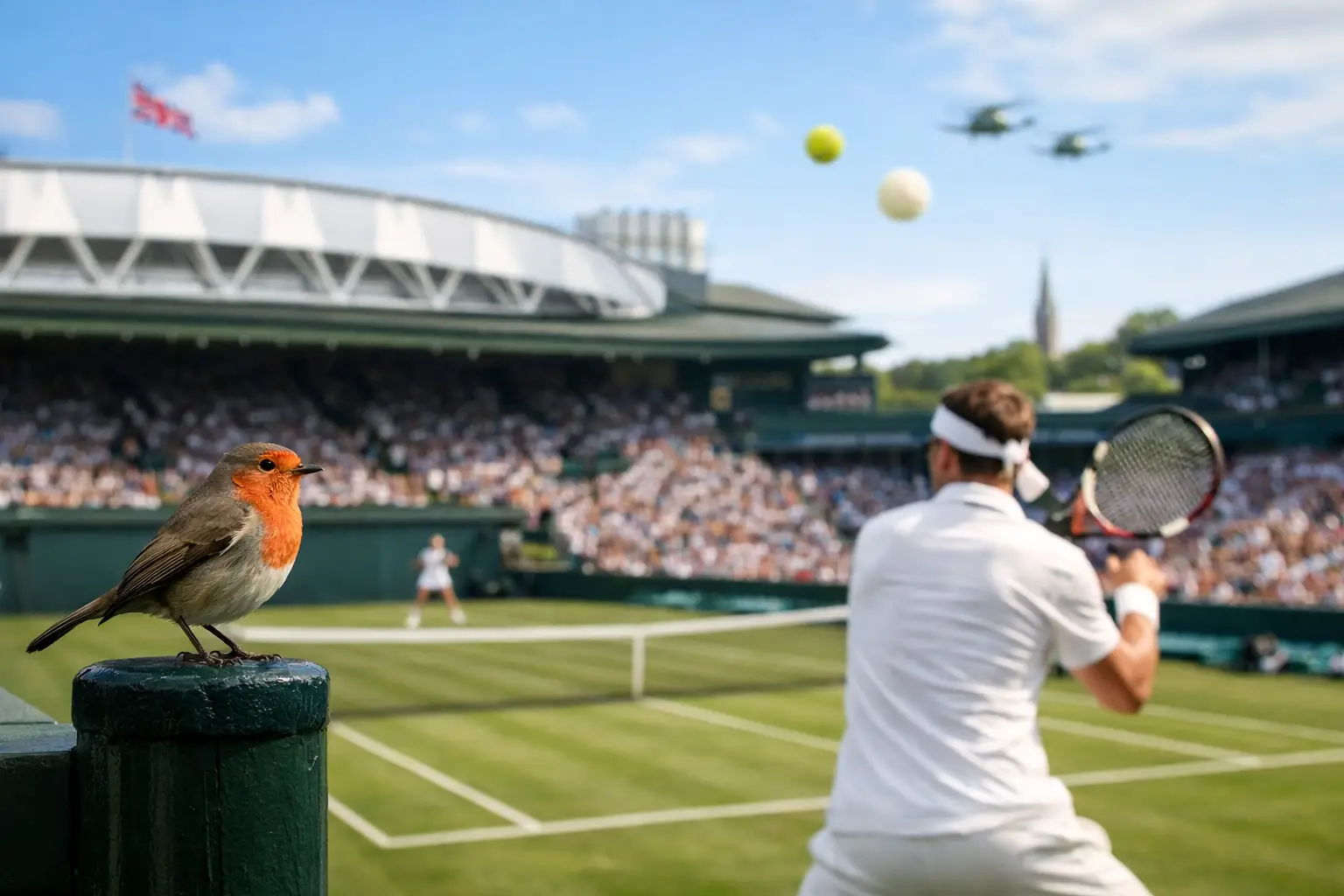
What will define Wimbledon 2026 highlights?
The easiest way to think about Wimbledon 2026 highlights is to separate the event into three overlapping tracks: the title races, the breakout stories, and the moments that travel beyond tennis fans. Wimbledon does this better than almost any other major. A five-set comeback, a teenager upsetting a veteran contender, or a defending champion surviving a first-week scare can dominate coverage across video clips, live updates, and feature reports.
The men’s and women’s singles draws will naturally drive the biggest audience, but highlights at Wimbledon are never limited to the headline finals. Doubles, mixed doubles, junior results, and even first-round drama on outside courts often become part of the week’s most replayed moments. For readers following broad sports coverage in one place, this is where event-wide tracking matters more than only checking the final scoreboard.
The grass-court factor changes everything
Wimbledon asks different questions than the clay and hard-court majors. Movement is less forgiving, points can stay short, and players with strong serves or clean first-strike tennis often gain immediate value. That creates a tournament where form matters, but matchup details matter just as much.
A player who looks ordinary elsewhere can become dangerous on grass. Another who dominates long rallies on slower surfaces may suddenly face opponents taking the ball early and rushing every service game. That is why the best Wimbledon 2026 highlights will likely include both expected contenders and a few names casual fans were not tracking two weeks earlier.
The likely storylines behind Wimbledon 2026 highlights
One central storyline will be whether the sport’s established stars can still control the draw against the next wave. Wimbledon often sharpens generational tension because the format rewards confidence. If a younger player starts serving well and playing freely, the pressure can shift quickly onto a higher seed.
On the men’s side, attention will likely center on who can command the baseline without giving up court position, who can hold serve under pressure, and who can manage the physical demand of best-of-five matches across two weeks. A contender may look brilliant in straight sets one round, then get dragged into a long tactical match the next. Those contrasts usually define the tournament’s most talked-about clips.
On the women’s side, the margin can be even thinner. Grass rewards timing, decisive shot-making, and mental steadiness. A player who returns aggressively and stays composed in short service games can put a favorite under pressure very quickly. If the women’s draw brings a mix of former champions, top-ranked power hitters, and confident younger players, the result could be a stacked set of Wimbledon 2026 highlights from the opening days onward.
Watch the first week closely
The first week often supplies the richest variety of moments. That is when seeded players are adjusting, lower-ranked opponents are playing with freedom, and every court is active. In practical terms, fans should watch for four types of early signals: dominant serving numbers, clean movement on grass, quick recovery from a lost set, and the ability to finish matches without energy drain.
Those details do not always make the front page immediately, but they usually tell you who is built to last. A contender who spends four hours surviving an early upset scare may still advance, but the cost can show up later. By contrast, a player moving through the draw efficiently often becomes the real title threat by the quarterfinals.
Players and match types worth tracking
Without a confirmed draw, the smarter approach is to watch categories rather than force predictions too early. Defending champions always deserve attention because Wimbledon rewards comfort with the setting. Former finalists matter because experience on these courts is real. Grass-court specialists deserve extra weight even if their ranking sits outside the very top tier.
There is also the classic Wimbledon wildcard story. Local players, comeback veterans, and young prospects can all become part of the highlight package if they land a favorable first-round matchup and start fast. A wildcard on Centre Court against a seeded opponent is not just filler on the schedule. It is often one of the day’s best opportunities for drama.
Quarterfinals and semifinals are where the event sharpens
By the second week, the tone changes. The lighter upset energy of the opening rounds gives way to cleaner, more tactical tennis. This is where Wimbledon 2026 highlights may become less about surprise and more about execution.
Quarterfinals often reveal who is actually comfortable under championship pressure. Serves get bigger, return games become more precious, and one loose tiebreak can shape a whole match. Semifinals then turn into legacy matches. At that stage, every hold feels heavier, and even routine points can carry clear emotional weight for fans watching live streams, recap packages, and overnight coverage.
What fans should watch beyond the singles finals
The best event coverage is never only about the two championship matches. Doubles can produce some of the sharpest reflex exchanges of the tournament, especially on grass where the net game still matters. Mixed doubles adds a different rhythm and often becomes one of the week’s most entertaining categories for viewers who like fast-moving points and creative shot selection.
Junior competition also matters because Wimbledon regularly introduces future stars before the wider public fully catches on. If a young player makes noise in the junior draw while an established star is trending in the main event, that becomes the kind of cross-generational coverage sports readers tend to follow across the whole tournament.
For a platform built around constant discoverability, this wider lens is useful. A reader may arrive looking for final results and stay for a breakout story, a video recap, or a quick update from another court. That broader approach fits Wimbledon particularly well because the event naturally produces more than one headline per day.
Scheduling, conditions, and the hidden variables
No preview of Wimbledon is complete without mentioning the variables that can reshape coverage quickly. Weather remains one of them, even with modern scheduling support. A delay can interrupt momentum, compress the order of play, and affect recovery time. Those shifts may not seem dramatic at first glance, but they can alter match quality and change who looks freshest in the closing rounds.
Then there is the draw itself. Some years, one half opens up while the other becomes loaded with contenders. That imbalance often changes public perception. A player cruising into the semifinals may seem dominant, but the real test could arrive later than expected. It depends on injuries, match length, and whether the early rounds remove one or two dangerous floaters.
Why highlight culture matters at Wimbledon
Wimbledon is one of the few sporting events where highlights carry nearly as much cultural weight as the live match itself. A brilliant passing shot, a stunned reaction after match point, or a tense tiebreak sequence can circulate far beyond regular tennis circles. For casual readers and dedicated fans alike, those moments become the entry point.
That is why tournament coverage works best when it balances quick-hit updates with context. A dramatic clip is more useful when viewers understand what it meant for the draw, the rivalry, or the title picture. Whether readers are checking scores between work breaks or following every round closely, they want both speed and clarity.
How to follow Wimbledon 2026 highlights smarter
The smartest way to follow this tournament is not to wait until championship weekend. Start with daily patterns. Track which contenders are holding comfortably, who is spending too much time on court, and which unseeded players are earning repeat mention in recaps. By the quarterfinals, those signals usually explain the bracket better than rankings alone.
It also helps to treat highlights as layers rather than isolated clips. The best point of the day is exciting, but the more useful question is what it says about a player’s form. Is the serve holding up under pressure? Are returns getting deeper? Is confidence rising round by round? Those are the details that turn scattered moments into a real tournament story.
Wimbledon 2026 highlights will likely deliver the usual mix of star power, surprises, and sharp grass-court drama, but the most interesting part may be how quickly the picture changes from one round to the next. Keep an eye on the early signs, stay flexible with expectations, and let the tournament show you who is really ready when the pressure gets loudest.