The total solar eclipse august 12, 2026, will turn parts of the North Atlantic and northern Europe into some of the most closely watched places on Earth for a few unforgettable minutes. For U.S. travelers, this is not a simple drive-to-the-path event like the 2024 eclipse. It is an international trip that rewards early planning, flexible weather decisions, and a clear understanding of where totality will actually be visible.
A total eclipse is not just a deeper version of a partial eclipse. Inside the narrow path of totality, the Moon fully covers the Sun, daylight drops rapidly, bright stars and planets may appear, and the solar corona becomes visible. Outside that path, even with 99% of the Sun covered, viewers will see a partial eclipse and must keep solar protection on.
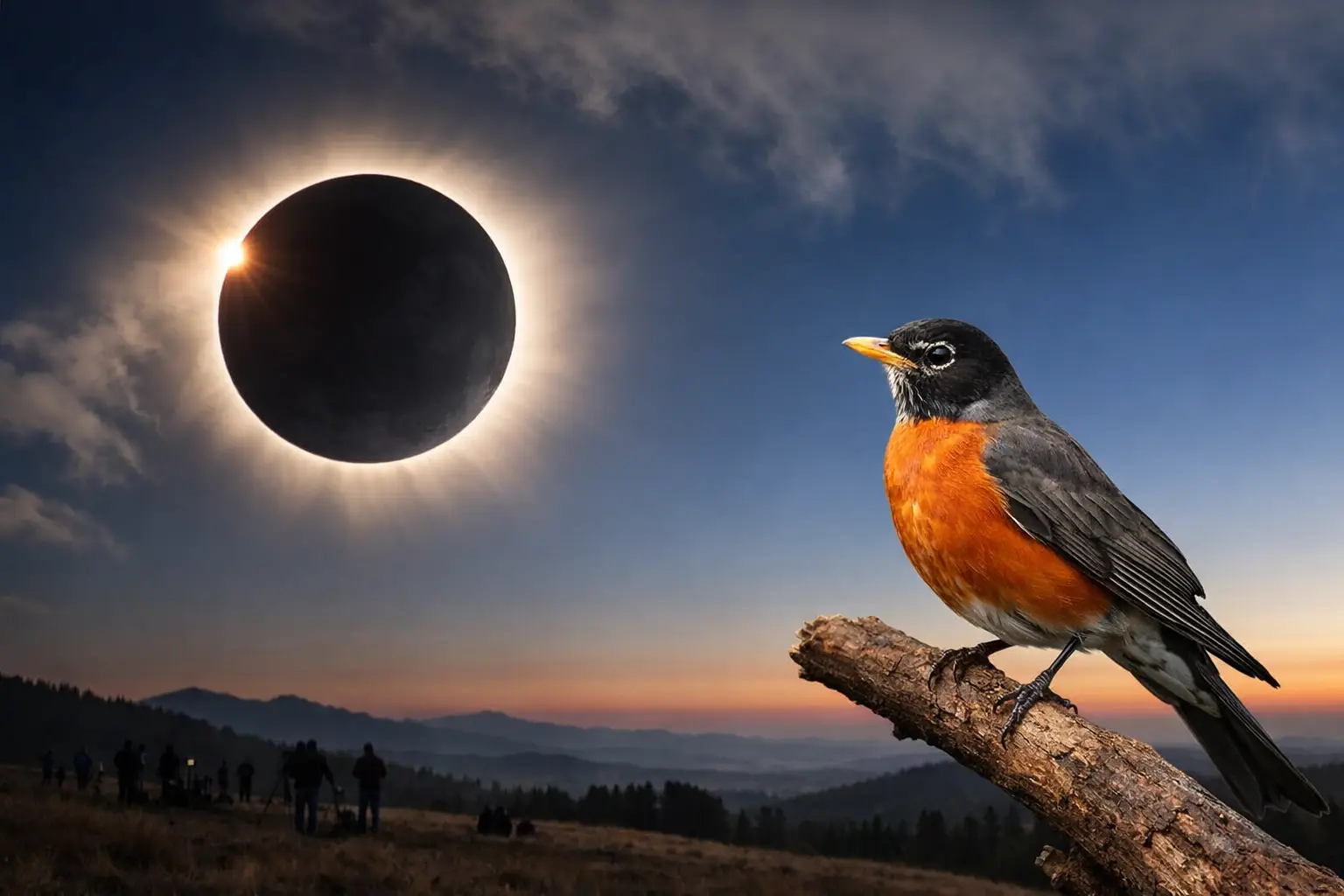
Where the Total Solar Eclipse August 12, 2026 Will Be Visible
The path of totality is expected to cross remote Arctic areas, Greenland, Iceland, the Atlantic, and parts of Spain. Conditions, travel access, and the height of the Sun above the horizon will differ sharply from one location to another.
Greenland offers dramatic Arctic scenery and potentially long views across open landscapes, but it is also the most demanding option. Transportation choices can be limited, accommodations are scarce, and weather can change quickly. A viewing plan there should include extra travel days and a realistic backup strategy.
Iceland will be a major destination for eclipse travelers because it is more accessible from North America and Europe while still lying close to the center of the path in several areas. The trade-off is cloud cover. Iceland’s changeable weather is part of its appeal for many visitors, but it can be frustrating when the event itself lasts only a short time. Travelers should plan to rent a vehicle where practical, stay mobile, and avoid locking themselves into one distant viewing point too early.
Spain may be the most convenient choice for visitors seeking established hotels, roads, rail connections, and a wide range of cities and towns near the eclipse route. Totality will occur late in the day in parts of the country, making an unobstructed western horizon especially valuable. Coastal scenery, hills, buildings, and crowds can all affect the view. A beautiful location is not automatically a good eclipse location if the Sun will be hidden behind terrain at the critical moment.
The mainland United States will not be in the path of totality. Some locations may have limited partial visibility depending on local sunset timing and the observer’s horizon, but Americans who want the full experience should plan for travel to the totality path rather than relying on a partial view at home.
Why This Eclipse Requires a Different Travel Strategy
The 2026 event arrives during the busy summer travel season, and its best viewing areas are not interchangeable. A traveler choosing Iceland is making a weather-flexibility decision. A traveler choosing Spain is often making an access-and-comfort decision. Greenland may appeal to experienced adventure travelers prepared for limited services and more complex logistics.
Book lodging early, but do not treat a hotel reservation as the entire plan. Eclipse day can bring packed roads, high demand for rental cars, and altered local transport schedules. Staying within reach of several possible viewing areas is generally more useful than booking the most photogenic isolated site.
For travelers flying from the United States, build in a buffer before eclipse day. Delayed flights, missed connections, weather interruptions, and lost luggage are ordinary travel problems that become far more costly when an event cannot be repeated the next day. Arriving at least two or three days early provides time to adjust to local conditions, check routes, and buy any missing supplies.
It also helps to treat weather forecasts as a decision tool rather than a source of false certainty. Forecast confidence improves as the date approaches. In the final few days, follow regional cloud forecasts, local road alerts, and airport conditions. Keep a paper map or offline map access in case cellular service becomes overloaded near popular gathering points.
Choosing a Viewing Location
A good eclipse site needs more than a point inside the path. It should have a clear view of the Sun, a safe place to park or stand, a legal way to access the property, and a route out after the event. Crowds often focus on famous landmarks, but a quieter public field, waterfront, or open roadside area can be the better choice if it has a clean sky view and reliable access.
In Spain, late-day viewing makes the horizon a central concern. Check the Sun’s expected position before selecting a beach, plaza, overlook, or mountain road. In Iceland and Greenland, the concern may be a different combination of clouds, wind, cold, and rapidly shifting local weather.
Do not wait until eclipse morning to inspect your chosen location. Visit it in advance at roughly the same time of day if possible. Look for trees, ridge lines, utility poles, tall buildings, and access restrictions that are easy to miss on a map.
For families and first-time eclipse viewers, comfort matters. A site with restrooms, drinking water, food nearby, and easy transportation can be worth more than chasing a few additional seconds of totality. For experienced photographers or dedicated eclipse chasers, mobility and sky conditions may matter more. There is no single best destination for everyone.
Safe Viewing Is Not Optional
Every partial phase of a solar eclipse requires proper eye protection. Use eclipse glasses or a handheld solar viewer that meets the ISO 12312-2 safety standard. Inspect viewers before use. If they are scratched, punctured, wrinkled, or damaged, replace them.
Regular sunglasses do not protect against the Sun. Neither do smoked glass, exposed film, homemade filters, or improvised materials. Looking at the Sun through these can cause serious eye injury without immediate pain.
Cameras, binoculars, telescopes, and spotting scopes need certified solar filters placed over the front of the equipment. Never look through magnified optics at the Sun with eclipse glasses alone. The concentrated sunlight can damage both eyes and equipment quickly.
During the brief period of complete totality only, viewers within the path can remove eclipse glasses to see the corona directly. Put them back on before the first bright edge of sunlight returns. If you are unsure whether totality has begun or ended, keep the glasses on. A reliable local timing source, radio update, or experienced event organizer can help, but personal caution should always come first.
What to Pack for Eclipse Day
Travelers do not need elaborate gear, but they do need basics that may be difficult to find near crowded viewing zones. Bring multiple certified eclipse viewers, water, snacks, weather-appropriate layers, a portable battery pack, necessary medications, and downloaded maps. A small folding chair or ground cover can make a long wait more comfortable.
For Iceland and Greenland, windproof and waterproof layers deserve priority even in August. For Spain, sun protection, water, and a plan for warm daytime conditions are sensible, while evenings can still cool down depending on the region. If driving, keep fuel levels high and expect slow departures after totality.
Photographing the eclipse can be rewarding, but it should not replace seeing it. Set up equipment before the partial phase begins, use tested settings, and allow yourself time to look up. The human experience of sudden twilight, temperature changes, and the appearance of the corona is difficult to reproduce on a phone screen.
Follow the News, Then Make the Call
The final days before the eclipse will bring a steady flow of local weather reports, transport notices, airport updates, event restrictions, and live coverage plans. That is where a broad news dashboard can be useful: compare updates from meteorologists, regional authorities, travel providers, and local broadcasters instead of reacting to a single social post.
RobinsPost readers can approach the event the same way they follow major global stories - start with the wider picture, then narrow decisions to the latest reliable local information. The best eclipse plan is not the most expensive itinerary or the most popular viewing spot. It is the plan that gets you safely into the path, gives you a clear view if conditions allow, and leaves room to adapt when the sky has other ideas.
When August 12 arrives, keep your glasses close, keep your schedule flexible, and give yourself permission to pause when the light changes. A total solar eclipse is brief, but the memory of seeing day become night in the middle of an ordinary afternoon can stay vivid for decades.