A backyard fire can turn an ordinary evening into the center of the gathering - until a gust carries sparks toward dry leaves, a child gets too close, or the fire is left smoldering after everyone goes inside. These outdoor fire pit safety tips focus on the choices that prevent those moments, from where the pit sits to how the last ash is handled.
Fire pits are popular because they are simple, social, and versatile. They also create an open flame close to homes, landscaping, furniture, pets, and people. A little preparation makes the difference between a relaxed night outside and a call to emergency services.
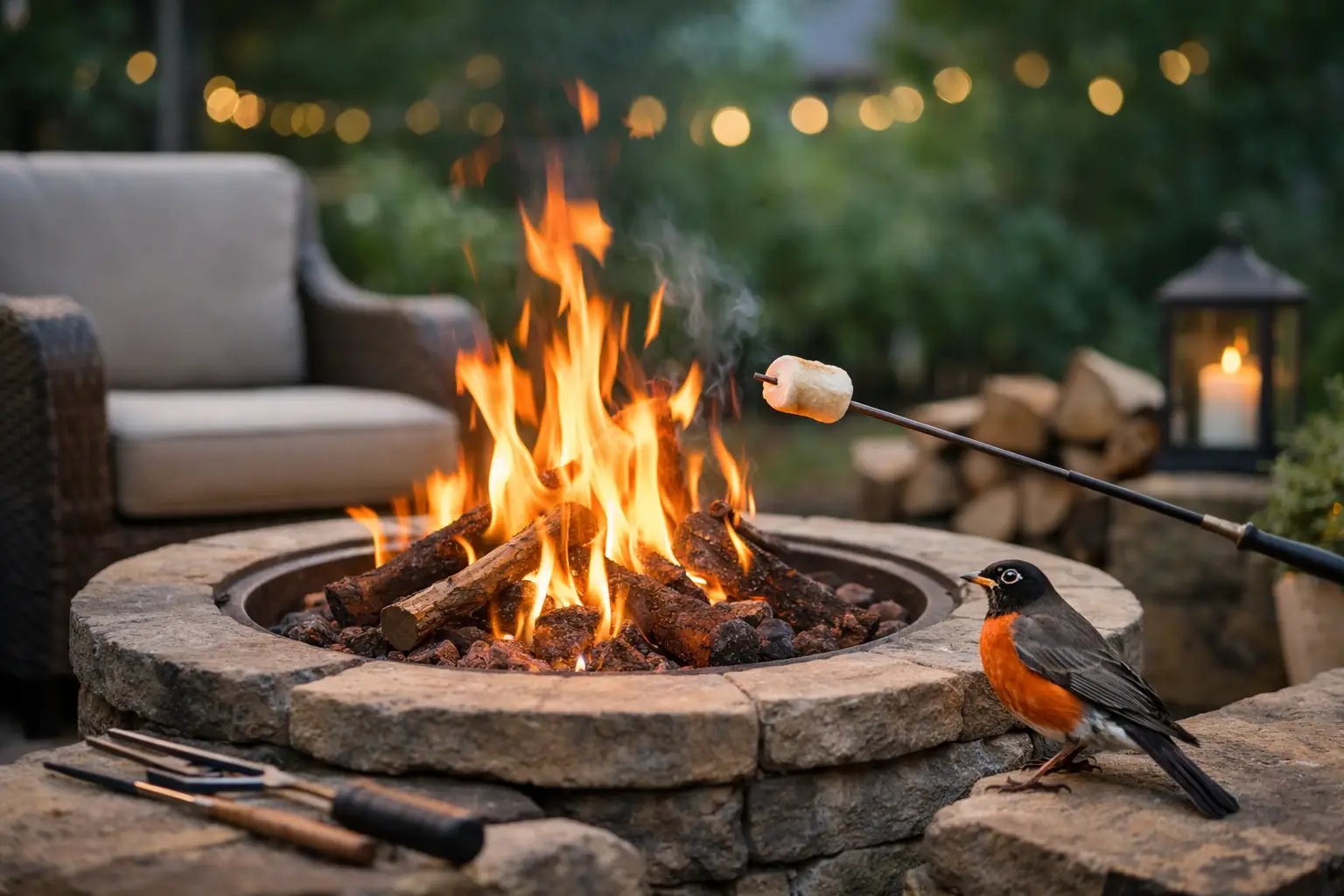
Outdoor Fire Pit Safety Tips Start With Placement
The safest fire pit is one placed for the conditions of the property, not simply where it looks best. Choose a level, stable surface that will not catch fire, such as bare soil, gravel, concrete, pavers, or a purpose-built fire pit pad. Avoid placing a wood-burning pit directly on a wooden deck, a covered patio, grass, or artificial turf unless the manufacturer specifically states the product is designed for that use and the required heat barrier is in place.
Keep the pit well away from the house, garage, shed, fence, trees, low branches, vehicles, and outdoor furniture. The exact clearance depends on the fire pit design and local rules, so check the owner’s manual and local fire code rather than relying on a single distance found online. Built-in pits, portable wood-burning bowls, propane fire tables, and chimineas all have different requirements.
Overhead clearance matters as much as the open space around the fire. A flame under a pergola, umbrella, awning, screened porch, or roof overhang can send heat and smoke where they do not belong. Even structures advertised as outdoor living spaces may not be suitable for an open-flame fire pit.
Check Local Rules Before Lighting Up
City, county, and homeowners association restrictions can control whether and when recreational fires are allowed. Some areas prohibit open burning during drought conditions or high-fire-risk periods. Others require a specific type of contained pit, a screen, permits, or minimum setbacks from structures and property lines.
Before hosting guests, check whether a burn ban or air-quality alert is active. A fire pit may feel small compared with a campfire, but it can still spread embers or add harmful smoke to the neighborhood. If conditions are dry, windy, or restricted, skip the fire for the night.
Use the Right Fuel and Keep the Fire Small
For a wood-burning pit, use dry, seasoned firewood. It burns more predictably and produces less smoke than wet or green wood. Split logs that fit comfortably inside the fire bowl are safer than oversized pieces balanced across its edge.
Never burn trash, cardboard packaging, painted or pressure-treated wood, plywood, pallets, plastics, or household waste. These materials can release toxic fumes, melt, pop, or send burning fragments into the air. Avoid using gasoline, lighter fluid, alcohol, or other flammable liquids to start or revive a fire. A commercial fire starter or dry kindling is a much safer choice.
Keep flames modest. A fire pit is not a bonfire, and piling on wood can quickly turn a manageable flame into a shower of sparks. Add one or two pieces of wood at a time as needed. If a log rolls, pops, or extends beyond the rim, use a long metal poker to reposition it rather than reaching in or kicking it.
Propane and natural-gas fire pits remove the issue of flying wood embers, but they still require careful operation. Inspect hoses, connections, the ignition system, and the burner area before use. If you smell gas, hear a hissing sound, or see damaged components, turn off the fuel supply and do not light the unit. Gas fire features should be installed and serviced according to the manufacturer’s instructions, with professional help where required.
Control Sparks, Smoke, and Changing Weather
A spark screen is one of the most useful accessories for a wood-burning fire pit. It does not make a fire risk-free, but it helps contain embers when the wood crackles or a breeze picks up. Keep the screen in place whenever the fire is burning, removing it carefully only to add wood.
Wind is the condition most likely to change a safe setup into an unsafe one. Check the forecast, but also pay attention to what is happening at the fire pit. If smoke is blowing directly toward guests, the flame is bending sharply, or embers are lifting from the bowl, put the fire out. Do not move a burning fire pit to solve the problem.
Smoke deserves consideration beyond immediate comfort. People with asthma, chronic lung disease, heart conditions, or smoke sensitivity may have a harder time around wood fires. Give guests room to sit farther back, keep smoke away from open windows, and consider a propane fire feature if frequent smoke is likely to be a problem.
Create a Clear Safety Zone for Guests, Kids, and Pets
The best backyard setup makes the safe choice easy. Arrange chairs far enough from the heat that people can sit comfortably without leaning away from the flames. Keep blankets, cushions, paper plates, decorations, and games out of the area around the pit. Avoid loose, flowing clothing when tending the fire.
Children should be told clearly that the fire pit is not a play area. Set a visible boundary using chairs or a clear open ring around the pit, and make sure an adult is actively watching whenever children are nearby. The metal bowl, stones, and glass around a fire feature can remain dangerously hot long after flames disappear.
Pets need the same separation. Dogs can be startled by popping wood, singe their fur, or knock into a low fire bowl while chasing a toy. Keep leashes, pet beds, and water bowls away from the heat. If the setting becomes crowded, designate one adult to monitor the fire rather than assuming someone else is doing it.
Have these essentials ready before the first match is struck:
- A charged garden hose that reaches the fire pit, or a bucket of water.
- A shovel for spreading out logs and covering embers with dirt or sand if needed.
- A fire extinguisher rated for outdoor household use, kept where adults can reach it quickly.
- Heat-resistant gloves and a metal poker for tending wood safely.
- A phone nearby in case a fire spreads or someone is burned.
Water is generally the most reliable way to extinguish a wood fire, but follow the manufacturer’s instructions for your specific unit. Pouring cold water into certain hot metal or stone features can cause cracking or damage. For gas fire pits, shut off the burner and fuel supply first, then allow components to cool.
Never Leave the Fire Pit Unattended
Most preventable fire pit incidents have a familiar starting point: someone steps indoors for a minute, walks around the side of the house, or assumes the group is still watching the flames. A fire pit needs active supervision from ignition until it is completely extinguished.
Do not leave a fire burning while guests are eating indoors, loading a car, or heading home. If the person responsible for the fire needs to leave the area, extinguish it first. Alcohol can also affect judgment around open flames, so assign fire-tending duties to a sober adult.
Be especially cautious late in the evening, when a fire may seem low but still contains enough heat to ignite dry debris. Darkness also makes it harder to see embers that have escaped beyond the fire pit.
Put It Out Completely, Then Check Again
A fire is not out because the visible flames are gone. Coals can stay hot for hours and may reignite when wind reaches them. Start the shutdown process early, rather than waiting until everyone is tired and ready to go inside.
For a wood fire, stop adding logs and let the wood burn down. Spread the remaining embers with a shovel or poker, then slowly add water while watching for steam. Stir the ashes and add more water until the material is cool to the touch. Do not rush close to hot ash to test it - use the back of a gloved hand near the surface, or wait longer if there is any doubt.
Ashes should remain in the pit until they are fully cold. When it is time to remove them, place them in a metal container with a tight-fitting lid, not a plastic bin, paper bag, or cardboard box. Store that container on a noncombustible surface away from the home. Ashes that look harmless can retain heat long after the previous night’s fire.
A backyard fire should leave behind warm conversation, not a lingering concern about what may still be burning outside. Make the final walk-around part of the routine: check the pit, scan the nearby ground for embers, secure fuel sources, and make sure the area is truly cool before closing the door.