A campsite can look calm at 4 p.m. and feel very different after dark, when the temperature drops, rain begins, or a simple walk to the restroom turns into a muddy route. That is why outdoor camping essentials are less about packing every gadget available and more about preparing for the predictable changes that make a night outdoors uncomfortable or unsafe.
For a first family campground stay, a weekend car-camping trip, or a longer visit to a remote site, the right kit will vary. Still, the same priorities apply: stay dry, keep warm, drink safe water, eat reliably, manage light, and know what to do when plans change. Start with those needs, then build your packing list around the conditions you will actually face.
Outdoor Camping Essentials Start With Shelter
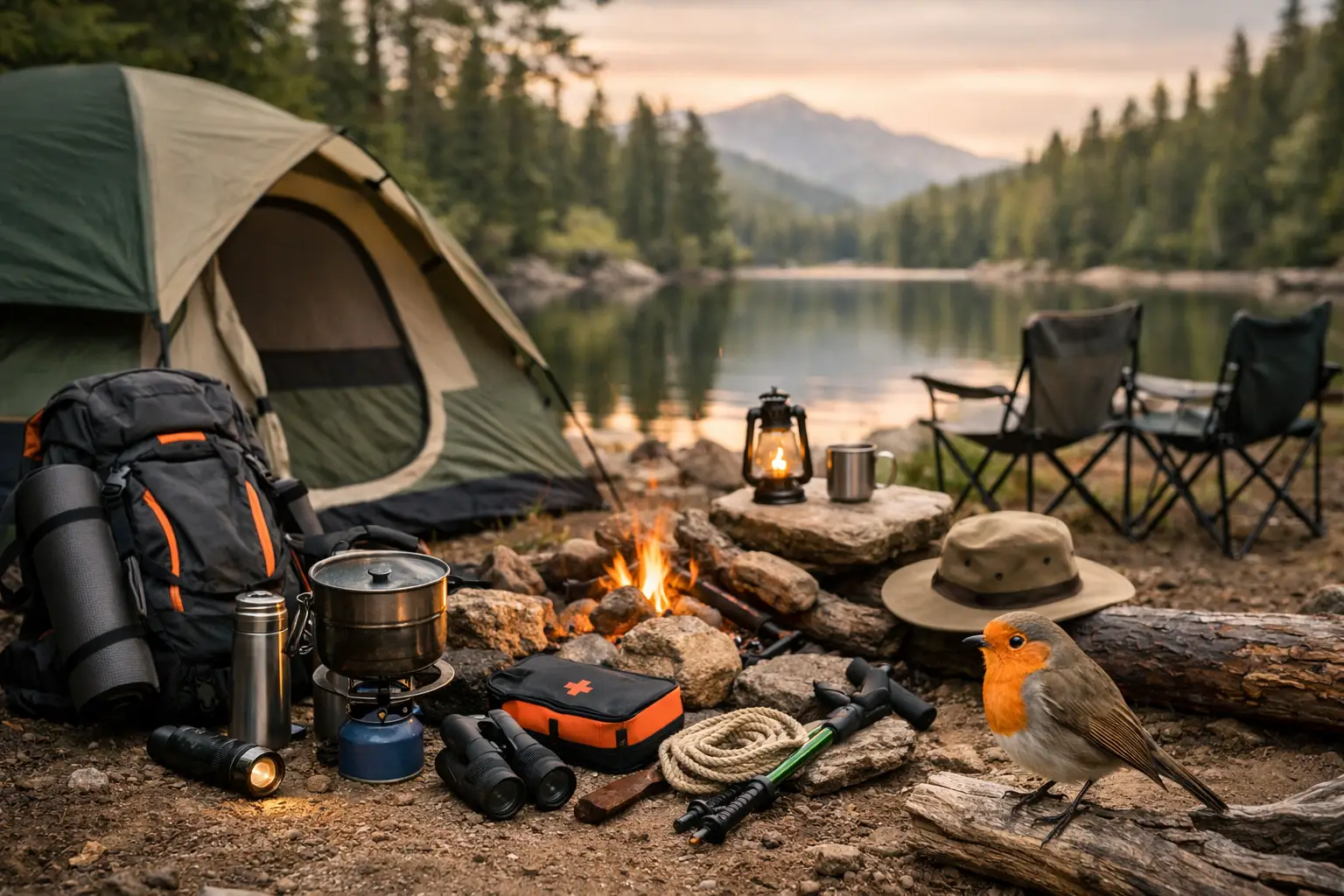
Your tent is not just a place to sleep. It is the weather barrier that protects your bedding, clothing, and ability to rest. Choose a tent rated for the season and sized with realistic expectations. A two-person tent can fit two sleeping pads, but it may leave little room for bags, wet shoes, or the personal space that makes a trip pleasant.
Check the tent before leaving home. Confirm that poles, stakes, rain fly, footprint, guylines, and repair sleeve are in the bag. A rain fly without enough stakes can become a noisy, unreliable cover in wind. A footprint or ground tarp helps protect the tent floor, but it should sit completely beneath the tent. If its edges extend beyond the tent, it can collect rainwater and funnel it underneath.
Sleeping insulation matters as much as the tent itself. Bring a sleeping bag appropriate for overnight lows, not daytime highs, plus a sleeping pad with enough insulation from the ground. The ground can drain body heat even when the air feels mild. For car camping, a thicker pad and a compact pillow can make a major difference. For backpacking, weight and packed size may be the deciding trade-off.
Build a Water and Food Plan You Can Trust
A reliable water plan is one of the most practical camping decisions. Do not assume a campground spigot is operating, a stream is safe, or a nearby store will be open when you arrive. Bring more water than you expect to drink, especially in hot weather, at high elevation, or when cooking requires it.
For established campgrounds, refillable jugs and personal bottles are usually the simplest approach. In more remote locations, bring a filtration method and a backup treatment option such as purification tablets. Filters can clog, freeze, or fail, and treatment times vary. Read the instructions before the trip, not beside a dark creek after dinner.
Keep meals uncomplicated at first. A cooler, ice packs, stove, fuel, lighter, cook pot, utensils, and food storage containers cover many weekend trips. Plan meals that can be made with one burner and require limited cleanup. Canned beans, tortillas, oatmeal, pasta, shelf-stable sauces, fruit, and trail mix are practical choices because they travel well and do not depend on elaborate preparation.
Food safety deserves the same attention as cooking. Keep raw meat cold, separate it from ready-to-eat food, and use a thermometer when cooking if possible. Store food, scented toiletries, and trash as required by the campground or land manager. In bear country, that may mean a bear-resistant container or designated food locker. Never leave food inside a tent, even for a short walk.
Clothing Is a Weather System, Not an Outfit
Weather forecasts are useful, but a forecast does not show how cold a lakeside campsite will feel after sunset or how quickly wind can turn a comfortable hike into a chilling one. Pack layers that can be added or removed rather than relying on one bulky item.
A practical clothing setup includes a moisture-wicking base layer, insulating mid-layer, rain jacket, warm hat, dry socks, sturdy footwear, and sleep clothes reserved for the tent. Cotton can be comfortable around camp in dry weather, but it holds moisture and loses insulating value when wet. Synthetic or wool layers are usually better for active time outdoors.
Extra socks are a small item with outsized value. Wet feet can lead to blisters, discomfort, and a miserable evening. Keep a dry pair sealed in a bag for sleeping. If rain is expected, pack waterproof footwear or accept that hiking shoes may get wet and plan to dry them carefully rather than placing them too close to a fire.
Light, Navigation, and Power After Sunset
A headlamp is more useful than a phone flashlight because it leaves both hands free for cooking, setting up a tent, or finding gear. Bring spare batteries or a charged backup light. Lanterns are helpful for a communal campsite, but a headlamp is the personal essential.
Your phone can provide maps, weather alerts, reservations, and a camera, but it should not be your only navigation tool. Download offline maps before losing service, carry a paper map where appropriate, and tell someone your itinerary if you are going beyond a developed campground. A power bank is a sensible addition, especially when a phone is also your emergency contact method.
At night, keep the site organized. Put the headlamp, keys, water bottle, and first-aid kit in the same accessible location every evening. This simple habit prevents the familiar scramble through bags when someone needs light or help.
The Safety Kit That Earns Its Space
A first-aid kit should match the trip, group size, and distance from help. A small prepacked kit can work for a basic overnight stay, but add personal medications, blister care, pain relievers, antihistamines, insect repellent, sunscreen, and any supplies needed for known medical conditions.
The following items are worth carrying because they solve common problems without taking much room:
- A multi-tool or knife for repairs, food prep, and cord cutting
- Duct tape and gear patches for torn fabric, loose straps, and broken equipment
- Fire starters kept in a waterproof container, plus a lighter or matches
- Paracord or utility cord for securing tarps, drying clothes, or making basic repairs
- A whistle, emergency blanket, and local emergency information for unexpected delays
Fire requires judgment, not just supplies. Follow burn bans, use established fire rings, keep water nearby, and put out every fire until the ashes are cool to the touch. A campfire is optional. Warm clothing, a good sleeping bag, and a stove approved for the site are often more dependable than building a fire in poor weather.
Choose Gear for Your Trip, Not Someone Else's
The best outdoor camping essentials list changes with location and style. Car campers can carry a larger cooler, camp chairs, a table, and extra blankets. Backpackers must prioritize light, compact equipment and carefully manage fuel, water, and calories. Families may need shade, games, child-sized sleep systems, and a larger first-aid setup. Solo campers may place greater value on communication tools and easy-to-pitch shelter.
Before packing, check the site rules, elevation, expected overnight temperature, fire restrictions, water availability, wildlife guidance, and road conditions. These details prevent common mistakes, including bringing a stove fuel canister that is not allowed, relying on water that is seasonal, or arriving with a tent too large for the designated pad.
Avoid buying specialty equipment for every possible scenario. Borrow or rent where available, test core gear close to home, and upgrade after learning what your trips actually demand. Comfort has value, but every extra item takes up space, adds setup time, and creates one more thing to keep dry and organized.
A well-packed campsite does not need to look like an outdoor store display. It needs to give you a dry place to sleep, safe water and food, dependable warmth and light, and enough preparation to handle a change in weather with confidence. Pack those basics first, then leave room for the part of camping that cannot be bought: time outside with fewer distractions and a better view of the night sky.