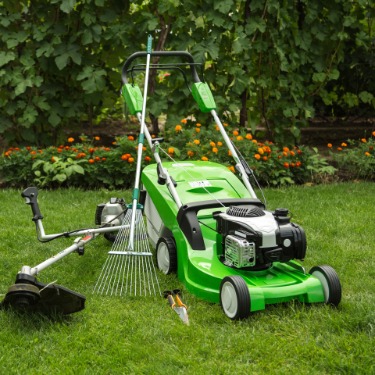
A change of season means a change in the jobs waiting outside. When grass begins growing again and hedges need attention, equipment that has spent weeks or months in storage suddenly has work to do.
Starting a mower, trimmer, edger, or other outdoor machine without inspecting it first can turn a straightforward weekend job into an afternoon of troubleshooting. Storage can affect fuel, batteries, tires, cutting components, and moving parts even when equipment appeared to be in excellent condition when it was put away. Preparing your lawn equipment for a new season can help you identify any problems before the first major lawn care day arrives.
Begin With a Thorough Cleaning
Before checking individual components, remove dirt and debris from the equipment. Dried grass, mud, leaves, and dust can conceal damage and make inspection more difficult.
For a lawn mower, pay particular attention to the deck and areas around the wheels. Grass clippings that remain trapped underneath the deck can hold moisture against metal surfaces and contribute to corrosion. Trimmers and edgers can similarly accumulate plant material around guards and cutting heads.
Follow the manufacturer’s instructions when cleaning powered equipment. Avoid spraying water directly into electrical components, air intakes, bearings, or other areas that may be vulnerable to moisture. Once the machine is clean, look for loose fasteners, damaged covers, cracks, corrosion, worn cables, and anything else that appears different from when it was last used and address accordingly.
Inspect Tires and Wheels
Lawn mower wheels are easy to overlook because attention tends to focus on the engine and cutting system. However, damaged or underinflated tires can make equipment harder to control and may contribute to an uneven cut.
Check pneumatic tires for cracking, embedded objects, sidewall damage, and air loss. Tire pressure should be measured against the equipment manufacturer’s specifications rather than estimated by appearance. Also inspect the tread, as equipment regularly operated on slopes, damp grass, or uneven ground depends on adequate traction. Severely worn tires may struggle in these conditions.
When a tire is damaged beyond a simple pressure adjustment, the machine’s specifications should determine the correct replacement. Measurements such as tire size, rim diameter, and intended application matter when identifying suitable lawn mower tires, particularly because riding mowers and other lawn equipment can use different tire configurations.
Check Fuel and Oil
Fuel-powered equipment deserves particular attention after extended storage. Old gasoline can deteriorate over time and may contribute to starting or performance problems. Rather than automatically topping off fuel that has been sitting in the tank for months, check the manufacturer’s recommendations for dealing with stored fuel.
Next, inspect the oil where applicable. Confirm that the level is correct and look at its condition. If the equipment is due for an oil change based on its maintenance schedule, doing so before regular use begins is usually more convenient than waiting until the middle of the season.
Look underneath the machine for signs of fluid leakage as well. An unexplained wet patch or oily residue should be investigated before operation.
Examine Blades and Cutting Components
Sharp, properly maintained cutting components improve both equipment performance and lawn appearance. Disconnect the spark plug or power source according to the manufacturer’s safety procedure before handling a mower blade or other cutting component. Inspect mower blades for excessive wear, bends, cracks, chips, and dull edges.
A blade in suitable condition may simply need sharpening and balancing. A damaged blade generally requires replacement rather than an improvised repair.
String trimmers should have enough appropriate line installed, while hedge trimmers and similar tools should be checked for damaged teeth or cutting surfaces. Consult the appropriate manual for lubrication requirements because they vary by machine.
Give Batteries Some Attention
Battery-powered lawn equipment has simplified some maintenance tasks, but storage still affects batteries. Inspect removable batteries and chargers before reconnecting them. A battery that is cracked, swollen, leaking, unusually hot, or otherwise damaged should not be used. Follow the manufacturer’s instructions for handling and disposal.
For equipment with conventional starter batteries, such as some riding mowers, check the terminals for corrosion and make sure connections are secure. Charging procedures vary between battery types, so use a compatible charger and follow the equipment manufacturer’s specifications.
Storage conditions also matter. Extreme heat and cold can affect battery performance, making the recommended temperature and charging practices worth following between seasons.
Inspect Filters, Belts, Cables, and Spark Plugs
Smaller components can have an outsized effect on how well equipment operates. Check the air filter and clean or replace it according to the manufacturer’s instructions, as a heavily clogged filter can restrict airflow. Spark plugs should also be inspected at the recommended service interval.
On machines equipped with belts, examine them for cracks, fraying, glazing, or unusual looseness. Control cables should move freely without obvious damage. These checks are particularly useful before the season starts because replacement parts are much easier to deal with when the lawn is not already overdue for cutting.
Review Safety Features
Preparing equipment is not only about making it run. It also needs to stop and operate safely. Check guards, shields, handles, switches, blade controls, and other safety mechanisms before use. Never bypass a safety feature simply because it prevents the machine from starting or operating normally. A malfunctioning safety mechanism should be repaired according to the manufacturer’s instructions.
For riding equipment, inspect the seat, steering, brakes, and operator-presence controls where fitted. This is also a good opportunity to locate appropriate eye protection, hearing protection, sturdy footwear, and any other protective equipment recommended for the machine.
Perform a Short Test Before the First Big Job
After completing the inspection and required servicing, test the equipment in a safe, open area. Listen for unfamiliar rattles, grinding, knocking, or other noises. Watch for unusual vibration, smoke, leaks, steering problems, or inconsistent power.
With cutting equipment, confirm that controls engage and disengage as intended. A short test can expose a problem that was not visible during inspection and gives you time to address it before committing to a full lawn-care session.
Make Seasonal Checks a Habit
Learning how to prepare your lawn equipment for a new season is largely about catching small issues before they become inconvenient ones. Cleaning equipment, checking tires, examining cutting parts, maintaining batteries, and following scheduled engine maintenance can make the transition from storage to regular use considerably smoother.
Good seasonal lawn equipment maintenance also continues after that first inspection. Keeping machines clean, checking for wear periodically, and following manufacturer-recommended service intervals throughout the season can help preserve dependable performance.
A mower or trimmer does not need to look brand new every spring or growing season. It simply needs to be clean, correctly maintained, safe to operate, and ready for the work ahead.
Bio: Casey is a passionate copyeditor highly motivated to provide compelling SEO content. Her expertise spans technical, consumer, and lifestyle industries with an emphasis on readability and detail.