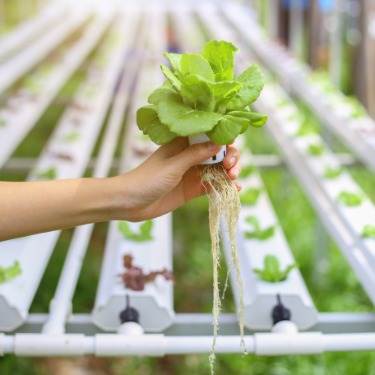
Without soil to supply or hold essential minerals, plants depend entirely on the nutrient solution surrounding their roots. Understanding nutrient requirements of hydroponic gardening helps you provide balanced nourishment while avoiding deficiencies or excesses that can interfere with growth.
How Hydroponic Plants Receive Nutrients
Hydroponic plants follow the same basic biological process, but growers supply those minerals directly through water. A properly mixed nutrient solution gives roots immediate access to the compounds they need for ongoing development.
Soil can sometimes buffer changes in nutrient availability, while a hydroponic reservoir responds more quickly to imbalances. Growers need to monitor the solution and make adjustments before minor changes begin affecting plant health.
Know the Essential Macronutrients
Plants require certain nutrients in larger quantities because they support fundamental growth processes. Nitrogen encourages leafy growth and helps plants produce chlorophyll, which they need for photosynthesis. Phosphorus contributes to root development and plays an important role in flowering or fruit production.
Potassium supports overall plant vigor and helps regulate processes involving water movement within plant tissues. Calcium contributes to strong cell development, while magnesium forms a key part of chlorophyll. Sulfur also supports plant proteins and enzymes.
Do Not Overlook Micronutrients
Plants need micronutrients in much smaller amounts, but small requirements do not make these minerals optional. Iron helps plants form chlorophyll and supports important metabolic functions. Manganese assists with photosynthesis and other enzyme-driven processes within plant tissues.
Other micronutrients contribute to healthy development in specialized ways. Zinc supports growth regulation, while boron plays a role in cell development. Copper and molybdenum also contribute to enzyme activity and nutrient processing.
Match Nutrition to the Growth Stage
A plant's nutritional demands change throughout its life cycle. Young seedlings generally need a gentler nutrient solution because their developing roots can suffer damage from excessive mineral concentrations. As plants establish themselves and produce more foliage, they can usually handle stronger feeding appropriate to their species.
Flowering and fruiting plants may also benefit from a different nutrient balance than plants grown primarily for leaves. A lettuce crop does not have the same priorities as a tomato plant setting fruit. Following feeding guidance for the crop and its current growth stage helps prevent unnecessary stress while supplying appropriate nourishment.
Monitor pH for Nutrient Availability
Providing nutrients does not guarantee that roots can absorb them effectively. The acidity or alkalinity of the solution affects how available different minerals are to plants. When pH moves too far outside the appropriate range, certain nutrients can become difficult for roots to take up even when the reservoir contains enough of them.
Regular pH monitoring helps growers catch changes before plants develop visible symptoms. Keeping the root environment relatively stable allows plants to access the nutrient mixture more consistently and makes it easier to identify the cause of emerging problems.
Pay Attention To Nutrient Concentration
Growers also need to consider how concentrated their nutrient solution becomes. A solution that contains too little fertilizer may leave plants hungry, resulting in weak growth or pale foliage. An overly concentrated mixture can damage roots and make it harder for plants to absorb water properly.
Electrical conductivity meters can help growers estimate the amount of dissolved mineral salts in a solution. Follow the nutrient manufacturer's mixing directions, account for the needs of your crops, and do not assume that adding more fertilizer will produce faster growth.
Watch the Water in Your System
Water serves as the delivery system for every mineral that hydroponic plants receive, so its starting quality matters. Tap water may already contain dissolved minerals that affect the final nutrient mixture. Very hard water can make balancing a reservoir more complicated, while heavily treated water may require additional consideration depending on the system.
Growers should understand their water source before repeatedly adjusting fertilizer concentrations. Starting with consistent water makes nutrient management easier because it reduces unknown variables. It also helps you interpret changes in pH or mineral concentration with greater confidence instead of reacting to readings without understanding what caused them.
Refresh and Maintain the Reservoir
Plants continuously remove water and nutrients from a hydroponic reservoir, but they do not necessarily consume every mineral at the same rate. Simply topping off the reservoir indefinitely can allow the nutrient balance to drift away from the original formula. Periodic solution changes restore a more predictable growing environment.
Reservoir maintenance also supports root health. Keep equipment clean and remove plant debris that could break down in the water. Maintaining suitable water temperature and oxygenation can further support healthy roots, allowing them to take advantage of the nutrients available rather than struggling in unfavorable conditions.
Recognize Signs of Nutrient Problems
Plants often communicate nutrient problems through changes in their appearance. Yellowing leaves, unusual discoloration, curled edges, or slow growth can signal that something has disrupted normal nutrition. However, similar symptoms can result from different causes, which makes immediate fertilizer additions risky.
Check the basics before deciding that a plant has a true deficiency. Review pH and nutrient concentration, then inspect root conditions. An indoor hydroponic gardening mistake to avoid is treating every discolored leaf as proof that the reservoir needs more fertilizer. Correcting the growing environment may solve the underlying problem without adding unnecessary minerals.
Adjust Carefully Instead of Reacting Quickly
Successful nutrient management depends on consistency more than constant intervention. When a reading changes slightly, consider recent water additions and plant growth before making a large correction. Small adjustments make it easier to observe how plants respond and reduce the chance of creating a new imbalance.
Keep simple records of reservoir changes, feeding strength, and plant responses. These notes can reveal patterns that are difficult to remember across several growing cycles. Over time, you can refine your routine for specific crops while still using established nutrient recommendations as the foundation for each new planting. Careful observation also helps growers separate temporary plant responses from persistent nutrition problems, making future adjustments more precise and protecting the stability of the entire system.
Build a Balanced Hydroponic Routine
Healthy hydroponic plants rely on more than pouring fertilizer into water. Growers must consider mineral balance, nutrient availability, and changing plant demands while maintaining a stable root environment. Understanding nutrient requirements of hydroponic gardening gives you the knowledge to make deliberate adjustments instead of reacting to every small change. With consistent monitoring and thoughtful reservoir care, you can create conditions that help plants use nutrients efficiently and develop steadily from their earliest growth through harvest.
Bio: Casey is a passionate copyeditor highly motivated to provide compelling SEO content. Her expertise spans technical, consumer, and lifestyle industries with an emphasis on readability and detail.