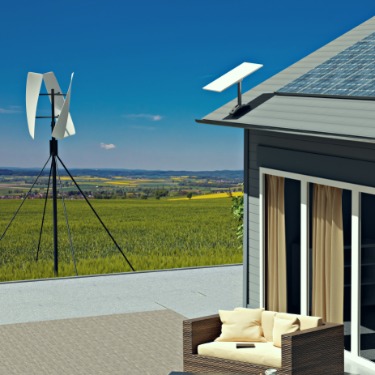
Off-grid life gives homeowners a chance to gain more control over the resources their home depends upon each day. Instead of complete dependence on public utilities, the property can produce and preserve much of what the household needs. Success starts with a realistic plan that matches the home and the way its residents live.
A self-reliant property must function as one connected environment rather than a collection of unrelated upgrades. Each system affects another, especially when electricity comes from a limited renewable source. Careful preparation makes it easier to create a home that remains dependable across normal days and unexpected disruptions.
Comfort does not have to disappear when a household moves toward greater independence. Modern technology can support familiar routines without placing excessive pressure on available resources. The key lies in making off-grid living work for your home where demand remains compatible with what the property can reliably provide.
Understand Your Household Energy Habits
Every off-grid project should start with a realistic assessment of household electricity use. Daily demand can vary dramatically between homes even when the properties have similar dimensions. Your normal routines provide a much better basis for system design than broad estimates.
Pay close attention to how demand changes from morning to night. Some homes use most of their electricity after sunset, when solar panels no longer produce direct power. That pattern can affect how much stored energy the property needs to remain comfortable overnight.
Design Solar Power Around Your Property
Solar power can become the primary electricity source for a home with adequate access to sunlight. The property itself determines how effectively panels can capture energy throughout the year. Seasonal changes can also alter production more than homeowners initially expect.
A solar system should reflect the amount of electricity the household consumes. Excess capacity can increase project costs without providing meaningful value for every property. Too little capacity can leave residents dependent on backup power far more often than planned.
Preserve Solar Energy for Later Use
Solar production does not always match the hours when household electricity demand reaches its peak. Battery storage can preserve excess daytime power until residents need that electricity later. This creates greater flexibility once sunlight fades and direct solar production stops.
Learning about the off-grid capabilities of the Tesla Powerwall will help homeowners determine how stored solar energy can support household independence. Appropriate storage can keep essential home systems operational when available sunlight falls below normal levels. It also gives residents greater control over the electricity their solar panels produce.
Make the Home Naturally More Efficient
A home that requires less electricity places less pressure on its independent power system. Efficiency starts with the structure because indoor comfort can demand substantial energy throughout extreme seasons. Better thermal control allows the home to retain comfortable interior conditions for longer periods.
Good insulation can reduce how often climate equipment must operate to maintain a pleasant temperature. Air leaks can have the opposite effect and force the system to consume additional electricity. Address these weaknesses before increasing solar capacity merely to compensate for avoidable energy loss.
Establish Reliable Water Access
An independent home needs a water source that remains dependable without regular municipal service. The best approach depends heavily on conditions beneath and around the property. Homeowners should understand those conditions before they commit to an expensive water system.
Water availability can also change across seasons, especially in areas that experience extended dry periods. Storage can help the household remain prepared when natural supply becomes less predictable. A dependable system should support normal household demand without forcing constant concern over available reserves.
Select Refrigeration for an Independent Home
Refrigeration deserves special consideration because it requires dependable power throughout every day. A conventional unit with excessive energy demand can consume valuable electricity that the household needs elsewhere. An efficient alternative can make daily power management far easier.
For refrigeration, the benefits and best brands of solar refrigerators can help homeowners select a model that matches an independent energy system. The right unit can protect food without placing unnecessary pressure on available power. Household needs should determine capacity rather than the assumption that a larger refrigerator always provides greater value.
Create a Practical Sanitation System
Homes beyond municipal service areas need a safe method to handle household waste. The property itself often determines what type of system can function effectively. Local regulations can also shape installation requirements before work begins.
Proper care becomes especially important because sanitation problems can disrupt an independent property quickly. A system should remain accessible enough for routine service whenever maintenance becomes necessary. Early preparation can prevent small problems from becoming expensive disruptions later.
Prepare for Periods With Limited Solar Power
Even a carefully designed solar system can encounter periods when energy production falls below household demand. Severe weather can reduce available sunlight for longer than residents expect. Battery reserves can help bridge these periods until normal production returns.
Backup power can provide additional support when stored energy reaches a low level. It should serve as protection rather than become the household's normal source of electricity. A well-balanced system keeps backup use uncommon without leaving residents vulnerable during difficult conditions.
Match Household Routines to Available Energy
Off-grid life becomes easier when residents understand when their system produces the most electricity. Household demand does not need to remain identical throughout every hour. Small adjustments can help residents use more direct solar power before that energy must enter storage.
This approach does not require constant attention to every device inside the home. Residents can develop natural habits once they understand how their energy system responds throughout the day. Over time, thoughtful use can feel like a normal part of household life.
Plan for Seasonal Changes
An off-grid property rarely operates under identical conditions throughout the entire year. Changes in daylight can affect solar production enough to alter how residents use stored energy. Seasonal preparation can keep those changes from becoming major disruptions.
Homeowners should evaluate system performance across different parts of the year rather than judge results from one season. This broader perspective can reveal weaknesses before they cause serious problems. It also helps residents make practical adjustments without completely redesigning the property.
Build a Home That Can Adapt
Off-grid systems should have enough flexibility to accommodate changes in household needs. A property that works well at first may face greater demand as residents alter their routines. Planning for reasonable changes can protect the original investment.
Adaptability also makes future technology easier to incorporate when useful improvements become available. Homeowners can update individual systems without rebuilding the entire off-grid setup from the beginning. That flexibility helps the property remain practical as household needs evolve.
Making off-grid living work for your home requires more than disconnecting from public utilities. True independence comes from understanding how the property produces resources and how the household consumes them. Every major decision should support a home that remains dependable without creating unnecessary restrictions.
A successful off-grid lifestyle can still feel comfortable and familiar. Thoughtful preparation helps the property respond naturally when energy availability or household demand changes. With systems that complement each other, homeowners can create a more independent home that remains practical for everyday life.
Bio: Casey is a passionate copyeditor highly motivated to provide compelling SEO content. Her expertise spans technical, consumer, and lifestyle industries with an emphasis on readability and detail.