A breaking story appears on your phone while you are commuting, waiting for an appointment, or checking the latest headlines between tasks. The choice between video news vs text articles can shape how quickly you understand the event, how much context you retain, and whether you notice the details that matter to you.
Neither format wins every time. A live video can show the scale of a developing event in seconds, while a well-reported article can explain what happened, identify the sources, and clarify what remains unknown. For readers following news across politics, business, technology, travel, health, and entertainment, the strongest habit is not choosing one format forever. It is knowing when each format serves the story best.
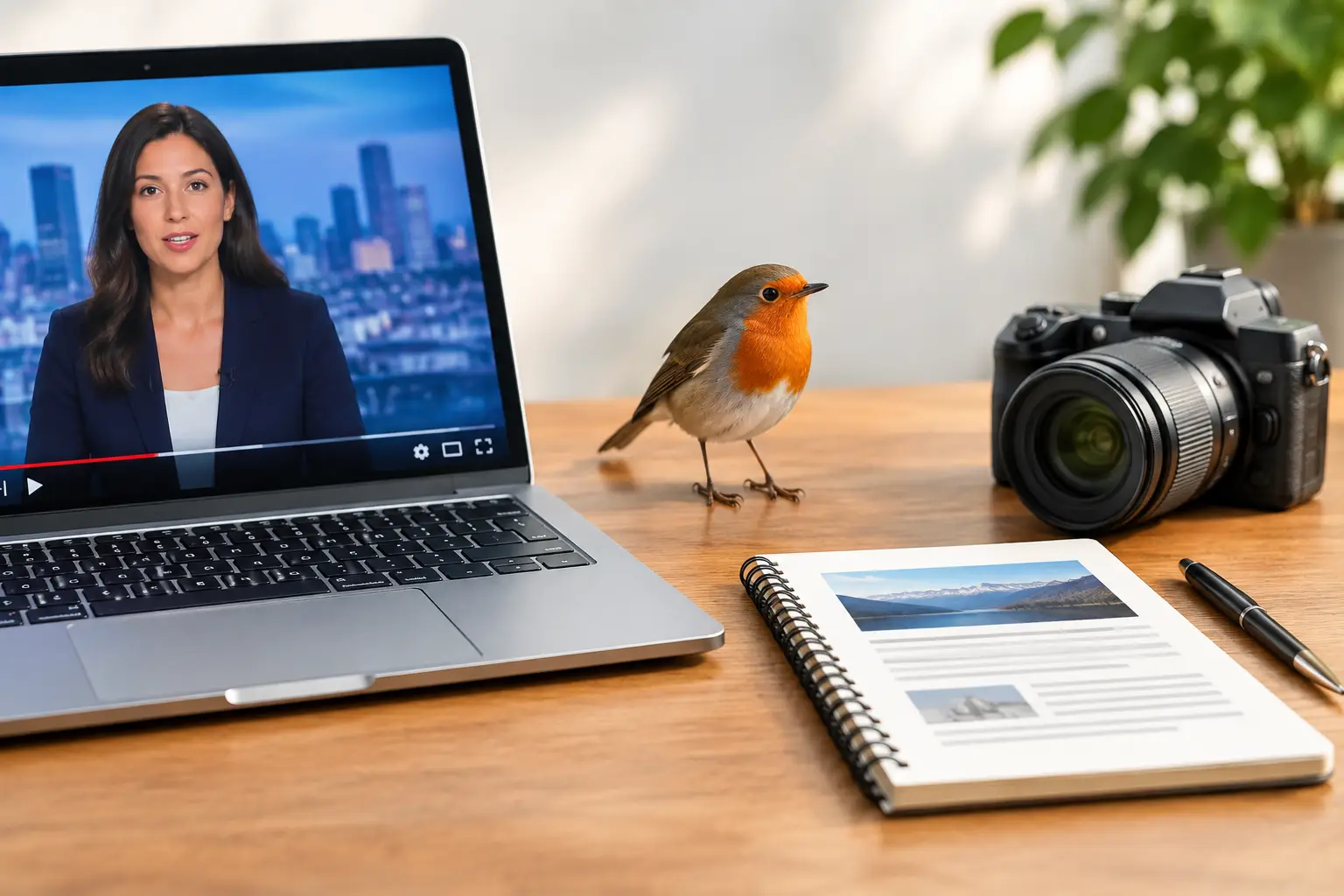
Video News vs Text Articles: The Main Difference
Video news is immediate, visual, and often emotional. It puts a reporter at the scene, carries a press conference live, or packages key footage with narration and graphics. For fast-moving stories, that visual evidence can make an event easier to grasp than a written update alone.
Text articles are usually better suited to pace and precision. Readers can scan a headline, jump to a key section, reread a quote, or compare details across several reports. A text report also has more room to distinguish confirmed facts from early claims, background information, and expert analysis.
The difference is not simply video versus reading. It is about what a person needs at that moment. Someone monitoring a hurricane may want live video and official updates. Someone trying to understand insurance changes after the storm may prefer a detailed article they can save, search, and revisit.
When Video News Delivers More Value
Video is particularly useful when the visuals are part of the news itself. Footage from an election rally, a product launch, a court appearance, a wildfire zone, or a sporting event can provide information that text cannot fully reproduce. Body language, crowd size, weather conditions, and the sequence of events are often easier to assess when viewers can see them.
Live streams also create a direct connection to major events. A viewer can watch a government briefing, a space launch, a business earnings presentation, or an international news conference without waiting for a condensed recap. This is valuable for people who want to hear statements in full and form their own view before reading commentary.
For casual news browsing, short video clips lower the effort needed to get oriented. A two-minute report can quickly answer the basic questions: What happened? Where did it happen? Who is involved? Why is it drawing attention? This makes video an effective discovery tool in a busy news feed.
Video can also make complex subjects more accessible. An animated explanation of inflation, a map showing a transportation disruption, or a demonstration of new consumer technology may be easier to understand when visuals support the reporting. For multilingual audiences, footage, captions, and on-screen graphics can help bridge language gaps as well.
Still, speed and impact can come with limits. A short clip may focus on the most dramatic moment rather than the most consequential detail. Video packages also take longer to review than a text update if you are trying to verify a name, statistic, or date.
Why Text Articles Still Matter
Text remains one of the most efficient ways to stay informed across many topics. A reader can consume a straightforward news brief in less time than it takes to watch a video, especially when the report includes a transcript, repeated footage, advertisements, or lengthy introductions.
More importantly, articles can provide structure. A strong text report separates the latest development from the history behind it. It can explain policy terms, link a decision to previous events, quote multiple parties, and state what is not yet confirmed. That depth is especially useful in public-interest reporting, financial news, consumer issues, and international affairs, where a dramatic image may not explain the larger consequences.
Text is also easier to search and compare. If you are researching a travel disruption, tracking a company announcement, or following changes to a health recommendation, written reports allow you to find the specific section you need. You can read at your own speed, pause without missing anything, and return later without scrubbing through a timeline.
Accessibility is another practical advantage. Text can be read quietly at work, in a classroom, or late at night. It may use less mobile data than video, and it can be more convenient for people with limited bandwidth or those who prefer screen readers and adjustable text sizes. Captions and transcripts improve video access, but they are not always available immediately on breaking stories.
The Trust Question Depends on the Reporting
People often assume video is more trustworthy because they can see an event with their own eyes. Visual evidence can be powerful, but it does not automatically tell the whole story. A short clip may be old, edited out of sequence, missing location details, or presented without the events that came before and after it.
Text articles face a different challenge. Readers must trust that the writer has accurately represented the facts, sources, and context. The strongest reports make this easier by identifying where information came from, attributing claims clearly, and updating the story as new facts emerge.
For either format, look for clear sourcing, publication dates, corrections, and distinctions between reporting, commentary, and promotional material. If a claim seems unusually surprising or perfectly tailored to provoke outrage, compare it with coverage from multiple established sources. A news hub that brings together varied reports, videos, and live coverage can make that comparison faster, but the reader should still check the original context.
How to Build a Better Daily News Mix
A practical news routine uses formats in sequence rather than treating them as rivals. Start with video when you need a quick visual briefing or want to follow a live event. Move to text when you need the details, the timeline, and the explanation behind the headline.
For a major developing story, watch a short report or live update first. Then read at least one detailed article that identifies what has been confirmed and what remains uncertain. If the issue affects your finances, travel plans, health choices, or local community, look for official statements and specialized reporting before acting on what you saw in a clip.
This approach also helps manage attention. Watching continuous live coverage can make every update feel urgent, even when little has changed. Reading a concise article can restore perspective and help you decide whether the story deserves more time. On the other hand, relying only on text can mean missing the human and visual dimensions of events that are easier to understand on screen.
Choose the Format That Fits the Moment
Video news works best when seeing the event adds essential meaning, when a live statement matters, or when you need a rapid overview. Text articles work best when accuracy, detail, comparison, and careful reading matter most. For many stories, the best answer is both: video for the first impression and text for the fuller picture.
As you browse the next major headline, pause long enough to ask one useful question: do you need to see this story, or do you need to understand it? That simple choice can make your news time more informed, more efficient, and far less driven by the loudest clip in the feed.