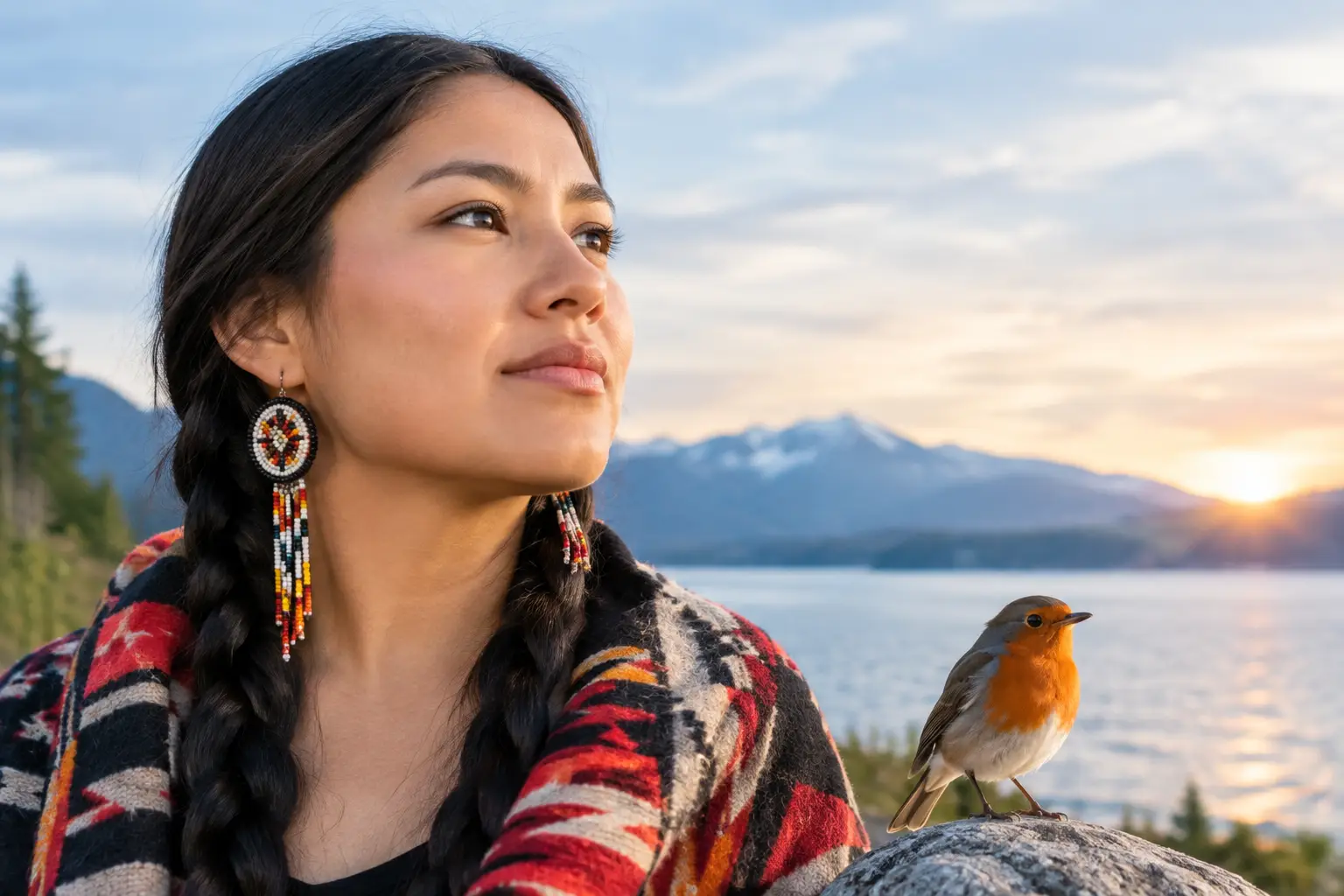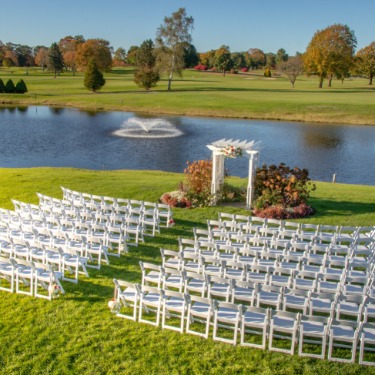
An outdoor wedding can make the setting part of the celebration itself. Towering trees can frame the ceremony, a waterfront can create a romantic backdrop, and a garden in full bloom may need little additional décor. The right setting can establish the mood before guests even take their seats.
Still, beautiful photographs only tell part of the story. Choosing the ideal outdoor venue for your wedding requires looking beyond the scenery to consider how the space will function throughout the day. Weather, accessibility, lighting, guest comfort, and venue logistics can influence the experience just as much as the view.
Match the Setting to Your Wedding Style
Start with the atmosphere you want to create. A manicured garden can complement an elegant ceremony, while a vineyard may feel romantic without becoming overly formal. Waterfront properties can create an airy aesthetic, and private estates may offer greater intimacy.
The venue should also make sense for your guest count. A sprawling property may overwhelm a small gathering, while a compact garden can become crowded after adding ceremony chairs, dinner tables, entertainment, and service areas.
Ask how previous weddings with similar guest counts at the venue went and about their experiences. Sample layouts or photographs from actual events can reveal much more than styled venue images.
See the Venue Through the Seasons
If you want to choose the ideal outdoor venue for your wedding, you also must consider how the venue fits the season and date of your big day. A garden overflowing with flowers in spring may look completely different by late summer. Trees lose or gain foliage, lawns change color, temperatures fluctuate, and sunset arrives at different times.
Whenever possible, tour a venue during the same season as your wedding. If that is not practical, request photographs taken during the month you plan to marry. Ask about typical conditions and how seasonal changes affect the property.
This deserves particular attention for weddings in the Southeast, where heat and humidity can shape the experience for both the wedding party and guests. An exposed afternoon ceremony may feel uncomfortable even when the scenery looks spectacular.
Shade from mature trees, covered patios, or permanent structures can make warm-weather celebrations more comfortable. For cooler months, ask whether the venue permits heaters and whether sheltered areas are available.
Make Sure the Weather Plan Works
Every outdoor wedding needs an alternative plan that you would genuinely feel comfortable using.
Ask exactly what happens if rain begins before the ceremony. Does the property have an indoor event space, covered pavilion, or tenting option? More importantly, can that alternative comfortably accommodate your entire guest list?
When preparing for weather challenges at outdoor events, avoid relying on vague assurances that the staff will adjust if necessary. You should understand the backup plan before signing the venue contract.
Rain is not the only weather concern. Wind can disrupt décor, signage, sound equipment, and temporary structures. High temperatures may require additional shade and hydration, while cold weather can affect dining and entertainment plans. Lightning can require guests and staff to leave exposed areas altogether.
The best backup option should still feel intentional. If holding the entire ceremony in a different space would disappoint you, consider whether the venue is truly the right fit.
Think About Your Guests From Arrival to Departure
Couples naturally view a venue through the lens of their wedding vision. It is equally important to experience the property as a guest would.
Start in the parking area and walk the route guests will take. Long distances, gravel, grass, steep slopes, or uneven pathways can become difficult for anyone wearing formal shoes or dealing with limited mobility.
Accessibility should extend throughout the property. Check whether guests using wheelchairs or other mobility aids can comfortably reach the ceremony, reception, restrooms, and other important areas. On larger properties, ask whether transportation is available for guests who need assistance.
Restrooms also deserve attention. Some outdoor venues have few permanent facilities. If the property requires portable restrooms, find out what type they permit, where staff will place them, and how easily guests can reach them.
Comfort rarely appears in glamorous wedding photographs, but guests will notice it throughout the celebration.
Pay Attention To Light and Sound
Natural light can transform outdoor wedding photography, but timing matters.
A ceremony in direct midday sunlight can create harsh shadows and leave guests squinting. Late-afternoon light tends to feel softer, while sunset can provide a beautiful window for portraits.
Ask your photographer to assess the ceremony site and timeline before you finalize them. A professional familiar with outdoor events can identify how the direction of the sun may affect photographs and guest comfort.
Then look beyond sunset. Decorative string lights and candles can create atmosphere, but they may not provide enough functional illumination for pathways, dining spaces, restrooms, or parking areas. Ask how the venue lights these spaces after dark.
Sound requires similar planning. Outdoors, there are no walls to contain music or amplify voices. Traffic, aircraft, neighboring properties, and wind can make vows or speeches harder to hear.
Understand What the Venue Provides
A venue fee does not always cover everything visible during a tour. Ask for a complete breakdown of what the property supplies. Tables, chairs, lighting, linens, power, staging, tents, and other essentials can become significant additional expenses when couples must rent them separately.
Vendor policies matter as well. Some venues require couples to work with approved caterers or rental companies, while others simply provide a preferred list. Understand those requirements before signing contracts with outside vendors.
Also examine how vendors will work within the space. Catering teams need access to preparation areas and power. Musicians and DJs require suitable setup locations. Rental companies need enough time and access to install equipment safely.
These operational details may not feel exciting during venue shopping, but they help the celebration run smoothly once guests arrive.
Look at the Entire Wedding, Not Just the Ceremony
A breathtaking ceremony backdrop can make a venue memorable, but your wedding lasts much longer than the vows.
Walk through every stage of the celebration. See where guests will gather for cocktail hour and where dinner and dancing will take place. Tour the wedding party preparation spaces. Ask how guests move between different areas of the property.
The transitions should feel intuitive rather than confusing or inconvenient. A beautiful ceremony lawn loses some of its appeal if guests must navigate a difficult path to reach the reception.
When scenery and thoughtful planning come together, the venue does more than provide a beautiful backdrop. It creates an environment where you can enjoy the people and moments that make your wedding memorable without spending the day worrying about what is happening behind the scenes.
Bio: Casey is a passionate copyeditor highly motivated to provide compelling SEO content. Her expertise spans technical, consumer, and lifestyle industries with an emphasis on readability and detail.