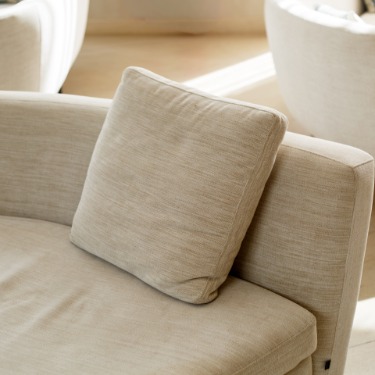
A new sofa can instantly refresh a living room, but looks only tell part of the story. The upholstery affects how the furniture feels, how well it handles daily life, and how much care it requires over time. Before making the investment, take a closer look at the fabric specifications and consider how they fit your household.
1. Start With the Fiber Content
Fiber content influences how upholstery feels and performs. Common options include cotton, linen, wool, polyester, nylon, acrylic, and blends that combine qualities from more than one fiber. Natural fibers often provide an inviting feel, while synthetic fibers can offer strong resistance to everyday wear.
When you check for fabric details before buying a new sofa, start with where the furniture will sit and how often people will use it. Blended textiles may offer a useful balance between comfort and easier maintenance. A sofa in a formal sitting room may face far less wear than the main seating in a busy family room.
2. Check the Abrasion Rating
Everyday activities create friction against upholstery. Sitting down and shifting across a cushion can gradually wear the fabric's surface, particularly on a sofa that receives constant use. Abrasion ratings help shoppers understand how well a textile may hold up under that repeated contact.
Manufacturers often measure upholstery abrasion resistance through repeated back-and-forth motions. You may see double rubs listed in fabric specifications as one way to express that durability. The number provides useful context when comparing materials for frequently used seating.
3. Look Closely at the Weave
The weave affects more than a sofa's appearance. It can also influence how the surface reacts to daily contact and whether it catches on clothing, jewelry, or pet claws. A loose or highly textured weave may bring visual interest to a room, but it can also snag more easily in an active household.
Tighter constructions often provide a smoother surface. Request a swatch when possible and inspect the weave closely before deciding. Gently rubbing and handling the sample can give you a better sense of how sturdy the construction feels.
4. Read the Cleaning Code
A sofa needs a care routine that fits your lifestyle. Before choosing a fabric, check the manufacturer's cleaning instructions rather than assuming every upholstered surface responds well to the same products. The wrong cleaning method can leave marks or damage the material.
Cleaning codes can indicate whether a textile works with water-based cleaners, solvent-based products, or another specified method. Think about how much maintenance feels practical for your household before committing. Families with children or pets may prefer a forgiving fabric, while a low-traffic room may allow for more specialized care.
5. Ask About Stain Resistance
Durability does not automatically equal stain resistance. A textile may tolerate years of friction while still showing marks from coffee, cosmetics, food, or other common spills. Ask the retailer or manufacturer what level of stain resistance the fabric offers.
Some performance textiles include features that make cleanup easier. Even so, shoppers should check the recommended care method before treating a spill. Specific fabric information offers more useful guidance than broad labels such as "family-friendly" or "easy care."
6. Consider How Sunlight Will Affect the Fabric
Natural light makes a living room feel open and welcoming, but prolonged sunlight can affect upholstery color. A sofa positioned near large windows or patio doors may experience greater exposure throughout the day. Over time, exposure can change the appearance of some fabrics.
Ask about lightfastness when shopping for furniture that will sit in a bright room. This rating indicates how well a textile's color resists fading when exposed to light. Window treatments can also help reduce intense exposure during the brightest hours of the day.
7. Pay Attention to Pilling
Pilling creates small balls of tangled fibers on the fabric's surface. Friction from regular use can encourage those fibers to gather over time. Some materials naturally show this effect more readily than others.
Ask whether the manufacturer tests the upholstery for pilling resistance. A fabric sample can provide additional clues before you buy. Rub the swatch gently and check whether the surface quickly develops fuzz or sheds noticeable fibers.
8. Think About Pets Before Choosing a Texture
Pet owners need to consider more than stain resistance. Claws can catch on open weaves, and some textured surfaces hold onto fur more readily than smoother upholstery. These small issues can make a noticeable difference in day-to-day maintenance.
Color can also affect how visible pet hair appears between cleanings. Consider your pet's habits when evaluating fabric samples. A delicate textile might work beautifully in a pet-free room but prove frustrating on the family's favorite lounging sofa.
9. Take a Fabric Sample Home
Showroom lighting can make color and texture look different from how they appear at home. A fabric sample lets you see the material alongside your existing walls, rugs, curtains, and furniture. It also gives you more time to decide whether the texture feels comfortable.
Check the swatch at several points during the day because natural and artificial lighting can shift its appearance. Touch it frequently and see whether lint or pet hair clings to the surface. Those small observations can help you make a more confident choice.
10. Match the Fabric to the Sofa's Everyday Role
The best upholstery choice depends on the job you expect the sofa to do. A statement piece in an occasional sitting area faces different demands from a sectional that hosts family movie nights several times a week. Heavily used furniture usually calls for closer attention to durability and maintenance.
For furniture that receives lighter use, you may have more freedom to prioritize an unusual texture or a more delicate finish. Reviewing fabric details before buying a new sofa can help you match the material to the way you actually live. Looking closely at the specifications before buying can also help you choose a sofa that remains comfortable and attractive as your home evolves.
Choose Fabric With Everyday Life in Mind
Color and style can draw you toward a sofa, but the fabric details determine how well that choice works at home. Taking time to examine construction and care requirements can prevent avoidable frustration after the furniture arrives. The goal is to choose upholstery that complements your space while meeting the demands of your household.
Bio: Casey is a passionate copyeditor highly motivated to provide compelling SEO content. Her expertise spans technical, consumer, and lifestyle industries with an emphasis on readability and detail.