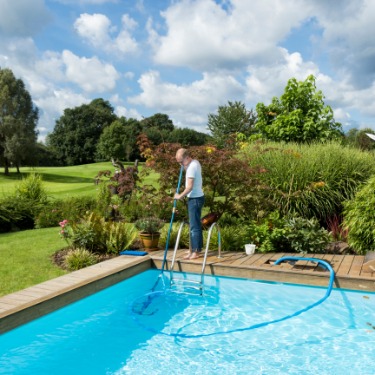
Owning a swimming pool should mean more time enjoying the water and less time chasing problems with cloudy water, clogged filters, or unpredictable chemical levels. While every pool requires regular attention, maintenance does not have to become a collection of time-consuming chores.
The key is consistency. Creating a more efficient pool maintenance routine means focusing on completing small tasks at sensible intervals, allowing the filtration, circulation, and sanitation systems to do much of the ongoing work.
Start With a Consistent Schedule
One of the easiest ways to make pool maintenance more efficient is to stop treating every task as something that needs to be done whenever there is spare time. Instead, separate maintenance into daily, weekly, and occasional tasks.
Daily checks can be extremely brief. Look at the water level, check for obvious debris, and make sure the pump and circulation system appear to be operating normally. Catching an unusual noise, weak water flow, or rapidly changing water level early can prevent a minor issue from becoming a larger repair.
Weekly maintenance could include testing the water, emptying baskets, brushing problem areas, and vacuuming or skimming as necessary. Longer-term jobs, such as filter cleaning and equipment inspections, can be scheduled according to pool conditions and manufacturer recommendations.
Make Filtration Work for You
A pool’s filtration system is central to keeping the water clear. If circulation or filtration is inefficient, homeowners may compensate by cleaning more frequently or repeatedly adjusting water chemistry without addressing the underlying problem. Pay attention to water flow and the filter’s pressure readings rather than relying solely on the calendar. Changes can indicate that the system needs attention.
Efficiency also depends on how the system is operated. Appropriate pump schedules, clean baskets, unobstructed returns, and proper filter maintenance all contribute to effective circulation. Understanding how to maximize a pool’s filtration system can help homeowners identify adjustments that improve filtration before adding more manual cleaning to their routine.
Filters should still be maintained according to their particular type. Cartridge, sand, and diatomaceous earth (DE) filters have different maintenance requirements, so there is no single cleaning schedule that works for every pool.
Test Water Before Making Adjustments
Regular testing provides a clearer picture of what the water actually needs. Important measurements commonly include sanitizer levels and pH, while alkalinity, calcium hardness, and stabilizer may also require monitoring depending on the pool and sanitation system.
Testing before adding chemicals helps avoid a cycle of overcorrection. Adding too much of one product can create another imbalance, resulting in additional testing, chemicals, and work.
Pool owners should also follow product instructions carefully and avoid mixing chemicals. When unusual readings persist despite normal maintenance, professional testing may be more useful than repeatedly attempting adjustments without identifying the cause.
Remove Debris Before It Creates More Work
Leaves, insects, dirt, and other organic material are much easier to remove while floating on the surface than after settling or beginning to break down. This means a quick skim can save considerable effort later.
Keeping skimmer and pump baskets clear is equally important because excessive debris can restrict water movement. Pools surrounded by trees or exposed to frequent winds may need these checks more often than pools in relatively sheltered areas. After storms, heavy use, or particularly windy weather, an additional inspection can help restore normal conditions before returning to the regular schedule.
Brush Strategically Instead of Scrubbing Everything
Not every part of a pool needs identical attention. Focus routine brushing on areas where circulation may be weaker or buildup tends to occur, including steps, corners, ladders, walls, and areas around fittings. Regular light brushing is easier than dealing with stubborn buildup after it has had time to develop.
Vacuuming can follow a similar principle. Whether cleaning manually or using an automatic pool cleaner, concentrate attention where debris actually collects rather than automatically performing unnecessary work. This targeted approach is a central part of creating a more efficient pool maintenance routine because it directs time toward conditions that affect cleanliness and water quality.
Keep the Water at the Right Level
Water level is easy to overlook, but it can influence how effectively the circulation system operates. A level that is too low may interfere with proper skimming and potentially allow air into parts of the system. Excessively high water can also reduce the effectiveness of surface skimming.
Rain, evaporation, splashing, and backwashing can all change water levels, so a quick visual check is useful. Persistent unexplained water loss deserves closer investigation because it may indicate a leak rather than ordinary evaporation.
Watch for Changes in Equipment Performance
Preventive observation takes very little time. When checking the pool, listen for unfamiliar pump noises and look for leaks around visible equipment. Check whether return jets appear to have normal flow and whether pressure readings have changed significantly.
The objective is not to perform a technical inspection every day; it is simply to become familiar with what normal pool operation looks and sounds like. Once that baseline is established, unusual behavior becomes easier to recognize.
Adjust the Routine With the Seasons
A fixed routine may not remain efficient throughout the year. Hot weather, heavy swimming, storms, falling leaves, and other environmental factors increase the demands placed on a pool. During periods of frequent use, water may need to be tested more often. During windy or stormy periods, debris removal may become the priority.
Pools in seasonal climates also require different opening, operating, and closing procedures. Meanwhile, pools that remain open throughout the year still experience changes in maintenance needs as temperature and usage patterns shift. The most useful schedule is consistent without being rigid.
Keep Simple Maintenance Records
A basic record can eliminate guesswork. Pool owners do not need an elaborate spreadsheet; a notebook, calendar, or phone note can be enough.
Record water test results, chemical additions, filter maintenance, unusual pressure readings, and equipment issues. Over time, these notes can reveal patterns.
For example, recurring changes after heavy rain or periods of intense use predict when additional testing will be worthwhile. Records also prevent filters or other equipment from being serviced too frequently simply because nobody remembers when the previous maintenance occurred.
Aim for Prevention Rather Than Perfection
An efficient pool routine is not necessarily the one involving the least maintenance. It is the one that prevents routine tasks from becoming larger problems.
Regular testing prevents unnecessary chemical adjustments. Effective filtration reduces manual cleaning. Frequent light debris removal prevents more difficult cleanup later. Simple equipment checks provide early warning of developing problems.
Ultimately, efficiency comes from making pool maintenance predictable. A few well-timed checks throughout the week can reduce reactive work and leave more time for swimming and relaxation.
Bio: Casey is a passionate copyeditor highly motivated to provide compelling SEO content. Her expertise spans technical, consumer, and lifestyle industries with an emphasis on readability and detail.