Creating an outdoor space that feels inviting in every season takes more than choosing attractive plants. The best creative ideas for designing a year-round yard combine practical landscaping choices with features that keep outdoor areas comfortable when conditions change. Planning for every season creates a yard that stays attractive and functional throughout the year. Thoughtful design choices can help your outdoor space adapt naturally as weather conditions and seasonal needs change.
Design Around Four-Season Structure
A beautiful yard needs a strong visual foundation that remains noticeable after flowers fade and deciduous plants lose their leaves. These features establish clear shapes throughout the landscape and prevent the property from looking unfinished during quieter growing seasons.
Evergreen plants can also provide dependable structure throughout winter. Place them where they can frame entrances, soften property boundaries, or create attractive backdrops for seasonal plantings. Their consistent foliage helps maintain depth when other plants become dormant. Rather than filling every open space, use evergreen varieties strategically so the landscape still has room to change with the seasons.
Layer Plants With Different Seasonal Strengths
Plant selection plays a major role in keeping a yard interesting throughout the year. Some shrubs develop colorful berries or distinctive bark, while ornamental grasses retain graceful forms after their growing season ends.
Design planting areas so different varieties take turns becoming focal points. Early-blooming plants can bring color as winter ends, while later varieties keep beds lively through summer and fall. Plants with attractive seed heads or textured branches can continue contributing after their leaves drop. This approach creates gradual transitions instead of leaving the landscape vibrant during one season and sparse during another.
Create Comfortable Outdoor Living Areas
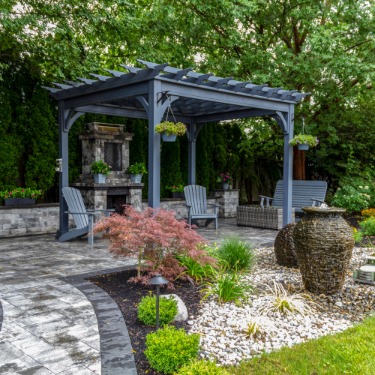
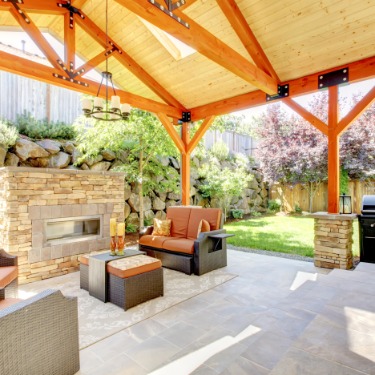
A yard becomes more valuable when you can actually spend time in it across different seasons. Design seating areas around comfort and protection from changing weather. A pergola or covered structure can provide shade during hot months while offering shelter from light rain.
You can also transform your outdoor patio by treating it as an extension of your indoor living space. Durable furniture and weather-resistant storage solutions help create a setting that feels intentional without requiring constant rearrangement. Choose materials that tolerate temperature changes and moisture so the area remains attractive with less seasonal maintenance.
Use Lighting To Extend Outdoor Enjoyment
Daylight hours change dramatically throughout the year, making landscape lighting especially important for a year-round design. Well-placed fixtures allow you to enjoy patios and walkways after sunset while also giving the property visual depth from inside the home.
Focus first on areas where lighting improves safe movement. Path lights can define walkways, while fixtures near steps help make elevation changes easier to see. After addressing practical needs, add subtle lighting around distinctive trees or architectural elements. A restrained approach usually creates a warmer effect than flooding the entire yard with bright light. During winter, thoughtful illumination can make bare branches and evergreen foliage stand out beautifully against darker surroundings.
Plan for Seasonal Shade and Sun
Sun exposure changes as the seasons shift, especially in yards with mature deciduous trees. Observe where sunlight falls during different times of year before committing to permanent seating areas or sensitive plants. A spot that feels pleasantly shaded in July may receive considerably more direct sunlight after leaves fall.
Use these changes to your advantage. Deciduous trees can shade outdoor gathering areas during summer while allowing warming sunlight through their branches during cooler months. Pergolas can support similar flexibility when paired with climbing plants or adjustable coverings. Understanding seasonal light patterns also helps you position plants where they can thrive instead of struggling with unsuitable exposure.
Add Features That Work Beyond Summer
Many homeowners design outdoor spaces around warm-weather activities, then stop using them once temperatures drop. Choosing adaptable features can keep the yard functional longer. A fire feature can make a seating area more appealing on cool evenings, while a covered dining space can remain useful during light rain or intense sunshine.
Consider how each major addition serves the property in more than one season. Features with multiple seasonal roles help the yard feel cohesive rather than filled with elements that only matter for a few months.
Make Maintenance Part of the Design
A year-round yard should remain manageable as well as attractive. Landscaping that requires constant intervention can become difficult to maintain when weather limits outdoor work. Select plants suited to local growing conditions and give them enough room to reach mature sizes without excessive pruning.
Hardscape materials also deserve careful consideration. Choose surfaces that can handle moisture and intense sunlight common to your climate. Proper drainage around patios and paths helps prevent standing water and reduces seasonal wear. When maintenance needs influence early design decisions, you can spend more time enjoying the yard instead of repeatedly correcting avoidable problems.
Bring Seasonal Interest Close to the House
You do not need to redesign the entire property to make seasonal changes noticeable. Concentrate some of the strongest visual details near windows, entrances, and frequently used outdoor spaces. These areas have a greater impact because you see them often.
Container plantings offer an easy way to refresh these focal points as seasons change. Swap warm-weather flowers for cool-season greenery or other climate-appropriate plants when temperatures shift. Decorative planters can remain in place year-round even when their contents change. Window views also matter during winter, so position sculptural plants or attractive hardscape elements where you can appreciate them from indoors.
Create a Yard That Changes Gracefully
The most successful ideas for designing a year-round yard do not try to make every season look identical. Instead, they allow the landscape to evolve while preserving lasting comfort and strong visual interest. Thoughtful plant choices can highlight natural seasonal changes, while durable gathering spaces keep the property functional beyond summer. A flexible design also makes it easier to refresh the landscape over time without starting from scratch. When you balance permanent features with adaptable details, your yard can offer something appealing throughout the calendar. A well-planned landscape embraces each season and gives you more opportunities to enjoy the outdoor space surrounding your home.
Bio: Casey is a passionate copyeditor highly motivated to provide compelling SEO content. Her expertise spans technical, consumer, and lifestyle industries with an emphasis on readability and detail.