A Halloween route can change quickly after sunset: one child runs ahead, a costume mask slips, a driver turns into a dark street, or a porch becomes crowded with visitors. The most useful Halloween safety tips are not about taking the fun out of the evening. They help families, neighbors, and drivers make small plans that keep the night visible, calm, and enjoyable.
Plan the Route Before the Costumes Go On
A safer trick-or-treating night often starts before anyone leaves home. Choose familiar streets with sidewalks, good lighting, and houses that are clearly participating. Agree on a turnaround time, especially if young children are involved or rain and colder temperatures are expected.
For younger children, an adult should stay close enough to guide street crossings and notice hazards such as uneven pavement, loose decorations, or cars backing out of driveways. For older children who are ready to go without an adult, set a defined route, a check-in time, and a simple rule: stay with the group. A charged phone is helpful, but it should support the plan rather than replace it.
Cross only at corners or marked crossings whenever possible. Remind children to stop at the curb, look left, right, and left again, then keep looking as they cross. On Halloween, drivers may be distracted by crowds, decorations, and unfamiliar pedestrian activity. Having the right of way does not make a person visible.
Halloween Safety Tips for Better Visibility
Dark costumes may look dramatic, but they can disappear against a dark street. Build visibility into the costume from the start with reflective tape, light-colored treat bags, glow sticks, clip-on lights, or a small flashlight. These additions do not need to spoil the look of a costume. Reflective strips can be placed along a cape hem, candy bag, jacket, or stroller.
Masks deserve extra attention. A mask that blocks side vision or slides down over the eyes creates a real trip and traffic risk. Face paint or makeup is often easier for children to wear and allows better visibility. If a mask is part of the costume, test it indoors first, check that the eye openings are clear, and make sure the child can breathe and speak comfortably.
Costume length also matters. Long gowns, oversized pants, and dragging capes can catch on stairs or sidewalks. Hem or pin loose fabric before leaving, and choose shoes that fit securely. Fashion boots may complete the costume, but a long walk in slippery, loose, or high-heeled footwear can end the evening early.
Keep props soft and easy to carry
Swords, staffs, wands, and other costume accessories should be lightweight and flexible. Avoid sharp points or rigid pieces that could hurt someone in a crowded doorway or during a fall. If a prop is likely to get dropped, waved around, or used in a game of chase, it is better left at home.
Make the Front Door Safer for Visitors
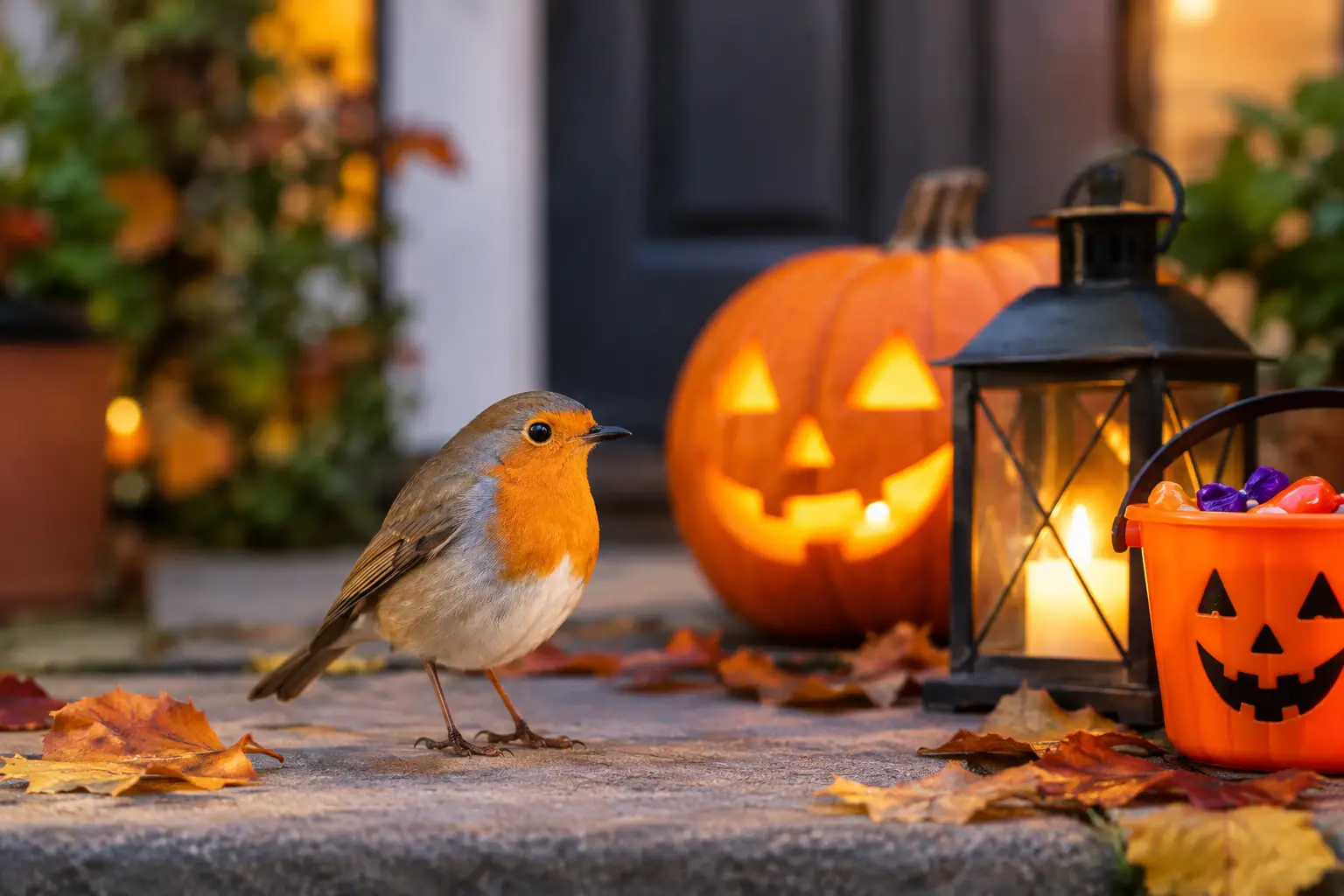
Households welcoming trick-or-treaters can reduce risk with a quick porch check. Clear leaves, cords, tools, garden hoses, and decorative items from paths and steps. Turn on exterior lights, and make sure decorations do not cover handrails or create a tripping hazard.
Open flames need particular care. Real candles in jack-o'-lanterns can be tipped by costumes, treat bags, pets, or passing visitors. Battery-operated candles provide the same glow with less fire risk. Keep any outdoor fire features well away from walkways and supervise them throughout the evening.
If your household has a dog or other pet, consider giving it a quiet room away from the front door. Repeated doorbells, costumed strangers, and excited children can be stressful even for normally friendly animals. This also prevents a pet from slipping outside when the door opens.
Candy distribution should be simple and hygienic. Offer commercially wrapped treats, and keep bowls in a dry, visible area. If you are providing non-food items, such as stickers or small toys, choose age-appropriate options and avoid items that could be choking hazards for very young children.
Check Treats With Care, Not Panic
Once everyone is home, make candy inspection part of the routine before eating begins. Look for open packaging, tears, unusual discoloration, or products that appear homemade from an unknown source. When in doubt, throw it out.
Parents and caregivers may also want to separate treats for children with food allergies or dietary restrictions. Reading labels matters because seasonal candy mixes can contain ingredients that are not obvious from the wrapper design. Keeping a few safe treats at home can prevent disappointment if much of a child’s haul cannot be eaten.
The goal is not to make candy feel suspicious. It is to give adults a moment to check what came home, manage portions, and make decisions based on each child’s needs. Young children should not eat candy while walking, particularly hard candy, gum, or small items that can become choking hazards.
Drivers Have a Major Role in Halloween Safety
Halloween safety is not only a family responsibility. Drivers set the tone on neighborhood streets. Children may cross mid-block, step out from between parked cars, or focus more on friends than traffic. Slow down well below the posted limit when conditions call for it, especially in residential areas during peak trick-or-treating hours.
Put the phone away before driving. A few seconds of distraction can be enough to miss a child at a crosswalk or a group gathering near a curb. Scan intersections, driveways, and the spaces between parked vehicles. Take extra care when reversing, since small children can be difficult to see in mirrors or camera views.
Parents dropping children off at Halloween events should also avoid stopping in travel lanes or blocking crosswalks. A little extra walking can make arrival and departure safer for everyone around the venue.
Prepare for Weather, Crowds, and the Unexpected
A costume designed for photos may not be suitable for a cold or wet evening. Check the forecast before heading out and add layers that do not interfere with movement or visibility. A jacket under a costume, warm socks, and a rain layer can be more practical than trying to push through discomfort after dark.
Bring water if the route will be long, and take a break if children are tired, overheated, or overwhelmed. Crowded neighborhood events can be exciting, but they can also make it easy to become separated. Younger children should know a parent or caregiver’s phone number when possible, while adults should have a recent photo of each child on their phone in case they need to describe what the child is wearing.
If someone becomes separated, teach children to seek help from a uniformed police officer, event staff member, or another parent with children nearby. They should not enter a stranger’s home or car, even if the person offers assistance. For immediate danger or a medical emergency, call 911.
Keep the Fun Within Your Community
Halloween works best when everyone treats shared spaces with respect. Avoid pranks that damage property, block sidewalks, frighten vulnerable neighbors, or distract drivers. Decorations and costumes can be spooky without creating hazards for people with mobility challenges, sensory sensitivities, or young children.
For families who prefer an alternative to door-to-door trick-or-treating, community events, school celebrations, trunk-or-treat gatherings, and small home parties can offer more controlled environments. The best choice depends on the child, the neighborhood, the weather, and local event options.
A little preparation leaves more room for the part people remember: the costume reveal, the full candy bucket, the neighbor’s decorated porch, and the walk home together under porch lights.