A departure board can change from “on time” to “delayed” in minutes, sometimes while the sky above the airport looks perfectly clear. If you are asking why flights delayed, the answer is usually not one dramatic failure. Air travel runs on tightly connected schedules, aircraft rotations, crews, airport gates, weather systems, and air traffic control decisions. A problem in one part of that network can affect a flight several states away.
For travelers, the most useful question is not simply whether a delay is happening. It is what kind of delay it is, how long it may last, and what options are available before the disruption grows.
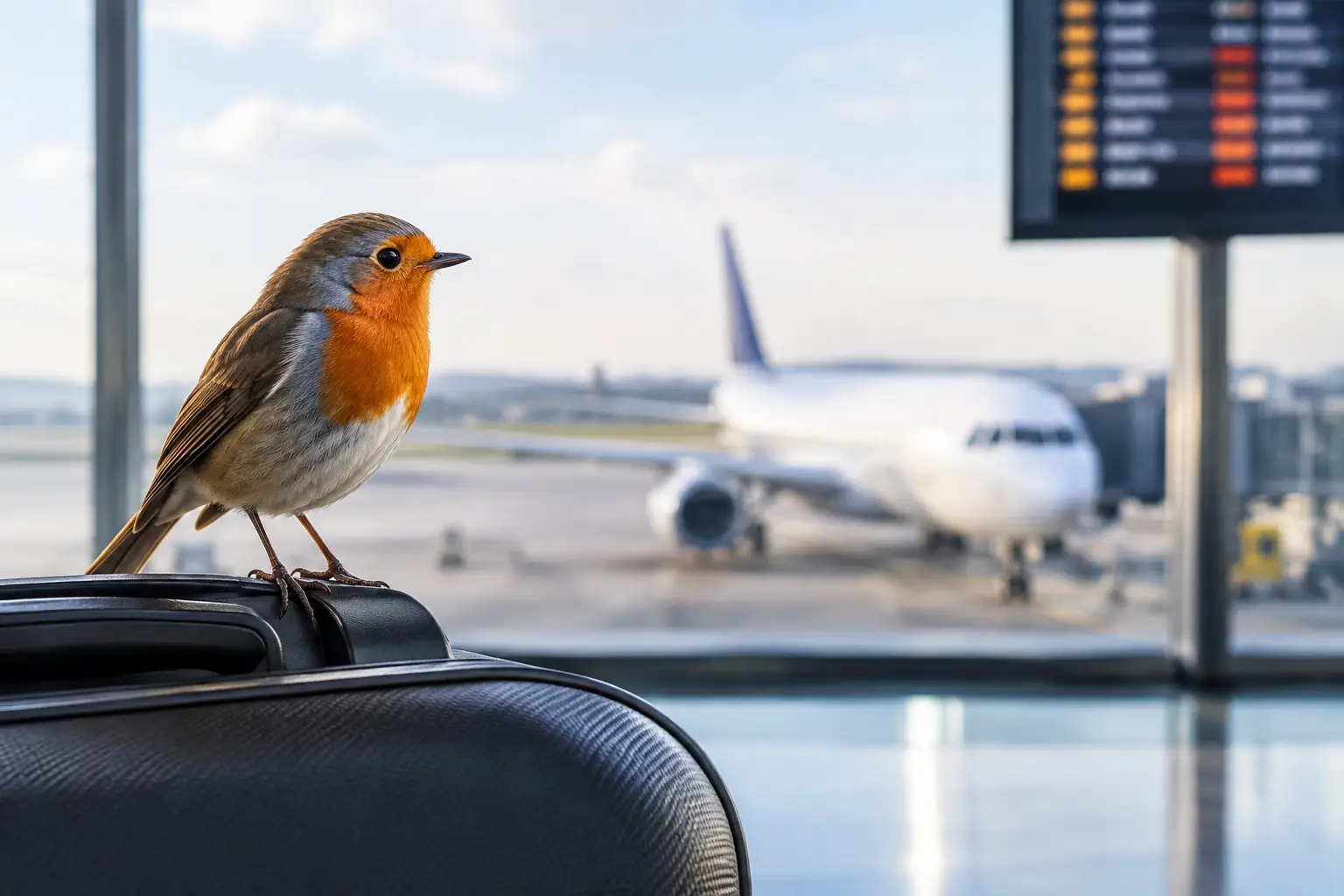
Why Flights Are Delayed Even on Clear Days
Weather gets much of the blame, and for good reason, but clear weather at your departure airport does not mean the flight can leave on schedule. Your aircraft may be arriving from an airport dealing with thunderstorms, low visibility, high winds, snow, or a ground stop. It may also need to fly through congested or storm-affected airspace on its next route.
Airlines operate aircraft in sequences. A plane that lands late in Chicago may be scheduled to continue to Dallas, then Denver, then Los Angeles. If the first flight is delayed, each later departure can be affected unless the airline has another aircraft and crew available. That is why an airline may describe your delay as a “late-arriving aircraft.” It is often the most direct explanation of a disruption that began somewhere else.
A short delay can also become longer during the turnaround period. After passengers leave, the aircraft needs cleaning, catering, fuel, baggage loading, a crew handoff, and safety checks. At busy airports, it may also need to wait for an open gate or a ramp crew. None of these tasks is optional, and each depends on people and equipment being in the right place at the right time.
Weather Can Disrupt More Than the Runway
Severe weather is the most visible source of flight delays, particularly during summer thunderstorm season and winter storms. Lightning can force ramp workers to pause baggage handling and aircraft servicing. Strong winds can limit runway operations. Low clouds and fog can reduce visibility, requiring more space between arriving and departing planes.
Thunderstorms are especially disruptive because they affect large sections of airspace, not just one airport. Air traffic controllers may reroute planes around storm cells, adding miles and time to a route. When many aircraft need the same alternate path, the system slows down. Airlines may hold flights at the gate to avoid having too many planes waiting on the taxiway or circling near their destination.
Winter weather brings a different set of problems. Deicing takes time and must be completed close enough to departure that the treatment remains effective. Snow and ice removal can limit runway capacity, while freezing conditions may slow baggage handling and aircraft inspections. Even locations that rarely see snow can experience major disruption when equipment and staffing are stretched.
Air Traffic Congestion and Control Restrictions
The United States has some of the world’s busiest airports and air corridors. During peak travel periods, air traffic control must balance safety with a constant flow of departures, arrivals, and aircraft crossing through shared airspace.
When an airport becomes congested, controllers can introduce a ground delay program or ground stop. A ground delay program assigns later departure times to flights headed for a crowded airport, spacing arrivals so the destination can handle them safely. A ground stop is more serious: flights may be temporarily held at their departure airports because the destination cannot accept arrivals.
These measures can be frustrating from a gate seat, but they are designed to prevent worse congestion in the air and on the ground. A flight that waits at the gate usually gives passengers better access to restrooms, food, and rebooking support than one that pushes back and waits on the taxiway for hours.
Airport infrastructure can add pressure as well. Runway construction, closed taxiways, equipment outages, and limited gates reduce the number of aircraft an airport can process. Large hubs are particularly vulnerable because delays can quickly spread through connecting flights and aircraft rotations.
Crew Timing Rules Matter
Airline crews work under strict federal duty and rest rules. Pilots and flight attendants can only work for a limited period before they must receive required rest. If an earlier delay pushes a crew close to its legal duty limit, the flight may need a replacement crew.
Finding one is not always quick. A qualified pilot or flight attendant must be available, properly assigned, and able to reach the aircraft. If the airport is already affected by widespread weather or cancellations, reserve crews may be limited. This is one reason a delay can change unexpectedly from 30 minutes to several hours.
Crew-related delays are often misunderstood as a staffing choice. In reality, airlines cannot simply ask a crew to continue once legal limits are reached. Those rules exist to protect passengers and crew members alike. The trade-off is that the system has less flexibility when a day of delays compounds.
Maintenance Delays Are Often a Safety Decision
A maintenance delay can sound alarming, but it does not automatically mean an aircraft is unsafe. Airlines and crews are required to investigate reports, warning messages, or equipment concerns before departure. Sometimes the solution is a quick inspection or part replacement. Other times, the aircraft must be taken out of service and replaced.
Modern aircraft are built with backup systems, and some items can be addressed under approved maintenance procedures. Still, the decision belongs to trained maintenance professionals and the flight crew, not the departure schedule. A delay caused by a careful inspection is preferable to a rushed departure.
Maintenance issues can be especially disruptive late in the day. If there is no spare aircraft at the airport, an airline may need to move another plane into position or cancel the flight. Travelers with an early morning departure often have more recovery options than those on the final flights of the evening.
Gates, Baggage, and the Ground Operation
Not all delays happen before takeoff. A flight can land on time and still keep passengers seated because its assigned gate is occupied. This may happen when another arriving aircraft is delayed, a departing flight has not pushed back, or airport ramp operations are slowed by weather.
Baggage loading, fueling, catering, and cleaning also operate on narrow schedules. At a major airport, dozens of flights may need the same ground resources at once. A late fuel truck, unavailable baggage belt loader, or delayed wheelchair assistance can affect departure timing. These details rarely make headlines, but they are central to getting an aircraft ready safely and legally.
What to Do When Your Flight Is Delayed
Start by checking the airline’s app or website rather than relying only on the airport board. Airlines often post gate changes, revised departure times, and rebooking choices there before announcements reach the terminal. If your delay is caused by a late-arriving aircraft, look up that incoming flight to see whether it has departed and where it is coming from.
If a delay threatens a connection, act early. Check alternate flights, including flights from nearby airports if that is practical. Calling the airline, using in-app chat, and speaking with a gate agent can produce different results depending on wait times and available inventory. Be polite but specific: state your final destination, connection time, and whether you have a time-sensitive reason to arrive.
For long disruptions, save receipts for reasonable meals, lodging, and transportation. Whether an airline provides vouchers or reimbursement depends on the carrier’s policy and the cause of the delay. Weather and air traffic control delays are generally treated differently from controllable airline problems such as a crew scheduling or maintenance issue.
Travel insurance, credit card trip-delay coverage, and flexible tickets can help, but coverage terms vary. Review them before a trip, especially for international flights, cruises, weddings, or events where arriving a day late is not workable.
A Delay Is Information, Not Just Lost Time
Flight delays are an unavoidable part of a transportation system built around safety, shared airspace, and complex daily schedules. The reason listed on a screen may be brief, but the real cause can involve conditions far beyond the gate.
When possible, book earlier flights, allow extra time for connections, and keep essential medication, chargers, documents, and a change of clothes in your carry-on. Those small decisions will not stop a storm or clear a crowded runway, but they can give you more choices when the schedule stops moving.