Cold weather adds another home maintenance concern just when you’d rather stay inside and leave repairs for later. Your plumbing isn’t immune to the temperature change, even when most of it sits indoors.
The common plumbing problems as temperatures drop range from inconvenient interruptions to damage that needs immediate repair. Some start during the first freeze, while others develop over weeks of colder weather. Knowing what causes them makes it easier to understand what’s happening in your home before you decide what to do next.
Frozen Supply Pipes
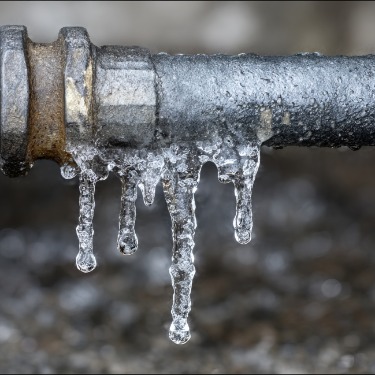
Water inside a supply pipe can freeze when the surrounding space stays cold long enough. Pipes in unheated crawl spaces face greater exposure because indoor heating doesn’t reach them. Even a pipe inside an exterior wall can freeze if cold air enters through gaps nearby.
A faucet that produces a trickle during freezing weather may have ice restricting its supply, especially if nearby fixtures still work. Pipe insulation slows heat loss, but it doesn’t generate warmth. During prolonged cold, sealing drafts and maintaining indoor heat reduces the risk that water inside vulnerable pipes will freeze.
Burst Water Pipes
A frozen pipe doesn’t always split where the ice forms. As freezing continues, expanding ice can raise pressure in trapped water between the blockage and a closed faucet. That pressure can rupture the pipe farther along the line.
The damage sometimes stays hidden until the ice thaws and water escapes through the opening. If you discover a burst pipe, shutting off the main water supply limits how much water enters your home. You’ll need a repair before restoring service, even if the visible split looks small.
Cracked Outdoor Faucets
An outdoor faucet can suffer freeze damage when water remains inside its exposed components. Leaving a garden hose attached prevents some frost-resistant faucets from draining as designed. The trapped water can then freeze and split the faucet’s tube inside the wall.
You may not notice the damage until you turn the faucet on again. Water can leak into the wall while the spout still delivers water outside. Disconnecting hoses before freezing weather allows drainage, while faucets with dedicated indoor shutoffs need winter preparation according to their design.
Shorter Hot Showers
Cold weather lowers the temperature of incoming water, so your water heater has more heating to do. With a storage tank, you may use a larger proportion of hot water to reach the shower temperature you prefer. That leaves less stored hot water for the next person.
The tank then needs time to heat its replacement water. Back-to-back showers make the change more obvious, even when the heater still operates correctly. Spacing them out gives the tank time to recover, but a sudden loss of capacity calls for inspection.
Reduced Tankless Hot Water Flow
A tankless water heater has a limit on how much water it can heat by a given temperature rise. When incoming water gets colder, the unit must add more heat to reach your selected temperature. Its available hot water flow drops as that heating requirement increases.
You may notice the limitation when someone opens another hot tap during your shower. Some units reduce flow to maintain the outlet temperature. If the problem appears only during overlapping use, comparing winter demand with the heater’s rated performance can explain what’s happening.
Grease-Clogged Kitchen Drains
Cooking grease doesn’t stay liquid just because you rinse it down with hot water. As it cools, fat can solidify along the drainpipe and collect food residue. Colder sections of plumbing encourage that cooling, although grease causes blockages in every season.
A kitchen sink that drains progressively slower may have buildup farther along the pipe. Adding more hot water won’t reliably remove an established deposit, and a garbage disposal doesn’t make grease suitable for drains. Once cooled, cooking fat belongs in a disposable container for the trash.
Frozen Plumbing Vents
Your plumbing vent allows air into the drainage system as wastewater moves through it. During extended freezing weather, moisture in the vent can freeze near its roof opening. As ice accumulates, it restricts the air movement that drainage requires.
Gurgling after you flush may point to a vent restriction, though a drain blockage can cause similar sounds. Mentioning that the noise started during a severe cold spell can help a plumber narrow down the cause. Roof access creates additional winter risks, so an icy roof isn’t a place for DIY vent checks.
Septic Drainfield Saturation
In regions with wet winters, falling temperatures arrive alongside rain that saturates the soil around a septic drainfield. Wastewater leaving the tank then has less space to move into the ground. Indoor drains may slow as the system struggles to disperse incoming water.
Understanding seasonal weather’s effects on septic systems can explain why drainage trouble appears during wet periods. Reducing water use limits the volume reaching the field while the ground remains saturated. However, recurring backups need professional evaluation because rain can expose an existing drainage problem.
Frozen Sump Pump Discharge Lines
A sump pump needs an open discharge route to move water away from your basement. If water collects in an outdoor section of its discharge pipe, freezing temperatures can turn that standing water into a blockage. The pump may keep running without moving water out.
As more water enters the pit, the level can rise despite the motor’s operation. Proper slope reduces places where discharge water collects, but the installation must suit local conditions. A pump that runs continuously during freezing weather needs inspection before you assume it’s keeping up.
Frozen Condensate Drains
A high-efficiency furnace produces condensate during operation and sends it through a drain. If part of that drain runs through an unheated area, the liquid can freeze inside the tubing. The resulting blockage prevents condensate from leaving the equipment.
Depending on the installation, a safety control may stop the furnace when water backs up. You may first notice the house getting colder rather than a visible leak. A technician can identify the frozen section and correct its exposure, reducing the risk of another shutdown during the next cold spell.
Keep Your Plumbing Ready for Colder Days
Winter plumbing trouble doesn’t have to become a yearly frustration. Understanding common plumbing problems as temperatures drop lets you address the conditions behind them instead of waiting for the same interruption next season.
For plumbing that has already caused trouble in cold weather, a professional inspection can identify what needs to change. Getting those repairs finished before another freeze means you can spend less time dealing with water problems.
Bio: Casey is a passionate copyeditor highly motivated to provide compelling SEO content. Her expertise spans technical, consumer, and lifestyle industries with an emphasis on readability and detail.