A breaking headline can reach your phone through a live video stream, a short social post, a creator’s clip, or a message shared by a friend. The difference matters. Streaming news versus social media is not simply a choice between two screens. It is a choice between different speeds, standards, signals, and risks when you are trying to understand what is happening.
For many readers, the best answer is not to abandon one for the other. Social platforms are often the first place a story appears, while streaming news can provide the reporting, visuals, and context that make the story useful. Knowing what each format does well helps you move from reacting to a headline to following an event with clearer judgment.
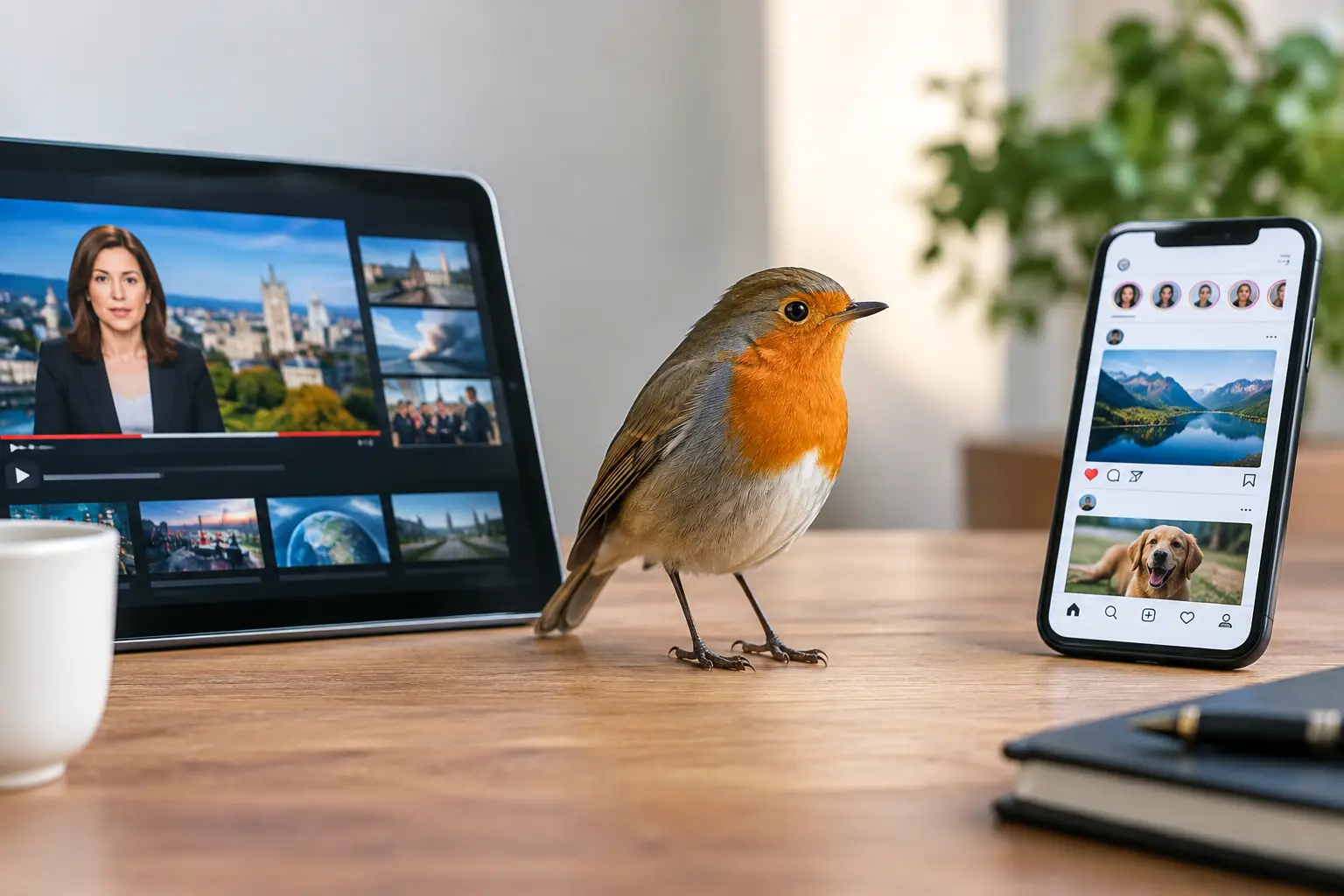
Streaming News Versus Social Media: The Core Difference
Streaming news is built around scheduled or continuous coverage. A broadcaster, newsroom, or news service selects stories, assigns reporters, packages video, and updates viewers as new information is confirmed. Live streams can move quickly during elections, severe weather, court rulings, major sporting events, and international crises, but they usually operate within an editorial process.
Social media works differently. It is an open distribution system where journalists, public agencies, witnesses, politicians, companies, analysts, and ordinary users can publish instantly. That speed can be valuable. A local resident may post footage before a television crew arrives. An emergency agency may issue a safety notice directly to the public. A specialist may point out a detail overlooked in early coverage.
The trade-off is that social posts do not automatically come with verification, context, or accountability. A video can be old, cropped, mislabeled, edited, or reposted with a claim it does not support. High engagement can make a post look credible even when it is wrong. Streaming news can also make mistakes, especially during live coverage, but established outlets generally have more formal correction practices and clearer responsibility for what they air.
Speed Is Useful, but Context Is What Sticks
Social media wins the first-alert race. News can appear in seconds through eyewitness accounts, official posts, community groups, and trending topics. For local disruptions, weather conditions, road closures, or fast-moving public events, those early signals may help people make immediate decisions.
But a first alert is not the same as a complete report. Early information is often incomplete because the event itself is still developing. Initial casualty figures may change. A suspected cause may be ruled out. A quote may lack the exchange that gave it meaning. In these moments, treating a viral post as a final answer can create confusion rather than awareness.
Streaming coverage is more useful once you need the bigger picture. A live news feed can show a press conference in full, bring in multiple correspondents, display maps or official documents, and revisit what is known versus what remains unconfirmed. That format makes it easier to follow a story over time instead of collecting disconnected fragments.
This does not mean every live stream is automatically better. Some channels favor dramatic panels, repetitive footage, or constant speculation to hold attention. The useful question is whether the coverage separates verified facts from analysis and gives viewers enough sourcing to judge the claims themselves.
Trust Depends on More Than the Platform
People often say they trust social media because it feels direct. A clip from the scene can seem more authentic than a polished broadcast. Sometimes it is. First-person footage has changed how the public witnesses protests, disasters, conflict, and community events.
Yet direct access can create a false sense of certainty. Viewers may know where a video was posted but not when it was recorded, who filmed it, or what happened before and after the clip. The strongest reporting treats user-generated material as a lead to verify, not proof by itself.
Streaming news has its own trust test. Look for named reporters, clearly identified guests, on-screen corrections, direct references to public records, and a distinction between reporting and opinion. Be cautious when a stream repeatedly uses vague phrases such as “sources say” without explaining the scope of the reporting, or when it turns every developing story into a prediction contest.
Trust is also shaped by your habits. If you only follow sources that confirm what you already believe, both streaming news and social media can become narrow. Variety helps. Comparing coverage from several credible outlets, including local reporting when an event is local, reveals what is solid and what is still disputed.
The Algorithms Choose More Than You Think
A streaming news channel usually presents a rundown chosen by editors. That selection may reflect editorial priorities, audience demand, available footage, and the importance of a story. It is still a form of judgment, but it is generally visible: viewers can see the channel, program, reporter, and subject being presented.
Social media feeds are more personal and less transparent. Algorithms respond to clicks, watch time, comments, shares, past behavior, and connections. If a topic makes you angry or anxious, engaging with it may lead to more of the same. The result can be a feed that feels like a complete picture of public attention while actually reflecting your own engagement history.
That can be especially difficult during major news events. A single misleading claim may be repeated by thousands of accounts, making it appear widely confirmed. Meanwhile, a careful correction may receive less attention because it is less dramatic. The platform is not necessarily telling you what matters most. It is often showing you what is most likely to keep you scrolling.
A practical response is to use social platforms for discovery, then move outward. Search for full interviews, official statements, live briefings, reporting from multiple newsrooms, and coverage that includes dates, locations, and named sources. News aggregation services can make that comparison faster by organizing live streams, videos, and reports from a wider range of providers in one place.
When Each Format Works Best
Streaming news is often the stronger choice when the stakes are high or the details are changing quickly. Public safety alerts, election results, major policy announcements, financial news, international events, and severe weather all benefit from sustained coverage. Watching a full briefing can prevent a short quote from being mistaken for the whole announcement.
Social media can be highly useful for local perspective, real-time conversation, niche expertise, and early awareness. It can surface community needs during emergencies, help users locate official updates, and bring lesser-covered stories to wider attention. It also offers access to reporters and institutions that may answer questions or clarify details directly.
The right format depends on the question. If you want to know whether a subway line is delayed, a local transit account or neighborhood update may be the fastest option. If you want to know why the disruption happened, how long it may last, and whether it reflects a wider issue, fuller reporting is more likely to help.
Build a Better Daily News Routine
You do not need to monitor every alert. A better approach is to give each format a role. Use a reliable streaming source or curated news hub for a regular overview. Use social media selectively to spot developing stories, hear from local voices, and follow subjects that matter to you. Then pause before sharing anything that could mislead others.
A few simple checks can prevent common mistakes: confirm the date and location of a video, look for the original source, compare a claim with more than one credible report, and watch for updates before treating early reports as settled. If a post produces an immediate emotional reaction, that is usually a reason to slow down, not a reason to share faster.
It also helps to protect your attention. Constant live coverage can turn an event into background stress, while endless social scrolling can make every story feel equally urgent. Choose specific times to check major updates, and rely on alerts for the issues where immediate information genuinely matters.
The goal is not to become skeptical of everything. It is to become more deliberate about what earns your attention. Let social media help you notice the first signal, let streaming news help you follow the developing record, and leave room to wait when the facts are still catching up.