

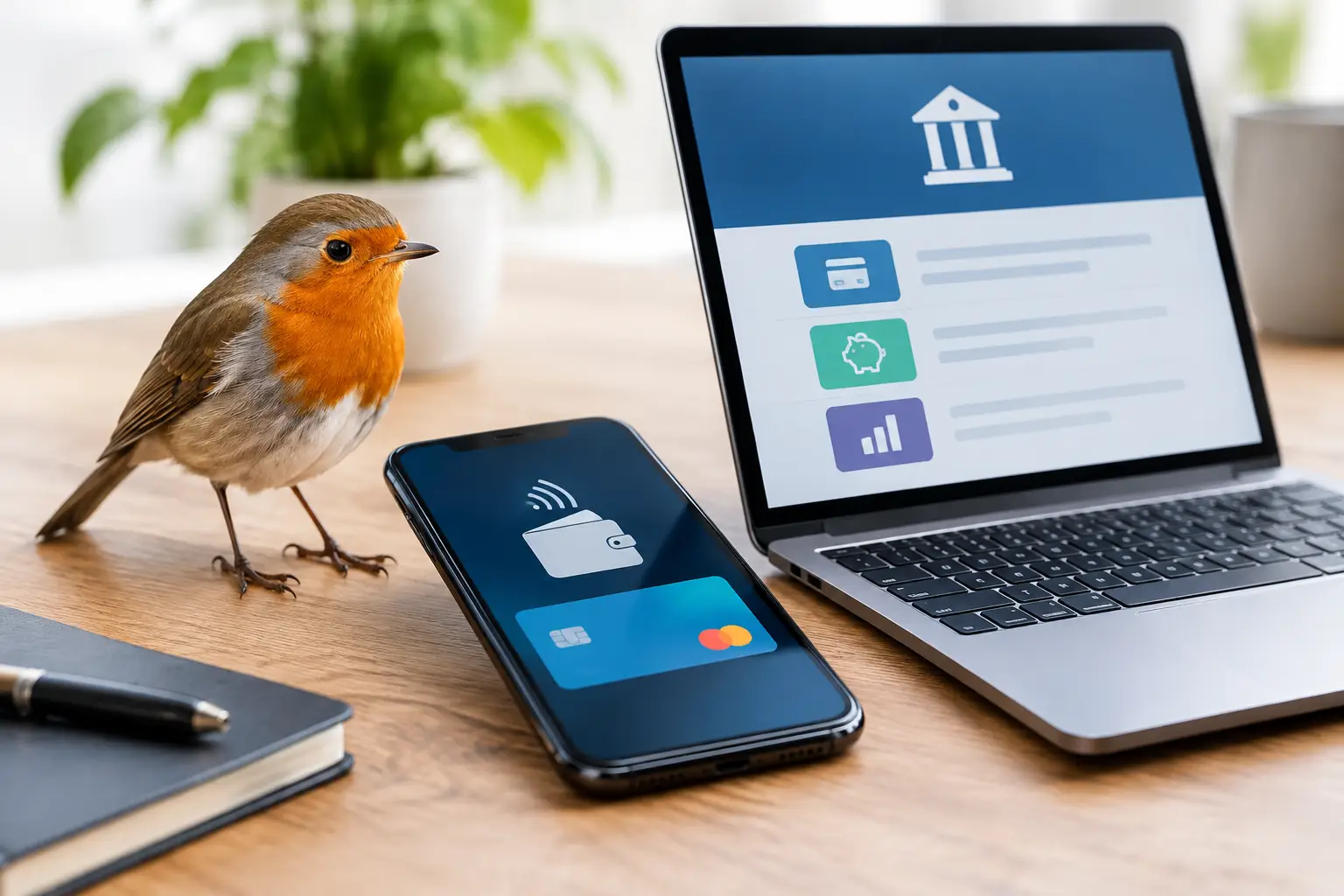
A phone tap at a coffee shop can take less than a second, but the money behind that tap still has to come from somewhere. That is where the choice between online banking versus digital wallets becomes more practical than it first appears. One helps you manage the full picture of your finances. The other is designed to make certain payments faster, easier, and often more private at the point of sale.
For most people, this is not an either-or decision. Online banking and digital wallets do different jobs, and using both well can make everyday spending easier to track while keeping your bank account within reach.
What online banking does best
Online banking is the digital access point for a bank or credit union account. Through a website or banking app, customers can check balances, review transactions, deposit checks, move money between accounts, pay bills, set alerts, manage cards, and sometimes apply for credit products.
Its main value is control. If you want to see whether rent has cleared, confirm a direct deposit, dispute an unfamiliar charge, or move money into savings before you spend it, online banking is usually where you go. It is connected directly to the institution holding your money.
That direct connection matters when an issue becomes more complicated than a purchase. A digital wallet may show that a payment was made, but your bank is generally the place to investigate a missing transfer, replace a compromised debit card, update account security settings, or review a full transaction history.
Online banking is also better suited to financial planning. Many bank apps now categorize spending, provide balance forecasts, send low-balance alerts, and allow recurring transfers. The tools vary by institution, but the purpose is consistent: help account holders monitor and organize money over time.
What digital wallets do best
A digital wallet stores payment credentials on a smartphone, smartwatch, computer, or other connected device. Services such as Apple Pay, Google Pay, PayPal, Cash App, Venmo, and retailer-specific wallets can all fall under the broad digital-wallet label, although they work in different ways.
Some wallets simply hold a digital version of a credit or debit card for contactless checkout. Others can keep a cash balance, accept peer-to-peer payments, support online purchases, or offer features that look more like a financial account.
The strongest case for a digital wallet is convenience at the moment of payment. Rather than pulling out a physical card and entering details, a shopper can tap a device, approve with a fingerprint or face scan, and keep moving. For online checkout, a wallet can reduce the number of sites that receive a card number directly.
That does not mean every wallet is interchangeable. A phone-based tap-to-pay wallet tied to a credit card works differently from a peer-to-peer app used to split dinner, and both differ from a platform where users hold a stored balance. Before treating a wallet as a place to keep money, check how funds are held, what protections apply, and whether transfers or withdrawals carry fees.
Online banking versus digital wallets: the practical differences
The simplest distinction is this: online banking manages the account, while a digital wallet helps you use payment methods attached to that account.
Online banking typically offers a broader view of income, bills, savings, loans, cards, and transfers. Digital wallets are more transaction-focused. They are built for checkout, quick transfers, saved payment details, and sometimes loyalty cards, tickets, or identification documents.
Speed is another difference. A digital wallet often wins at the register because it is designed for a fast tap or click. Online banking can also support payments, but sending a bill payment or bank transfer may involve more steps and may not be immediate.
Acceptance can vary, too. Most consumers can use online banking from any internet-connected device, subject to their bank's security requirements. Digital-wallet acceptance depends on the merchant, the type of wallet, the device, and the payment rails involved. Contactless payments are common, but not universal. A physical card remains a useful backup.
Fees deserve attention. Standard online banking services are often included with an account, though the account itself may have monthly, overdraft, wire-transfer, or out-of-network ATM fees. Digital wallet fees depend on the provider and activity. Funding a payment with a credit card, making an instant transfer, or moving money across borders can cost extra.
Security is about the setup, not just the app
Both online banking and digital wallets can be secure, but neither is risk-free. Good protection depends on the provider's safeguards and the user's habits.
Digital wallets can reduce exposure at checkout through tokenization. Instead of giving the merchant your actual card number, the wallet may use a unique payment token. If a merchant's systems are later breached, the token is generally less useful to criminals than a stored card number.
Online banking provides its own layers of protection, including encryption, multifactor authentication, fraud monitoring, login alerts, and transaction notifications. It is also the control center for freezing a card, changing a password, or reporting unauthorized activity.
The weak point is often social engineering. A convincing text, email, or phone call can persuade someone to reveal a one-time code, approve a fraudulent payment, or send money to an impostor. No payment tool can fully protect a person who is pressured into authorizing a transfer.
Use a unique password for financial accounts, turn on multifactor authentication, keep device software updated, and review transaction alerts promptly. Avoid sending money through a peer-to-peer wallet to a stranger based only on a screenshot or urgent message. A payment marked as completed may be difficult or impossible to reverse.
When online banking is the better choice
Use online banking when the goal is to understand or manage your financial position. It is the better tool for checking balances before a major purchase, paying recurring bills, moving money to savings, reviewing monthly spending, downloading statements, and resolving account problems.
It is also the better starting point when you receive a suspicious alert. Open the official banking app directly rather than following a link in a text or email. This small habit can prevent a fake alert from becoming an account takeover.
For people managing a household budget, online banking provides the context that a wallet usually cannot. A digital wallet may show a $32 grocery payment, but the bank account view can show whether utilities, insurance, and upcoming subscriptions leave enough room for that purchase.
When a digital wallet is the better choice
Use a digital wallet when convenience and payment speed are the priority. It is especially useful for contactless purchases, online checkout, transit payments, splitting a known expense with friends, and carrying fewer physical cards.
A wallet can also be a sensible option when shopping at unfamiliar online retailers, provided it offers a trusted checkout method and you understand the underlying payment source. Connecting a credit card rather than a debit card may provide an additional layer of dispute protection, depending on the card issuer and the transaction.
Still, do not treat every wallet balance like a checking account. Some funds held in payment apps may not receive the same federal deposit insurance protections as money held at an insured bank or credit union. Read the provider's terms before keeping significant money there.
A smarter way to use both
A practical setup starts with online banking as the financial dashboard and a digital wallet as the payment shortcut. Keep alerts active in your banking app, use a wallet for routine purchases where it is accepted, and review both histories regularly so transactions do not slip past you.
Choose the funding source carefully. A credit card in a digital wallet may help separate day-to-day purchases from your bank balance, while a debit card can make spending feel more immediate. Neither choice is automatically best. It depends on your budget, repayment habits, available protections, and comfort with credit.
For families, older adults, and anyone helping manage another person's finances, the key is clarity. Know which app holds the account, which app moves money, and where to call if something goes wrong. A fast payment experience is useful, but clear records and strong security habits are what keep it useful.
The best tool is the one that matches the task: use online banking to stay informed and in control, then let a digital wallet make the right purchases quicker without losing sight of the bigger financial picture.