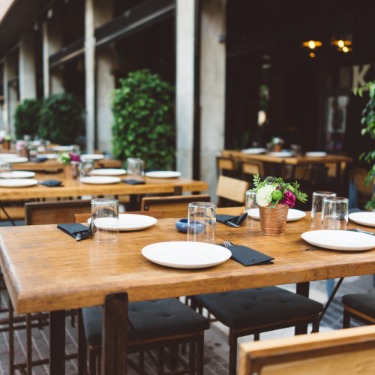
Opening a restaurant offers an opportunity to turn your passion for food into a thriving business. However, enthusiasm alone cannot guarantee a successful launch. Understanding the mistakes to avoid when opening a restaurant helps you make decisions before expenses accumulate. From developing a realistic budget to building a dependable team, every early choice influences your operations. Careful preparation allows you to create an inviting dining experience while protecting your investment. The following missteps deserve attention as you prepare to welcome your first customers.
Starting Without a Clear Business Plan
A promising restaurant concept needs more than a memorable name and appealing menu. Without a business plan, owners often underestimate operational demands or overlook expenses that affect profitability. Define your target customers and explain why they would choose your establishment over alternatives. Consider how your concept fits the neighborhood and whether local demand supports your proposed dining experience.
Your plan should outline expected startup expenses, ongoing costs, and revenue goals. Include a strategy for marketing your opening and maintaining customer interest afterward. Review these assumptions as you gather information about suppliers and potential locations. A practical plan gives you direction when unexpected challenges arise and helps you avoid expensive decisions driven by excitement alone.
Underestimating Startup and Operating Costs
Restaurant expenses extend far beyond rent and kitchen equipment. Renovations may require investments before you can serve a single meal. Licensing fees and insurance premiums also affect the amount of money you need. Owners who budget only for opening day can face financial pressure during their first months of business.
Build a financial cushion that accounts for slower initial sales and unexpected repairs. Calculate the cost of ingredients based on realistic portions rather than optimistic estimates. Remember that payroll continues even when customer traffic fluctuates. Review your projections with a financial professional if possible. Knowing how much money your restaurant needs to operate can help you make sustainable decisions instead of cutting essential services when cash becomes tight.
Choosing a Location Without Research
An attractive storefront does not automatically make a suitable restaurant location. A busy street might seem promising, but limited parking or difficult access could discourage customers. Research how people move through the surrounding area during the hours you plan to operate. Observe nearby businesses and consider whether their customers match your intended audience.
Before signing a lease, investigate zoning requirements and restrictions on food service. Confirm that the space can accommodate ventilation and other kitchen infrastructure. Evaluate the lease terms, especially clauses involving maintenance responsibilities or future rent increases. The wrong location can create obstacles that even food cannot overcome. Take time to compare options rather than committing to the first available property.
Creating an Overly Complicated Menu
A large menu may seem like an effective way to attract more customers, but it can overwhelm your kitchen and increase food waste. Every additional dish requires ingredients that staff must store properly and prepare consistently. An extensive selection also makes training more difficult, when employees are learning new procedures.
Start with a focused menu that reflects your restaurant concept and kitchen capabilities. Choose dishes that share ingredients where appropriate without making the selection feel repetitive. Test recipes before opening to understand preparation times and portion costs. Listen to customer feedback and adjust offerings thoughtfully. A manageable menu helps your team deliver consistent quality while keeping inventory under control.
Neglecting the Dining Atmosphere
Customers evaluate more than the food on their plates. The dining environment influences how comfortable they feel and whether they want to return. Poor lighting can make a welcoming space seem uninviting, while excessive noise may interrupt conversation. Furniture that looks appealing but feels uncomfortable can also diminish the experience.
Consider your audience when planning the interior. A casual neighborhood cafe needs a different atmosphere from an intimate dinner destination. To set the right ambiance in your restaurant, coordinate lighting with the experience you want guests to enjoy. Choose durable furniture that supports comfortable seating and allows servers to move efficiently. Test the space from a customer's perspective before opening. Small adjustments to layout or sound levels can make a difference.
Hiring Employees Without Proper Preparation
Your staff shapes the customer experience every day. Rushing through hiring can leave you with employees who lack the skills or availability your restaurant requires. Begin recruiting early enough to evaluate candidates and provide training before opening. Look for people who communicate clearly and understand the importance of dependable service.
Develop straightforward procedures for food handling and guest interactions. Give employees opportunities to practice during service scenarios. Managers should explain expectations consistently and encourage questions when problems arise. A supportive workplace helps staff members build confidence and work together under pressure. Investing time in training can prevent avoidable mistakes once your dining room becomes busy.
Overlooking Food Safety and Compliance
Food safety deserves attention long before your first customer arrives. Restaurant owners must understand the health regulations that apply to their operations. Requirements may affect food storage and employee practices. Ignoring these responsibilities can lead to costly interruptions or put guests at risk.
Contact local authorities early to identify necessary permits and inspection procedures. Establish cleaning schedules that employees can follow consistently. Train staff to monitor food temperatures and prevent cross contamination. Keep accurate records when regulations require documentation. Treat compliance as an ongoing responsibility rather than a final task before opening. A strong safety culture protects customers and supports reliable daily operations.
Failing To Build Awareness Before Opening
Even a thoughtfully designed restaurant needs customers who know it exists. Waiting until opening day to begin promotion can result in disappointing early traffic. Develop a recognizable brand identity and share updates as your launch approaches. Introduce your concept through channels that your intended customers already use.
Create online business listings and make essential details easy to find. Share photographs that reflect the actual dining experience rather than creating unrealistic expectations. Consider a limited preview service to gather feedback and identify operational problems. Encourage satisfied guests to share their experiences naturally. Consistent communication helps your restaurant establish familiarity and gives people a reason to visit.
Building a Strong Foundation for Success
Recognizing the mistakes to avoid when opening a restaurant allows you to approach your launch with greater confidence. Focus on planning and thoughtful execution instead of rushing toward opening day. Review your finances regularly and listen to feedback from both employees and guests. Every improvement strengthens your ability to provide dependable service. With preparation and a willingness to adapt, you can create a restaurant that earns customer trust and supports growth.
Bio: Casey is a passionate copyeditor highly motivated to provide compelling SEO content. Her expertise spans technical, consumer, and lifestyle industries with an emphasis on readability and detail.