Rockin Robin SongFlying The Web For News.
RobinPost Logo Amazon Prime Deals


Consumer Daily Reports

Gun safes, power sources, baby loungers, grease guns & heated insoles

By News Desk of ConsumerAffairs
September 4, 2025

StopBox USA recall: AR-15 chamber locks pose injury risk
Photo

SUBTITLE: AR-15 Chamber Lock Pro devices may allow unauthorized firearm access; users should stop using them and seek a refund or replacement.

  • Manufacturing defect can allow lock removal and unintended firearm use

  • About 300 units shipped JuneJuly 2025 impacted

  • Consumers should stop using and contact StopBox USA for a refund or replacement

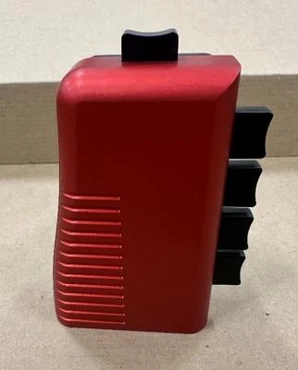
PRODUCT IMAGE: StopBox USA AR-15 Chamber Lock Pro

StopBox USA is recalling its AR-15 Chamber Lock Pro firearm locks due to a manufacturing defect that may allow the lock to be forcibly removed. This flaw could enable unauthorized or unintended use of the firearm, posing a risk of serious injury or death. The affected chamber locks were shipped between June 2 and July 15, 2025, and are made of anodized aluminum with red or black finishes.

No injuries have been reported. The devices were sold in stores and online for about $150.

The hazard

A defect in the chamber lock allows it to be forcibly removed, which can permit unauthorized or unintended access to the firearm. This poses a significant safety risk of injury or death.

What to do

Consumers should immediately stop using the recalled AR-15 Chamber Lock Pro devices. Contact StopBox USA to arrange for a refund or replacement.

Company contact

StopBox USA can be reached toll-free at 877-919-4637 from 9 a.m. to 5 p.m. PT Monday through Friday, by email at This email address is being protected from spambots. You need JavaScript enabled to view it., or online at stopboxusa.com/pages/stopbox-ar-15-chamber-lock-recall for more information.

Source

https://www.cpsc.gov/Recalls/2025/StopBox-USA-Recalls-AR-15-Chamber-Lock-Pros-Due-to-Risk-of-Serious-Injury-and-Death


URMYWO baby lounger recall: suffocation and fall hazard affects tens of thousands
Photo

SUBTITLE: Parents should stop using URMYWO grey feather loungers sold on Amazon and request a refund due to safety violations.

  • Violates infant sleep product standards, posing suffocation and fall risks

  • About 23,000 loungers sold January 2024April 2025 recalled

  • Consumers should stop use and contact Pomona for a refund

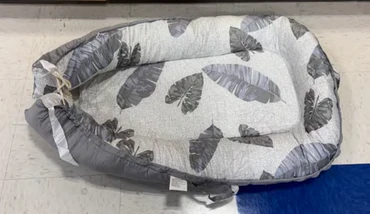
PRODUCT IMAGE: URMYWO Baby Lounger Grey Feather

URMYWO baby loungers in the grey feather style have been recalled after failing to meet mandatory infant sleep product safety standards. The loungers have side walls that are too short and a sleeping pad that is too thick, creating a suffocation risk. Infants may also fall or become entrapped due to an opening at the foot of the lounger. About 23,000 units were sold on Amazon between January 2024 and April 2025.

No injuries have been reported. The loungers were priced between $30 and $50.

The hazard

The product violates federal standards for infant sleep products. Short side walls, an overly thick pad and an opening at the foot of the lounger pose risks of suffocation, entrapment and falls.

What to do

Consumers should immediately stop using the URMYWO baby loungers and contact Pomona for a refund.

Company contact

Contact Pomona by email at This email address is being protected from spambots. You need JavaScript enabled to view it. for refund instructions.

Source

https://www.cpsc.gov/Recalls/2025/URMYWO-Baby-Loungers-Recalled-Due-to-Risk-of-Serious-Injury-or-Death-from-Suffocation-and-Fall-Hazard-Violates-Mandatory-Standard-for-Infant-Sleep-Products-Sold-on-Amazon-by-Pomona


Makita recall: grease guns and hoses can cause lacerations
Photo

SUBTITLE: Makita U.S.A. urges users to stop using specific grease guns and hoses and arrange for a free replacement due to injury risk.

  • Grease gun hoses can develop holes, ejecting grease and causing lacerations

  • About 62,927 units sold June 2020January 2025 affected, multiple models involved

  • Stop use immediately and contact Makita for a replacement

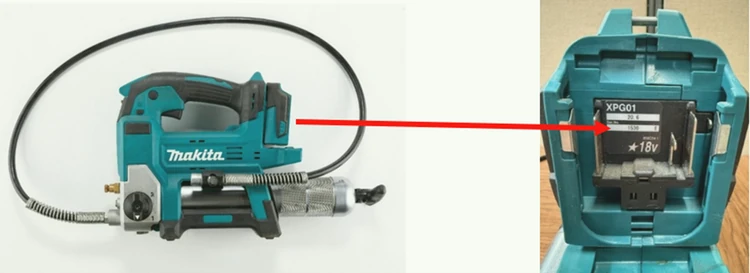
PRODUCT IMAGE: Makita Cordless Grease Gun and Hose

Makita U.S.A. Inc. has recalled certain cordless grease guns and grease gun hoses due to a laceration hazard. The flexible hose may develop a hole and allow grease to eject during use, risking cuts to the user. Five laceration injuries have been reported globally, but none in the United States. The recall affects about 62,927 units sold between June 2020 and January 2025.

The affected grease guns have model numbers XPG01S1, XPG01SR1 and XPG01Z. Hoses with model numbers 191A79-9, 191A80-4, 191W59-7 and 191W58-9 are also included.

The hazard

A defect in the flexible hose allows grease to escape under pressure, posing a laceration risk.

What to do

Consumers should immediately stop using the recalled grease guns and hoses. Contact Makita for a free replacement.

Company contact

Makita U.S.A., Inc. can be reached toll-free at 800-462-5482 from 8 a.m. to 7:45 p.m. ET, Monday through Friday, or by email at This email address is being protected from spambots. You need JavaScript enabled to view it.. More details are available at makitatools.com/recall.

Source

https://www.cpsc.gov/Recalls/2025/Makita-USA-Inc-Recalls-Cordless-Grease-Guns-and-Grease-Gun-Hoses-Due-to-Laceration-Hazard


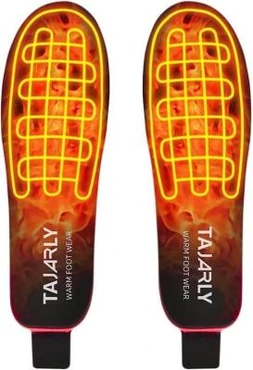
Tajarly heated insole warning: burn and fire risk
Photo

SUBTITLE: Consumers should immediately dispose of Tajarly heated insoles due to battery overheating and fire hazard.

  • Internal lithium-ion battery can overheat and ignite

  • Sold on Amazon July 2022July 2024, black insoles with remote control

  • CPSC urges immediate disposal via hazardous waste procedures

PRODUCT IMAGE: Tajarly Heated Insole

The U.S. Consumer Product Safety Commission (CPSC) warns consumers to immediately stop using Tajarly heated insoles due to a serious risk of burns and fire. The black insoles, which include a lithium-ion battery and remote control, may overheat and ignite even when switched off.

The defective insoles were sold on Amazon from July 2022 through July 2024.

The hazard

An internal battery defect can cause the insoles to overheat and catch fire, creating a burn and fire hazard.

What to do

Stop using the Tajarly heated insoles right away. Dispose of them according to local hazardous waste disposal procedures.

Source

https://www.cpsc.gov/Warnings/2025/


Aeiusny power station warning: fire and explosion hazard

Photo

SUBTITLE: CPSC urges owners of Aeiusny 400W and 500W power stations to dispose of them due to explosion and fire risk.

  • Lithium-ion battery can explode or ignite, causing serious injury or death

  • Aeiusny 400W and 500W models sold on Amazon July 2016September 2022 affected

  • Dispose of units immediately via hazardous waste procedures

PRODUCT IMAGE: Aeiusny Power Station

The U.S. Consumer Product Safety Commission (CPSC) is warning consumers to immediately stop using Aeiusny 400W and 500W portable power stations due to a risk of explosion and fire. The internal lithium-ion battery in these devices can ignite, posing a risk of serious injury or death.

These power stations were sold on Amazon from July 2016 to September 2022.

The hazard

A battery defect can cause the Aeiusny power stations to explode or catch fire, creating a severe risk to consumers.

What to do

CPSC urges consumers to stop using the affected power stations and dispose of them following local hazardous waste procedures.

Source

https://www.cpsc.gov/Warnings/2025/


There are thousands of other product recalls each year. Stay up to date! Check CPSC Recallsanytime.


Posted: 2025-09-04 14:29:19

Get Full News Story On Consumer Affairs


Listen to this article. Speaker link opens in a new window.
Text To Speech BETA Test Version.


More News From This Category
Consumer News: The restaurant bill survival guide: Smart hacks to eat for less
Thu, 05 Mar 2026 23:07:06 +0000

Stop paying full price every time you eat out

By Kyle James of ConsumerAffairs
March 5, 2026
  • Restaurants hide lots of easy savings App coupons, discounted gift cards, and happy hour food deals can cut a bill by 2050%.

  • Order strategically Skip pricey drinks, split large entres, and avoid automatic upgrades to keep costs down.

  • Timing matters Lunch specials, kids-eat-free nights, and reservation apps with rewards can significantly reduce your bill.


Restaurant prices have climbed fast in the past few years. Between higher food costs, labor shortages, and new service fees, what used to be a $40 dinner can now easily turn into an $80 or $100 night out.

But heres the thing most diners miss: restaurants are also packed with opportunities to save money if you know where to look.

If you enjoy eating out, but hate the sticker shock when the check arrives, these restaurant hacks can help you cut your bill dramatically.

1. Always check the restaurants app before you go

Many chain restaurants send out their best discounts through their mobile apps, and most of us forget to ever look there.

These offers often include things like:

Restaurants love mobile apps because they collect customer data, so they tend to put up their best promotions to incentivize you.

A quick app download before you leave the house can sometimes knock $5$15 off your bill. Totally worth it.

Pro tip: Some restaurants automatically give you a free item, or a percent off your first meal, just for signing up.

2. Buy discounted gift cards before you dine

One of the easiest ways to instantly save on restaurant meals is buying gift cards below face value.

Costco and Sams Club should be your first stop for buying local and chain restaurant gift cards, and youll get them for about 20% off the face value.

Also, check websites like CardCash, GCX Raise, and Gift Card Granny as they frequently sell restaurant gift cards at 5% to 25% discounts.

The math translates to a $100 dinner only costing you about $80$90.

Pro tip: If youre going to pay full price for restaurant gift cards, try to buy them during grocery store promotions. Grocery stores, like Kroger, often run promotions where buying restaurant gift cards earns you significant fuel points to their attached gas station.

For example, a $100 gift card might earn you enough gas points to save $1 per gallon on your next fill-up. If youre driving a truck or SUV thats easily $20-25 savings right off the top.

3. Soda and alcohol markups are outrageous

I realize this is probably the biggest party-pooper tip ever, but drinks are where restaurants make some of their biggest profits.

Consider the math:

  • Soda often costs restaurants less than 25 cents per serving.
  • Alcohol is frequently marked up 200% to 300%.
  • A $12 cocktail may only contain $2 worth of ingredients.

Ordering water instead of soda or alcohol can easily shave $10 to $30 off a dinner bill for two people.

If you do want a drink, check if the restaurant offers happy hour pricing or drink specials before you order. By asking, you can easily knock a few bucks off your final bill.

4. Eat during happy hour instead of dinner

We all know that happy hour (typically from 3-6 pm) is about cheap drinks. But did you know that at many restaurants, its also a great time to score a discounted meal as well?

Specifically, spots like The Cheesecake Factory, Applebees, Buffalo Wild Wings, and Chilis offer discounted food during these hours.

The win for your wallet is that often the portions are enough for a full meal, especially if you buy a few discounted items and share them with the table.

Youll often see deals like:

  • $5 sliders
  • $6 tacos
  • $3 chips and salsa
  • Half-price appetizers

If youre cool with eating early, this is a great way to cut your dinner costs by nearly half.

Pro tip: Look for the bar menu loophole. Many restaurants serve the same food at lower prices in the bar area. The portions are often only slightly smaller, but the pricing can be 2040% cheaper.

5. Split large entrees

Restaurant portions have grown significantly over the years, and many dishes are easily big enough for two people. Splitting an entree can cut your bill instantly.

Be warned that some restaurants charge a small plate-sharing fee, but its usually only a couple dollars and still way cheaper than ordering two full meals.

Another smart option is to split an entre, then add a small appetizer, salad, or even a side-dish.

Pro tip: Dont forget to ask if half portions are available. This isnt listed on most menus, but many restaurants will offer half portions if you ask.

Kitchens often do this for older diners who have lighter appetites. You may get the same dish for 3040% less simply by requesting a smaller portion.

6. Order appetizers as your main meal

Appetizers are often some of the best deals on the menu.

Many are large enough to function as a full meal but cost significantly less than entrees.

For example, you might see:

  • An $18 pasta entre
  • A $9 appetizer-sized version

Ive found that by ordering two appetizers for the table, it will often cost less than a single entree.

7. Look for kids-eat-free nights

Many restaurants offer promotions where children eat free with the purchase of an adult meal.

These deals are surprisingly common, especially at family-friendly chains.

Here are a few current promotions worth knowing about:

  • IHOP Kids eat free every day between 410 pm. Youll get one free kid'smeal with every adult entre purchase.
  • Dennys On Tuesdays, most Dennys locations offer a free kids meal for those aged 10 or under, from 410 pm.
  • Applebees Many locations offer a free kids meal on either Monday or Tuesday night with a paying entree.

Call ahead to verify that your local restaurants offer these promotions, and double-check on theday and time. For families, this can easily save you $10$25 per visit.

8. Eat out during lunch instead of dinner

Lunch menus often feature the same dishes (or very similar) as dinner menus, but at a lower price.

Restaurants discount lunch items because portions are slightly smaller and customers expect faster service.

But the savings can be significant. For example, a dinner entree that costs $18 might appear on the lunch menu for $12.

Thats essentially a 30% discount just for eating earlier in the day.

Pro tip: Look for the late-night reset. Some spots quietly switch to a cheaper late-night menu after a certain time, often around 9 or 10 pm.

These menus usually feature discounted appetizers, burgers, or shareable plates designed to bring in late-nighttraffic. If youre flexible on timing, you can score a full meal for much less.

9. Use restaurant reservation apps that offer rewards

Some reservation platforms reward diners simply for booking a table.

Apps like OpenTable and Seated offer points or cash back when you dine at participating restaurants.

Over time, those rewards can add up to gift cards or credits you can use for future meals.

Its basically getting paid a little bit just for making your reservation through the right platform.

10. Watch out for sneaky menu upgrades

One of the easiest ways restaurant bills creep higher is through meal upgrades.

Often, your stomach does the thinking for you and immediately agrees to an upgrade because it sounds delicious.

Servers may ask questions like:

  • Would you like fries with that?
  • Would you like to add cheese or bacon?
  • Would you like the premium side?

Each of those small additions can add $2 to $5 to your bill, and before you know it, a simple meal has quietly become much more expensive.

Being aware of these add-ons can help keep your bill where you expected it to be.


Read More ...


Consumer News: Your body clock may hold clues to dementia risk
Thu, 05 Mar 2026 23:07:06 +0000

New research explores how daily rhythms relate to brain health

By Kristen Dalli of ConsumerAffairs
March 5, 2026
  • A study of more than 2,000 older adults found that weaker or irregular circadian rhythms were linked to a higher risk of developing dementia.

  • Participants wore monitors for about 12 days so researchers could track patterns of rest and activity throughout the day.

  • People whose activity peaked later in the afternoon had a 45% higher risk of dementia compared with those who peaked earlier.


Most people think of the bodys internal clock known as the circadian rhythm as the thing that helps regulate sleep. But it actually does much more. This internal timing system coordinates the bodys 24-hour cycle, helping regulate sleep and wake patterns, hormones, digestion and body temperature.

Now, new research published in Neurology, the medical journal of the American Academy of Neurology, suggests that these daily rhythms may also be linked to dementia risk.

Researchers found that people with weaker or more irregular circadian rhythms were more likely to develop dementia over time. They also observed a connection between the timing of a persons daily activity and dementia risk. Importantly, the study only shows an association it does not prove that changes in circadian rhythm directly cause dementia.

Still, scientists say the findings highlight how the bodys natural rhythms may play a role in brain health as people age.

Changes in circadian rhythms happen with aging, and evidence suggests that circadian rhythm disturbances may be a risk factor for neurodegenerative diseases like dementia, researcher Wendy Wang, MPH, Ph.D., said in a news release.

Our study measured these rest-activity rhythms and found people with weaker and more fragmented rhythms, and people with activity levels that peaked later in the day, had an elevated risk of dementia.

The study

The study involved 2,183 older adults with an average age of 79 who did not have dementia when the research began. Participants were part of the long-running Atherosclerosis Risk in Communities (ARIC) study conducted at several U.S. research centers.

To measure circadian rhythms, participants wore small heart-monitor patches that also captured movement data for an average of 12 days. The devices allowed researchers to track patterns of rest and activity throughout each 24-hour cycle.

Using this data, scientists calculated several indicators of circadian rhythm health. These included the strength of a persons daily rhythm, how fragmented their activity patterns were during the day, and the timing of when their activity levels peaked.

Participants were then followed for about three years. During that time, researchers monitored medical records and assessments to identify who developed dementia.

What the study found

By the end of the follow-up period, 176 participants about 8% of the group had been diagnosed with dementia.

Researchers found that people with weaker circadian rhythms had a significantly higher risk of dementia compared with those whose rhythms were stronger and more consistent. In fact, those in the lowest rhythm-strength group had nearly 2.5 times the risk.

The timing of daily activity also appeared to matter. People whose activity levels peaked later in the afternoon at about 2:15 p.m. or later had a 45% higher risk of developing dementia compared with those whose activity peaked earlier.

The researchers note that circadian rhythms naturally change with age, and disruptions to these rhythms may be tied to neurodegenerative diseases. However, more research is needed to understand whether improving circadian rhythms through approaches such as light exposure or lifestyle changes could help reduce dementia risk.

For now, the findings offer another piece of the puzzle in understanding how daily biological rhythms may influence long-term brain health.

Disruptions in circadian rhythms may alter body processes like inflammation, and may interfere with sleep, possibly increasing amyloid plaques linked to dementia, or reducing amyloid clearance from the brain, said Dr. Wang. Future studies should examine the potential role of circadian rhythm interventions, such as light therapy or lifestyle changes, to determine if they may help lower a persons risk of dementia.


Read More ...


Consumer News: Dangerous products still slipping into homes, as recalls surge to 18-year high, study finds
Thu, 05 Mar 2026 23:07:06 +0000

Nearly 900 injuries tied to recalled items show why consumers should pay closer attention

By Kristen Dalli of ConsumerAffairs
March 5, 2026

  • Nearly 900 injuries were linked to recalled consumer products, according to a new safety report.

  • The number of product recalls hit an 18-year high, with hundreds of hazardous items pulled from shelves.

  • Experts say many injuries could have been prevented if recalls happened sooner or consumers heard about them faster.


Unsafe consumer products injured hundreds of Americans last year and new data suggests the problem may be getting worse.

A new report from the U.S. PIRG Education Fund found that 869 injuries were connected to products recalled in 2024, marking the highest level in eight years and part of a surge in recalls that reached an 18-year high.

In total, regulators announced 305 product recalls covering more than 83 million items, ranging from household appliances and furniture to toys, tools, and fitness equipment.

A wide range of injuries

The injuries linked to those products varied widely from cuts and burns to more serious incidents like partial finger amputations or injuries requiring hospitalization.

Researchers also found that at least 15 deaths were tied to recalled products, including cases involving adult bed rails that trapped older adults and infant swings connected to several fatalities. Another 10 deaths were linked to hazardous products that companies refused to recall, forcing regulators to issue public warnings instead.

Fire risks were one of the most common hazards. More than 500 fires or thermal incidents were reported in connection with recalled products, many involving lithium-ion batteries or electrical appliances.

The timeline plays a role

According to the reports author, consumer watchdog Teresa Murray, the findings raise troubling questions about how quickly dangerous products are identified and removed from homes.

Some recalls occur months or even years after injuries first happen, and many consumers never hear about the recall at all.

This time lag is very much the point, Murray said in a news release. Its horrific to see that it sometimes takes months or even years to recall a hazardous product.

What consumers should know about product recalls

Even when dangerous products are recalled, they often remain in homes long afterward which is why safety experts say consumer awareness is critical.

Here are a few ways shoppers can protect themselves:

  • Check recall alerts regularly. The Consumer Product Safety Commission (CPSC) and ConsumerAffairs publishes weekly recall notices, and consumers can sign up for email alerts.

  • Register products when possible. Providing contact information when buying appliances or baby products helps companies notify you directly if a recall occurs.

  • Stop using recalled products immediately. Continuing to use them even temporarily can increase the risk of injury or fire.

  • Follow recall instructions carefully. Many companies offer refunds, repairs or replacements, but consumers may need to submit a request.


Read More ...


Consumer News: The price of McDonald’s Big Arch burger is all over the map
Thu, 05 Mar 2026 20:07:07 +0000

Where its cheapest and how to save money

By Kyle James of ConsumerAffairs
March 5, 2026
  • A new analysis shows the McDonald's Big Arch ranges from about $7.46 to $12.99 depending on the city a price gap of more than $5 for the exact same burger.

  • Places like Lewiston, Maine ($12.99) and Juneau, Alaska ($11.49) top the list, largely due to higher transportation, labor, and operating costs.

  • Pay less by using their app for digital deals, check prices at nearby locations, and consider combo or promo bundles, which can knock several dollars off.


McDonalds new Big Arch burger has gone viral after their CEO did a taste test where it appeared hed never actually eaten one of their products before.

If youve had the chance to attack a Big Arch, you may have noticed that the price can change a lot depending on where you live.

A new pricing analysis of major American cities shows the Big Arch ranges from about $7.46 to nearly $13, depending on location. Thats a price swing of more than $5 for the exact same menu item.

For budget-minded fast-food fans, that difference matters.

Where the Big Arch costs the most

The most expensive cities skew heavily toward smaller or remote markets where transportation and operating costs are higher.

The priciest Big Arch burgers include:

  • Lewiston, Maine $12.99
  • Juneau, Alaska $11.49
  • Pearl City, Hawaii $11.29
  • Spokane, Washington $11.29
  • Tucson, Arizona $10.52

Cities like Seattle, Anchorage, and Missoula also top the list with prices above $10.

Where its the cheapest

On the flip side, several Southern and Midwest cities offer noticeably lower prices.

The five cheapest Big Arch burgers were found in:

  • Columbia, South Carolina $7.46
  • Milwaukee, Wisconsin $7.66
  • Fort Worth, Texas $7.69
  • Lexington, Kentucky $7.69
  • Indianapolis, Indiana $7.82

Interestingly, many cities in Texas, Oklahoma, and Louisiana cluster near the bottom of the price list.

Big cities fall in the middle

I would have thought that major east and west coast metro areas would have been toward the top of the list.

But in actuality, they mostly land somewhere in the middle.

Examples include:

  • New York City $9.82
  • San Diego $9.76
  • San Jose $9.46
  • San Francisco $9.29
  • Los Angeles $9.19

Even within pricey California, prices vary quite a bit depending on the city.

Why prices vary so much

Fast-food prices are set largely by local franchise owners, not corporate headquarters. That means operators adjust prices based on local costs such as:

  • Labor wages
  • Rent and property costs
  • Supply and transportation expenses
  • Local demand

Remote locations like Alaska and Hawaii tend to have some of the highest prices because ingredients travel farther to reach restaurants.

How to pay less for the Big Arch

Even if your city is on the pricey side, there are still ways to lower the cost.

  • Use the McDonalds app. The app frequently runs digital deals and buy-one-get-one offers that can shave several dollars off their premium burgers.
  • Look for bundle meals. The burger will typically costs less when purchased as part of a combo or promotional meal.
  • Check nearby locations.Prices can vary between different franchise locations in the same area. This is especially true when comparing the prices at suburban vs. downtown McDonalds locations.
  • Watch for limited-time deals. New menu items often appear in short-term promotions or value bundles shortly after launch.

Read More ...


Consumer News: What impact are data centers having on your electric bill?
Thu, 05 Mar 2026 20:07:07 +0000

Experts weigh in

By Mark Huffman of ConsumerAffairs
March 5, 2026
  • Since 2020, the average U.S. residential electric bill has increased 29.3%, as energy demand climbs with the rapid expansion of AI-powered data centers.

  • Experts say utilities are investing billions in new power generation and transmission to meet data center demand, and those costs are often spread across all ratepayers, including households.

  • Policymakers say new rate structures and requiring tech companies to fund their own power needs could help prevent residential customers from subsidizing data center electricity use.


Since 2020, residential electric bills have soared. The rising bills coincide with the rapid construction of large data centers that power artificial intelligence.

A ConsumerAffairs analysis of the Energy Information Administrations Electric Power Monthly reports found that the average residential electric bill has risen 29.3%.

Average Residential Electric Bill (Table)

An analysis of Consumer Price Index data from the Bureau of Labor Statistics for the same years shows a similar rise, including a spike during 2022 and 2023, when inflation reached a multi-year high.

Percentage Increase (Table)

Phil Odonkor, power grid and energy sustainability expert from Stevens Institute of Technology, says its a simple matter of supply and demand.

There is not enough new power to meet the rising demand, which is hiking up prices, Odonkor told ConsumerAffairs.

Chris Black is the CEO of GridX, a company that works with utility companies on rate design for consumers. Black said data centers consume a lot of electricity and residential customers are subsidizing a lot of it. But he says data centers dont have to be the villain.

With the right rate structures things like long-term contracts, minimum demand commitments, and smarter tariff design that incentivizes data centers to flex their load during peak periods utilities can actually protect residential customers and keep bills in check," Black said. That's the direction this industry needs to move tools and rate structures that put people first, not as an afterthought."

Sudden spike

For two decades, electricity demand was relatively flat. Utility companies didnt see the need to build capacity ata rapid rate. But utilities in states with the fastest growth in data centershave experienced aspike in bills.

In states like Virginia the world's largest data center hub household bills in some regions have already soared by 267% over the last five years as utilities scramble to keep up with the load, said Greg Field, owner of PGT Home Energy Solutions.

Arif Gasilov, partner at Gasilov Group, a firm that works on energy regulatory and sustainability strategy, says utilities are filing massive capital spending plans to serve projected loads, and those infrastructure costs get spread across all ratepayers, including residential customers.

In Nevada, for example, NV Energy's latest resource plan projects a 47% increase in electricity demand driven almost entirely by data center growth, and its Greenlink transmission project ballooned from $2.5 billion to $4.2 billion, with roughly 80% of that line's capacity committed to data center operators.

Meanwhile residential customers in the same service territory just got a new daily demand charge. The cost allocation question of whether data center operators are paying their fair share of the grid buildout they're driving, or whether residential and small commercial customers are subsidizing it, is one that utility commissions are only starting to discuss.

Fox Swim, senior solar industry researcher at Aurora Solar, agrees that the rapid buildout of AI data centers is driving a surge in electricity demand.

Expect volatile energy prices

There are an incredible number of factors that will play a role in whether energy prices change this year, most of which are not clear yet, Swim told us. Regardless of how this plays out, consumers can probably expect that energy prices will be quite volatile this year, with an overall trend upward."

National policymakers have taken notice. President Trump addressed the issue during last months State of the Union address.

Many Americans are also concerned that energy demand from AI data centers could unfairly drive up their electric utility bills, Trump said, announcing efforts to require major technology firms to provide for their own power needs when they construct data centers.

Three Senate Democrats also sent letters to seven large tech firms, calling on them to provide support for residential utility customers who are facing rising bills.


Read More ...


Related Bing News Results
The power of good sleep | Consumer Reports
Thu, 05 Mar 2026 11:01:00 GMT
We all know sleep is important, but with endless advice promising better rest, it can be hard to know where to start. Whether you struggle to fall asleep or simply want to improve your sleep quality, ...

Consumer Reports tests caffeine levels in popular coffee brands
Wed, 04 Mar 2026 06:14:00 GMT
Consumer Reports examined caffeine levels in various coffee brands, revealing significant differences and emphasizing the importance of moderation.

Consumer Reports investigates: Toxic beauty ingredients
Wed, 18 Feb 2026 20:17:00 GMT
Consumer Reports reveals some products in your bathroom may contain ingredients linked to cancer risk, hormone disruption, and other serious health problems.

Consumer Reports retests protein powders, finds safer options
Wed, 18 Feb 2026 17:22:00 GMT
Researchers have tested more popular brands, including five reader-requested chocolate protein powders from Clean Simple Eats, Equate, Premier Protein, Ritual and Truvani.

The Top 10 Cars And Trucks For 2026, According To Consumer Reports
Sat, 07 Feb 2026 08:05:00 GMT
Consumer Reports just released their 2026 Top Picks for autos, trucks and SUVs. They’ve chosen 10 vehicles, one per category, that score big on the stuff buyers actually live with such as road-test ...


Blow Us A Whistle


Related Product Search/Búsqueda de productos relacionados

Amazon Logo

Visit Our New Print-On-Demand Stores On Printify and Zazzle
Printify Zazzle