

Rockin Robin SongFlying The Web For News.
RobinPost Logo Amazon Prime Deals


Consumer Daily Reports

A wave of new federal recalls of unsafe baby products, risky household items and defective outdoor gear

By News Desk of ConsumerAffairs
November 27, 2025

A wave of new federal recalls and safety warnings highlights continuing concerns about unsafe baby products, risky household items and defective outdoor gearmany sold online through Amazon, Walmart and other major platforms. The Consumer Product Safety Commission (CPSC) this week announced more than a dozen recalls and hazard advisories, covering everything from hair dryers and bicycle helmets to infant walkers, bath seats and portable bed rails.

While no deaths have been reported, officials warn that several recalled products pose life-threatening risks, including electrocution, asphyxiation, entrapment, falls, drowning, burns and explosion hazards. Consumers are urged to stop using all affected items immediately.


This Weeks Major Recalls

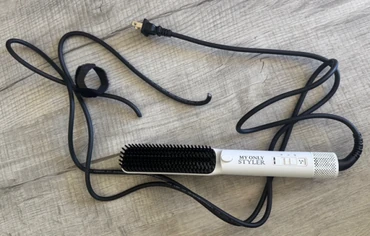
McLee Creations hair dryer recall for electrocution hazard
Photo

Consumers using MyOnlyStyler Root Booster Hair Dryers should stop use and seek a refund.

  • Hair dryers lack immersion protection, risking serious shock or electrocution

  • About 740 units sold on Amazon from November 2022 to October 2025

  • Consumers should stop using and request a refund

McLee Creations LLC is recalling about 740 MyOnlyStyler Root Booster Hair Dryers due to a risk of serious injury or death from electrocution and shock. The affected dryers, sold on Amazon.com between November 2022 and October 2025, lack an immersion protection device required for safety. No injuries have been reported.

The hazard

The recalled handheld hair dryers do not include an immersion protection device. This defect poses a significant risk of electrocution or shock if the dryer falls into water while plugged in.

What to do

Consumers should immediately stop using the recalled hair dryers and visit the companys website to request a refund.

Company contact

Visit www.myonlystyler.com and click on Product Recalls at the top of the page, or go to https://www.myonlystyler.com/product-recalls for more information.

Source

https://www.cpsc.gov/Recalls/2026/#main-content


Outdoor Master helmet recall for head injury risk

Photo

Parents should stop using affected childrens and youth helmets and apply for a refund.

  • Helmets fail to meet federal bicycle helmet safety standards

  • About 24,300 units sold from June 2024 to February 2025 on Amazon and Walmart.com

  • Consumers should stop using and request a refund

Outdoor Master childrens and youth bicycle helmets, sold by Maysun Products, Inc., are being recalled due to a failure to meet mandatory safety standards. About 24,300 helmets are affected. No injuries have been reported.

The hazard

The recalled helmets do not comply with positional stability and coverage requirements, potentially failing to protect users in a crash and increasing the risk of serious head injury or death.

What to do

Consumers should stop using these helmets immediately and visit Outdoor Masters website or contact the company to request a refund.

Company contact

Outdoor Master can be reached by email at This email address is being protected from spambots. You need JavaScript enabled to view it., or online at https://outdoormaster.com/pages/recall or https://outdoormaster.com (click Recall at the top of the page).

Source

https://www.cpsc.gov/Recalls/2026/Outdoor-Master-Childrens-and-Youth-Helmets-Recalled-Due-to-Risk-of-Serious-Injury-or-Death-from-Head-Injury-Violates-Mandatory-Standard-for-Bicycle-Helmets-Sold-and-Imported-by-Outdoor-Master


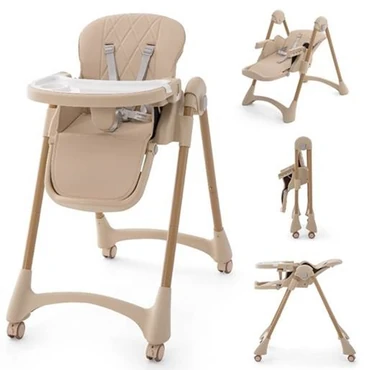
Rotinyard high chair recall for deadly fall risk
Photo

Parents should stop using Rotinyard convertible high chairs sold on Amazon and request a refund.

  • High chairs lack required restraint system, posing deadly fall and entrapment hazards

  • About 130 units sold from March to June 2025 on Amazon

  • Consumers should stop use and contact Rotinyard for a refund

Rotinyard is recalling convertible high chairs due to violations of safety standards. The chairs lack an attached restraint system and present a risk of deadly falls and entrapment for infants. No injuries have been reported.

The hazard

The high chairs were sold without the required restraint system, creating a risk of babies falling. There is also a risk of a childs head becoming trapped between the seat and tray.

What to do

Consumers should stop using the recalled high chairs immediately and contact Rotinyard for a refund.

Company contact

Email Rotinyard at This email address is being protected from spambots. You need JavaScript enabled to view it.

Source

https://www.cpsc.gov/Recalls/2026/Convertible-High-Chairs-Recalled-Due-to-Risk-of-Serious-Injury-or-Death-from-Fall-and-Entrapment-Hazards-Violate-Mandatory-Standard-for-High-Chairs-Sold-on-Amazon-by-Rotinyard


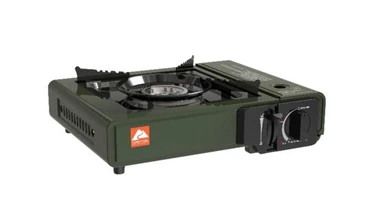
Ozark Trail camping stove recall for explosion and burn hazard

Campers should stop using the affected Ozark Trail stoves and seek a refund from Walmart.

  • Stoves can explode or catch fire, leading to burns and fire hazards

  • About 201,000 units sold at Walmart from March 2023 to October 2025

  • Refunds are available; 16 injuries reported
Photo

China Window Industry Co., Ltd is recalling about 201,000 Ozark Trail Tabletop 1-Burner Butane Camping Stoves due to explosion and fire hazards. The stoves were sold nationwide at Walmart stores and online.

The hazard

The stoves may explode or catch fire, creating a risk of burns and fire. There have been 26 reports of stoves exploding or catching fire, including 16 reports of injuries such as second-degree burns.

What to do

Consumers should stop using these stoves immediately and contact Walmart for a refund.

Company contact

Call Walmart at 800-925-6278 from 7 a.m. to 9 p.m. CT, or visit www.walmart.com/help or https://corporate.walmart.com/recalls

Source

https://www.cpsc.gov/Recalls/2026/Ozark-Trail-Tabletop-1-Burner-Butane-Camping-Stoves-Recalled-Due-to-Serious-Burn-and-Fire-Hazards-Imported-and-Sold-by-Walmart-Manufactured-by-China-Window-Industry-Co


Sofoliana and Glotika baby lounger recall for infant safety

Photo

Parents should stop using Sofoliana and Glotika baby loungers and request a refund due to fall and entrapment risks.

  • Loungers violate infant sleep product safety standards, posing fall and entrapment hazards

  • About 200 units sold on Amazon from August to October 2025

  • Refunds available; no injuries reported

Shenzhen Bosen Trading Co., Ltd., dba Bosen US, is recalling Sofoliana and Glotika baby loungers sold on Amazon due to violations of the mandatory standard for infant sleep products. No injuries have been reported.

The hazard

The loungers have sides too low to contain an infant and openings at the foot that are wider than allowed, creating risks of falls and entrapment. They also lack a stand, posing a fall risk if used on elevated surfaces.

What to do

Consumers should stop using the loungers immediately and contact Bosen US for a refund.

Company contact

Email Bosen US at This email address is being protected from spambots. You need JavaScript enabled to view it.

Source

https://www.cpsc.gov/Recalls/2026/


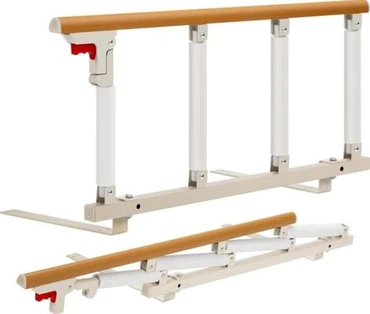
Vivohome bed rail recall for adult entrapment hazard

Adults using Vivohome portable bed rails should stop use and request a refund due to asphyxiation risk.

  • Bed rails violate mandatory safety standards, risking entrapment and asphyxiation

  • About 400 units sold on Amazon and Wayfair from November 2023 to September 2024

  • Consumers should stop use and seek a refund
Photo

Yiwu Nachen E-Commerce Firm, dba Vivohome, is recalling about 400 adult portable bed rails due to a risk of entrapment and asphyxiation. No injuries have been reported.

The hazard

The bed rails do not meet the mandatory standard for adult portable bed rails and lack the required warning labels. Users can become trapped between the rail and the mattress, risking serious injury or death.

What to do

Consumers should stop using the recalled bed rails immediately and contact Vivohome for a refund.

Company contact

Vivohome toll-free at 866-848-6463 from 9 a.m. to 5 p.m. PT Monday through Friday or by email at This email address is being protected from spambots. You need JavaScript enabled to view it..

Source

https://www.cpsc.gov/Recalls/2026/


CPSC Hazard Advisories (Non-Recall Warnings)

CPSC also issued multiple urgent warnings about unsafe products sold through online marketplaces:

DHGate Hair Dryers Lack immersion protection; consumers instructed to destroy and dispose of the dryers.
ALEBEE Bicycle Helmets Fail retention and labeling standards; consumers should cut straps and discard.
Fyzvexo Infant Walkers Can pass through doorways and lack step-stopping features, posing deadly fall risks.
Mchoter LED Lights Easy battery access violates Reeses Law; risk of child battery ingestion.
MATTITY-CAT Infant Walkers Similar fall and entrapment hazards as Fyzvexo models.
Lucakuins Infant Bath Seats Tip over easily; entrapment risks could lead to drowning.


Prevention Tips

How to Avoid Dangerous Consumer Products

  • Buy from reputable brands with clear safety certifications.

  • Check for UL, ASTM, or CPSC compliance labels before purchasing.

  • Avoid infant sleep products not explicitly approved for sleep.

  • Register products so manufacturers can contact you about recalls.

  • Review online recalls weeklyunsafe imports frequently appear on major marketplaces.

  • Inspect product hardware regularly (fasteners, buckles, hinges, battery compartments).

  • Dispose of dangerous products properlynever donate or resell recalled childrens items.


What to Do If You Own a Recalled Product

Step-by-Step Guide

  1. Stop using the product immediately.

  2. Verify the recall using the official CPSC link provided.

  3. Document ownership (photos, order history, packaging if available).

  4. Request a refund or replacement using the company contact listed.

  5. Follow disposal instructionssome require destruction (cutting straps, cutting cords).

  6. Report injuries or defects at SaferProducts.gov.

  7. Monitor your inboxsome companies send refund verification emails.


Quick Callout Checklist

Before Using Any Baby, Safety, or Electrical Product

  • Does it have required federal safety labels?

  • Does it appear stable and secure?

  • Are battery compartments child-resistant?

  • Does it include a restraint system (chairs, walkers, rails)?

  • Does it meet U.S. safety standardsnot just CE or vague markings?

  • Have you checked for recalls this month?


Posted: 2025-11-27 14:52:36

Get Full News Story On Consumer Affairs


Listen to this article. Speaker link opens in a new window.
Text To Speech BETA Test Version.


More News From This Category
Consumer News: Costco tweaks its iconic $1.50 hot dog combo for first time in decades
Thu, 30 Apr 2026 19:07:07 +0000

Costco adds a healthier option to its classic meal

By Kyle James of ConsumerAffairs
April 30, 2026
  • Costco is making its first real change in decades to its iconic $1.50 hot dog combo, one of the most well-known deals in retail.

  • Shoppers now have the option to swap the traditional soda for a Kirkland Signature bottled water at no additional cost.

  • The update reflects shifting consumer habits, but the core value of the deal and its $1.50 price remains unchanged.


For decades, Costcos $1.50 hot dog and soda combo has been one of the most untouchable deals in retail. Prices have gone up everywhere, from groceries to gas, but that combo has stayed exactly the same.

Now, for the first time in more than 40 years, Costco is making a small but noticeable change.

Shoppers can now choose a 16.9-ounce bottle of Kirkland Signature water instead of a fountain soda. The price stays the same, and the original soda option (with free refills) isnt going anywhere.

On the surface, its a minor tweak. But its also a signal of how consumer habits are shifting and how to make smarter choices when youre at Costco.

Whats actually changing (and whats not)

The core deal remains untouched:

  • $1.50 still gets you a hot dog + drink.
  • Soda with free refills is still available.
  • No price increase (and leadership says its staying that way).

The only difference:

  • You now have a healthier, more convenient drink option.

That may not sound like much, but for regular Costco shoppers, it removes a common friction pointespecially for people trying to cut back on soda.

Why this matters for shoppers

This change isnt really about the hot dog, its more about changing consumer behavior.

More shoppers are:

  • Cutting back on sugary drinks
  • Looking for simpler, cleaner options
  • Trying to avoid waste (grabbing a soda cup they wont use)

And Costco is adjusting without touching the price.

This translates into you getting more flexibility without losing value.

How to actually use this change to your advantage

If youre grabbing a quick meal at Costco, this is one of the easiest ways to make a healthier choice without spending more.

Heres how to play it:

  • Choose water if you wouldnt drink the soda:A lot of people grab the combo and skip the drink. Now youre getting something youll actually use.
  • Stick with soda if you want max value:Free refills still make soda the better pure value play if youre staying in-store.
  • Use it as a budget meal strategy:The combo is still one of the cheapest prepared meals anywhere, especially when compared to other fast food spots.

The bigger takeaway

I realize this change is small, but it highlights something bigger.

Costco rarely touches its core value items like the hot dog meal or rotisserie chicken, but when it does, its usually to:

  • Improve overall flexibility
  • Match changing customer habits
  • Keep shoppers loyal without raising prices

And right now, with food prices still so darn high, that matters.


Read More ...


Consumer News: Maryland bans surveillance pricing in grocery stores
Thu, 30 Apr 2026 19:07:07 +0000

Will other states take the same action?

By Mark Huffman of ConsumerAffairs
April 30, 2026
  • Maryland has become the first state to ban surveillance pricing in grocery stores.

  • The new law targets the use of personal data to set individualized prices.

  • Supporters say it protects consumers, while retailers warn of unintended consequences.


Maryland is breaking new ground on consumer protection, becoming the first state in the nation to prohibit so-called surveillance pricing in grocery stores a practice that uses shoppers personal data to charge some consumers higher prices than others.

Gov. Wes Moore signed the legislation into law this week, marking a significant shift in how retailers can use customer information. The measure bans grocery stores from adjusting prices based on data, such as a shoppers purchase history, location, income level, or online behavior.

Supporters say the move is designed to ensure transparency and fairness at a time when digital tools are increasingly shaping the shopping experience.

What is surveillance pricing?

Surveillance pricing refers to the use of algorithms and consumer data to set different prices for different shoppers, even for the same item. While retailers have long used loyalty programs and coupons to offer discounts, critics argue that newer technologies could allow companies to quietly charge higher prices to certain customers based on what they are willing or able to pay.

Maryland lawmakers said the practice raises concerns about privacy and potential discrimination.

"People deserve to know what price is on the shelf, and the price on the shelf is exactly the price they are going to pay at the checkout," Moore said at the signing ceremony.

"People deserve to know that the price that they pay is not different (from) the customer who walked in just before them, or different from the customer who walked in right after them. People deserve to know that their data will not be used against them to charge them more."

What the law does

The new law prohibits grocery retailers from using personal data to determine individualized pricing in-store or online. It does not ban traditional sales, coupons, or loyalty rewards programs, as long as those discounts are applied uniformly and transparently.

Retailers are still allowed to collect customer data, but they cannot use it to set different base prices for identical products.

Violations could result in fines and enforcement actions by the states consumer protection office.

Industry concerns

Retail groups have raised concerns about how the law could affect innovation and pricing strategies. Some argue that data-driven pricing can help stores manage inventory, reduce waste and offer targeted discounts to shoppers.

They also warn that broadly restricting data use could limit personalized deals that many consumers value.

Consumer advocates say the risks outweigh the benefits, especially if shoppers are unaware that prices may vary based on their personal profiles.

A potential model for other states

Marylands law comes as policymakers across the country take a closer look at how companies use consumer data. While dynamic pricing is common in industries like travel and ride-sharing, its expansion into everyday essentials like groceries has drawn increased scrutiny.

Advocates say other states may follow Marylands lead if concerns about fairness and transparency continue to grow.


Read More ...


Consumer News: Oil prices are surging and so are prices at the pump
Thu, 30 Apr 2026 19:07:07 +0000

The price of regular gas is up 27 cents in recent days

By Mark Huffman of ConsumerAffairs
April 30, 2026
  • Oil prices are rising due to the Strait of Hormuz disruption during the Iran war, limiting global crude supply and pushing gasoline prices higher.

  • U.S. gas prices have jumped 27 cents in a week to a $4.30 national average, with much higher prices in some states like California ($6.01).

  • Experts warn prices could keep climbing and remain volatile as geopolitical tensions persist and energy markets react to ongoing uncertainty.


As the Strait of Hormuz remains blocked due to the Iran War, millions of barrels of Persian Gulf crude remain in lockdown. Thats driving up the global price of oil, which in turn continues to push gasoline prices higher.

The price of Brent crude oil hit $126 a barrel this week before drifting slightly lower. WTI crude, produced in the U.S., rose to $106 a barrel. Thats having a big impact on U.S. gasoline prices, which have remained volatile since the start of the war with Iran.

Average gasoline prices rose in 39 states over the last week, with the national average moving higher, while diesel prices declined in most states, offering a brief divergence at the pump, said Patrick De Haan, head of petroleum analysis at GasBuddy, writing in the GasBuddy blog.

However, that divergence may prove short-lived. Oil prices have been climbing again as markets react to renewed geopolitical tensions and the cancellation of talks between the U.S. and Iran. As a result, gasoline prices are set to rise further this week, with diesel expected to follow. Many inland states including those in the Great Lakes and Plains could see average gas prices climb to their highest levels since 2022, while price-cycling markets may also experience another round of hikes in the next few days.

Increasingly expensive fuel

According to AAA, the national average price of regular gas today is $4.30 a gallon. Thats a seven-cent increase since Wednesday and a 27-cent increase over the last week.

While $4.30 a gallon is the average, motorists in many states are paying much higher. The average price in California is $6.01 a gallon, the highest in the nation.

Motorists in Mississippi are getting the biggest break, paying only $3.77 a gallon. But a year ago, the average price was $2.67 a gallon.

Looking ahead, GasBuddy expects continued volatility in energy prices. With negotiations stalled and restrictions still in place, the energy data firm says markets will continue to react quickly to any signs of escalation or renewed diplomatic efforts.

The persistence of supply-side risks particularly in key transit routes and export infrastructure suggests oil prices could remain supported in the near term, even as sentiment shifts rapidly with each new headline, the company said.


Read More ...


Consumer News: Maryland bans surveillance pricing in grocery stores
Thu, 30 Apr 2026 16:07:07 +0000

Will other states take the same action?

By Mark Huffman of ConsumerAffairs
April 30, 2026
  • Maryland has become the first state to ban surveillance pricing in grocery stores

  • The new law targets the use of personal data to set individualized prices

  • Supporters say it protects consumers, while retailers warn of unintended consequences


Maryland is breaking new ground in consumer protection, becoming the first state in the nation to prohibit so-called surveillance pricing in grocery stores a practice that uses shoppers personal data to charge some consumers higher prices than others.

Gov. Wes Moore signed the legislation into law this week, marking a significant shift in how retailers can use customer information. The measure bans grocery stores from adjusting prices based on data such as a shoppers purchase history, location, income level or online behavior.

Supporters say the move is designed to ensure transparency and fairness at a time when digital tools are increasingly shaping the shopping experience.

What is surveillance pricing?

Surveillance pricing refers to the use of algorithms and consumer data to set different prices for different shoppers, even for the same item. While retailers have long used loyalty programs and coupons to offer discounts, critics argue that newer technologies could allow companies to quietly charge higher prices to certain customers based on what they are willing or able to pay.

Maryland lawmakers said the practice raises concerns about privacy and potential discrimination.

"People deserve to know what price is on the shelf, and the price on the shelf is exactly the price they are going to pay at the checkout," Moore said at the signing ceremony.

"People deserve to know that the price that they pay is not different (from) the customer who walked in just before them, or different from the customer who walked in right after them. People deserve to know that their data will not be used against them to charge them more."

What the law does

The new law prohibits grocery retailers from using personal data to determine individualized pricing in-store or online. It does not ban traditional sales, coupons or loyalty rewards programs, as long as those discounts are applied uniformly and transparently.

Retailers are still allowed to collect customer data, but they cannot use it to set different base prices for identical products.

Violations could result in fines and enforcement actions by the states consumer protection office.

Industry concerns

Retail groups have raised concerns about how the law could affect innovation and pricing strategies. Some argue that data-driven pricing can help stores manage inventory, reduce waste and offer targeted discounts to shoppers.

They also warn that broadly restricting data use could limit personalized deals that many consumers value.

Consumer advocates say the risks outweigh the benefits, especially if shoppers are unaware that prices may vary based on their personal profiles.

A potential model for other states

Marylands law comes as policymakers across the country take a closer look at how companies use consumer data. While dynamic pricing is common in industries like travel and ride-sharing, its expansion into everyday essentials like groceries has drawn increased scrutiny.

Advocates say other states may follow Marylands lead if concerns about fairness and transparency continue to grow.


Read More ...


Consumer News: Oil prices are surging and so are prices at the pump
Thu, 30 Apr 2026 16:07:07 +0000

The price of regular gas is up 27 cents in recent days

By Mark Huffman of ConsumerAffairs
April 30, 2026
  • Oil prices are rising due to the Strait of Hormuz disruption during the Iran war, limiting global crude supply and pushing gasoline prices higher.

  • U.S. gas prices have jumped 27 cents in a week to a $4.30 national average, with much higher prices in some states like California ($6.01).

  • Experts warn prices could keep climbing and remain volatile as geopolitical tensions persist and energy markets react to ongoing uncertainty.


As the Strait of Hormuz remains blocked, due to the Iran War, millions of barrels of Persian Gulf crude remain in lockdown. Thats driving up the global price of oil, which in turn continues to push gasoline prices higher.

The price of Brent crude oil hit $126 a barrel this week before drifting slightly lower. WTI crude, produced in the U.S., rose to $106 a barrel. Thats having a big impact on U.S. gasoline prices, which have remained volatile since the start of the war with Iran.

Average gasoline prices rose in 39 states over the last week, with the national average moving higher, while diesel prices declined in most states, offering a brief divergence at the pump, said Patrick De Haan, head of petroleum analysis at GasBuddy, writing in the GasBuddy blog.

However, that divergence may prove short-lived. Oil prices have been climbing again as markets react to renewed geopolitical tensions and the cancellation of talks between the U.S. and Iran. As a result, gasoline prices are set to rise further this week, with diesel expected to follow. Many inland statesincluding those in the Great Lakes and Plainscould see average gas prices climb to their highest levels since 2022, while price-cycling markets may also experience another round of hikes in the next few days.

Increasingly expensive fuel

According to AAA, the national average price of regular gas today is $4.30 a gallon. Thats a seven-cent increase since Wednesday and a 27-cent increase over the last week.

While $4.30 a gallon is the average, motorists in many states are paying much higher. The average price in California is $6.01 a gallon, the highest in the nation.

Motorists in Mississippi are getting the biggest break, paying only $3.77 a gallon. But a year ago, the average price was $2.67 a gallon.

Looking ahead, GasBuddy expects continued volatility in energy prices. With negotiations stalled and restrictions still in place, the energy data firm says markets will continue to react quickly to any signs of escalation or renewed diplomatic efforts.

The persistence of supply-side risksparticularly in key transit routes and export infrastructuresuggests oil prices could remain supported in the near term, even as sentiment shifts rapidly with each new headline, the company said.


Read More ...


Related Bing News Results
Consumer Reports investigation: Home hair dye kits
Wed, 29 Apr 2026 17:04:00 GMT
Consumer Reports investigation: Home hair dye kits ...

Consumer Reports investigation: Energy drinks risky for teens
Wed, 29 Apr 2026 10:01:00 GMT
Energy drinks are colorful, sweet, and hugely popular with teens. But they come with an important warning for parents. A new Consumer Reports investigation finds what’s inside those drinks may be more ...

What's inside those popular energy drinks teens consume
Mon, 27 Apr 2026 10:14:00 GMT
Consumer Reports says many drinks double the daily caffeine limit recommendation ...

consumer reports
Thu, 23 Apr 2026 03:11:00 GMT
Eken Group has issued a firmware update to resolve major security issues with its doorbell cameras that were uncovered by Consumer Reports. The cameras are sold under the brands Eken, Tuck, Fishbot, ...

Consumer Reports explores digital minimalism
Wed, 22 Apr 2026 17:38:00 GMT
A survey shows Americans spend over four hours daily on their phones, with nearly half feeling addicted, as experts highlight the impact on mental health and suggest ways to cut back.


Blow Us A Whistle


Related Product Search/Búsqueda de productos relacionados

Amazon Logo

Visit Our New Print-On-Demand Stores On Printify and Zazzle
Printify Zazzle





