

Rockin Robin SongFlying The Web For News.
RobinPost Logo Amazon Prime Deals


Consumer Daily Reports

Buy now, pay later hits new highs

By Truman Lewis of ConsumerAffairs
December 2, 2025

Shoppers were more disciplined over Black FridayCyber Monday, prioritizing value
Buy now, pay later services hit new records as consumers spread out payments
In-store traffic fell even as online spending climbed faster than expected


Holiday shoppers took a more calculated approach to Black FridayCyber Monday this year, focusing on stretching budgets and minimizing impulse buys, according to new industry data. Rising prices across essentials and gifts pushed consumers toward a more strategic mindset and toward flexible payment tools.

Buy now, pay later (BNPL) services such as Klarna, Afterpay, Affirm and PayPal Pay Later continued their rapid rise. Adobe Analytics reports BNPL has driven $10.1 billion in spending so far this holiday season, up 9 percent from last year. Cyber Monday set a single-day record with $1.03 billion in BNPL purchases about 7 percent of all online spending.

PayPal said its BNPL transactions jumped 23 percent in the days leading up to Black Friday.

The appeal spans income levels, driven by convenience and the ability to spread out payments, said David Tinsley, senior economist at the Bank of America Institute. Most people remain light users, with just one to four BNPL purchases on their accounts.

Greater availability at checkout is also fueling growth, said Sucharita Kodali, a retail analyst at Forrester. BNPL could also just be going up because e-commerce is going up, she said.

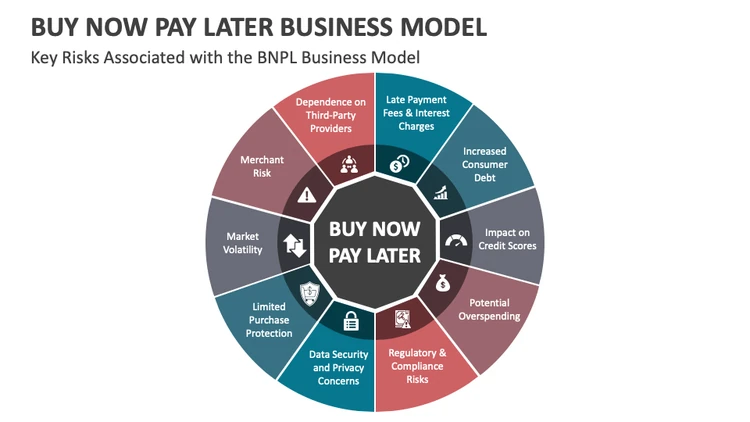
But experts caution that the model isnt risk-free: missed payments can trigger interest charges, and financially vulnerable shoppers may be more susceptible to overspending.
Photo


The risks behind BNPLs rapid rise

Mounting debt from small purchases

Experts warn that buy now, pay later services can mask the true cost of purchases. Because payments are split into smaller installments, shoppers may take on more debt than they can comfortably manage especially during the holidays, when spending naturally spikes.

Missed payments can trigger fees or interest

While many BNPL plans are advertised as zero interest, that guarantee usually applies only if payments are made on time. Missed or late installments can lead to interest charges, penalty fees or account restrictions. Some providers also report delinquent payments to credit bureaus, risking long-term credit damage.

Lack of consumer protections

BNPL purchases generally fall outside traditional credit-card dispute frameworks. That can create hurdles for shoppers trying to resolve issues like incorrect charges, damaged goods or returns particularly when multiple retailers and payment platforms are involved.

Higher risk for financially vulnerable households

Analysts say BNPLs appeal is particularly strong among consumers facing tight budgets or limited credit access. These shoppers may rely on the services not for convenience, but necessity increasing the likelihood of missed payments and compounding financial strain.

Overlapping installment schedules

Because many shoppers juggle multiple BNPL plans at once, its easy to lose track of due dates. Overlapping payment schedules can create cash-flow crunches, leading to cascading late fees across several purchases.


Preholiday caution takes hold

With groceries, housing, energy and even key gifting categories rising in price some due to tariffs shoppers are increasingly wary.

People are being cautious, Kodali said. The economy from a retail standpoint has been really positive and this cant go on forever.

That caution shows up in the numbers. The National Retail Federation expects November and December spending to top $1 trillion for the first time, but analysts stress that higher totals largely reflect higher prices, not higher volume.

Online spending surges as stores see declines

Despite broader caution, online sales roared past forecasts. Adobe Analytics recorded $14.5 billion in Cyber Monday sales, up 7.1 percent year over year, and $11.8 billion on Black Friday, a 9.1 percent gain.

Brick-and-mortar stores saw a different pattern. Foot traffic on Black Friday dropped 2.5 percent at malls and 2.6 percent in downtown areas, according to MRI Software. Small Business Saturday declines were steeper, with mall visits down 4.3 percent and downtown traffic off 6 percent.

RetailNext, which tracks activity at more than 560 brands, reported an even sharper drop: traffic fell 3.6 percent on Black Friday and 8.6 percent on Saturday.

The shift doesnt mean shoppers sat out the weekend just that they shopped differently. Shoppers showed theyre done with the impulse-driven, one-day frenzy, said Joe Shasteen, global head of advanced analytics at RetailNext. Prices, tariffs, and tighter budgets pushed people to shop with discipline, not adrenaline.

Essentials rise, but gifts arent forgotten

Consumers also pounced on deals for everyday necessities. Among Shopify sellers, the top product categories were vitamins and supplements, followed by skin care and activewear. Adobe projects online grocery sales will hit $23.5 billion this season, up 9.3 percent from last year.

Were seeing promotions on essentials and the things that consumers feel they need first, said Marshal Cohen, chief retail adviser at Circana.

But even bargain hunters made room for festive splurges. Santa Claus is going to show up and is he going to show up with vitamins? Yeah, Cohen said. But hes also going to show up with a toy here and there.


Posted: 2025-12-02 17:02:07

Get Full News Story On Consumer Affairs


Listen to this article. Speaker link opens in a new window.
Text To Speech BETA Test Version.


More News From This Category
Consumer News: Global gold rally intensified this week amid rising uncertainty
Wed, 21 Jan 2026 17:07:07 +0000

The precious metal hit yet another record high on Tuesday

By Mark Huffman of ConsumerAffairs
January 21, 2026
  • Gold prices hit new multi-year and record highs this week as investors pour into the safe-haven metal.

  • Geopolitical tensions and renewed trade risks, especially U.S. tariff threats tied to Greenland, are cited as key triggers.

  • Analysts are divided on sustainability: some see ongoing structural support while others warn of potential corrections if macro conditions shift.


Gold prices surged sharply this week, with bullion climbing to unprecedented levels as markets grapple with heightened geopolitical and economic uncertainty. In trading ahead of the World Economic Forum, gold soared above $4,800 per ounce, a new record, as investors moved away from risk assets into traditional safe havens.

The rally was broad-based: major benchmarks in the Middle East and Asia also recorded historic highs, and silver and other precious metals followed suit. In Dubai, retail gold jumped sharply, reflecting the broader international trend. On Wednesday, there was no immediate sell-off as gold edged slightly higher than Tuesday's close.

Drivers behind the surge

Market analysts point to a confluence of factors fueling the recent surge:

  • Geopolitical risk: President Donald Trumps tariff threats against several European countries in an effort to pressure negotiations over Greenland have roiled markets, driving investors toward gold as a hedge against political disruption and trade instability.

  • Safe-haven demand: Global equities and bond markets weakened amid rising trade tensions and volatility, reinforcing golds role as a refuge in times of stress.

  • Dollar and rate dynamics: A softer U.S. dollar and expectations of accommodative monetary policy have reduced the opportunity cost of holding non-yielding assets like gold.

  • Structural factors: Central bank purchases and sustained investment demand, including flows into gold exchange-traded products, have helped underpin prices after a dramatic rally in 2025.

Is the rally sustainable?

Forecasts vary widely on the sustainability of golds current surge:

  • Bullish views: Some analysts argue that the fundamental forces supporting gold remain intact. Continued geopolitical uncertainty, ongoing central bank accumulation, and persistent demand from both institutional and retail investors could keep prices elevated through 2026 and possibly beyond. Major banks have even raised forecasts that anticipate gold approaching $5,000 per ounce later this year.

  • Cautionary signals: Others warn that the extraordinary run could invite corrections if macroeconomic conditions change. A resurgent U.S. dollar, stronger economic growth, higher interest rates, or a resolution of key geopolitical flashpoints could dampen safe-haven flows and reduce speculative demand. Gold historically also experiences periods of fatigue when investors rotate into other assets.

What investors should watch

Market watchers say the next few months will be critical for golds trajectory:

  • Central bank policy decisions, especially from the Federal Reserve, remain pivotal in shaping risk appetite and real yields.

  • Geopolitical developments, including trade negotiations and global security concerns, will continue to influence demand for safe havens.

  • Market sentiment and technical factors, such as ETF flows and positioning by large speculators, can amplify short-term moves.

Whether golds breakout this week marks the start of a sustained bull market or a temporary spike driven by headline risk, the metals performance highlights the deep uncertainty in global markets early in 2026.


Read More ...


Consumer News: Mortgage rates still expected to stabilize in 2026, not plunge
Wed, 21 Jan 2026 14:07:07 +0000

But affordability continues to be the wild card

By Mark Huffman of ConsumerAffairs
January 21, 2026
  • Experts expect U.S. mortgage rates to remain largely above 6% through 2026, with only modest declines compared with 2025.

  • Economic uncertainty and Treasury yields not just Federal Reserve policy will heavily influence how far and fast rates fall.

  • Regional and market differences mean some buyers could see affordability improve faster than others.


As 2026 gets underway, the outlook for U.S. mortgage rates points to a year of relative stabilization rather than dramatic decline, economists and industry analysts say. After the long climb to historically high levels in recent years, most forecasts suggest the average 30-year fixed mortgage rate will cluster around the low 6% range, offering modest relief compared with recent peaks but not a return to pandemic-era lows.

Major forecasting agencies, including Fannie Mae, the National Association of Realtors (NAR), and the Mortgage Bankers Association, project 2026 rates averaging roughly 6.0%6.3% only slightly below where they stood at the start of the year. Some scenarios envision rates dipping just below 6% by years end if inflation continues to cool and market conditions remain favorable.

Whats driving the rate outlook

Mortgage rates dont move in lockstep with Federal Reserve policy, and experts caution against assuming that Fed rate cuts alone will bring deep decreases. Instead, long-term Treasury yields which mortgage rates tend to follow and broader economic signals like inflation and job growth will be central to rate behavior in 2026.

If you find the right home and can afford the monthly payments, you should take the opportunity in front of you, Greg Schwartz, CEO of Tomo Mortgage, told Forbes. If rates decline, competition will increase. More buyers will reenter the market, sellers will regain leverage, and prices will follow.

Affordability still an issue

A key silver lining for homebuyers is that even modest rate declines could improve affordability especially when combined with slower home price growth and rising incomes, forecasts suggest. Some housing market analysts foresee that monthly mortgage payments could become measurably more manageable compared with previous years, even if rates stay above 6%.

Regional disparities are also expected. Markets with higher inventory and slower price growth might see sharper improvements in buyer access and affordability than high-demand urban areas.

Market reactions and volatility

Although the broader trend points toward a relatively stable 2026, short-term volatility remains possible. Recent movements in mortgage rates have shown the impact of political, economic, and global influences: markets briefly saw rates dip below 6% after major mortgage-backed securities purchases, but they have also climbed in response to geopolitical and financial developments.

For prospective homebuyers and those considering refinancing this year, the message from experts is one of measured optimism. Rates are likely to remain elevated by historical standards meaning borrowing costs wont fall back to ultra-low levels but are also unlikely to spike sharply higher absent unexpected economic stress.

As a result, buyers may find more manageable mortgage costs in 2026 compared with the last two years, especially if they lock in rates and dont wait for a rate trough that may never arrive.


Read More ...


Consumer News: Trump signs executive order barring Wall Street from buying single-family homes
Wed, 21 Jan 2026 14:07:07 +0000

The move is designed to increase supply for homebuyers and lower prices

By Mark Huffman of ConsumerAffairs
January 21, 2026
  • President Trump signed an executive order aimed at blocking private equity firms from purchasing single-family homes, framing the move as a way to ease housing costs for families.

  • The order directs federal regulators to redefine large-scale investor activity in residential housing and restrict access to federally backed financing for such purchases.

  • Industry groups warned the measure could disrupt rental markets, while housing advocates praised it as a long-awaited intervention.


Investors have always purchased homes as rental property to provide an extra income stream. But the practice went into overdrive during the 2009-10 housing market crash, when foreclosures flooded the market with cheap single-family homes.

Private equity firms moved in with cash and scooped up many of the homes, effectively taking them off the market and keeping home prices high. Now, thats about to change.

President Donald Trump has signed a sweeping executive order banning private equity firms and other large institutional investors from buying single-family homes, a move the White House said is designed to curb rising housing costs and restore access to homeownership for middle-class Americans.

The order directs the Treasury Department, the Federal Housing Finance Agency, and the Department of Housing and Urban Development to take coordinated action to prevent private equity firms from acquiring single-family homes. Among other steps, the administration will bar such firms from using federally backed mortgages, restrict bulk purchases of homes financed through government-linked programs, and require enhanced disclosure of residential real estate holdings by large investment entities.

New data reveal the market is already shifting back to favoring buyers.There were an estimated 47.1% more home sellers than buyers in the U.S. housing market in December (or 631,535 more, in numerical terms)the largest gap in records dating back to 2013, according to real estate broker Redfin.Thats up 7.1 percentage points from a month earlierthe largest monthly increase since September 2022and up 22.2 percentage points from a year earlier.

Small landlords not affected

Administration officials said the policy is narrowly targeted at large-scale investors and does not apply to small landlords or individuals who own a limited number of rental properties. The White House also emphasized that the order would not force firms to sell existing holdings, though it encourages agencies to study incentives for divestment over time.

Housing advocates applauded the announcement, saying institutional investors have distorted local markets, particularly in fast-growing metropolitan areas. However, the private equity industry reacted sharply.

Trade groups warned that restricting investor participation could reduce the supply of rental housing and lead to higher rents, especially in communities where homeownership rates are already low.

Economists were divided on the likely impact. Some said the order could modestly increase housing availability for first-time buyers, while others cautioned that broader affordability problems including limited new construction and high interest rates would remain unresolved.

The executive order takes effect immediately, though legal challenges are widely expected.


Read More ...


Consumer News: Mercedes-Benz faces $150 million penalty for cheating on emissions
Wed, 21 Jan 2026 02:07:07 +0000

Similar to the VW "Dieselgate" scandal, it's a black eye for Benz.

By News Desk of ConsumerAffairs
January 20, 2026

Mercedes-Benz will pay a $150 million settlement for concealing emission-cheating devices on its cars and trucks. Consumers who owned one of the affected models will get $2,000 each.

In the settlement with 48states and two U.S. territories, prosecutors said that Mercedes manufactured, marketed,advertisedand distributed nationwide more than 211,000 diesel passenger cars and vans equipped with software defeat devices thatoptimizedemission controls during emissions tests, while reducing those controls outside of normal operations.

The states allege the defeat devices enabled vehicles to farexceedmanylegallimits of nitrogen oxides (NOx) emissions, a harmful pollutant that causes respiratory illness and contributes to the formation of smog. Mercedes allegedly engaged in this conduct to achieve design and performance goals, such as increased fuel efficiency and reduced maintenance, that it was unable to meet whilecomplying withapplicable emission standards.

Mercedes concealed the existence of these defeat devices from state and federal regulators and the public. At the same time, Mercedes marketed the vehicles to consumers as environmentally-friendly and in compliance with applicable emissions regulations.

Time to pay up

Thesettlement requires Mercedes-Benz to pay $120 million to the statesimmediatelyupon the effective date of the settlement. Anadditional$29,673,750 will be suspended and potentially waived pending completion of a comprehensive consumer relief program.

The consumer relief program extends to the estimated 39,565 vehicles,which as of Aug.1, 2023,had not been repaired or permanently removed from the road in the United States. Mercedes must bear the cost of installing approved emission modification software on each of theaffected vehicles. The company must provide consumers with an extended warranty and will pay consumers $2,000 per subject vehicle.

The company must alsocomply withreporting requirements and reforms toitspractices, including a prohibition on any further engagement in unfair or deceptive marketing or sale of diesel vehicles, misrepresentationsregardingemissions and compliance.

Todays settlement follows similar settlements reached previously between the states and Volkswagen, FiatChryslerand German engineering company Robert Bosch GmbH over its development of the cheat software. Automaker Fiat Chrysler and its subsidiaries paid $72.5 million to the states in 2019. Bosch paid $98.7 million in 2019. Volkswagen reached a $570 million settlement with the states in 2016.

Read the complainthereand the judgementhere.


Read More ...


Consumer News: Raising taxes on sugary drinks, alcohol can lead to lasting health changes, WHO says
Tue, 20 Jan 2026 23:07:08 +0000

New warnings link low drink prices to rising chronic disease worldwide

By Kristen Dalli of ConsumerAffairs
January 20, 2026

  • The World Health Organization says alcohol and sugary drinks are getting too cheap, and thats bad for public health.

  • WHO wants governments to significantly raise and redesign taxes to make these drinks less affordable and reduce disease.

  • Higher taxes can improve health and raise money for health services, helping prevent obesity, diabetes, heart disease, and injuries.


Sugary drinks and alcoholic beverages might seem like everyday treats, but according to a new announcement by the World Health Organization (WHO), their low prices are doing more harm than youd think.

The WHO recently released global reports showing that cheap sodas, sweet drinks, and alcohol are contributing to rising rates of obesity, diabetes, heart disease, some cancers, and injury especially among young people.

The reason? In most countries, taxes on these products are too low or poorly designed to keep up with inflation and income growth, so theyve become more affordable over time and that encourages people to drink more.

Health taxes are one of the strongest tools we have for promoting health and preventing disease," Dr. Tedros Adhanom Ghebreyesus, WHO Director-General, said in a news release.

"By increasing taxes on products like tobacco, sugary drinks, and alcohol, governments can reduce harmful consumption and unlock funds for vital health services.

What WHO is recommending and why it matters

The WHO isnt just pointing fingers its offering a solution. Its reports call for governments to raise and rethink taxes on alcohol and sugary drinks, so their prices reflect the real cost they impose on health systems and communities.

Here are some of the issues the WHO highlighted:

  • Many harmful drinks escape taxation: While sodas are often taxed in about 116 countries, other high-sugar products such as fruit juices, sweetened milks, and ready-to-drink coffees often arent. That means people can swap to these options without a tax penalty.

  • Alcohol remains too cheap in many places: Even though around 167 countries tax alcoholic beverages, taxes often havent kept pace with the cost of living or incomes. Wine, for instance, isnt taxed at all in some countries.

  • Low taxes mean more consumption: And more consumption is linked with preventable diseases and injuries that burden families and health systems alike.

What consumers need to know (and do)

So, what does this mean for consumers?

  • Prices may rise:If your country adopts stronger health taxes, you could see higher prices on soda, sweetened drinks and alcohol in the coming years. Thats partly the point costing more can help curb overconsumption.

  • Health benefits may follow:Higher prices have been linked with lower consumption and better health outcomes in places that have tried similar taxes.

  • Awareness matters: Knowing how your government taxes these products can empower you to support policies that promote public health or make informed choices about how much and how often you indulge.

In short: this isnt just about prices at the checkout. Its about shaping habits and protecting health one tax at a time.


Read More ...


Related Bing News Results
Consumer Reports’ Rich, 90-Year History Comes to Life at Duke University
Thu, 15 Jan 2026 08:30:00 GMT
The Consumer Reports Archives,” a new exhibit at Duke University’s David M. Rubenstein Rare Book & Manuscript Library, celebrates the nine-decade influence of Consumer Reports through its research, ...

Consumer Reports investigation: Testing protein powders
Wed, 14 Jan 2026 20:41:18 GMT
Consumer Reports tested five reader-requested chocolate protein powders: Clean Simple Eats, Equate from Walmart, Premier Protein, Ritual, and Truvani.

Stay home and use these remedies to kick that winter cold
Wed, 14 Jan 2026 10:13:00 GMT
A runny nose, scratchy throat, and deep cough can make even simple daily tasks feel miserable. While there’s no instant cure for the common cold, Consumer Reports says there are several effective ways ...

Consumer Reports experts test protein powders for lead levels
Wed, 14 Jan 2026 08:15:00 GMT
Last year, a Consumer Reports investigation found concerning levels of lead in some popular protein powders—raising big questions for the millions of people who use them every day.

How Much Lead Is in Protein Powder? Consumer Reports Shares Latest Findings
Wed, 14 Jan 2026 02:12:00 GMT
Consumer Reports has released its newest findings on lead and heavy metal content in protein powders. After data revealed high levels of lead in several protein powders in 2025, Consumer Reports ...


Blow Us A Whistle


Related Product Search/Búsqueda de productos relacionados

Amazon Logo





