

Rockin Robin SongFlying The Web For News.
RobinPost Logo Amazon Prime Deals


Consumer Daily Reports

Baby and kids clothes are at the top of this week's recall roundup

By News Desk of ConsumerAffairs
March 6, 2026

HALO Magic Sleepsuits recalled over zipper

HALO Dream is recalling certain HALO Magic Sleepsuits after reports that a zipper head can detach and create a choking hazard for infants.

  • Specific hazard: A zipper head can detach from certain sleepsuits, creating a choking hazard.
  • Scope/stats: About 45,000 units sold online at Halosleep.com, Amazon.com, Walmart.com and Target.com (about $50) from September 2025 through February 2026; 15 detachment reports, no injuries reported.
  • Immediate action: Stop using the sleepsuit and contact HALO Dream for a refund or replacement.
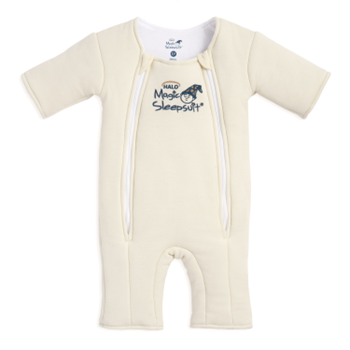
Product

HALO Dream, Inc., of New York City, is recalling certain HALO Magic Sleepsuit infant sleepsuits because the zipper head can detach. The recalled products have double zippers running down each side of the front and are labeled HALO Magic Sleepsuit. Only specific batch codes are included in the recall.

The hazard

According to the notice, the zipper head can detach from certain sleepsuits, posing a choking hazard to infants. The firm has received 15 reports of the zipper head detaching from the garment; no injuries have been reported.

What to do

Consumers should stop using the recalled sleepsuits immediately. Check the sewn-in label and hang tag for batch codes PO30592, PO30641 and PO30685 (also marked Made in India). Contact HALO Dream to receive a refund or replacement.

Company contact

HALO Dream toll-free at 833-791-0420 (9 a.m. to 4:30 p.m. ET Monday through Friday), email This email address is being protected from spambots. You need JavaScript enabled to view it., or online at www.sleepsuitrecall.com. Consumers can also visit www.halosleep.com and click on Recalls at the bottom of the page.

Source


Forever 21 kids pajama pants fail test

Unique Brands Com is recalling a small number of Forever 21 Kids Disney Mickey Mouse pajama pants because they violate federal flammability standards for childrens sleepwear.

  • Specific hazard: The pajama pants violate mandatory flammability standards, posing a burn hazard and a risk of serious injury or death.
  • Scope/stats: About 230 units sold on Forever21.com from September 2025 through November 2025 for about $25; no incidents reported.
  • Immediate action: Stop using the pajama pants and contact Unique Brands Com to get a full refund with a prepaid return label.
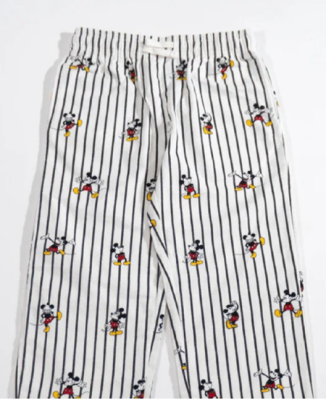
Product

Unique Brands Com, Inc. has recalled Forever 21 Kids Disney Mickey Mouse pajama pants with black stripes after the product was found to violate mandatory flammability standards for childrens sleepwear. The pants were sold in childrens sizes 5/6 through 13/14 and include item number 01334347 on a sewn-in side-seam label below the barcode.

The hazard

The recalled childrens pajama pants do not meet required flammability standards, which increases the risk the sleepwear can ignite and burn quickly. CPSC said this creates a burn hazard and a risk of serious injury or death to children. No incidents or injuries have been reported.

What to do

Consumers should stop using the recalled pajama pants immediately and contact Unique Brands Com for a full refund. The company will provide a prepaid shipping label so consumers can return the pajama pants.

Company contact

Unique Brands Com toll-free at 888-684-5375 (9 a.m. to 3 p.m. ET Tuesday through Thursday), email This email address is being protected from spambots. You need JavaScript enabled to view it., or online at Forever21.com/pages/product-recalls or Forever21.com (click Recall at the top of the page).

Source


Tomum minoxidil bottles lack child-resistant caps

Belleka is recalling Tomum Minoxidil Hair Growth Treatment spray bottles because they are not child-resistant as required, raising a poisoning risk for young children.

  • Specific hazard: The minoxidil-containing serum is packaged in non-child-resistant bottles, creating a poisoning risk if swallowed by children.
  • Scope/stats: About 27,400 units sold on Amazon.com from March 2025 through September 2025 for about $20; no incidents reported.
  • Immediate action: Secure the product out of childrens reach and contact Belleka for a free replacement with child-resistant bottles.
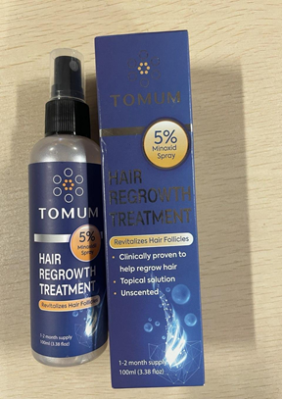
Product

Belleka Inc., doing business as TOMUM, is recalling spray bottles for Tomum Minoxidil Hair Growth Treatment (100 mL) sold on Amazon because the packaging is not child-resistant. The recalled bottles are silver with a blue wraparound label and a black cap, and they come packaged in a blue box labeled TOMUM and Hair Growth Treatment.

The hazard

The hair serum contains minoxidil, which must be sold in child-resistant packaging under the Poison Prevention Packaging Act. CPSC said the bottles are not child-resistant, creating a risk of serious injury or death from poisoning if the contents are swallowed by young children. No incidents or injuries have been reported.

What to do

Consumers should immediately place the recalled serum bottles out of sight and reach of children. Contact Belleka for a free replacement product that includes two child-resistant bottles of serum (60 mL per unit). Consumers will be asked to dispose of the recalled product bottle and email a photo of the bottle in the trash to This email address is being protected from spambots. You need JavaScript enabled to view it..

Company contact

Belleka at 862 244-1785 (9 a.m. to 4 p.m. ET Monday through Friday), email This email address is being protected from spambots. You need JavaScript enabled to view it., or online at https://itomum.com/contact-us/ or https://itomum.com.

Source


Building set recalled over accessible button batteries

RBS Toys is recalling Cubimana Island Storm 3 In 1 Building Sets because children can access button cell batteries in an LED component, creating a potentially deadly ingestion hazard.

  • Specific hazard: Button cell batteries in the LED light piece can be easily accessed, creating a serious ingestion hazard.
  • Scope/stats: About 3,950 sets sold on Amazon.com from October 2025 through January 2026 for about $30; no incidents reported.
  • Immediate action: Take the toy away from children, remove and dispose of batteries, and contact the seller for a refund after disposing of the product.
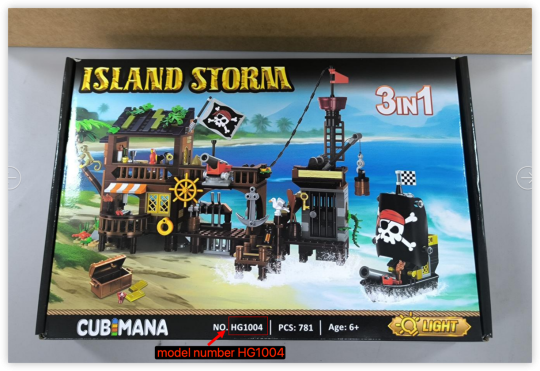
Product

Shenzhen Ruibosi Technology Co., Ltd., doing business as RBS Toys, is recalling Cubimana Island Storm 3 In 1 Building Sets (model HG1004) sold on Amazon. The 781-piece set comes in a black box with images of a pirate base and pirate ship. CPSC said the toy violates mandatory toy safety requirements because button cell batteries in the LED light piece are accessible.

The hazard

The battery compartment within the LED light piece contains button cell batteries that can be easily accessed by children. If swallowed, button cell or coin batteries can cause severe internal chemical burns, serious injuries, and death. No incidents or injuries have been reported.

What to do

Consumers should immediately take the building sets away from children, stop using the recalled toys, and remove and properly dispose of the batteries. To receive a full refund, consumers will be asked to throw the product away and email a photo of the disposed product to This email address is being protected from spambots. You need JavaScript enabled to view it..

Company contact

RBS Toys by email at This email address is being protected from spambots. You need JavaScript enabled to view it..

Source


CPSC flags CCCEI power strips for fire risk

The CPSC is warning consumers to stop using CCCEI power strips sold on Amazon because they lack supplementary overcurrent protection and can pose a serious fire risk if overloaded.

  • Specific hazard: The power strips lack supplementary overcurrent protection, increasing the risk of fire if overloaded.
  • Scope/stats: CCCEI power strips with 6-foot, 10-foot, or 15-foot cords were distributed via Amazon.com; the notice is a CPSC warning, not a standard recall.
  • Immediate action: Stop using the power strips immediately and consult the CPSC notice for safety guidance.
Product

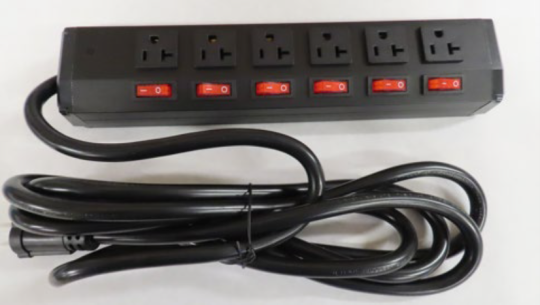
The U.S. Consumer Product Safety Commission is urging consumers to stop using CCCEI brand power strips immediately due to a fire risk. The power strips have a black metal enclosure with six receptacles and individual on/off switches and were sold with 6-foot, 10-foot, or 15-foot cords.

The hazard

CPSC said the power strips do not contain supplementary overcurrent protection, which creates a risk of fire if the power strips are overloaded. A resulting fire can cause serious injury or death from smoke inhalation and burns.

What to do

Consumers should stop using CCCEI power strips with 6-foot, 10-foot, or 15-foot power cords immediately. If you believe you have experienced a problem related to overheating, melting, or fire, report it to the CPSC and keep the product away from use until you have reviewed the official guidance in the notice.

Company contact

The CPSC notice did not list a company contact for this warning. Consumers should use the source link below for the full CPSC notice and any updates.

Source


Heated insoles warning cites battery fire danger

The CPSC is warning consumers to immediately dispose of Junsyoung heated insoles sold on Amazon because an internal lithium-ion battery can overheat and ignite.

  • Specific hazard: The lithium-ion battery can overheat and ignite, creating a fire hazard and risk of serious burns.
  • Scope/stats: Junsyoung heated insoles (also associated with seller name JAMRIC on receipts) were sold on Amazon from July 2023 through March 2024.
  • Immediate action: Dispose of the heated insoles immediately following local hazardous-waste procedures.
Product

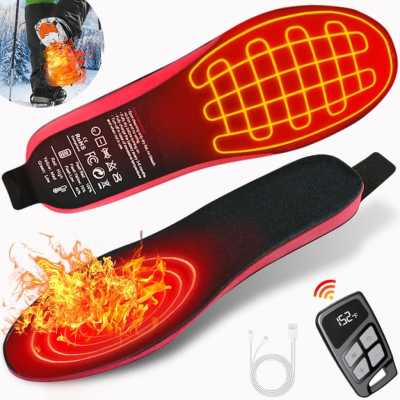
The U.S. Consumer Product Safety Commission is warning consumers to stop using Junsyoung heated insoles immediately due to a fire hazard. The insoles are black and red, contain a lithium-ion battery in the heel, and are operated by remote control; Junsyoung or seller name JAMRIC may appear on the purchase receipt.

The hazard

CPSC said the internal lithium-ion battery can overheat and ignite while in use. That can lead to a fire and serious burn injuries, particularly because the product is worn close to the body.

What to do

CPSC urges consumers to dispose of the defective heated insoles immediately and follow local hazardous-waste disposal procedures for products containing lithium-ion batteries. Do not continue using, charging, or storing the insoles indoors if you suspect overheating or damage.

Company contact

The CPSC notice did not provide a company contact for this warning. Consumers should review the full CPSC notice at the source link below for additional details and updates.

Source


UHOMEPRO dressers flagged for tip-over hazard

The CPSC is warning consumers to stop using UHOMEPRO 5-drawer dressers because they are unstable when not anchored and violate a mandatory clothing storage standard.

  • Specific hazard: The dressers can tip over if not anchored, creating tip-over and entrapment hazards for children.
  • Scope/stats: UHOMEPRO 5-drawer dressers (15.7 by 26 by 38.6 inches; about 66 pounds) were sold online at Walmart.com for about $100 and may have been sold elsewhere.
  • Immediate action: Stop using the dresser and either anchor it securely to the wall or dispose of it; do not resell or give it away.
Product

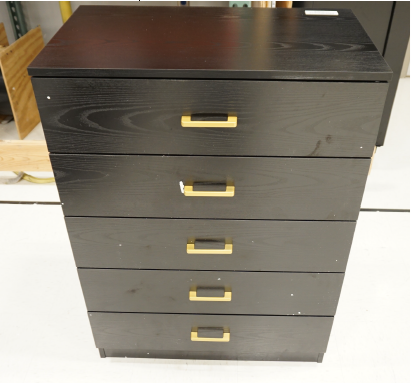
The U.S. Consumer Product Safety Commission is warning consumers to stop using UHOMEPRO 5-Drawer Dressers immediately due to a tip-over and entrapment risk. The dressers are not labeled and were sold in white, black, and brown with five drawers.

The hazard

CPSC said the dressers are unstable if they are not anchored to the wall, which can lead to tip-over and entrapment incidents that cause severe injuries or death to children. The agency said the dressers violate the mandatory standard for clothing storage units required by the STURDY Act.

What to do

CPSC urges consumers to stop using the UHOMEPRO 5-Drawer Dresser immediately. Consumers should either dispose of it in accordance with local disposal requirements or anchor it securely to the wall. Do not sell or give away these hazardous clothing storage units.

Company contact

CPSC asks consumers to report any incidents involving injury or product defect at www.SaferProducts.gov.

Source


Full-face snorkel masks warning cites drowning risk

The CPSC is warning consumers to stop using OUSPT full-face snorkel masks because breathing problems and elevated carbon dioxide levels can lead to loss of consciousness and drowning.

  • Specific hazard: The mask can cause labored breathing and increased carbon dioxide, which can lead to loss of consciousness and drowning.
  • Scope/stats: OUSPT full-face snorkel masks were sold on Amazon.com from March 2019 through February 2026.
  • Immediate action: Stop using the mask immediately and dispose of it; do not resell or give it away.
Product

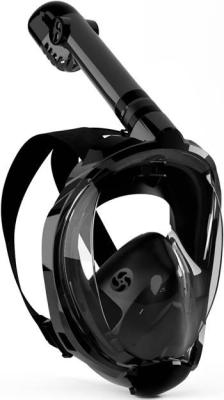
The U.S. Consumer Product Safety Commission is warning consumers to stop using OUSPT full-face snorkel masks immediately due to a drowning hazard. The full-face masks have a snorkel tube at the top center and OUSPT printed on the snorkel tube; they were sold in various colors.

The hazard

CPSC said the mask can cause consumers to experience labored breathing that may lead to loss of consciousness or excess fluid in the lungs, increasing drowning risk. The agency also warned the mask can cause increased levels of carbon dioxide, which can worsen breathing difficulty while in the mask.

What to do

CPSC urges consumers to stop using the OUSPT full-face snorkel masks and immediately dispose of them. Do not sell or give away these masks. If you experience breathing difficulties or symptoms after use, seek medical attention.

Company contact

CPSC asks consumers to report any incidents involving injury or product defect at www.SaferProducts.gov.

Source


Flameless candles warning highlights coin battery access

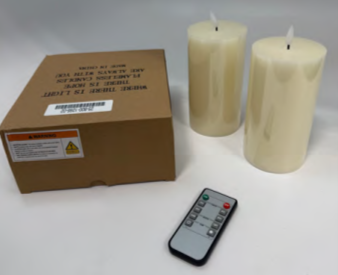
The CPSC is warning consumers to stop using Jolnyus LED flameless candle sets because a coin battery in the remote can be easily accessed by children, creating a potentially fatal ingestion hazard.

  • Specific hazard: A lithium coin battery in the remote control can be accessed by children, and required Reeses Law warnings are missing.
  • Scope/stats: Two-candle sets (about 6 inches tall) sold on Amazon.com from March 2024 through September 2025 for about $20.
  • Immediate action: Stop using the candles and dispose of the set; dispose of or recycle the coin battery following local hazardous-waste guidance.
Product

The U.S. Consumer Product Safety Commission is warning consumers to stop using Jolnyus LED flameless candle sets immediately due to a coin-battery ingestion hazard. The LED candles were sold in sets of two in ivory, and the packaging is marked volnyus, according to the notice.

The hazard

CPSC said the lithium coin battery in the remote control can be accessed easily by children, creating a serious ingestion hazard. The agency also said the candle sets and remote control do not include required warnings under Reeses Law. Swallowed button cell or coin batteries can cause severe internal chemical burns and death.

What to do

CPSC urges consumers to stop using the LED flameless candle sets immediately and dispose of them. Do not sell or give away these hazardous products. The coin battery in the remote controls should be disposed of or recycled in accordance with local hazardous-waste procedures.

Company contact

CPSC asks consumers to report any incidents involving injury or product defect at www.SaferProducts.gov.

Source


Magnetic stick figure toys pose ingestion hazard

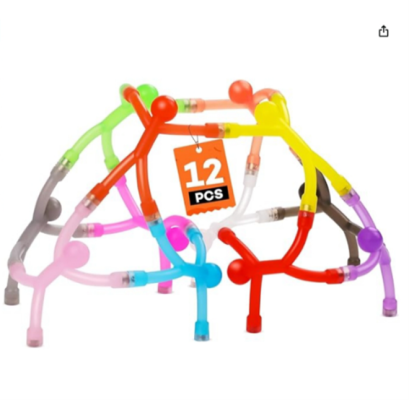
The CPSC is warning consumers to stop using TOP MAGNETS Magnetic Men sets because detachable high-powered magnets can be swallowed and cause severe internal injuries.

  • Specific hazard: Detachable magnets are stronger than permitted and small enough to be swallowed, risking intestinal perforation and death.
  • Scope/stats: Sets of 12 flexible stick figures sold online at Amazon.com from June 2024 through October 2025 for about $9, and possibly by third-party sellers elsewhere.
  • Immediate action: Stop using the toys immediately and dispose of them; do not resell or give them away.
Product

The U.S. Consumer Product Safety Commission is warning consumers to stop using TOP MAGNETS Magnetic Men stick figure toy sets immediately. The sets include 12 flexible silicone stick figures in various colors, each with four small magnets in the hands and feet.

The hazard

CPSC said the figures arms and legs with magnets can detach when pulled. The toy sets contain stronger-than-permitted magnets that fit within CPSCs small parts cylinder and violate mandatory toy safety standards. If high-powered magnets are swallowed, they can attract inside the body, causing intestinal perforations, twisting, blockage, blood poisoning, and death.

What to do

CPSC urges consumers to stop using the magnetic stick figure toy sets immediately and dispose of them. Do not sell or give away these hazardous magnetic toy sets. If you suspect a magnet has been swallowed, seek emergency medical care immediately.

Company contact

CPSC asks consumers to report any incidents involving injury or product defect at www.SaferProducts.gov.

Source


Miss Vickies chips alert for undeclared milk

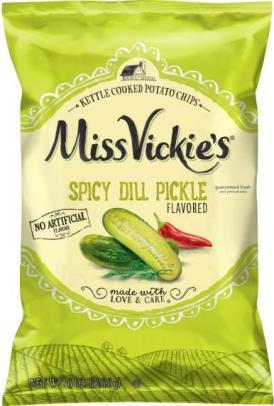
Frito-Lay issued a voluntary allergy alert for certain Miss Vickies Spicy Dill Pickle Potato Chips because the product may contain undeclared milk.

  • Specific hazard: Undeclared milk allergen can trigger serious or life-threatening allergic reactions in sensitive consumers.
  • Scope/stats: Affected product distributed in Arkansas, Louisiana, Mississippi, New Mexico, Oklahoma, and Texas; identified by UPC 0 28400 761772 and a Guaranteed Fresh date of 21 APR 2026 (manufacturing codes 38U3014144, 8U101514).
  • Immediate action: Do not eat the chips if you have a milk allergy; discard the product and contact the company for assistance.
Product

Frito-Lay is alerting consumers to a voluntary allergy issue involving Miss Vickies Spicy Dill Pickle Potato Chips due to undeclared milk. The FDA notice says people with an allergy or severe sensitivity to milk could face a serious or life-threatening reaction if they eat the product.

The hazard

Milk is a major food allergen, and undeclared milk in packaged foods can cause reactions ranging from hives and swelling to anaphylaxis in highly sensitive individuals. The notice specifically warns that those with a milk allergy or severe sensitivity are at risk if they consume the affected chips.

What to do

Consumers with a milk allergy or sensitivity should not consume the product. Discard the chips immediately and contact Frito-Lay through the Miss Vickies Contact Us page or by phone for next steps.

Company contact

Call 1-877-984-2543.

Source


Rhino Choco VIP 10X recalled for drug ingredient

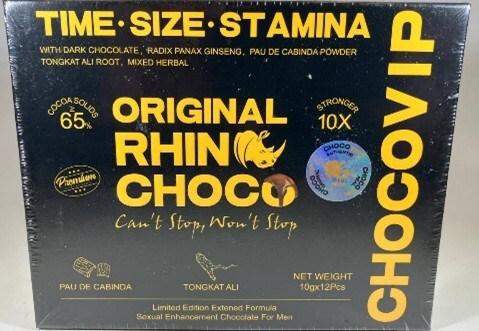
USA LESS Co. is recalling Rhino Choco VIP 10X because it contains undeclared tadalafil, which can dangerously interact with certain prescription medications.

  • Specific hazard: Undeclared tadalafil may interact with nitrates (such as nitroglycerin) and lower blood pressure to dangerous levels.
  • Scope/stats: Product sold in retail stores and through online sites; identified by UPC 724087947668 and expiration date 10/2027.
  • Immediate action: Stop using the product and return it to the place of purchase for a full refund.
Product

USA LESS Co. is recalling Rhino Choco VIP 10X after testing found an undeclared drug ingredient, tadalafil. The FDA warning notes the ingredient can create serious health risks, especially for consumers taking nitrate medications often prescribed for heart-related conditions.

The hazard

Tadalafil can interact with nitrates found in some prescription drugs, including nitroglycerin, and may cause a dangerous drop in blood pressure. The FDA also notes that people with diabetes, high blood pressure, high cholesterol, or heart disease often take nitrates, which increases the risk of a harmful interaction if they use the recalled product.

What to do

Consumers should stop using Rhino Choco VIP 10X. Those who purchased the product from usaless.com are urged to return it to the place of purchase for a full refund. If you have health concerns or think you experienced an adverse reaction, contact a health care provider.

Company contact

Call 1-800-872-5377 or email This email address is being protected from spambots. You need JavaScript enabled to view it..

Source


Savannah Bee sauce recalled for undeclared allergens

Savannah Bee Company is recalling Honey BBQ Sauce-Mustard because it may contain undeclared wheat and soy, posing a serious allergy risk.

  • Specific hazard: Undeclared wheat and soy can trigger serious or life-threatening allergic reactions.
  • Scope/stats: Distributed nationwide to distribution centers, retail stores, and consumers; identified by batch code B1L1360525, Best Before 05/16/27, UPC 8 50033 93758 9.
  • Immediate action: Do not consume the product if you have wheat or soy allergies; dispose of it and request a refund.
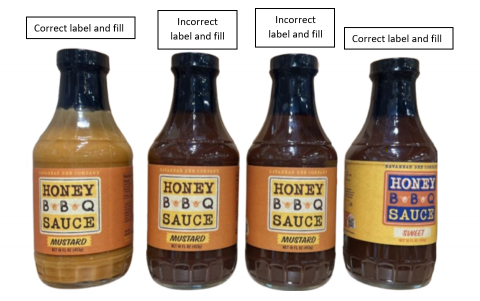
Product

Savannah Bee Company is recalling its Honey BBQ Sauce-Mustard because the product contains undeclared wheat and soy. The FDA notice warns that consumers with wheat or soy allergies or severe sensitivities could face serious or life-threatening reactions if they eat the sauce.

The hazard

Wheat and soy are common allergens, and undeclared ingredients can cause reactions that range from mild symptoms to anaphylaxis. The recall is aimed at preventing exposure for consumers who rely on ingredient labels to avoid these allergens.

What to do

Consumers who have purchased the recalled Honey BBQ Sauce-Mustard should not consume it if they have a wheat or soy allergy or sensitivity. Dispose of the product and request a full refund, using the identifying codes on the label to confirm it matches the recalled batch.

Company contact

Customer Service at 800-955-5080.

Source


Ajinomoto expands recall after possible glass contamination

Ajinomoto Foods North America expanded a nationwide recall of chicken and pork fried rice, ramen, and shu mai products due to possible glass contamination linked to a vegetable ingredient.

  • Specific hazard: Possible foreign matter contamination (glass) that could cause mouth injuries or internal harm if consumed.
  • Scope/stats: Products with establishment numbers P-18356, P-18356B, or P-47971 produced Oct. 21, 2024, to Feb. 26, 2026, with best-by dates Feb. 28, 2026, through Aug. 19, 2027; sold nationwide and exported to Canada and Mexico.
  • Immediate action: Do not eat the affected products; throw them away or return them to the place of purchase.

Ajinomoto Foods North America, Inc. has expanded a recall covering chicken and pork fried rice, ramen, and shu mai products due to possible foreign matter contamination, specifically glass. FSIS said the establishment determined that a vegetable source ingredient, carrots, was the likely source of the contamination.

The hazard

Foreign matter such as glass in prepared foods can cause injuries to the mouth, throat, and digestive tract, and may require medical treatment if swallowed. FSIS categorized the event as Class I (high or medium risk), reflecting the potential severity of harm if contaminated product is consumed.

What to do

Consumers should check their freezers for the affected products and confirm establishment numbers and date ranges. FSIS urges consumers not to consume the recalled items; instead, throw them away or return them to the place of purchase. If you believe you were injured after eating the product, seek medical attention.

Company contact

Consumer Affairs, Ajinomoto Foods North America, at (855) 742-5011 or email This email address is being protected from spambots. You need JavaScript enabled to view it..

Source


Beef jerky alert for undeclared soy allergen

FSIS issued a public health alert for certain ready-to-eat beef jerky products due to misbranding and a possible undeclared soy lecithin allergen.

  • Specific hazard: Products may contain soy lecithin (a known allergen) that is not declared on the label.
  • Scope/stats: Punahele Jerky Company products with establishment number EST. 2625 and best-by dates Feb. 17, 2027 or prior; distributed to retail stores in Hawaii and sold online nationwide.
  • Immediate action: Do not eat the products if you have a soy allergy; throw them away or return them to the place of purchase.

FSIS issued a public health alert for ready-to-eat beef jerky products from Punahele Jerky Company, Inc., including Dried Hawaiian Style Beef Crisps (Original Salt & Pepper), Uncle K's Beef Crisps, and Kilauea Fire Spicy Beef Crisps. The alert cites misbranding because the products may contain soy lecithin that is not listed on the label.

The hazard

Soy is a major food allergen, and undeclared soy ingredients can cause allergic reactions that may become severe or life-threatening in sensitive individuals. FSIS said there have been no confirmed reports of adverse reactions related to consumption of these products, but the agency issued the alert to warn consumers who may still have the items.

What to do

Consumers should not consume the affected ready-to-eat beef jerky products, particularly anyone with a soy allergy or sensitivity. FSIS recommends throwing the products away or returning them to the place of purchase. If you believe you had an allergic reaction, seek medical attention and report the issue to appropriate authorities.

Company contact

Sabrina Vaughn, Food Safety and QA Compliance Officer, at 808-961-0877; or contact the USDA Meat and Poultry Hotline at 888-674-6854.

Source


Posted: 2026-03-06 18:04:56

Get Full News Story On Consumer Affairs


Listen to this article. Speaker link opens in a new window.
Text To Speech BETA Test Version.


More News From This Category
Consumer News: Amazon’s return policy explained: What you can send back — and how to avoid costly mistakes
Thu, 30 Apr 2026 01:07:07 +0000

The fine print most Amazon shoppers miss

By Kyle James of ConsumerAffairs
April 29, 2026
  • Most items come with a 30-day return window, but the exact rules can vary depending on the product category and whether its sold by Amazon or a third-party seller.

  • Returns arent always free you may pay shipping or see deductions if youre returning something you simply dont want, especially with third-party sellers.

  • Start your return early and keep all packaging and accessories to avoid delays, extra fees, or reduced refunds once the item is inspected.


Shopping with Amazon is convenient, but returns can get a little confusing.

Between different return windows, seller rules, and occasional fees, its not always as simple as free returns, no questions asked. But once you understand how their system works, returning items (and avoiding unnecessary costs) becomes much easier.

Heres a full breakdown of Amazons return policy, along with some practical tips to make it work in your favor.

The basics: Most items have a 30-day return window

For the majority of items sold and fulfilled by Amazon, you have 30 days after delivery to return them.

That includes:

  • Electronics
  • Clothing and shoes
  • Household items
  • Most third-party seller items (but not all more on that below)

Refunds are typically issued to your original payment method once the item is received and processed.

Start your return as soon as you know something isnt right. You dont need to ship it back immediately, but by initiating the return, it locks in your eligibility and you dont have to worry about missing the return window.

Pro tip: Dont ignore Amazons extended holiday return policy. Every year, items purchased between November 1 and December 31 can be returned through January 31 of the following year. This makes it much easier to shop early for the holidays, since gift recipients still have plenty of time to return or exchange items after the season ends.

Not everything follows the same rules

This is where many Amazon shoppers get tripped up.

Some items have different return windows or restrictions, including:

  • Apple products: 15 days
  • Amazon Haul items: 15 days
  • Digital content (books/music): Seven days (if not used/downloaded)
  • Amazon Renewed:
    • 90 days (standard)
    • 365 days (Premium condition)
  • Wedding registry gifts: 180 days
  • Baby registry items: 365 days
  • Holiday purchases: Extended (often until late January)

Non-returnable items include:

  • Gift cards
  • Downloadable software
  • Perishable groceries
  • Some personal care items
  • Live plants, insects, or hazardous materials

Always check the Return Policy section on the product page before buying.

Pro tip: If youre buying a gift or something seasonal, double-check the return window, as it may be shorter than you expect.

Third-party sellers: Read the fine print

Its important to keep in mind that not everything on Amazon is sold by Amazon itself.

Items sold by third-party sellers may have:

  • Different return policies
  • Restocking fees
  • Buyer-paid return shipping

Most sellers follow Amazons general guidelines, but theyre allowed some flexibility.

Action step: Look for Sold by and Fulfilled by on the product page. When you see Fulfilled by Amazon you know that returns will be easier.

Are Amazon returns really free?

Often returns are completely free with Amazon, but not always.

Free returns typically apply when:

  • The item is defective
  • The wrong item was sent
  • The item arrived damaged

But if youre returning something because you changed your mind, it didnt fit, or you no longer want it, youll typically have to pay return shipping or see a small deduction from your refund.

When selecting a return reason, always be accurate, but also understand that some reasons may trigger fees.

How to return an item (step-by-step)

  1. Go to Your Orders
  2. Select the item and click Return or Replace
  3. Choose a return reason
  4. Select your refund method
  5. Choose how youll send it back

Youll then get:

  • A QR code (no box or label needed at some locations)
  • Or a printable return label

Return options: More convenient than ever

Amazon has expanded their return drop-off options significantly.

When you initiate your return, youll be told what your options are in your area.

You can return items at:

  • The UPS Store
  • FedEx Office
  • Kohl's
  • Staples
  • Whole Foods Market
  • Other grocery stores in your area (I have a Save Mart in my town that now takes Amazon returns via a kiosk.)

Many of these locations:

  • Pack the item for you
  • Dont require a box
  • Accept QR codes

Pro tip: Choose the no box, no label option whenever possible, as its the fastest and easiest.

Watch out for restocking fees

In some cases, Amazon may charge a restocking fee, especially if:

  • The item is returned used or damaged
  • Parts or packaging are missing
  • You return it outside the policy guidelines

Action step: Its very smart to keep original packaging and accessories until youre sure youre keeping the item.

Return-less refunds: When you keep the item

Sometimes Amazon will tell you to keep the item and they'll still refund you your money.

These return-less refunds usually happens when:

  • The item is low-cost
  • Return shipping would cost more than the item
  • Theres a quality issue

Youll be told to keep it, donate it, or to discard the item. Ive also had it happen on items that contain liquids or are health related. In most cases, Amazon doesnt want them back, as theyd have to throw them away.

This isnt something you can request, so its not worth trying to game the system to try and get free stuff. But rather, its automatically determined by Amazons internal system.

Common mistakes that cost you money

Even experienced shoppers make these mistakes when it comes to Amazons return policy:

  • Waiting too long:If you miss the return window, you may be stuck with the item.

Pro tip: Ive found that if you start a live chat and apologize that you're late on your return, theyll typically make an exception and let you return the item. This is especially the case if the item is still brand new and youre only seven to 14 days past the 30-day window.

  • Throwing away packaging too soon:Missing boxes or parts can potentially reduce your refund.
  • Not checking seller policies:Those third-party returns can be stricter, so make sure whos fulfilling your order before youcomplete checkout.

You definitely can abuse their policy

If youre returning a large percentage of what you buy, Amazon is going to notice. At some point, they can flag your account and temporarily block you from making additional returns.

The same goes for starting returns and never actually sending the item back. Do it enough times, and it can raise red flags.

Behind the scenes, Amazon tracks something called your concessions limit. I was told this is essentially a threshold amount they assign based on your return and refund history. It could be a $500 threshold, or it could be closer to $1,000 Amazon keeps the actual amount close to their vest.

I was also told they have employees that review accounts and sets these limits for users who they think are pushing the policy too far. If you go over that limit, your account can get labeled for concession abuse.

In plain terms, that means if Amazon sees a pattern of frequent refunds, credits, or return-related requests, theyre not going to keep approving them.

Once youre flagged, future returns can be denied altogether, even if the request would normally qualify.

The good news is that you wont be blindsided. Amazon typically sends a warning email first before taking any action, which gives you a chance to course-correct.

How to avoid returns in the first place

The easiest way to win at returns is to avoid them altogether.

Before buying:

  • Read reviews carefully (especially recent reviews, as those tell you what the current version is like).
  • Always check sizing charts and product dimensions when available.
  • Be sure to look at any customer photos and videos that come from legit buyers.
  • Avoid too good to be true listings. Always trust your gut, if the deal seems to good to be true, it probably is.

What to do if your return is denied

If your return is rejected or your refund seems incorrect:

  1. Contact Amazon customer service
  2. Provide photos or documentation
  3. Escalate if needed

Amazon is generally customer-friendly, but you need to be sure to follow up.


Read More ...


Consumer News: Grocers caught overcharging for meat — here’s how to protect yourself
Wed, 29 Apr 2026 19:07:07 +0000

What to do when your steak costs more than it should

By Kyle James of ConsumerAffairs
April 29, 2026
  • Watch the unit price closely: Dont rely on the total, instead compare price per pound across similar meat packages to spot inconsistencies or red flags quickly.

  • Double-check weight when unsure: Use in-store scales (or compare similar packages) to catch obvious mismatches between labeled and actual weight.

  • Speak up and keep receipts: If something seems off, ask staff to reweigh it and request a refund.


A new investigation out of Canada found major grocery chains overcharging customers for underweight meat. The issue is that some packages appear to be priced with the packaging included in the weight, meaning shoppers are paying for plastic, not just food.

While this report focused on Canadian stores, the takeaway is just as relevant for U.S. shoppers. The fact of the matter is that pricing errors happen, and they can add up quickly, especially as food costs continue to rise.

In some cases, overcharges ranged from a few percentage points to nearly 17%. That might not sound like much, but on higher-priced items like meat, it can mean paying an extra dollar or more per package every time you shop.

Heres how to protect yourself and avoid overpaying.

Why this matters for U.S. shoppers

In both Canada and the U.S., grocery stores are required to price items based on net weight. This means the food only, not the packaging. But errors can still happen at multiple points in the process, from suppliers to in-store labeling.

If youve bought steak recently, you already know meat is one of the most expensive items in your cart. So even small discrepancies can hit your budget harder than you might think.

3 simple ways to avoid overpaying for meat

1. Check the price per poundnot just the total. Always look at the unit price (price per pound or per ounce). If something feels off, like a small package costing more than expected, youd be wise to pause and take a closer look.

Pro tip: Compare similar packages. If two packs look about the same size but clearly have different weights or prices on the tag, thats a red flag.

2. Use the in-store scale when possible

Many grocery stores (especially in the produce section) have scales customers can use. If youre unsure, quickly weigh your package, especially when buying more expensive cuts like rib-eye, filet mignon, and NY strip.

You dont need to be exact, but just by checking whether the number is noticeably off can help you catch issues.

3. Speak up and get a refund if needed

If you think youve been overcharged:

  • Bring it up to customer service
  • Politely ask them to reweigh the item
  • Request a refund or price adjustment

Most stores will correct the issue quickly, and some may even offer a refund bonus depending on local pricing accuracy laws.

Pro tip: Its smart to keep your receipt until youve checked your purchases at home, especially for higher-cost items like meat.

A smart shopper habit that pays off

One of the most effective habits is to spot-check your groceries occasionally.

You dont need to weigh everything, but checking once in a while:

  • Keeps stores accountable
  • Helps you spot patterns
  • Protects your budget over time

Read More ...


Consumer News: How electric vehicles could reshape household energy bills
Wed, 29 Apr 2026 19:07:06 +0000

New research shows EV adoption may lower fuel prices and strengthen U.S. energy security

By Kristen Dalli of ConsumerAffairs
April 29, 2026
  • Widespread EV adoption could cut U.S. household energy costs by more than 6% by 2035.

  • Reduced gasoline demand may lower prices at the pump even for non-EV drivers.

  • The shift could also reduce oil imports and boost U.S. energy exports.


Electric vehicles (EVs) are often framed as a personal choice one that benefits drivers willing to invest in newer technology. But new research suggests the ripple effects could extend far beyond individual car owners.

According to a study from Georgia Tech, putting more EVs on the road could actually lower energy costs across the board, including for people who still drive gas-powered cars.

The reasoning is fairly straightforward: when more drivers switch to electricity, demand for gasoline drops. That reduced demand can push down fuel prices, meaning even households without EVs may see savings. At the same time, the study points to broader national impacts, including improved energy security and shifts in how the U.S. participates in global energy markets.

Proponents of eliminating fuel efficiency standards and other EV-boosting policies often frame regulatory approaches as consumer-unfriendly, but our analysis shows that such policies have many long-term benefits, both for consumers and for the nations energy security, researcher Niraj K. Palsule said in a news release.

How researchers modeled the impact

To understand these potential effects, researchers used a version of the National Energy Modeling System a tool designed to simulate how energy is produced, consumed, and priced over time. Their version was tailored to better capture how different parts of the energy system interact with each other.

The study compared multiple policy scenarios between 2022 and 2035. One scenario assumed fewer incentives for EV adoption and weaker fuel efficiency standards. Another modeled a more moderate path forward, incorporating a mix of federal and state-level policies aimed at increasing EV use.

By running these side-by-side simulations, researchers were able to estimate how changes in vehicle technology and policy could influence fuel demand, electricity prices, and overall household energy spending over time.

What the study found

The results point to measurable, if gradual, economic benefits. By 2035, widespread EV adoption could reduce overall household energy bills by more than 6%, including over 4% savings on gasoline alone.

Lower demand for oil plays a key role here. The study estimates oil imports could fall by about 7%, while exports could increase by nearly 4%, shifting the U.S. further toward being a net energy exporter.

Interestingly, the savings arent limited to higher-income households or EV owners. Lower-income households many of whom may still rely on gas-powered cars could see slightly larger percentage savings on energy costs.

There are also secondary effects. As EV adoption grows, advances in battery technology could make energy storage cheaper and more efficient. That, in turn, may help stabilize or even slightly reduce electricity prices, offsetting concerns about increased demand on the grid.

Overall, the study suggests that the economic impact of EVs isnt just about what happens in your driveway its about how shifts in demand reshape the entire energy system.


Read More ...


Consumer News: That 'expiring points' text might be a scam
Wed, 29 Apr 2026 19:07:06 +0000

AI-powered texts are impersonating major brands to trick consumers into handing over personal information

By Kristen Dalli of ConsumerAffairs
April 29, 2026
  • Scammers are using AI to send convincing expiring rewards points texts that impersonate major brands like telecom companies and retailers

  • These messages create urgency and often link to fake websites designed to steal personal or financial information

  • Experts say the safest move is to ignore unexpected texts and check your accounts directly through official websites or apps


If youve recently gotten a text warning that your reward points are about to expire, youre not alone and you may want to think twice before clicking anything.

A new wave of is targeting consumers across the U.S. by posing as trusted brands and creating a false sense of urgency around loyalty rewards. These messages often look convincing, mimicking companies like major telecom providers or retailers, and push you to redeem now before its too late.

According to TrendLife, scammers are increasingly using artificial intelligence to generate highly personalized, brand-specific messages at scale. The result? Fraud attempts that are not only more frequent, but also much harder to spot.

ConsumerAffairs spoke with Marike Kuyper, Manager of Content Marketing and Education at TrendLife, and she explained how these are evolving, why rewards programs have become such a prime target, and what simple steps consumers can take to protect themselves.

What signs to look for

These operate in the same way. First, youll receive a text message claiming that your rewards points from a well-known brand are about to expire. The message will urge you to take immediate action, usually with a link to redeem points before theyre lost.

Kuyper explained that many scammers are pretending to be popular phone carriers in the U.S., like AT&T, Verizon, and T-Mobile. Its common to see messages that look like this: Your AT&T reward points expire today. Redeem now, or Final notice: your Verizon points are about to expire.

What makes these particularly effective is how familiar they feel, she said. Loyalty programs are part of everyday life, so these messages blend in easily.

Our researchers have observed campaigns timed to coincide with genuine loyalty program news cycles, so that when a consumer has vaguely heard something about points expiring, the scam text feels like confirmation rather than a red flag, creating manufactured credibility. Increasingly, these are also part of broader, multi-step campaigns where a simple text can lead to a fake website, additional messages, or even a follow-up call as attackers try to build trust and extract more information.

Other red flags to keep in mind

Like many , urgency is a key tactic. However, Kuyper highlighted several other warning signs to watch for:

  • Messages citing an exact point balance such as 11,430 rewards points remaining. Legitimate loyalty programs dont typically text you your precise point balance with a redemption link out of the blue.

  • Messages are about rewards programs that you dont actively use or track.

  • Links dont match the official domain of the brand (e.g. verizon.com, t-mobile.com, etc.).

  • There are requests for personal, login, or payment information to redeem points.

  • There are subtle inconsistencies in sender details or branding.

  • Being asked to continue the interaction on another platform, such as moving from SMS to a messaging app, website, or phone call

That last tactic, known as platform hopping, is increasingly common, Kuyper said. Scammers use platform hopping to extend the interaction across channels, making the experience feel more legitimate and reducing the chance a victim will recognize the fraud occurring.

How to protect yourself

To protect yourself against these , Kuyper recommends that consumers slow down and verify before acting. Here are some of her other tips for staying safe online:

  • Never click links in unsolicited messages

  • Go directly to the companys official website or app to check your account

  • Verify communications through trusted customer service channels

  • Never share personal or financial information via text

  • Use security tools, like Trend Micro ScamCheck, to identify and flag suspicious activity in real time


Read More ...


Consumer News: How to lower your internet bill without sacrificing speed
Wed, 29 Apr 2026 16:07:08 +0000

Stop overpaying for speed you dont actually need

By Kyle James of ConsumerAffairs
April 29, 2026
  • Audit your bill and pick the right speed:Check for expired promos, rental fees, and unused add-ons, and downgrade if youre paying for more speed than you need.

  • Shop around and negotiate:Compare providers (including options like Starlink), then call your provider and ask for a better rate using competitor pricing as leverage.

  • Cut extras and optimize your setup:Stop renting equipment, fix router placement, and watch for hidden fees to lower your bill without sacrificing performance.


Internet has become one of the more expensive non-negotiables in the average household budget. Between rising base rates, equipment fees, and confusing plan tiers, many people are overpaying (often by $20 to $80 a month) without realizing it.

The good news is you dont have to settle for slower speeds to save money. In fact, most savings come from smarter choices, not necessarily cutting performance.

Heres a step-by-step, actionable guide to lowering your internet bill while keeping the speed you actually need.

Start with a quick bill audit

Before making any changes, its smart to take 10 minutes and do an audit of your current internet bill.

Look for the following things:

  • Expired promotional pricing
  • Equipment rental fees ($10$20/month)
  • Add-ons like security packages or streaming bundles
  • Taxes and mystery fees on your bill

Most people discover theyre paying for at least one thing they dont need sometimes a couple things.

Pro tip: If your bill recently increased, its likely because a promo expired. Thats theleverage you need to call and negotiate a lower bill. If you make the cancel call, many companies will extend the promoto keep you on as a paying customer.

Choose the right speed (not the highest one)

One of the biggest ways people overpay is by choosing faster speeds than they actually use or need.

Heres a realistic breakdown:

  • 50100 Mbps: Light use, streaming, browsing
  • 100250 Mbps: Families, multiple devices
  • 2501000 Mbps: Heavy users, gamers, remote work

Many households paying for high speeds could downgrade and save moneywithout noticing a difference.

Run a speed test during peak hours in the evening. If youre not maxing out your plan, youre definitely overpaying.

Pro tip: Stability matters more than raw speed. A reliable 200 Mbps connection often feels faster than a spotty 1 Gbps plan.

Shop around theres more competition than ever

Even if you think you only have one provider available in your area, check again.

Your options may often include:

  • Cable or fiber
  • 5G home internet
  • Fixed wireless
  • Satellite providers like Starlink

Whats especially notable right now is how Starlink has evolved. For years, satellite internet was known for being expensive and limited. But thats changing.

Starlink now offers multiple residential tiers starting at $50/month, with higher tiers scaling up depending on speed and priority. That shift from a single premium plan, to more flexible pricing, is honestly refreshing to see. It shows that even newer providers are starting to compete on affordability, not just performance.

Even if Starlink isnt the right fit for you, that kind of pricing pressure is helping push the entire market in a better direction.

Pro tip: Take screenshots of competitor pricing before you call your current provider and use that as your ammo when calling to negotiate a lower bill.

Call and negotiate your bill

This is the most overlooked step, yet the one that delivers the biggest savings.

Call your provider and say:

Ive been reviewing my bill and comparing options. Id like to stay, but I need a better rate.

Ask for:

  • Promotional pricing
  • Loyalty discounts
  • Plan adjustments
  • Fee waivers

Be sure to mention competitor pricing (especially the $50/month 100 Mbps package from Starlink) and how youre considering switching unless you can get better pricing. That offer alone can unlock better deals and pricing.

If you don't get anywhere with the first person you speak with, be sure to ask for the retention (or loyalty) department as they usually have more flexibility to offer you a discount.

Stop renting equipment

Rental fees are one of the easiest costs to eliminate.

Typical charges:

  • Modem: $10$15/month
  • Router: $5$10/month

Thats up to $300+ over time.

Instead, buy your own modem/router (usually $100$200 total), but be sure to check compatibility with your provider before you do.

Youll also notice that a good router often performs better than what your provider gives you.

Fix your setup before upgrading your plan

Slow internet isnt always your monthly plan's fault. Often, its your setup thats the problem.

Try this first before calling:

  • Move your router to a central location
  • Keep it elevated and unobstructed
  • Avoid placing it behind walls or inside cabinets
  • Use a mesh system for larger homes

A $100 mesh system can solve dead zones and is often much cheaper than upgrading your plan.

Watch for hidden fees

Even a cheap plan can balloon with fees.

Common ones include:

  • Broadcast TV fees
  • Regional sports fees
  • Data overage charges
  • Installation fees

Always ask: Whats the all-in monthly cost?

Pro tip: Internet pricing isnt static and neither should your bill be.

Set a reminder every 12 months to:

  • Review your plan
  • Compare competitors
  • Renegotiate

Pro tip: Treat your internet bill like a subscription it needs regular check-ins.

The bottom line

Lowering your internet bill isnt about settling for less, its about being intentional with what youre willing to pay for your exact needs.

The biggest wins come from:

  • Choosing the right speed.
  • Negotiating your rate.
  • Eliminating unnecessary fees.
  • Taking advantage of growing competition.

And that competition is finally working in your favor. Seeing providers like Starlink introduce more flexible, lower-cost tiers is a clear sign that things are shifting, and thats good news for your wallet.

Spend an hour on this today, and you could save hundreds over the next year, without sacrificing the speed you rely on every day.


Read More ...


Related Bing News Results
Consumer Reports investigation: Home hair dye kits
Wed, 29 Apr 2026 17:04:00 GMT
Consumer Reports investigation: Home hair dye kits ...

Consumer Reports investigation: Energy drinks risky for teens
Wed, 29 Apr 2026 10:01:00 GMT
Energy drinks are colorful, sweet, and hugely popular with teens. But they come with an important warning for parents. A new Consumer Reports investigation finds what’s inside those drinks may be more ...

What's inside those popular energy drinks teens consume
Mon, 27 Apr 2026 10:14:00 GMT
Consumer Reports says many drinks double the daily caffeine limit recommendation ...

Parents should keep an eye on what energy drinks their teens are drinking
Mon, 27 Apr 2026 08:12:00 GMT
Energy drinks are everywhere these days. Many of them look like sports hydration drinks and taste like candy. “They have flavors like Jolly Rancher flavor and sour gummy worms," said Consumer Reports ...

consumer reports
Thu, 23 Apr 2026 03:11:00 GMT
Eken Group has issued a firmware update to resolve major security issues with its doorbell cameras that were uncovered by Consumer Reports. The cameras are sold under the brands Eken, Tuck, Fishbot, ...


Blow Us A Whistle


Related Product Search/Búsqueda de productos relacionados

Amazon Logo

Visit Our New Print-On-Demand Stores On Printify and Zazzle
Printify Zazzle





