Holiday scam season is here heres what to watch for
 of ConsumerAffairs
-
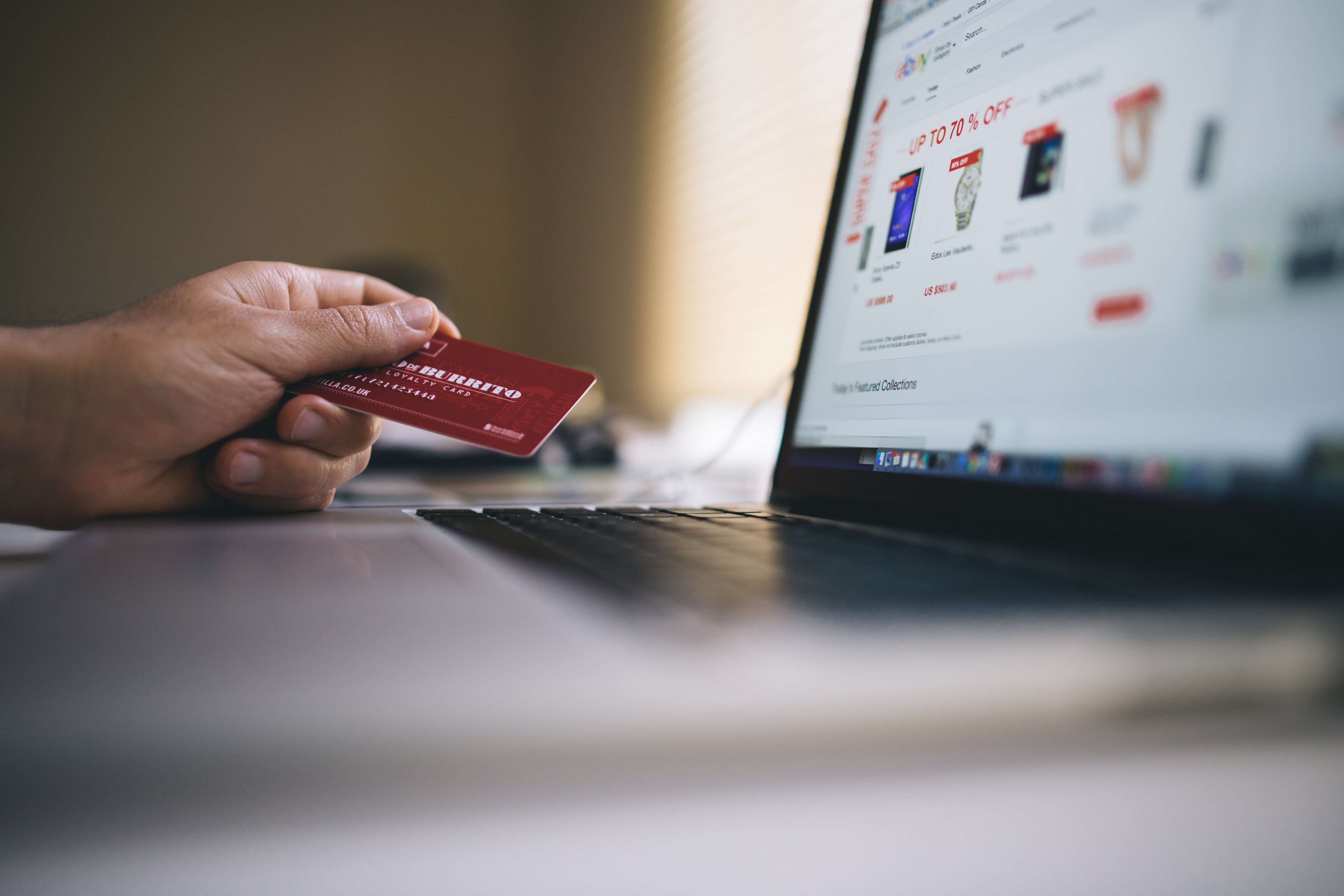
Online purchase remain one of the riskiest threats for shoppers this season
-
Holiday gift exchange posts on social media often hide illegal pyramid schemes
-
Fake toll texts, shady holiday apps, and bogus gift-card offers are surging
Weve all been conditioned to be wary of imposter and those fake job offers that show up as texts on a seemingly daily basis. But as holiday shopping ramps up, so do the holiday-focused designed to separate consumers from their money, personal data, and holiday cheer.
ConsumerAffairs is seeing increased reports of misleading ads, phishing attempts, fake gift offers, and even bogus Santa apps all aimed at exploiting seasonal excitement and stress.
Below are some of the most common schemes emerging this year, along with tips on how to stay safe.
1. Misleading social media ads
If youve noticed an uptick in catchy ads for too-good-to-be-true products on Facebook, Instagram, or TikTok, youre not alone. Consumer advocates say complaints continue to pour in from shoppers who:
-
Paid for items that never arrived
-
Were enrolled in hidden monthly subscriptions
-
Received counterfeit or poor-quality knockoffs
These schemes are rampant. The 2024 BBB Scam Tracker Risk Report found online purchase were the fourth riskiest scam of the year.
How to protect yourself:
-
Research companies before you buy
-
Look for verified reviews (not just comments on the ad)
-
Avoid deals that require payment through Zelle, Venmo, or wire transfer
2. Social media gift exchanges still a pyramid scheme
What started years ago as the Secret Sister chain letter has mutated into dozens of digital variations: wine exchanges, bourbon swaps, $10 gift chains, pay-it-forward money lists, and even a Secret Santa Dog version for pet lovers.
No matter the theme, they share two problems:
-
They collect personal information not just yours, but your friends and familys
-
Theyre illegal pyramid schemes, meaning most participants lose money
The promise of getting dozens of gifts in return for sending one is mathematically impossible and the people behind these posts often harvest personal data along the way.
3. Holiday apps aimed at kids
Parents may download apps that let children video-chat Santa or track his sleigh, but not all of these festive-looking tools are harmless. Some free apps contain:
-
Excessive advertising
-
Data tracking buried in privacy policies
-
Malware disguised as holiday entertainment
Before installing, check reviews and read what information the app collects. Be especially cautious with free apps targeted at kids.
4. Fake toll collection texts
With more people logging road miles to visit family, scammers are sending texts impersonating state toll agencies. The message typically claims you owe a small fee and includes a link to pay now.
Clicking the link may expose your financial data or install malware.
What to do:
If you think you may have missed a toll, go directly to your states legitimate tolling website never through a texted link.
5. Free gift card offers that arent free
Everyone loves the word free, and scammers know it. Fraudsters are blasting out emails, pop-ups, and text messages that impersonate recognizable retailers and promise:
-
Free gift cards
-
Loyalty-customer rewards
-
Randomly selected prizes
In reality, these messages are designed to capture personal information or lure you into clicking malicious links.
If you receive one:
-
Mark the email as spam and delete it
-
If you already opened it, dont click anything
-
Never share personal details to claim a gift
Holiday cheer shouldnt come with a side of identity theft or financial loss. Staying skeptical of unsolicited texts, viral social media posts, and unusually generous offers can help keep the season merry and your personal information safe.
Posted: 2025-12-03 14:29:43