

Rockin Robin SongFlying The Web For News.
RobinPost Logo Amazon Prime Deals


Consumer Daily Reports

Sunscreen is vital in preventing deadly melanoma but regulations have held back the newest versions in the U.S.

By James R. Hood of ConsumerAffairs
December 8, 2025
  • A new law is intended to speed up introduction of advanced sunscreens in the United States
  • The U.S. has fallen behind other countries because of delays in approving new ingredients, critics say
  • Sunscreenis vital to protect against melanoma and other skin cancers

It. may be cold and overcast where you are now but, sooner or later, the sun will come blazing back and when it does, anew U.S. law aims to bring American sunscreen standards into the 21st century, potentially ending decades of stagnation in the ingredients available to consumers. While the legislation promises faster review of ultraviolet (UV) filters and improved labeling requirements, experts say the move mainly allows the U.S. to catch up to countries that have spent years using more advanced and effective sunscreen technologies.

For now, the gap is real. Europe, Asia, and Australia all approve UV filters that offer stronger, more stable protection against UVA radiation, the wavelength most responsible for premature skin aging and a major contributor to melanoma. Several of these filters including Tinosorb S, Tinosorb M, Mexoryl XL, and Uvinul A Plus have been in overseas products for more than a decade, yet remain unavailable in American sunscreens.

American consumers simply havent had access to the best UV protection science can offer, said one dermatology researcher involved in FDA advisory work. This law doesnt magically bring those ingredients here overnight, but it makes it much more likely they will eventually be approved.

The new law grew out of legislation introduced by U.S. Senators Maggie Hassan (D-NH) and Roger Marshall (R-KS). It requires the U.S. Food and Drug Administration (FDA) to modernize its process for reviewing and approving new sunscreens, helping Americans access sun protection products that have been safely used in other countries for years.

For too long, outdated regulations have prevented Americans from accessing the same safe and effective sunscreen products available in other countries,said Senator Hassan. Now, the FDA will finally update its approval process so that American manufacturers can produce modern, user-friendly sunscreens and American families can benefit from the sun protection options that have been safely used around the world for years. Im glad that we were able to work across the aisle to get this done.

Why the U.S. fell behind

Unlike Europe and Asia, which treat sunscreens largely as cosmetics, the U.S. regulates them as over-the-counter drugs. That classification requires additional safety data and longer review times. As a result, no new UV filter has been approved in the U.S. since the 1990s a startling reality in a world where skin cancer rates continue to rise.

The new law instructs the FDA to modernize and streamline its review framework, create clearer pathways for evaluating long-used international filters, and update broad-spectrum testing to better measure UVA protection. Consumer advocates say these steps are essential, given how central UVA exposure is to skin damage.

People assume a high SPF number means complete protection, said a spokesperson for the American Academy of Dermatology. But SPF mainly measures UVB the rays that cause sunburn. Many U.S. sunscreens still offer weak UVA defense compared to products available abroad.

What other countries are doing better
Photo

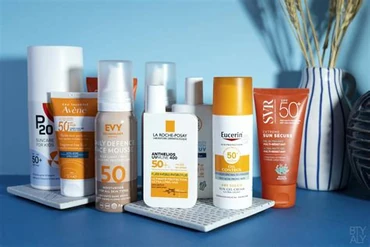
In the European Union, manufacturers can choose from more than 30 approved UV filters nearly double whats permitted in the U.S. allowing them to formulate sunscreens that are both cosmetically elegant and highly protective. Asias beauty markets, especially Japan and South Korea, emphasize lightweight, transparent formulas with strong UVA ratings using the PA system (PA++ to PA++++).

Australia, which has some of the worlds highest skin cancer rates, enforces some of the strictest sunscreen regulations globally. Its public-health campaigns have helped drive adoption of high-SPF, high-UVA products that have shown measurable impact on reducing melanoma incidence.

With this much innovation abroad, U.S. dermatologists and cancer-prevention groups have been pressing regulators to act for years.

Melanoma risk remains high

Melanoma is the deadliest form of skin cancer, and UV exposure is responsible for roughly nine out of ten cases. While early detection has improved survival rates, incidence continues to climb in the United States.

A long-term Australian study found that daily sunscreen use reduced melanoma rates by about 50%, a figure often cited by cancer-prevention advocates. Many of the formulations used in high-sunlight regions feature robust UVA filters that help prevent not just cancer, but also photoaging and other UV-linked skin disorders.

In addition to melanoma, basal cell carcinoma and squamous cell carcinoma far more common but usually less deadly are also tightly linked to UV exposure. UVA rays, which penetrate deeper into the skin, are thought to play a major role in cumulative DNA damage.

What the new law means for consumers now

Consumers wont see immediate changes on store shelves. The FDA must issue new guidance and begin evaluating pending UV filter applications before next-generation sunscreens can be marketed. Industry groups say the research is already available for many of the filters used abroad, meaning the potential pipeline could move quickly once the framework is in place.

In the interim, dermatologists recommend that consumers continue using broad-spectrum sunscreens with SPF 30 or higher ideally mineral sunscreens (zinc oxide or titanium dioxide) for stronger UVA coverage and reapply every two hours when outdoors.

This is an important regulatory milestone, said the AAD spokesperson. But for meaningful public-health impact, we need high-performance filters, accurate labeling, and consumer education. Sunscreen only works if people understand how and when to use it.

The bottom line: Better sunscreens are coming, and the U.S. may finally join the rest of the world in offering the full range of UV-filter technology. But until the new system is in place, consumers should stay vigilant and informed about what their sunscreen can (and cant) do.


Consumer Guide How to pick a sunscreen today

Even with regulatory changes coming, heres how to choose the best protection right now.

1. Look for Broad Spectrum

This ensures the product protects against both UVB (sunburn) and UVA (aging, long-term skin damage). UVA protection is where U.S. sunscreens often fall short, so broad spectrum is non-negotiable.

2. Minimum SPF 30

SPF 30 blocks about 97% of UVB rays. Higher SPFs offer marginally more protection but help compensate for under-application a common problem.

3. Consider mineral sunscreens for stronger UVA coverage

Mineral filters:

  • Zinc oxide offers the broadest spectrum of UV protection available in U.S.-approved filters.

  • Titanium dioxide helps but doesnt cover UVA-1 as well.
    Minerals are especially good for sensitive skin, kids, and people seeking robust UVA defense.

4. If using chemical sunscreens, look for these ingredients

While the U.S. lacks the advanced UVA filters used abroad, you can still maximize whats available. Prioritize formulas containing:

  • Avobenzone (UVA protection; works best when stabilized with octocrylene)

  • Meradimate (moderate UVA coverage)

Avoid relying solely on octinoxate, homosalate, or octisalate these mainly protect against UVB.

5. Choose a formula youll actually use

The best sunscreen is the one youre willing to apply generously and reapply often. Gels, milks, sticks, sprays, and hybrids all work when applied properly.

6. Reapply every two hours (or after swimming/sweating)

Most users apply too little sunscreen and forget reapplication. A shot-glass amount for the body and a nickel-sized amount for the face is a good rule of thumb.

7. Dont Forget Physical Barriers

Hats, sunglasses, UPF clothing, and shade can dramatically reduce UV exposure. Sunscreen should be your last line of defense, not the only one.


Posted: 2025-12-08 01:57:28

Get Full News Story On Consumer Affairs


Listen to this article. Speaker link opens in a new window.
Text To Speech BETA Test Version.


More News From This Category
Consumer News: Travel are surging this summer: How to protect your money before you book
Fri, 26 Jun 2026 01:07:07 +0000

A few simple steps can keep your getaway scam-free

By Kyle James of ConsumerAffairs
June 25, 2026
  • Travel are rising: AI-powered fake booking sites, phishing emails, and impersonation are making fraud harder to spot than ever.

  • Watch for red flags: Fake vacation rentals, lookalike travel websites, and "too-good-to-be-true" deals are among the most common this summer.

  • Book smart: Reserve directly with travel providers, pay with a credit card, and verify any emails, texts, or calls through the company's official website before taking action.

Summer travel season is in full swing, and unfortunately, so are the scammers.

A new report highlighted by Travel + Leisure found that more than 40% of Americans have fallen victim to an online scam, with travel-related fraud becoming increasingly sophisticated thanks to AI-generated content, fake booking websites, phishing messages, and impersonation .

The problem isn't just that scammers are becoming more active. They're becoming harder to spot.

Today's fraudsters can create realistic-looking websites, convincing emails, professional social media ads, and even fake customer service operations that mimic legitimate travel brands. Experts say many travelers are being caught off guard because the often appear to come from companies they already trust.

Here's what travelers need to know before booking their next trip.

Why travel are exploding

Travel is expensive right now. Airfares, hotels, and vacation rentals remain costly, which means consumers are actively searching for deals. Scammers know this.

According to research from cybersecurity company McAfee, many travelers admit they feel pressure to book quickly when they find a good price. That urgency creates the perfect environment for fraud. Roughly one-third of travelers say they would book a cheaper deal before fully verifying it was legitimate.

Add artificial intelligence into the mix, and become even more convincing. AI can generate realistic emails, fake reviews, polished websites, and customer service messages that look nearly identical to the real thing.

The most common travel right now

  • Fake vacation rentals: This remains one of the oldest and most effective travel . Criminals steal photos from legitimate listings and create fake rental properties on websites, social media, or classified platforms. Travelers pay deposits or full booking amounts only to discover the property doesn't exist.

  • Fake booking confirmations: Scammers send emails or text messages claiming there's a problem with a reservation, payment, or account verification. The message often creates urgency and directs travelers to click a link or enter payment information. Some even include real reservation details, making them appear legitimate.

  • Lookalike travel websites: Fraudsters build websites that closely resemble major airlines, hotel chains, or booking platforms. A slight misspelling in the web address may be the only clue that something is wrong. Travelers think they're booking directly with a trusted company when they're actually handing over payment information to criminals.

  • Fake customer service numbers: Some scammers buy online ads or manipulate search results so their phone number appears when travelers search for airline or hotel customer support on Google. Once connected to the scammer via a phone call, victims may be tricked into sharing credit card information or paying bogus fees.

Pro tip: Also avoid logging into your banking apps while using any public Wi-Fi networks at airports or hotels. Any banking you need to do can wait until youre on a secure network.

Five ways to protect yourself

  1. Book directly whenever possible: Whenever possible, book through the airline, hotel, cruise line, or well-known travel platform directly. Avoid clicking links in unsolicited emails or text messages. Instead, open your browser and type the company's web address yourself.

  2. Pay with a credit card: Credit cards typically offer stronger fraud protections than debit cards, wire transfers, gift cards, or peer-to-peer payment apps. Never pay for a vacation rental using gift cards, wire transfers, or cryptocurrency. If something goes wrong, disputing a charge is often much easier.

  3. Be suspicious of urgency: Scammers love phrases like "limited availability," "act now," "last chance," and "your reservation will be canceled." Legitimate companies may have deadlines, but they rarely pressure customers into immediate action without the ability to verify their credibility.

  4. Read reviews carefully: Look beyond just the star rating. Pay attention to recent reviews, repeated complaints, and customer photos. If multiple travelers mention hidden fees, booking issues, or poor communication, consider it a warning sign.

  5. Verify before clicking: If you receive a text, email, or phone call regarding a reservation you made, make it a habit to not use the contact information provided in the message. Instead, visit the company's official website by typing it into your web browser and call the actual phone number on their website, or start a live chat (if available).

Pro tip: Always trust your gut. If a deal looks dramatically cheaper than every other option, assume theres a reason and investigate further, or just save yourself the hassle and simply walk away.

The bottom line

Travel are getting fairly sophisticated and are no longer easy to spot. AI tools, fake websites, phishing texts, and impersonation have made fraud look more legitimate than ever.

The good news is that most still rely on the same tactics. Specifically, they make you rush decisions, create confusion, and are often deals that seem too good to be true.

So always slow down, verify before you pay, and book through trusted sources. A few extra minutes of research can help ensure your vacation memories are about the trip itself not the scam that nearly ruined it.


Read More ...


Consumer News: Americans are bracing for a recession. Here's how to protect your budget
Thu, 25 Jun 2026 19:07:07 +0000

With inflation rising and financial uncertainty growing, experts say now is the time to rethink spending habits and prepare for higher costs

By Kristen Dalli of ConsumerAffairs
June 25, 2026
  • Most Americans expect a recession within the next 12 months and are feeling increasingly uncertain about their financial future.

  • Instead of spending less, many consumers are changing how they shop by chasing discounts, buying in bulk, and abandoning brand loyalty.

  • Financial experts say treating savings opportunities like coupons and cashback as part of your budget can help combat inflation.

Rising prices are once again putting pressure on household budgets, and many Americans are worried the situation could get worse before it gets better.

New research from online shopping rewards platform Smarty found that two-thirds of consumers believe the U.S. economy will enter a recession within the next year, while more than half describe their financial future as uncertain.

The biggest financial pain points continue to be everyday essentials. Nearly three-quarters of Americans say grocery prices have been one of the most difficult increases to absorb, while many are also feeling the strain of higher transportation and gas costs.

As inflation remains stubbornly high, consumers are adjusting the way they shop, save and plan for the future. ConsumerAffairs spoke with Vipin Porwal, CEO of Smarty, who explained that rising costs are no longer viewed as a temporary challenge but as a reality that households are learning to navigate. He shared insights on how consumers can prepare their budgets, stretch their dollars further, and build financial resilience in an uncertain economic environment.

Inflation: from shock to lifestyle constraint

Porwal explained that many consumers are past the phase of feeling shocked about inflation and consistently rising prices. Instead, theyve started adapting their lifestyles to this new normal.

The initial shock has worn off because this is our new reality, Porwal said. Consumers have realized inflation isn't a passing storm, so they're simply adapting.

In my own house, for example, we finally stopped waiting for our favorite local takeout spot to lower their delivery fees. Instead, we bought a decent pizza oven for the backyard. We realized those inflated Friday night food costs aren't reverting, so we changed our lifestyle to work around it.

Restructuring how you buy

Smartys research found that over 50% of Americans are uncertain about their financial futures. However, rising prices havent stopped consumers from spending. Instead, theyre just adjusting how they shop.

Groceries and gas were identified as the most painful price increases, Porwal said You can't just stop buying food or driving, so people are restructuring how they buy.

We're seeing consumers ditch brand loyalty completely. Personally, I used to be a die-hard loyalist to one specific grocery store. Not anymore. Now, my weekend routine is hitting up Costco for bulk proteins and a local discount grocer for pantry staples, and I refuse to fill up my gas tank anywhere other than the station tied to my grocery rewards. It's a bit more running around, but the savings are undeniable.

Rethink your budgeting

With price increases hitting consumers just about everywhere, Porwals best advice is to let go of the set it and forget it mindset when it comes to your expenses.

On top of that, he recommends shoppers start treating cashback and coupons as actual income rather than a nice bonus.

I sat down a few weeks ago and audited my own credit card statement, he said. I was paying for three different streaming services I hadn't watched in months and a premium app I forgot to cancel. Slashing those instantly put about $50 back in my pocket every month, which perfectly covers the exact amount my weekly grocery bill has crept up.


Read More ...


Consumer News: Why waiting for holiday sales could cost you money
Thu, 25 Jun 2026 19:07:07 +0000

New research shows retailers offer their highest volume of deals in the summer, while many shoppers hold out for Black Friday

By Kristen Dalli of ConsumerAffairs
June 25, 2026
  • The best time to find deals may be summer, not Black Friday. A new analysis found the highest volume of retail promotions occurs in June and July, months before the holiday shopping season.

  • Planning ahead can lead to bigger savings. Experts say shoppers can often save 20% to 40% by buying seasonal items months before they actually need them.

  • Travel, electronics, apparel, and home goods all follow predictable sales cycles. Understanding when retailers typically discount these categories can help consumers avoid paying peak-season prices.

For years, holiday shopping events have been marketed as the best time to find major discounts. But new research suggests consumers may want to rethink their timing.

A recent Savings.com analysis of 10.6 million deals found that retailers release their greatest volume of promotions during June and July, creating a mismatch between when shoppers expect deals and when discounts are actually available.

ConsumerAffairs spoke with Beth Klongpayabal, Business Analytics Manager at Savings.com, who explained how understanding these seasonal patterns can help consumers plan purchases more strategically and potentially save more throughout the year.

Smart shopping is less about chasing every sale and more about understanding retail cycles, Klongpayabal said. Timing alone can often save you 20% to 40% without changing what you buy.

Summer is the secret deal season

The study found that the five weeks with the most shopping deals all fall in June and July. Not a single one lines up with a major shopping holiday.

Some of the most heavily discounted categories during the summer include:

  • Electronics

  • Sports and outdoor gear

  • Toys

  • Groceries

  • Apparel

  • Beauty products

  • Home goods

  • Health and wellness items

The research also challenges the idea that post-holiday clearance sales offer the best bargains. Deal volume actually declines in January and February, suggesting that shoppers who hold off until after the holidays may encounter fewer promotions overall.

Another notable finding involves travel. For consumers planning summer vacations, deal availability peaks in May, just before the busiest travel season begins.

Perhaps the biggest takeaway is that there appears to be a disconnect between when consumers expect deals and when retailers actually offer them. While many shoppers wait for Black Friday and Cyber Monday, retailers release their largest volume of promotions months earlier, creating more opportunities to save during the summer than during the holiday rush.

For many categories, buying six months ahead can be a smart strategy, Klongpayabal said. If you know you'll be purchasing gifts later in the year, shopping during summer sales events can help you avoid paying holiday-season prices for the exact same products.

In my family, I shop year-round for birthdays and Christmas. It makes the fun last all year and it helps me avoid the Black Friday crowds.

Dont shop when demand is highest

According to Klongpayabal, shoppers want to avoid buying things when demand is highest.

For example, patio furniture is most expensive at the start of summer, winter apparel costs more before cold weather arrives, and many electronics are pricier immediately after new models launch, she said.

Shopping during peak demand often means paying a premium. This makes planning ahead even more of a win.

When you need an item isnt always the best time to buy

One of Klongpayabals best pieces of advice: separate when you need an item from when you buy it.

The consumers who save the most are the ones who plan purchases months in advance and buy seasonal products during clearance periods rather than when they're actually in season. Of course, there are some purchases that you just can't plan ahead for, but there are a few categories where a little planning means big savings.

Its also important to note that these findings hold up regardless of whether shoppers choose to shop online or in stores. Additionally, the same trends pop up year after year, so its something to keep in mind for future sales cycles.

While specific sale events may evolve, the underlying patterns tend to be consistent because they're tied to inventory turnover, product release schedules, and seasonal demand, Klongpayabals said. Retailers may change the names of promotions, but the best times to buy many categories remain fairly predictable from year to year.


Read More ...


Consumer News: Homeowners insurance costs are soaring: Here's how experts say you can lower your premium
Thu, 25 Jun 2026 19:07:07 +0000

Don't renew your policy until you've tried these money-saving strategies

By Kyle James of ConsumerAffairs
June 25, 2026
  • Homeowners insurance is getting more expensive: Rising construction costs, severe weather, and larger claims are driving premiums higher across the country.

  • Don't automatically renew your policy: Shopping around, bundling coverage, and raising your deductible can often lead to meaningful savings.

  • Look for overlooked discounts: Security systems, smart-home devices, updated electrical systems, and avoiding small claims may all help keep premiums lower.

For many homeowners, insurance has become one of the fastest-growing household expenses.

Premiums have climbed sharply in recent years, as insurers face rising construction costs, more severe weather events, and increasingly expensive claims. In some areas, homeowners are seeing annual increases of hundreds or even thousands of dollars.

The trend has become so widespread that CNBC recently examined some of the most effective ways homeowners can reduce their insurance costs without sacrificing important coverage.

While there's no magic solution, experts say several strategies can help lower your bill.

Shop around before every renewal

One of the biggest mistakes homeowners make is automatically renewing with the same insurer every year.

According to experts interviewed by CNBC, insurance companies calculate risk differently, meaning two carriers can charge dramatically different premiums for nearly identical coverage.

The company that offered the best rate five years ago may no longer be the cheapest option today. Getting quotes from multiple insurers before every renewal can often uncover significant savings.

Pro tip: Start shopping about 30 days before your policy renews. This gives you enough time to compare both pricing and coverage details.

Raise your deductible

If you're looking for a quick way to reduce your premium, consider increasing your deductible. Your deductible is the amount you pay out of pocket before insurance coverage kicks in after a claim.

Choosing a higher deductible generally lowers your annual premium because you're agreeing to assume more of the risk yourself.

For example, increasing a deductible from $500 to $1,000 or even $2,500, can often generate meaningful savings. Of course, this strategy only makes sense if you have enough money set aside to cover the higher deductible in an emergency.

Pro tip: Keep your deductible amount in a dedicated emergency fund so you're prepared if you ever need to file a claim.

Bundle your insurance policies

Bundling remains one of the easiest ways to save money. Many insurers offer discounts when customers purchase both homeowners and auto insurance from the same company.

According to CNBC, bundling is frequently one of the first recommendations insurance agents make because it can produce immediate savings with very little effort.

Just don't assume your current insurer offers the best bundle. A competing company may still offer a lower combined price.

Think carefully before filing small claims

Insurance is designed to protect you from major financial losses. But filing several small claims over time can sometimes contribute to higher premiums.

That's why some insurance professionals recommend paying out of pocket for minor repairs when the cost is only slightly above your deductible. The goal isn't to avoid legitimate claims. Rather, it's to be strategic about when filing makes financial sense.

A small claim today could potentially affect your rates for years.

Pro tip: Before filing a claim, its smart to get a repair estimate first. You may discover the damage isn't as expensive as you initially thought and you can avoid a claim by paying out-of-pocket.

Ask about every available discount

Many homeowners are surprised to learn how many discounts insurers offer.

According to experts cited by CNBC, potential savings may be available for:

  • Security systems

  • Smoke detectors

  • Water leak sensors

  • Impact-resistant roofing

  • Updated electrical systems

  • Smart-home monitoring devices

Some discounts may only save a few percentage points, but multiple discounts can add up over time. Insurance companies are often happy to reward homeowners who reduce the likelihood of future claims.

Pro tip: Get in the habit of calling your insurer once a year and ask for a complete discount review. New programs and incentives are added regularly.


Read More ...


Consumer News: The GLP-1 stigma isn't going away — but public opinion may be changing
Thu, 25 Jun 2026 19:07:06 +0000

A new survey finds most Americans view GLP-1 medications as legitimate healthcare tools, yet many users still face judgment for taking them

By Kristen Dalli of ConsumerAffairs
June 25, 2026
  • Most Americans see GLP-1 medications as legitimate healthcare tools, not shortcuts, according to a new survey from ZipHealth.

  • Despite growing acceptance, nearly half of current and former GLP-1 users say they've experienced judgment or stigma for using the medications.

  • Experts say misconceptions about obesity and weight loss continue to shape public attitudes, even as understanding of GLP-1s improves.

GLP-1 medications have become some of the most talked-about drugs in America, helping people manage diabetes and, in many cases, lose significant amounts of weight. But despite growing use and increasing evidence of their benefits, these medications remain surrounded by debate, misconceptions, and social judgment.

A new survey from ZipHealth suggests that public opinion may be more supportive than many people realize.

Most Americans view GLP-1 medications as a legitimate healthcare tool rather than a shortcut, and many believe weight-loss stigma has unfairly influenced how the drugs are perceived. Even so, nearly half of current and former users say they have experienced judgment for taking them, highlighting a gap between public attitudes and personal experiences.

ConsumerAffairs spoke with Zoe Lees, Ph.D., Medical Writer at ZipHealth, who explained that understanding where that stigma comes from and how it affects people seeking treatment is an important step toward changing the conversation around obesity, diabetes, and medical care.

The biggest misconceptions

Dr. Lees explained that one of the biggest misconceptions about GLP-1s is that they are simply a shortcut to weight loss.

In reality, these medicines work by targeting biological pathways involved in appetite regulation and blood sugar control, she said.

Another one is that theyre used solely for weight management. While many people now associate GLP-1s with weight loss, they were originally developed to treat type 2 diabetes and continue to play an important role in managing a range of metabolic health conditions. Our survey suggests that public awareness of GLP-1s is high, but understanding of their broader medical applications remains limited.

Is it an easy way out?

ZipHealths survey found that 26% of the public still thinks GLP-1s are an easy way out when it comes to weight loss.

For years, weight loss was framed as a matter of willpower and personal responsibility, so treatments that address the underlying biology of obesity can sometimes be unfairly seen as taking a shortcut, Dr. Lees said.

Obesity is now classified as a complex, chronic medical condition influenced by genetic and environmental factors. GLP-1 medications are designed to address some of the underlying mechanisms involved in appetite regulation and metabolism.

Additionally, 65% of survey respondents believe weight-loss stigma has unfairly shaped public opinion of these medications.

This suggests that while attitudes are becoming more positive overall, stigma continues to influence how some people view medical treatment for weight management, Dr. Lees said.

The impact of stigma

One of the risks of this stigma is patient adherence to the medication when theyre prescribed it for weight loss.

For some people, fear of being judged may discourage them from seeking support for their weight in the first place, while others may feel reluctant to tell friends, family or even healthcare professionals that theyre using a GLP-1 medication, Dr. Lees said.

Our survey found that nearly half of current and previous GLP-1 users reported feeling judged because of their treatment. Experiences like these can leave people feeling isolated and less confident discussing their health goals openly. While factors like cost and access remain major barriers to treatment, reducing stigma is still important to make sure that people feel comfortable seeking evidence-based care.

Getting past the judgment

If youve been prescribed GLP-1s and you worry about judgment from loved onesor strangersDr. Lees has some advice.

  • Focus on your own health goals and the guidance of your healthcare provider. Dont worry about the opinions of others. Decisions about treatment should be based on what is clinically appropriate for you, rather than social media commentary or assumptions about what other people may think.

  • Public attitudes actually might be more supportive than people realize. While stigma still exists, these findings suggest that most people recognise the value of evidence based treatments. There shouldnt be any shame in using a medication that improves your overall health and wellbeing.


Read More ...


Related Bing News Results
Consumer Reports and Yuka Test 40 Popular U.S. Foods, Find 1 in 4 Exceed Daily Safety Levels for Additives
Mon, 08 Jun 2026 11:20:00 GMT
A joint investigation by Consumer Reports and Yuka has measured the levels of eight controversial additives in 40 widely consumed packaged food products in the United States. The results show that one ...

Consumer Reports warns energy drinks may exceed caffeine limits for teens
Fri, 08 May 2026 16:50:00 GMT
INSIDE THOSE DRINKS MAY BE MORE THAN YOU’RE BARGAINING FOR. ENERGY DRINKS ARE EVERYWHERE THESE DAYS. MANY OF THEM LOOK LIKE SPORTS HYDRATION DRINKS AND TASTE LIKE CANDY. THEY HAVE FLAVORS LIKE JOLLY ...

Your Daily Protein Shake Might Be Exposing You to Lead, Consumer Reports Finds
Mon, 13 Oct 2025 17:00:00 GMT
For many people, protein powder is a staple in their kitchen pantry because of its accessibility and versatility. However, not all protein supplements are created equal, as Consumer Reports’ (CR) ...


Blow Us A Whistle


Related Product Search/Búsqueda de productos relacionados

Amazon Logo

Visit Our New Print-On-Demand Stores On Printify and Zazzle
Printify Zazzle





