


Reports call for stronger oversight as AI goes deeper into the process
-
AI is rapidly reshaping how Americans search for homes, apply for rentals, and secure mortgages.
-
But federal regulators warn that these tools could also amplify discrimination, distort rents, and misuse personal data.
-
New government reports urge stronger oversight as AI weaves deeper into real estate markets.
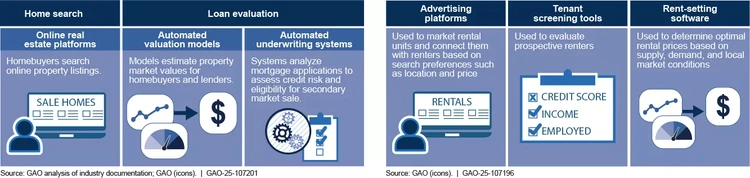
Buying or renting a home has never been more digital. Most consumers now start their search on platforms like Zillow, Realtor.com, and Redfin, using tools that surface listings, estimate home values, and even connect them with lenders. Increasingly, these services rely on artificial intelligence to power chatbots, virtual assistants, personalized recommendations, and automated valuations.
AI can make the process faster and cheaper. It can scan vast amounts of data to pinpoint listings that match a buyers preferences, answer questions in real time, or instantly estimate what a property might sell or rent for. But as these tools become ubiquitous, regulators say the risks are mounting.
Concerns about bias and discrimination
The biggest worry is that AI systems could inadvertently steer buyers or renters toward or away from certain neighborhoodsconduct that may violate fair housing and fair lending laws. If an algorithm fails to catch problematic search terms tied to race, ethnicity, gender, age or other protected traits, it could shape results in ways that reinforce discrimination.
Platforms also may collect sensitive personal data to personalize listings or marketing, raising additional privacy concerns.
Possible dangers in mortgage decisions
AI is increasingly being used behind the scenes in mortgage underwriting, reviewing documents such as employment and payroll records. But if these systems expand into decision-makingsuch as approving or denying a loanthey could obscure why an applicant was rejected or reinforce historical biases in lending.
Impact on rental prices
The same AI tools that help forecast home values are being adopted to set rents. Supporters say this makes prices more responsive to market dynamics, allowing landlords to adjust for vacancy and occupancy in real time. But critics warn that algorithms could push rents higher by basing them on ZIP codes rather than individual building conditions, while also weakening renters ability to negotiate.
Regulators step in
Several federal agencies are monitoring how AI is used across real estate markets, and some have already taken action:
-
The Federal Housing Finance Agency has reviewed AI-powered underwriting tools and valuation models used by lenders.
-
Other federal agencies have pursued cases against rental platforms accused of misleading or discriminatory advertising.
-
Regulators have also taken enforcement actions against companies that screen out tenants using outdated or inaccurate data.
While some oversight has begun to shift toward AI-specific compliance, officials say more guardrails are needed to prevent misuse and protect consumers.
What comes next
The federal government and private research organizations have released new reports detailing how AI is reshaping home buying and rentingand where regulation may need to catch up. As digital tools become standard in real estate, consumer advocates and policymakers are urging stronger protections to ensure that innovation doesnt come at the cost of fairness, privacy, or affordability.
Posted: 2025-12-08 01:57:02








