People express slightly more confidence in the future
 of ConsumerAffairs
-
The headline University of Michigan (UM) consumer sentiment index ticked up to 53.3 in early December 2025, from 51.0 in November.
-
Inflation expectations among households fell: the expected rate over the next year dropped to 4.1%, down from 4.5% in November, while long-term inflation expectations eased to 3.2%.
-
The modest improvement the first in five months was driven by greater optimism about personal finances and future prospects, even as many Americans continued to express concern over prices and labor-market uncertainty.
The University of Michigan preliminary reading for its monthly consumer-sentiment survey shows a moderate rebound after months of decline. The index rose modestly to 53.3 a gain of 2.3 points over Novembers reading.
Although that uptick beat economists forecasts, the broader context remains sobering. The index remains far below the roughly 71.7 level seen in January, and economic optimism is still a long way from pre-pandemic norms.
Survey respondents reported little change in how they view current economic conditions. However, their expectations for the future personal finances and the economy at large improved. That optimism helped lift the overall index.
Whats behind the shift?
-
Better outlook on personal finances. According to the survey, perceived financial prospects rose sharply a 13 % increase in those expecting their personal finances to improve over the coming year. This was reflected across different ages, income levels, education backgrounds and political affiliations.
-
Slowing inflation expectations. Short-term inflation expectations dropped to 4.1% (from 4.5%), the lowest reading since January 2025. Long-term inflation expectations also softened to 3.2%. For many households, that represents a glimmer of relief that prices may stabilize somewhat.
But headwinds remain strong
-
High prices still weigh heavily. Despite some easing in inflation expectations, many consumers still cited high prices as a key concern undercutting their sense of financial security.
-
Labor-market worries and economic uncertainty persist. Even though labor-market expectations improved slightly, they remain subdued compared with historical norms, reflecting broader pessimism around job security and economic growth.
-
Confidence still far below pre-year levels. At 53.3, the index is far below the level at the start of the year underscoring that many households remain fragile and cautious about spending.
Why these numbers matter
The consumer-sentiment index by the University of Michigan is widely watched because it offers a window into what households are likely to do next spend more, save, or hold back. Consumer spending drives a large portion of U.S. economic activity, so shifts in confidence can ripple out to influence growth, inflation, and even interest-rate decisions by policymakers.
The slight rebound this month may offer modest encouragement: if more people feel confident about their finances and inflation is expected to ease, that could translate into increased spending over the holidays supporting retailers and service industries.
But the underlying mood remains cautious. For many Americans, especially those facing price pressures or employment uncertainty, spending may stay subdued potentially slowing economic momentum heading into 2026.
What consumers should do
-
Revisit budgets and spending plans. With inflation still above historic norms, households may benefit from carefully reviewing discretionary spending, noting whats essential and what can wait.
-
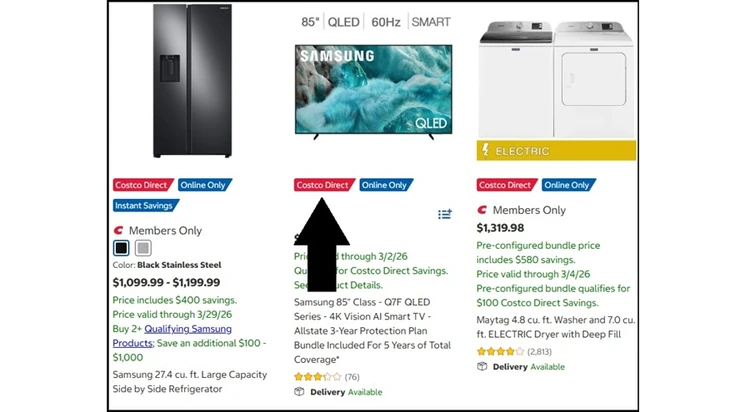
Shop around for deals especially on big-ticket items. If many consumers remain cautious, retailers might offer discounts or promotions to stimulate demand.
-
Keep an eye on inflation and labor-market trends. Continued easing of price expectations could improve household budgets, but if inflation or job insecurity flares up, that may dampen any spending recovery.
-
Use confidence data as a reminder to build or maintain emergency savings. With economic uncertainty still present, having a buffer even a modest one can help households weather unexpected costs or job changes.
Posted: 2025-12-08 11:56:24