

Rockin Robin SongFlying The Web For News.
RobinPost Logo Amazon Prime Deals


Consumer Daily Reports

Self-feeding pillows, baby toys, LED lights, trikes and lanterns are on this week's super-sized recall list

By News Desk of ConsumerAffairs
January 15, 2026

Frigidaire minifridges recall for fire hazard

Owners of select Frigidaire minifridges sold at Target should unplug and seek a refund immediately.

  • Minifridges can short circuit and ignite, posing fire and burn hazards

  • About 330,000 units added to a prior recall of over 600,000

  • Consumers should stop using and request a refund

Photo

Consumers who purchased Frigidaire-brand minifridges, model EFMIS121, sold exclusively at Target from January 2020 through October 2023, should take immediate action following an expanded recall. The minifridges' electrical components can fail and cause fires, putting users at risk of serious burns or property damage.

The hazard

The affected minifridges have internal electrical components that can short circuit and ignite the surrounding plastic housing. At least six incidents of the model EFMIS121 catching fire have been reported, some resulting in property damage.

What to do

Consumers should immediately unplug the recalled minifridges and stop using them. Contact Curtis International to arrange a refund.

Company contact

Curtis International Ltd. toll-free at 888-727-0198 from 8 a.m. to 12 a.m. ET, Monday through Friday, email at This email address is being protected from spambots. You need JavaScript enabled to view it., or visit www.recallrtr.com/minifridge for more information.

Source

https://www.cpsc.gov/Recalls/2026/


RootStim beard serum recall for child poisoning risk

Consumers with RootStim Beard Growth Serums should stop use and request a free replacement bottle.

  • Packaging lacks required child-resistant features, risking poisoning if swallowed

  • About 16,900 bottles sold on Amazon between November 2024 and September 2025

  • Consumers should stop use and contact RootStim for a replacement

Photo

RootStim Beard Growth Serum sold on Amazon is being recalled due to packaging that does not meet child safety standards. The serum contains minoxidil and poses a serious risk if ingested by young children.

The hazard

The beard growth serum is required by law to be in child-resistant packaging. The recalled bottles are not, creating a risk of poisoning if the contents are swallowed by children.

What to do

Consumers should stop using the product immediately and contact RootStim for a free child-resistant replacement bottle.

Company contact

RootStim at 202-743-1714 from 9 a.m. to 5 p.m. ET Monday through Friday, email at This email address is being protected from spambots. You need JavaScript enabled to view it., or visit https://rootstim.com and click Contact Us for more information.

Source

https://www.cpsc.gov/Recalls/2026/


Greatale self-feeding pillows recall for infant suffocation risk

Parents should stop using Greatale self-feeding pillows sold on Amazon and request a refund.

  • Pillows can cause aspiration and suffocation in infants

  • About 1,260 pillows sold on Amazon from September 2024 through July 2025

  • Stop use and contact Greatale for a refund

Photo

Greatale self-feeding pillows, designed to hold bottles in place for infants, are being recalled due to the risk of suffocation and aspiration. These pillows were sold online on Amazon and should not be used.

The hazard

The pillow holds the bottle at an unsafe angle and keeps it fixed so infants cannot pull away. This design can cause milk or formula aspiration, increasing the risk of suffocation.

What to do

Consumers should immediately stop using the recalled pillows and contact Greatale to obtain a refund.

Company contact

Email Greatale at This email address is being protected from spambots. You need JavaScript enabled to view it..

Source

https://www.cpsc.gov/Recalls/2026/


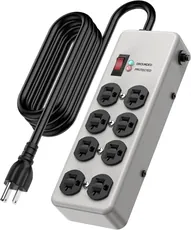
HEZI power strips recall for electrocution hazard

Owners of HEZI brand power strips should unplug and return the product for a refund.

  • Power strips have ungrounded metal enclosures that can cause electrocution

  • About 1,320 units sold on major online retailers from May 2024 to October 2025

  • Consumers should stop use and request a refund
Photo

HEZI brand power strips sold on Amazon, Ebay, Kmart and Sears are recalled due to a risk of electric shock or death. The metal enclosure is not grounded and may become energized.

The hazard

The recalled power strips have a metal enclosure that lacks proper grounding. If energized, this poses a serious electrocution risk.

What to do

Consumers should immediately stop using the recalled power strips and contact HEZI HOME for a refund.

Company contact

HEZI HOME toll-free at 602-804-6830 from 8 a.m. to 5 p.m. ET Monday through Friday, email This email address is being protected from spambots. You need JavaScript enabled to view it., or visit amazon.com/hezi and click Product Recalls.

Source

https://www.cpsc.gov/Recalls/2026/


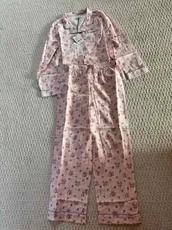
Morgan Lane childrens pajamas recall for burn hazard

Parents should stop using Morgan Lane Asher Pajama Sets and request a refund due to flammability risk.

  • Pajamas do not meet flammability standards, risking serious burns to children

  • About 95 pajama sets sold online from March 2024 to May 2025

  • Consumers should stop use and contact Morgan Lane for a refund
Photo

Morgan Lane, LLC is recalling certain childrens Asher Pajama Sets due to failure to meet mandatory flammability standards for sleepwear, posing a serious risk of burns.

The hazard

The recalled pajamas violate federal flammability standards, creating a risk of serious or fatal burns to children.

What to do

Consumers should immediately stop using the pajamas and contact Morgan Lane for a refund.

Company contact

Email This email address is being protected from spambots. You need JavaScript enabled to view it. or visit www.morgan-lane.com and click Recall for more information.

Source

https://www.cpsc.gov/Recalls/2026/


Adams Adirondack patio chairs recall for fall and injury risk

Users of Adams RealComfort or StyleWell Adirondack patio chairs from Lowes or Home Depot should stop use and get a refund.

  • Chairs can crack and collapse, posing injury and fall hazards

  • About 6,100 units sold nationwide from August to October 2025

  • Stop using affected chairs and contact Adams Manufacturing for a refund

Photo

Adams Manufacturing Corp. is recalling select Adirondack-style patio chairs sold under Adams RealComfort and StyleWell brands due to a risk of cracking and collapse, which may cause falls or injuries.

The hazard

The recalled resin patio chairs can crack and collapse during use, creating a risk of falls and injury.

What to do

Consumers should stop using the chairs immediately and contact Adams Manufacturing to request a refund.

Company contact

Call Adams Manufacturing toll-free at 866-546-1806 from 8 a.m. to 4:30 p.m. ET Monday through Friday, email This email address is being protected from spambots. You need JavaScript enabled to view it., or visit www.adamsmfg.com/recalls for details.

Source

https://www.cpsc.gov/Recalls/2026/


KEAWIS crib mattress recall for infant suffocation hazard

Parents should stop using KEAWIS crib mattresses and contact Yixing Trading for a refund.

  • Mattresses violate crib safety standards and may cause entrapment or suffocation

  • About 1,500 units sold on Amazon between August 2024 and July 2025

  • Stop using the mattress and request a refund from Yixing Trading

Photo

KEAWIS crib mattresses sold by Yixing Trading are being recalled because they may not fit certain play yards or cribs properly, creating dangerous gaps that can cause entrapment or suffocation.

The hazard

The aftermarket mattresses may leave gaps in play yards or non-full-sized cribs, violating federal safety standards and posing a risk of deadly entrapment or suffocation.

What to do

Consumers should stop using the recalled mattresses and contact Yixing Trading for a refund.

Company contact

Email This email address is being protected from spambots. You need JavaScript enabled to view it. for information on receiving a refund.

Source

https://www.cpsc.gov/Recalls/2026/


R.X.Y bicycle helmets recall for head injury risk

Consumers should stop using R.X.Y adult bike helmets sold on Amazon and request a refund.

  • Helmets do not meet federal safety requirements and may not protect in a crash

  • About 170 units sold online from September to November 2025

  • Stop using the helmet and contact R.X.Y for a refund

Photo

R.X.Y is recalling certain adult bicycle helmets sold on Amazon because they do not meet impact and labeling standards. Use of these helmets may not provide adequate protection from head injuries.

The hazard

The helmets fail to comply with required impact attenuation, positional stability, labeling and certification standards, putting users at risk of serious head injuries or death in a crash.

What to do

Consumers should immediately stop using the helmets and contact R.X.Y for a refund.

Company contact

Email This email address is being protected from spambots. You need JavaScript enabled to view it. or contact R.X.Y through their Amazon.com Seller Profile.

Source

https://www.cpsc.gov/Recalls/2026/


BBWOO baby loungers recall for suffocation and fall risk

Parents should stop using BBWOO baby loungers from Amazon and request a refund from LSY Direct.

  • Loungers violate infant sleep product standards, risking entrapment, suffocation and falls

  • About 11,900 units sold on Amazon from July 2024 to November 2025

  • Stop use and contact LSY Direct for a refund

Photo

BBWOO baby loungers sold by LSY Direct on Amazon are being recalled due to multiple safety hazards. The loungers do not meet federal safety standards for infant sleep products.

The hazard

The baby loungers have sides that are too low and openings that are too wide, increasing the risk of infants falling or becoming trapped. The lack of a stand also creates a fall hazard if used on elevated surfaces, creating a risk of death or serious injury.

What to do

Consumers should stop using the recalled baby loungers immediately and contact LSY Direct for a refund.

Company contact

Email This email address is being protected from spambots. You need JavaScript enabled to view it. for more information.

Source

https://www.cpsc.gov/Recalls/2026/


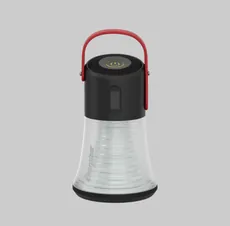
Energizer lantern recall due to battery overheating risk

Owners of Energizer Large Power Indicator Lanterns should stop use and request a refund.

  • Lithium-ion batteries can overheat, posing a burn hazard

  • About 4,100 lanterns sold nationwide between January and November 2025

  • Stop using and contact Energizer for a refund
Photo

Energizer Holdings is recalling its Large Power Indicator Lanterns due to the risk of battery overheating, which can cause burns. The recall affects lanterns with model BGAAL9 and date code June 2024.

The hazard

The lithium-ion batteries inside the lanterns can overheat. At least one incident of overheating has been reported, though no injuries occurred.

What to do

Consumers should immediately stop using the lanterns and contact Energizer for a refund.

Company contact

Call Energizer toll free at 800-383-7323 from 8 a.m. to 5 p.m. ET Monday through Friday, email This email address is being protected from spambots. You need JavaScript enabled to view it., or visit https://energizer.com/lightings/lanternrecall.

Source

https://www.cpsc.gov/Recalls/2026/


Liberty Trike electric tricycles warning for fall injury risk

Riders should stop using Liberty Trike electric tricycles immediately due to a tipping hazard.

  • Tricycles can tip over during turns, risking serious injury from falls

  • Sold online from October 2015 to November 2025

  • CPSC urges disposal and warns not to resell or give away

Photo

CPSC warns consumers to stop using Liberty Trike 16-inch and 20-inch electric tricycles due to a fall hazard. The risk is especially high when turning or riding on slopes.

The hazard

The tricycles can tip over during turns, increasing the risk of falls and serious injuries, particularly on uneven surfaces.

What to do

Consumers should immediately stop using and dispose of the tricycles. Do not sell or give the trikes away.

Company contact

Report any incidents involving injury or product defect to CPSC at www.SaferProducts.gov.

Source

https://www.cpsc.gov/Warnings/2026/


Akavivo LED lights warning for battery ingestion hazard

Households should stop using Akavivo Submersible LED Lights and dispose of them immediately.

  • Lithium coin batteries are accessible and pose a serious ingestion hazard to children

  • Sold on Amazon and elsewhere between March and November 2025

  • CPSC urges immediate disposal and warns not to resell or give away

Photo

CPSC is alerting consumers to the dangers of Akavivo Submersible LED Lights due to easy access to lithium coin batteries, which can be swallowed by children.

The hazard

The included lithium coin batteries can be easily accessed by children, presenting a risk of battery ingestion and potentially fatal injuries.

What to do

Consumers should stop using and dispose of the LED lights immediately. Do not give away or resell the product.

Company contact

Report incidents or product defects to CPSC at www.SaferProducts.gov.

Source

https://www.cpsc.gov/Warnings/2026/


JJGoo LED lights warning for button battery ingestion risk

Consumers should dispose of JJGoo Submersible LED Lights immediately due to child safety hazards.

  • Button cell batteries are easily accessible and lack required warnings

  • About 103,000 LED lights sold on Amazon from February 2020 through November 2025

  • CPSC urges immediate disposal and warns not to resell or give away

Photo

JJGoo Submersible LED Lights sold online are being flagged by CPSC for violating product safety standards. The lights contain button cell batteries that are easily accessible and lack required safety warnings.

The hazard

Children can access the button cell batteries in the lights, risking ingestion and potentially serious or fatal injuries. The required safety warnings are also missing.

What to do

Consumers should stop using and dispose of these LED lights immediately. Do not sell or give them away.

Company contact

Report any incidents or product defects to CPSC at www.SaferProducts.gov.

Source

https://www.cpsc.gov/Warnings/2026/


Malinaggg Happy Baby toy sets warning for choking and strangulation hazards

SUBTITLE: Parents should stop using Malinaggg Happy Baby Musical Instrument toy sets and dispose of them.

  • Maracas and drumsticks pose choking hazard; drum strap can strangle children

  • About 30 sets sold on Walmart.com from February to October 2025

  • CPSC urges immediate disposal and warns not to resell or give away

Photo

CPSC is warning consumers about Malinaggg Happy Baby Musical Instrument toy sets due to risks of choking and strangulation. The sets include multiple instruments, some with small parts and straps.

The hazard

The maracas and drumsticks have spherical ends that can cause choking, and the drum strap can entangle around a child's neck, posing a strangulation risk.

What to do

Consumers should immediately stop using and dispose of these toy sets. Do not give away or resell the product.

Company contact

Report incidents or defects to CPSC at www.SaferProducts.gov or call 800-638-2772 (TTY 800-638-8270).

Source

https://www.cpsc.gov/Warnings/2026/


Miocololy self-feeding pillow warning for infant suffocation risk

SUBTITLE: Parents should stop using Miocololy self-feeding pillows and dispose of them immediately.

  • Pillows hold bottles at unsafe angles, risking suffocation and aspiration in infants

  • Sold on Amazon from October 2024 through November 2025

  • CPSC urges immediate disposal and warns not to resell or give away

Photo

CPSC is warning parents about Miocololy self-feeding pillows, which can lead to suffocation and aspiration in infants. The product holds bottles in a fixed, unsafe position.

The hazard

The pillows keep bottles at an unsafe angle, preventing infants from pulling away and increasing the risk of suffocation and milk aspiration.

What to do

Consumers should stop using and dispose of these pillows immediately. Do not give away or resell the product.

Company contact

Report incidents or defects to CPSC at www.SaferProducts.gov or call 800-638-2772 (TTY 800-638-8270).

Source

https://www.cpsc.gov/Warnings/2026/


Ourkiss self-feeding pillow warning for infant suffocation risk

Families should immediately stop using Ourkiss self-feeding pillows and dispose of them.

  • Pillows keep bottles fixed, risking suffocation and aspiration for infants

  • Sold on Amazon from June 2024 to July 2025

  • CPSC urges consumers to dispose of these pillows and avoid resale

Photo

CPSC warns that Ourkiss self-feeding pillows create a suffocation risk for infants by holding bottles in a fixed, unsafe position.

The hazard

The pillow keeps bottles at an unsafe angle, preventing infants from pulling away, which can lead to aspiration of milk or formula and suffocation.

What to do

Consumers should immediately stop using and dispose of the pillows. Do not give away or resell these hazardous products.

Company contact

Report incidents or product defects to CPSC at www.SaferProducts.gov.

Source

https://www.cpsc.gov/Warnings/2026/


Yiiektily self-feeding pillow warning for infant suffocation risk

Parents should dispose of Yiiektily self-feeding pillows sold on Amazon to prevent infant harm.

  • Pillows pose suffocation and aspiration risk by fixing bottles in place

  • Sold by Yiiektily on Amazon from April 2024 to July 2025

  • CPSC urges immediate disposal and not to resell or give away

Photo

Yiiektily self-feeding pillows are being flagged by CPSC for potential suffocation and aspiration hazards. The pillows hold bottles at angles that are unsafe for infants.

The hazard

The design fixes bottles in front of the infant's face at an unsafe angle, increasing the risk of suffocation and aspiration.

What to do

Consumers should dispose of the pillows immediately and avoid selling or giving them away.

Company contact

Report incidents or product defects to CPSC at www.SaferProducts.gov.

Source

https://www.cpsc.gov/Warnings/2026/


Posted: 2026-01-15 20:09:27

Get Full News Story On Consumer Affairs


Listen to this article. Speaker link opens in a new window.
Text To Speech BETA Test Version.


More News From This Category
Consumer News: Stop wasting money: 5 sneaky fees you can cancel this week
Wed, 04 Mar 2026 02:07:06 +0000

The silent budget killers hiding on your statement

By Kyle James of ConsumerAffairs
March 3, 2026
  • Small fees = big annual hit: Paper statements, phone insurance, bank minimums, and subscriptions can quietly cost you $800+ a year.

  • Most are easy to kill: Go paperless, drop device insurance, meet direct deposit rules, or switch to a no-fee account.

  • Use simple scripts: Ask for a courtesy credit or retention offer, then stay quiet reps often waive fees to keep you.


Most consumers dont realize how many small, recurring fees are quietly baked into their monthly expenses.

Just a few dollars here, a $12 charge there. Throw in a service add-on you barely remember approving.

Individually, they feel fairly harmless. Collectively, they can cost you $800 to $1,500 per year, without improving your lifestyle one bit.

Heres how to hunt them down and eliminate them fast.

1. Paper statement fees

Many banks, credit cards, utilities, and even insurance companies now charge $2$5 per month to mail you a paper statement.

It sounds minor. But at $4 per month, thats nearly $50 per year for something you likely throw away after 30 seconds.

Companies justify it as processing or print and mail costs. Translation: they really want you to go paperless.

What to do:

Log into each account and switch to paperless billing. If you like having records, you can download PDFs quarterly and print them out, or opt to store them in a cloud folder.

What to say:

Ive switched to paperless billing. Id also like a courtesy credit for recent paper statement fees.

Most reps are happy to credit you back one or two months immediately. It never hurts to ask; you literally have nothing to lose and a few bucks to gain.

Pro tip: Ask for a courtesy credit, not necessarily a refund. When calling about a fee, use that phrase instead of refund. It signals youre not accusing them of anything, just asking for some flexibility.

Ive found that the wording alone can dramatically increase your odds of getting the charge reversed.

2. Cell phone insurance

Carrier insurance plans from companies like Verizon and AT&T often cost $11$18 per line per month.

For a family of four, that number can easily hit $60+ monthly, which equates to $720 a year.

Now ask yourself this:

  • How often do you actually break phones?
  • Whats the deductible of the plan?
  • Is the phone already older and worth less than the deductible?

Also, be aware that many premium credit cards already include cell phone protection if you pay your bill with that card. While your coverage limits can vary, keep in mind that its often enough to replace the need for carrier insurance.

What to do:

Pull out your paperwork and review your credit card benefits guide. Then compare the deductible and coverage limits against what your carrier is currently charging you.

A call script that works:

Please remove the device protection plan from all lines effective immediately.

You dont owe them any explanation, and they may come back with a cheaper monthly insurance plan or a lower deductible in an effort to keep you paying. At that point, you can decide if its worth keeping.

3. Bank account minimum balance fees

Some traditional banks are still charging $10$15 per month if you fall below a minimum balance or dont meet certain activity requirements.

Thats $120$180 per year just to keep your own money in an account.

If you find yourself hit by these fees often, there are actually some hidden ways to avoid it:

  • Direct deposit thresholds Some banks will waive monthly fees if you have your paycheck set for direct deposit, often it only needs to be in the $500-$1,000 range to qualify.
  • Student or loyalty exemptions Many banks automatically waive fees for students, young adults, seniors, military members, or long-time customers. However, they arent automatic, you have to ask about them.
  • Moving to a different account tier Switching to a more basic checking account from a premium account can also eliminate monthly fees at some banks.

What to do:

You just have to pick up the phone and call and ask what options exist at your bank.

Script:

Im trying to avoid monthly service fees. Is there a no-fee checking option you can move me into?

If the answer is no, thats your cue to compare online banks that advertise zero monthly fees and it might be time to switch.

4. Credit card annual fees

Credit card annual fees can range anywhere from $95 to $550 or more.

Im not here to bash them and call all of them automatically bad, but they must earn their keep and provide enough value.

If youre not using your airport lounge access, bonus travel credits, or elevated rewards categories, theres a chance you may be overpaying for the prestige of the card.

Before canceling the card, always call and ask for a retention offer.

Script:

Im evaluating whether this card still makes sense for me due to the annual fee. Are there any retention offers or statement credits available?

Theres a good chance you may get:

  • Bonus points
  • Partial fee credits
  • Or an offer to downgrade to a no-fee version

Make it a habit to never cancel a card, or a service, before calling and asking what they can do to help you out. And dont be afraid to throw in the Im strongly considering cancelling card.

Pro tip: Before canceling a credit card or subscription, mention youre considering closing the account, and then pause.

Dont say a word. Silence often prompts reps to check for retention offers, loyalty discounts, or fee waivers you didnt even know existed.

Let them do the talking and remember that the onus is always on them to keep you from leaving. Silence is leverage.

5. Subscription 'creep'

From free trials quietly converting into paid plans, to streaming services that seem to get more expensive every six months, the creep is real. Companies slowly raise prices because they know most customers wont ever notice, and if they do, theyll just shrug their shoulders and keep paying.

While taken individually, the $9.99/month doesnt feel painful, but when you stack five of them, the numbers get hefty really quick. Especially if you rarely use two or three of them.

What to do:

Scan your last two credit card statements for recurring charges. If you dont immediately recognize one, then investigate a little further.

Also, its smart to use your phones built-in subscription manager to see whats active and what youve cancelled recently.

Script to use if calling:

Id like to cancel and request a refund for the most recent billing cycle. Some companies will actually prorate or refund you if you catch it early in the billing cycle.


Read More ...


Consumer News: United Airlines flight makes emergency landing in Los Angeles after engine fire
Tue, 03 Mar 2026 23:07:08 +0000

FAA investigates the latest in a series of airline emergencies in 2026

By Mark Huffman of ConsumerAffairs
March 3, 2026
  • United Airlines Flight 2127 was forced to turn back to Los Angeles International Airport after an engine fire was reported shortly after takeoff Monday.

  • More than 250 passengers and crew were evacuated safely via slides and stairs on the tarmac; no serious injuries were reported.

  • The FAA has launched an investigation, amid a spate of airline emergencies this year including other in-flight technical issues and emergency diversions.


A United Airlines Boeing 787-9 Dreamliner bound for Newark, New Jersey, made an emergency return to Los Angeles International Airport (LAX) on Monday after fire warnings were reported in one of its engines, airline and aviation officials said.

United Flight 2127 departed LAX around 10:43 a.m. local time but turned back roughly 40 minutes into its journey when the cockpit crew detected indications of an engine fire, according to Federal Aviation Administration advisories.

The aircraft touched down safely at LAX at about 11:19 a.m., and more than 250 passengers and crew were quickly evacuated on inflatable slides and airstairs on the taxiway. Fire crews from the Los Angeles Fire Department surrounded the plane and worked to contain the blaze near the left engine; authorities reported no serious injuries.

United Airlines arranged to transport customers to their final destinations and praised the flight crew for their swift, calm handling of the unfolding emergency. The FAA has opened an investigation into the engine issue.

The incident briefly disrupted operations at one of the nations busiest airports, with a temporary ground stop imposed as emergency responders cleared the scene.

So far, ayear marked by in-flight incidents

It's only early March, but this emergency comes amid a series of airline incidents so far in 2026 that have tested operational and safety systems across carriers:

  • In mid-February, United Airlines Flight UA1125 declared an emergency and diverted back to Denver shortly after departing for Boise due to a technical issue, prompting questions about in-flight system reliability and airline safety practices.

  • Earlier in January, JetBlue Flight B61058 from Aruba to New York diverted to Fort Lauderdale after an engine failure shortly after takeoff; all passengers and crew aboard that Airbus A321neo were reported safe after the emergency landing.

  • Globally, a Qatar Airways Boeing 787 flight made a precautionary emergency return to Lagos in mid-January after a critical oxygen system malfunction was detected, underscoring challenges with aircraft systems that can emerge unexpectedly.

Aviation safety experts note that while such events remain rare relative to the number of flights conducted daily, recent months have seen a notable cluster of engine- and systems-related emergencies that highlight the importance of rigorous maintenance, crew training, and rapid response protocols.


Read More ...


Consumer News: Why the war with Iran is making mortgages more expensive
Tue, 03 Mar 2026 23:07:08 +0000

The spike in oil prices, if prolonged, could boost inflation

By Mark Huffman of ConsumerAffairs
March 3, 2026
  • Geopolitical conflict in the Middle East has disrupted global energy supplies, driving oil prices sharply higher.

  • Higher oil costs increase inflation expectations, pushing Treasury yields and mortgage rates up.

  • Market volatility and economic uncertainty make investors and policymakers more cautious, delaying rate cuts.


Just a week after mortgage rates fell below 6% for the first time in three and a half years, rates are climbing again. The war in the Middle East is emerging as a key driver.

The current conflict between the U.S./Israel and Iran has sparked volatility in the global energy sector. Attacks on shipping in the Strait of Hormuz, a crucial chokepoint for roughly a fifth of the worlds oil supply, have disrupted flows and raised fears of longer-term supply constraints. In response, global crude prices have surged, with Brent crude and U.S. benchmarks climbing sharply.

Higher oil prices often filter through the economy in the form of increased costs for gasoline, heating, and freight. These price pressures can feed into broader inflation, which in turn alters expectations for interest rates and borrowing costs.

Inflation fears

Mortgage rates are closely linked not to the Federal Reserves short-term policy rate, but to the yield on 10-year U.S. Treasury notes a benchmark that reflects investor expectations for growth, inflation, and risk. When markets anticipate higher inflation, investors demand greater yields on long-term debt.

In recent trading, yields on the 10-year Treasury have risen as traders price in the inflationary effect of elevated energy costs. Higher Treasury yields, in turn, lead lenders to raise mortgage rates to protect their profit margins.

Geopolitical conflict also breeds uncertainty. Financial markets tend to wobble when the outlook for growth and stability becomes unclear.

In this climate, the Federal Reserve may be less inclined to cut interest rateseven if domestic inflation appears to be moderatingbecause policymakers watch global risk closely. Comments from former Fed officials suggest that ongoing geopolitical tensions could delay rate cuts.

When the Fed signals a higher for longer stance on policy, long-term borrowing costs including mortgages tend to stay elevated.

Traditionally, geopolitical turmoil can trigger a flight to safety in which investors buy U.S. Treasury bonds, pushing yields down and mortgage rates lower. That dynamic appears to have played a limited role this time, in part because the market is heavily focused on inflation risks tied to oil and energy rather than a classic haven effect.

What this means for homebuyers

For prospective buyers and homeowners considering refinancing, the backdrop means that locking in a rate sooner rather than later may be prudent. If the war intensifies or oil prices remain elevated, markets could continue to price in inflation risk and push mortgage rates higher. Conversely, a quick de-escalation might ease some upward pressure, but uncertainty remains high.

Economists stress that while geopolitical events are only one piece of the puzzle, the intersection of higher energy prices, inflation expectations, and cautious monetary policy creates a potent mix that is keeping mortgage rates elevated at a time when many hoped for relief.


Read More ...


Consumer News: Your grocery prices change more often than you think
Tue, 03 Mar 2026 23:07:07 +0000

New data reveals how frequently retailers adjust prices and what it means for your weekly bill

By Kristen Dalli of ConsumerAffairs
March 3, 2026

  • Grocery prices change far more often than shoppers realize with some products shifting two to three times per week and major retailers like Kroger adjusting even more frequently.

  • Price changes are evenly split between increases and decreases, as retailers use dynamic pricing to respond to perishability, tight profit margins, supply fluctuations, and competitor moves.

  • Shoppers can save by timing purchases strategically, understanding which categories are more volatile, and adjusting their approach depending on the retailer.


If youve ever felt like your grocery total looks different every single week even when you buy the same items youre not imagining it.

New research from Decodo shows that grocery retailers are constantly adjusting prices, often in real time. In fact, groceries rank third among all shopping categories for price changes. Over the past year alone, brands changed their prices more than 319,000 times.

Thats not just the occasional sale. Thats a steady, ongoing shift happening behind the scenes.

So, whats going on? ConsumerAffairs interviewed Gabriele Vitke, Senior Product Marketing Manager and dynamic pricing expert at Decodo to learn more about the ins and outs of dynamic grocery store pricing and the ways that consumers can make the most of it.

What drives dynamic pricing?

According to Vitke, there are three major factors that influence dynamic pricing in grocery stores: perishability, profit margins, and algorithmic repricing.

Perishability creates a ticking clock, she explained. Our Fresh Produce subcategory shows the highest discount cadence of any grocery segment at roughly 3.3 price changes per week per product, because a banana that doesn't sell today is worth less tomorrow.

Razor-thin margins (1-3% net) mean even a few cents matter, so retailers use constant micro-adjustments rather than periodic markdowns. Perhaps most significantly, algorithmic repricing has turned grocery shopping into an arms race. Our data shows grocery has a stability share of just 39-50% depending on the subcategory prices are in motion more often than they're standing still, and that's a direct consequence of automated systems reacting to competitor moves in near real-time.

Every retailer is different

One of the biggest takeaways for consumers: prices arent permanent!

Sticker price is increasingly a snapshot, not a fact, Vitke explained. Our data shows the average grocery product changes price two to three times per week, and at retailers like Kroger, that number jumps to 7+. The price you see on Tuesday might not be the price on Thursday.

Grocery price changes split almost perfectly 50/50 between increases and decreases across the board. The system is reactive, not aggressive. It responds to supply, demand, competition, and shelf life.

Additionally, every retailer has their own method for raising or lowering prices throughout the week.

Consumers should understand that not all retailers play the same game, Vitke said. Target and Publix favor price stability (42-67% stability share), so what you see is broadly what you get. Kroger and Amazon operate in a constant state of flux where the same item can shift price multiple times in a week.

Neither approach is better or worse but it means the shopping strategy that works at Target (grab what you need, don't overthink it) is different from the one that works at Kroger (be flexible, compare, check back).

Money-saving strategies

Given how quickly the price of things can change on grocery store shelves, Vitke has some tips to help consumers save money where they can.

  • Shop on Mondays. It's the most common "best buy" day across grocery retailers, including Kroger, Walmart, Wegmans, and Publix. There's a logic to this: retailers likely reset promotional pricing at the start of the week, and weekend demand allows them to hold higher prices when foot traffic is naturally higher.

  • Know which categories reward patience and which don't. Frozen foods and dairy show the highest volatility among grocery subcategories, with deep drop rates of 35-37%. These are the aisles where waiting a few days or switching brands can save real money. Pantry staples and dry goods, by contrast, have a 60% stability share. So, the price you see today is probably the same price next week, so there's less to gain from timing.

  • The best savings strategy depends on the retailer, not the product. At a high-frequency repricing store like Kroger, flexibility beats loyalty. The algorithm doesn't care what you bought last week. At a high-stability retailer like Target, store loyalty programmes and occasional promotions matter more because baseline prices don't shift as much.


Read More ...


Consumer News: The sneaky sleep killers hiding in your daily routine
Tue, 03 Mar 2026 23:07:07 +0000

From late coffee to bedtime scrolling, experts reveal whats disrupting your rest

By Kristen Dalli of ConsumerAffairs
March 3, 2026

  • Everyday habits like late caffeine, inconsistent bedtimes, and nighttime scrolling may be quietly disrupting your circadian rhythm and sleep quality.

  • Consistency in your schedule, wind-down routine, and sleep environment is the foundation of truly restorative rest.

  • Small, repeatable changes (like dimming lights, limiting screens, and protecting your sleep window) can dramatically improve mood, metabolism, and overall health.


If youve ever crawled into bed exhausted only to find yourself wide awake your bedtime routine might not be the only thing to blame.

ConsumerAffairs spoke with sleep expert Aaron M. Fuhrman, founder of Sleeplay, who explained that the real sleep saboteurs often show up much earlier in the day.

The habits many of us consider harmless an afternoon coffee, a quick evening nap, scrolling social media before bed, eating dinner at wildly different times each night can quietly interfere with your circadian rhythm and chip away at your sleep quality over time.

The good news? Once you understand which daily habits are working against you, small adjustments can make a big difference.

Dos and donts of a successful nighttime routine

If youre reconsidering your sleep routine, here are three things to start doing and three things to stop doing for better sleep.

Dos:

  • Consistency. Going to bed and waking up at roughly the same time every day, even on weekends, anchors your circadian rhythm.

  • Wind-down time. Building in at least 30-60 minutes of intentional wind-down time helps signal to the brain that sleep is approaching; this could include reading, gentle stretching, or low-stimulus activities.

  • Environmental control. Optimizing your sleep environment, cool, dark, and quiet, dramatically improves sleep quality.

Donts:

  • Late-night screen exposure. Blue light from phones and TVs suppresses melatonin production, making it harder to fall asleep.

  • Using stimulating substances. Consuming caffeine late in the day, or alcohol close to bedtime, disrupts sleep architecture, even if it initially makes you drowsy.

  • Revenge bedtime procrastination. Sacrificing sleep to scroll, work, or binge-watch creates a cycle of chronic sleep debt thats hard to undo.

Are you sabotaging your sleep?

The short answer: you might be!

Fuhrman explained that consistency and routine are the foundation of quality sleep. And on top of that, there are more ways than you think to ruin a good nights rest.

Many people unintentionally sabotage their sleep by treating bedtime as flexible rather than biological, he said. Irregular sleep schedules, even shifting by one to two hours, create a form of social jet lag.

Another major issue is overstimulation right up until lights out: answering emails in bed, watching intense shows, or engaging in emotionally charged conversations. People also underestimate how much stress carries into the night. A busy mind doesnt simply switch off when the lights go out.

Finally, relying on alcohol or sleep aids as a long-term solution can fragment sleep cycles and reduce restorative deep and REM sleep without people realizing it.

Create a beneficial nighttime routine

If quality sleep is hard to come by, you might need to rework your nighttime routine. Fuhrman shared his top tips for the most beneficial bedtime routine.

  • Start by working backward from your ideal wake-up time and set a realistic bedtime that allows for seven to ninehours of sleep.

  • Establish a predictable pre-sleep ritual that you repeat nightly; consistency is more important than complexity.

  • Dim the lights an hour before bed, limit screens (or use blue-light filters if necessary), and keep your bedroom reserved primarily for sleep and intimacy to strengthen the mental association between bed and rest.

  • Incorporating relaxation techniques such as breathing exercises, journaling to offload mental stress, or light stretching can also help calm the nervous system.

  • Small, repeatable cues are what train the brain to transition into sleep mode.

Sleep is not a luxury, its a foundational pillar of health alongside nutrition and movement, Fuhrman said. You cant hack your way out of chronic sleep deprivation with supplements or weekend catch-up sleep.

Quality sleep improves mood, metabolism, immune function, cognitive performance, and long-term health outcomes. The most powerful changes are often the simplest: protect your sleep window, respect your bodys rhythm, and treat your nighttime routine as an investment rather than an afterthought.


Read More ...


Related Bing News Results
Consumer Reports tests caffeine levels in popular coffee brands
Wed, 04 Mar 2026 03:15:00 GMT
Consumer Reports examined caffeine levels in various coffee brands, revealing significant differences and emphasizing the importance of moderation.

Some baby formula brands contain heavy metals, Consumer Reports says
Tue, 03 Mar 2026 12:35:00 GMT
Tests of dozens of baby formulas by Consumer Reports found that nearly half contained potentially dangerous chemicals.

Trader Joe's Daily Facial Sunscreen SPF 40
Wed, 25 Feb 2026 05:13:00 GMT
We've tested and reviewed products since 1936. Read CR's review of the Trader Joe's Daily Facial Sunscreen SPF 40 sunscreen to find out if it's worth it.

Consumer Reports retests protein powders, finds safer options
Wed, 18 Feb 2026 17:22:00 GMT
Researchers have tested more popular brands, including five reader-requested chocolate protein powders from Clean Simple Eats, Equate, Premier Protein, Ritual and Truvani.

CR Investigates: Toxic beauty ingredients
Tue, 17 Feb 2026 17:52:00 GMT
Most of us don’t think twice about shampoo, deodorant, or lotion. Now, Consumer Reports reveals that some of those products may contain ingredients linked to cancer risk, hormone disruption, and other ...


Blow Us A Whistle


Related Product Search/Búsqueda de productos relacionados

Amazon Logo

Visit Our New Print-On-Demand Stores On Printify and Zazzle
Printify Zazzle





