Rockin Robin SongFlying The Web For News.

Article Tools/Herramientas de artículos

Consumer Daily Reports

Parents may be worrying about the wrong driving behavior

By Kyle James of ConsumerAffairs
August 28, 2026
  • Night driving stands out: 56.8% of fatal crashes involving young drivers occurred at night, according to a recent analysis.

  • Experience matters: Crash risk rises sharply during the first few hundred miles, so parents can gradually introduce nighttime, bad-weather, and unfamiliar-road driving.

  • Give teens an escape hatch: Set firm rules around speed and alcohol, but make sure they know they can always call for a ride home without getting in trouble that night.


When your teenager gets their driver's license, you probably have a few rules ready to go: Don't speed. Don't text. Never drink and drive.

You might want to add another: Taking it easy on nighttime driving until they've built some experience.

A new Bagen Law analysis of five years of National Highway Traffic Safety Administration (NHTSA) data found 56.8% of fatal crashes involving young drivers occurred at night.

That's higher than accidents involving speeding, not wearing seat belts, or alcohol.

Night driving obviously isn't a bad behavior like speeding or drinking and driving. But reduced visibility combined with inexperience can leave new drivers with less time to recognize and recover from mistakes.

Here are four ways that parents can help.

1. Don't make their first night drive a difficult one

A newly-licensed driver probably shouldn't get their first real nighttime experience driving home from a concert at midnight on unfamiliar roads.

Start with familiar routes after dark with a parent in the passenger seat. Practice judging distances, handling headlight glare, and spotting pedestrians on poorly lit roads.

Then gradually increase the difficulty.

2. Treat the first few hundred miles like driver's ed

Getting a license means you've demonstrated that you can drive. It doesn't mean you've experienced everything the road can throw at you.

Steve Bagen, from Bagen Law, points to research showing crash rates increase dramatically during the first 250 miles after a driver receives their license.

For those first few hundred miles, consider limiting unnecessary nighttime trips, bad-weather driving, and those complicated, unfamiliar routes. The goal isn't to avoid those situations forever. It's more about building behind the wheel experience before stacking risks on top of each other.

3. Speed deserves special attention

Speeding showed the largest disparity in fatal crashes between young drivers and drivers overall in the analysis. It was involved in 38.5% of young-driver fatal crashes compared with 28.2% among drivers overall.

New drivers haven't had years to develop the judgment and vehicle-control skills experienced motorists rely on when something suddenly goes wrong.

One useful family rule could be having the posted speed limit be the ceiling, not the target. Darkness, rain, or heavy traffic may mean the safest speed is well below what's posted.

4. Create a no-questions-asked ride home

Alcohol was involved in 28.6% of young-driver fatal crashes, nearly identical to the 29% figure for drivers overall.

Give your teen an escape hatch before they need it. Promise to pick them up without a lecture, interrogation, or argument that night. The goal is to make calling you feel safer than taking a chance behind the wheel.

Whatever else needs to be discussed can wait until tomorrow.

The bottom line

Passing the driving test isn't the end of learning to drive. In many ways, it's actually when the most important practice begins.

Think of the first few months behind the wheel as an extension of driver's ed without the instructor. Start with familiar roads and good conditions, then gradually add nighttime driving, highways, unfamiliar routes, and bad weather as your teen gains experience and confidence.


Posted: 2026-08-28 15:45:46
Get Full News Story On Consumer Affairs


More News From This Category
Consumer News: Black Friday 2026: Mark your calendar for these major retailer sales
Fri, 13 Nov 2026 23:07:09 +0000
Black Friday 2026: Mark your calendar for these major retailer sales

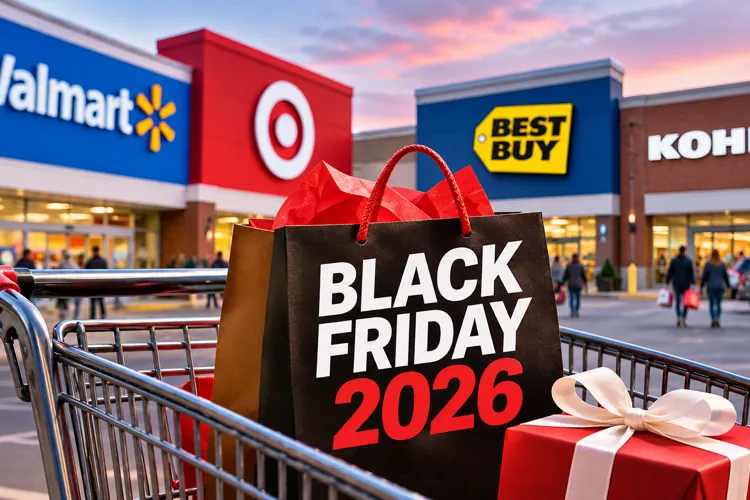
Black Friday isn't just one day anymore. For many of America's biggest retailers, it's become a weeks-long shopping event, with early discounts appearing well before Thanksgiving. And that creates a problem for shoppers: How do you know when to buy, especially when Amazon, Walmart, Target, and other major retailers are all running promotions on different schedules? This year, Black Friday falls on...


Consumer News: Apple's $2,000 folding iPhone comes with a potentially expensive catch
Fri, 13 Nov 2026 20:07:12 +0000
Apple's $2,000 folding iPhone comes with a potentially expensive catch

Apple's new iPhone Duo starts at $1,999: However, repairing its folding screen without coverage could cost another $999. Early durability tests offer mixed results: The hinge survived thousands of folds, but the crease down the middle of the screen became more noticeable. AppleCare+ can reduce repair bills considerably: But shoppers need to factor in the cost of coverage and understand what's cove...


Consumer News: More green space may help kids focus and learn
Fri, 13 Nov 2026 17:07:11 +0000
More green space may help kids focus and learn

Children living in greener neighborhoods performed better on attention and achievement assessments. Researchers analyzed data from nearly 12,000 children across the United States. Better air quality may help explain why access to green spaces is associated with stronger cognitive performance. Between schoolwork, screen time, and everyday distractions, children have plenty of things competing for t...


Consumer News: Late-night snacking could come with an unexpected health risk
Fri, 13 Nov 2026 17:07:11 +0000
Late-night snacking could come with an unexpected health risk

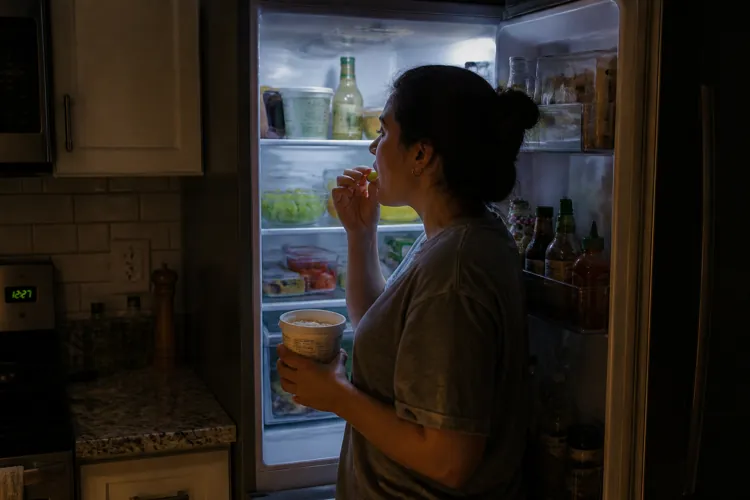
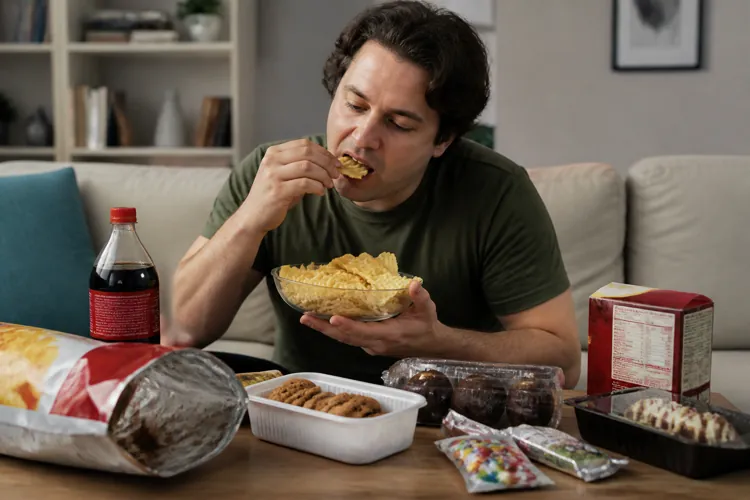
Researchers found that people who reported eating late at night had a 20% to 30% higher rate of liver disease. The study examined health and lifestyle information from nearly 200,000 participants across three long-running research projects. Researchers say finishing meals several hours before bedtime may support liver health, although more research is needed to confirm the connection. Late-night s...


Consumer News: Are all ultra-processed foods bad for you? A major study offers a surprising answer
Fri, 13 Nov 2026 17:07:11 +0000
Are all ultra-processed foods bad for you? A major study offers a surprising answer

Researchers found no overall association between eating more ultra-processed foods and developing colorectal cancer. Ultra-processed whole grains and dairy products were associated with lower cancer rates, while processed meats were associated with higher rates. The findings suggest that a food's nutritional content may matter more than its level of processing when considering colorectal cancer ri...


Related Bing News Results
Consumer Reports tests kids vitamins for heavy metals, label accuracy
Sat, 14 Nov 2026 07:02:22 GMT
Approximately 1 in 3 kids under age 19 regularly take a dietary supplement, according to the Centers for Disease Control and Prevention. But do kids’ vitamins actually contain what they say on the ...
Consumer Reports investigation: Do kids' vitamins contain what they say on the label?
Thu, 12 Nov 2026 08:04:00 GMT
Here’s what parents need to know before giving their child a daily vitamin.
Consumer Reports finds some kids’ vitamins contain up to 5 times the nutrients listed on labels
Wed, 11 Nov 2026 01:31:00 GMT
Consumer Reports tested 21 children’s vitamins and found each had at least one nutrient level that differed from its label—sometimes by as much as 500%. All products were considered safe, with heavy ...
Consumer Reports Labels, Explained: Recommended, Top Pick, Best Brand, Best of, Smart Buy, and #1 in Brand Reliability
Thu, 15 Oct 2026 03:00:00 GMT
Consumer Reports (CR) uses several designations to help shoppers quickly identify products and services that perform well in our independent evaluations. When data is available, these designations ...
Consumer Reports retests protein powders, finds safer options
Wed, 18 Feb 2026 17:22:00 GMT
Last year, Consumer Reports tested dozens of popular protein powders and ready-to-drink shakes and found more than two-thirds contained concerning levels of lead. The investigation raised questions ...

Blow Us A Whistle


RobinsPost Print On Demand Refund Policy With Printify
Printify

Related Product Search/Búsqueda de productos relacionados

Amazon Logo