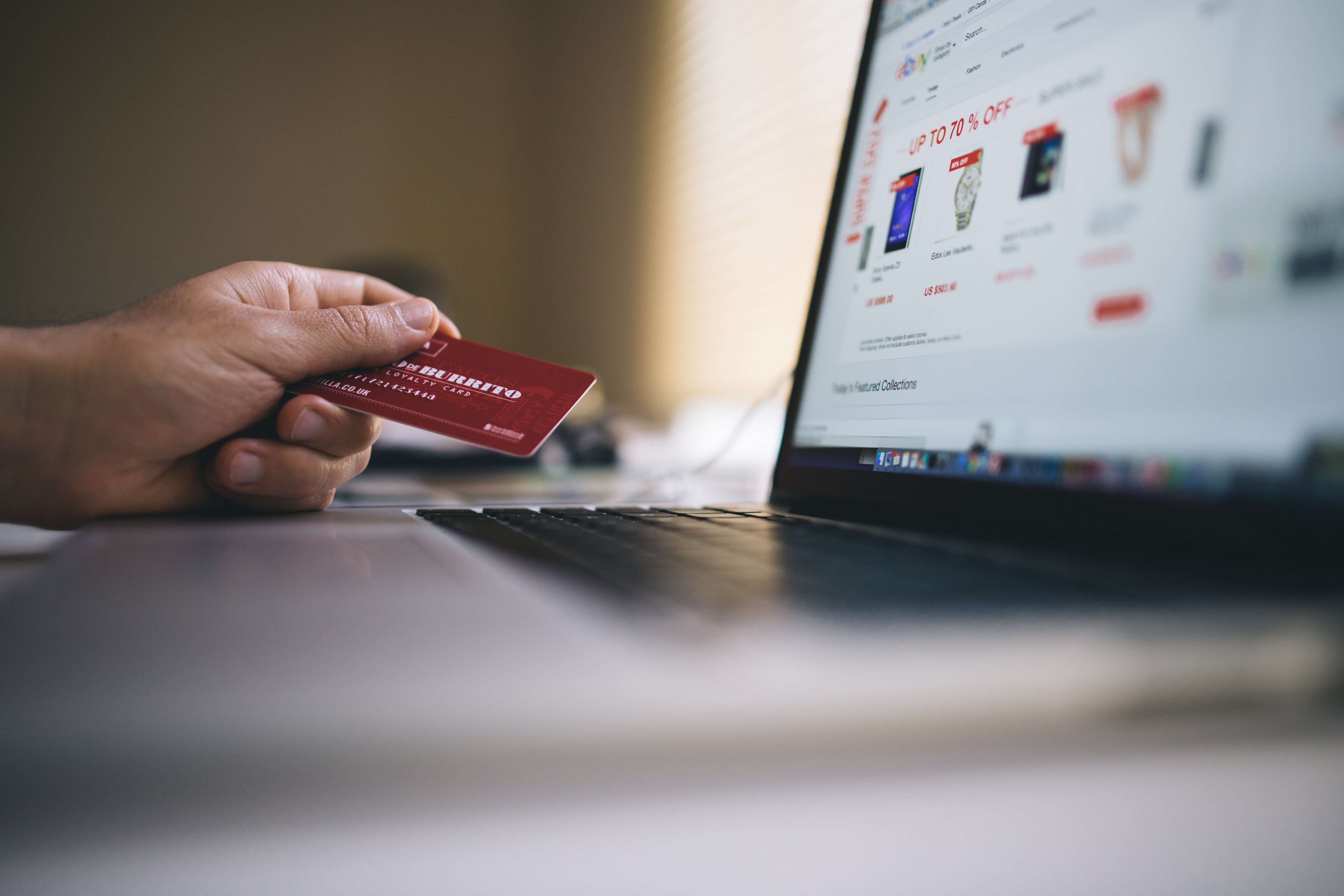
From fake deals to convincing security alerts, scammers are looking for ways to turn holiday shopping into a costly mistake
Watch for fake retail websites, steep discounts, and unusual payment requests that can signal a Labor Day shopping scam.
Be skeptical of urgent texts and account security alerts, especially those asking you to click a link, share sensitive information, or provide a verification code.
Shop directly through retailers websites or apps and use protected payment methods, such as credit cards, to reduce your risk of losing money.
Labor Day weekend can be a great time to score a deal, but shoppers arent the only ones paying attention.
As consumers browse sales, respond to promotional messages, and place online orders, scammers are looking for opportunities to steal money or personal information. Fake websites, too-good-to-be-true offers, phishing texts, and even convincing account security alerts can make it difficult to tell a legitimate shopping message from a scam.
To help consumers shop more safely this Labor Day, ConsumerAffairs spoke with Ira Bondar-Mucci, Fraud Expert at Veriff, about the biggest shoppers should know about, the red flags that can give them away, and what consumers can do to protect themselves.
The most common
How can consumers spot these amid the sales? Bondar-Mucci broke it all down.
Urgent, steep discounts associated with limited time sale periods like Labor Day give bad actors a cover to deploy fraud at scale, she said. Fraudsters often deploy lookalike retail websites of name brands that lure shoppers in with steep markdowns, typically about 70-90% off their standard pricing.
Some things to look out for:
A misspelled web domain
A slightly altered URL (extra words, hyphens, or an unusual ending like .shop or .top in place of the brands real address).
Poor website design
Broken links
Limited contact information
Pressure to act immediately
One caution: dont treat the padlock icon or https as proof a site is safe fraudsters routinely obtain valid certificates, so a secure connection is not the same as a trustworthy seller, Bondar-Mucci said.
She also suggests being vigilant at checkout. Watch for the flow breaking away from the site you started on. Fraudulent checkout flows may pressure shoppers to pay with an unusual payment method like cryptocurrency, gift card, or wire transfer that offers limited consumer protection and makes money recovery difficult, she said.
More check-out red flags: unexpected changes at the time of purchase additional charges, changes to the merchant's name, requests to re-enter payment information through a separate pop-up or link, or a missing verification step where your bank would normally prompt you.
Promo texts can hide fraud
In addition to retail websites and checkout, Bondar-Mucci wants consumers to be aware of the potential for fraud in promo texts or account security prompts. The biggest thing to keep in mind here: scammers love to exploit urgency.
Texts containing threats urging immediate action to prevent an account being locked, requests to verify an account with sensitive information, or confirmations of a credit card through an unprompted link should be considered suspicious, she said. Legitimate companies should not ask for your password or to complete a one-time authentication code through an unsolicited message. If anyone ever asks you to read back a code that was just texted to you, that is the attack full stop.
She also warns about texts that include exclusive flash sales or too-good-to-be-true promotions like free gifts or steep discounts. These often prompt consumers to pay a shipping fee or submit information through a link are another common fraud tactic.
One caution Id add: the old advice to watch for spelling and grammar mistakes is no longer reliable, Bondar-Mucci said. Generative AI has made scam messages clean and well written, so a polished, error-free text is not evidence its genuine focus instead on the sender, whether the links real destination matches the brand, and any pressure to act before you can think.
Go directly to the retailer
With plenty of sales to take advantage of for Labor Day, consumers shouldnt be afraid to shop. Instead, Bondar-Mucci says vigilance is key, and sometimes taking a few extra steps can save you an expensive headache later.
I recommend consumers buy directly from a brand website or app rather than clicking on social media ads, emails, or text messages, she said. Be skeptical of deals that seem too good to be true, because they usually are. Promotions offering 70-90% discounts on name brands can signal a fraudulent website, so compare prices with established retailers before purchasing.
I also recommend using payment methods like credit cards that have strong dispute protections when shopping online sales. Alternative forms of payment like cryptocurrency, wire transfers, or gift cards are ideal for fraudsters, and being prompted to complete a transaction with one of these methods is cause for suspicion.
Some more habits that can go a long way to protect against scammers:
Turn on multi-factor authentication an authenticator app or passkey is far stronger than an SMS code.
Use a unique password per retailer through a password manager.
Consider a virtual or one-time card number so no single site ever holds your real card.
Turn on transaction alerts, so you can see a fraudulent charge in minutes rather than on next months statement.
And if youre concerned your data may already be circulating from a breach, a credit freeze is the most effective way to stop it being used to open accounts in your name.
Bad actors will almost always create a sense of urgency to get consumers to act without thinking, Bondar-Mucci said. It is never that urgent. Shoppers should take a step back and look for red flags before completing a purchase.
Never give away any personal or financial information to unrecognizable sites. If something feels off, stop the transaction and contact the retailer or financial institution using a phone number or website you locate independently.
Posted: 2026-08-31 15:39:28