Rockin Robin SongFlying The Web For News.

Article Tools/Herramientas de artículos

Consumer Daily Reports

More hospitals are following federal pricing rules, but many consumers still cant see the actual cost of care

By Kristen Dalli of ConsumerAffairs
September 24, 2026
  • Nearly half of the 2,000 hospitals reviewed were fully compliant with federal price transparency requirements.

  • Complex algorithms and percentages can still make it difficult for consumers to determine what theyll actually pay.

  • Only 18% of hospitals reviewed provided enough dollar-and-cents pricing to meet the reports standard for easy comparison.


Shopping for healthcare is supposed to get easier under the federal Hospital Price Transparency Rule, which requires hospitals to publicly share information about their prices. But a new report finds that while hospitals have made progress in following the rules, consumers can still have trouble finding an actual price they can use.

PatientRightsAdvocate.orgs September 2026 report found that 988 of the 2,000 hospitals reviewed 49.4% were fully compliant with the rule. Thats a significant increase from 21.1% in the organizations previous report.

However, the report also found that only 360 hospitals, or 18%, posted dollar-and-cents prices for at least half of the items and services in their pricing files.

How the report reviewed hospital pricing

Researchers reviewed the publicly available websites of 2,000 hospitals, with an emphasis on hospitals owned by some of the countrys largest health systems.

The review took place from April 29 through May 3, 2026. An independent healthcare price data company, FireLight Health LLC, separately reviewed and validated a substantial sample of the reports data.

Researchers examined hospitals machine-readable pricing files, checking things such as whether files passed the CMS Validator Tool, included required information, and accurately listed payer and plan information.

They also reviewed whether hospitals provided pricing information for 300 shoppable services through either a consumer-friendly list or a price estimator tool.

Better compliance doesnt always mean a usable price

The report found that 1,012 hospitals, or 50.6%, were not fully compliant.

One major issue involved the use of pricing algorithms. The rules allow hospitals to use algorithms or percentages when a negotiated price genuinely depends on information that isnt known in advance.

But the report found that 459 hospitals, or 23%, used algorithms that did not meet the requirement to provide enough information for the public to calculate the dollar amount.

For consumers, that distinction matters. A hospital might technically provide pricing information without giving someone a clear number they can understand before receiving care. The report gives examples of formulas that require specialized knowledge, as well as percentages that don't identify all of the services or charges that could be included.

There was better news when it came to the 300 shoppable services requirement: The report estimated that 98.9% of hospitals provided the required information through a consumer-friendly display, a price estimator tool, or both.

The report ultimately calls for clearer federal guidance on algorithms and percentages so consumers can more easily determine the actual dollar amount associated with their care.


Posted: 2026-09-24 13:51:18

Get Full News Story On Consumer Affairs


More News From This Category
Consumer News: More green space may help kids focus and learn
Fri, 13 Nov 2026 17:07:11 +0000
More green space may help kids focus and learn

Children living in greener neighborhoods performed better on attention and achievement assessments. Researchers analyzed data from nearly 12,000 children across the United States. Better air quality may help explain why access to green spaces is associated with stronger cognitive performance. Between schoolwork, screen time, and everyday distractions, children have plenty of things competing for t...


Consumer News: Late-night snacking could come with an unexpected health risk
Fri, 13 Nov 2026 17:07:11 +0000
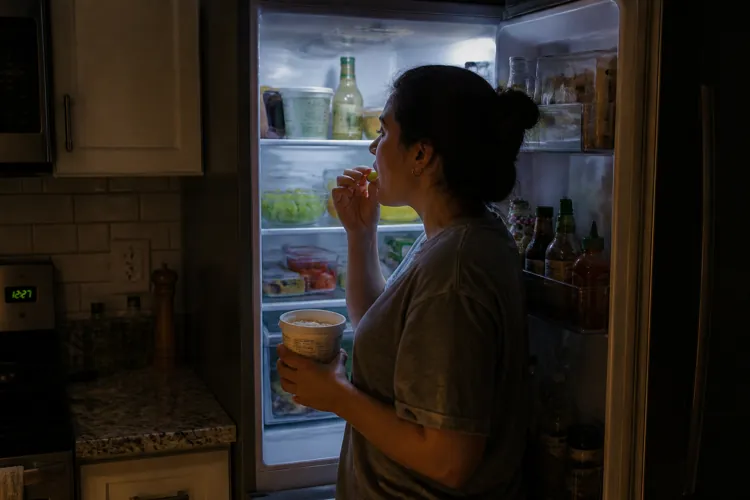
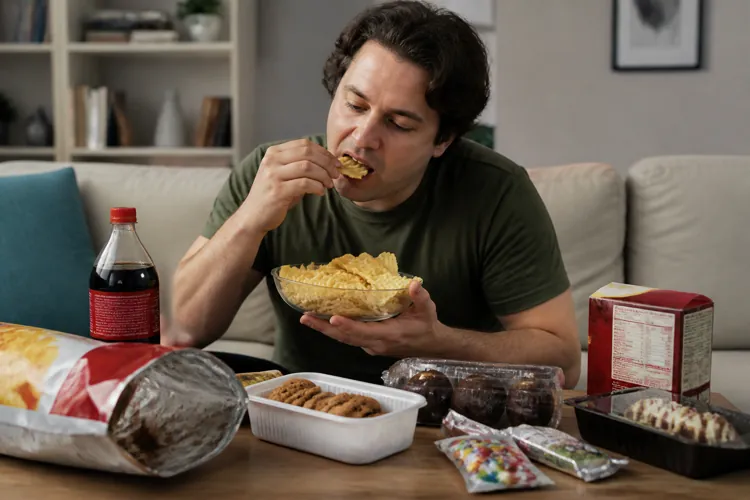
Late-night snacking could come with an unexpected health risk

Researchers found that people who reported eating late at night had a 20% to 30% higher rate of liver disease. The study examined health and lifestyle information from nearly 200,000 participants across three long-running research projects. Researchers say finishing meals several hours before bedtime may support liver health, although more research is needed to confirm the connection. Late-night s...


Consumer News: Are all ultra-processed foods bad for you? A major study offers a surprising answer
Fri, 13 Nov 2026 17:07:11 +0000
Are all ultra-processed foods bad for you? A major study offers a surprising answer

Researchers found no overall association between eating more ultra-processed foods and developing colorectal cancer. Ultra-processed whole grains and dairy products were associated with lower cancer rates, while processed meats were associated with higher rates. The findings suggest that a food's nutritional content may matter more than its level of processing when considering colorectal cancer ri...


Consumer News: Consumer product safety recall roundup for November 13, 2026
Fri, 13 Nov 2026 17:07:10 +0000
Consumer product safety recall roundup for November 13, 2026

Here are newly announced recalls and safety warnings from the U.S. Consumer Product Safety Commission and the Food and Drug Administration. Cummins is recalling nearly 3,000 dual-fuel portable generators after reports of fuel discharging and caps ejecting unexpectedly. Cummins Inc., of Columbus, Indiana, is recalling Cummins Onan P5000iDF EFI Dual Fuel Portable Generators sold in dark gray. The ge...


Consumer News: Fake Microsoft email threatens to deactivate accounts
Fri, 13 Nov 2026 17:07:10 +0000
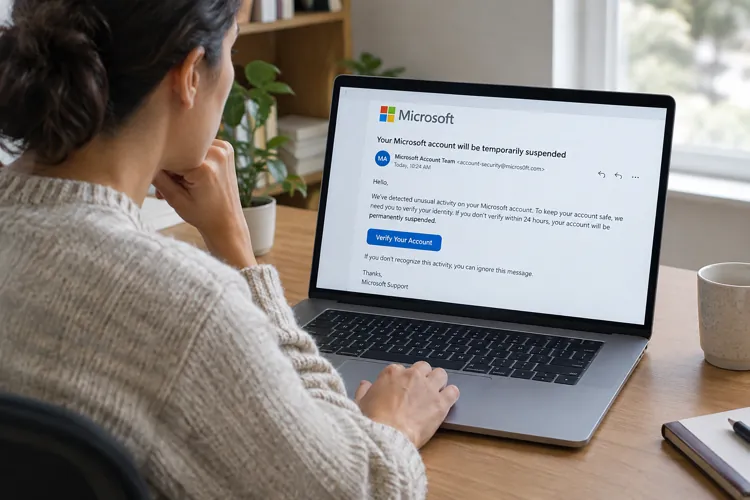
Fake Microsoft email threatens to deactivate accounts

A phishing email posing as a Microsoft 365 notification tells recipients to verify their accounts or risk deactivation. Warning signs include an unrelated sender address, a misspelled sender name and a verification link that leads away from Microsoft. Recipients should report the message as phishing and check their accounts through their usual Microsoft apps or bookmarks. An email claiming Microso...


Related Bing News Results
Consumer Reports tests kids vitamins for heavy metals, label accuracy
Thu, 12 Nov 2026 03:11:54 GMT
Approximately 1 in 3 kids under age 19 regularly take a dietary supplement, according to the Centers for Disease Control and Prevention. But do kids’ vitamins actually contain what they say on the ...
Consumer Reports investigation: Do kids' vitamins contain what they say on the label?
Thu, 12 Nov 2026 08:04:00 GMT
Here’s what parents need to know before giving their child a daily vitamin.
Consumer Reports finds some kids’ vitamins contain up to 5 times the nutrients listed on labels
Wed, 11 Nov 2026 01:31:00 GMT
Consumer Reports tested 21 children’s vitamins and found each had at least one nutrient level that differed from its label—sometimes by as much as 500%. All products were considered safe, with heavy ...
Consumer Reports Labels, Explained: Recommended, Top Pick, Best Brand, Best of, Smart Buy, and #1 in Brand Reliability
Thu, 15 Oct 2026 03:00:00 GMT
Consumer Reports (CR) uses several designations to help shoppers quickly identify products and services that perform well in our independent evaluations. When data is available, these designations ...
Consumer Reports retests protein powders, finds safer options
Wed, 18 Feb 2026 17:22:00 GMT
Last year, Consumer Reports tested dozens of popular protein powders and ready-to-drink shakes and found more than two-thirds contained concerning levels of lead. The investigation raised questions ...

Blow Us A Whistle


RobinsPost Print On Demand Refund Policy With Printify
Printify

Related Product Search/Búsqueda de productos relacionados

Amazon Logo